Event Lowry Hill
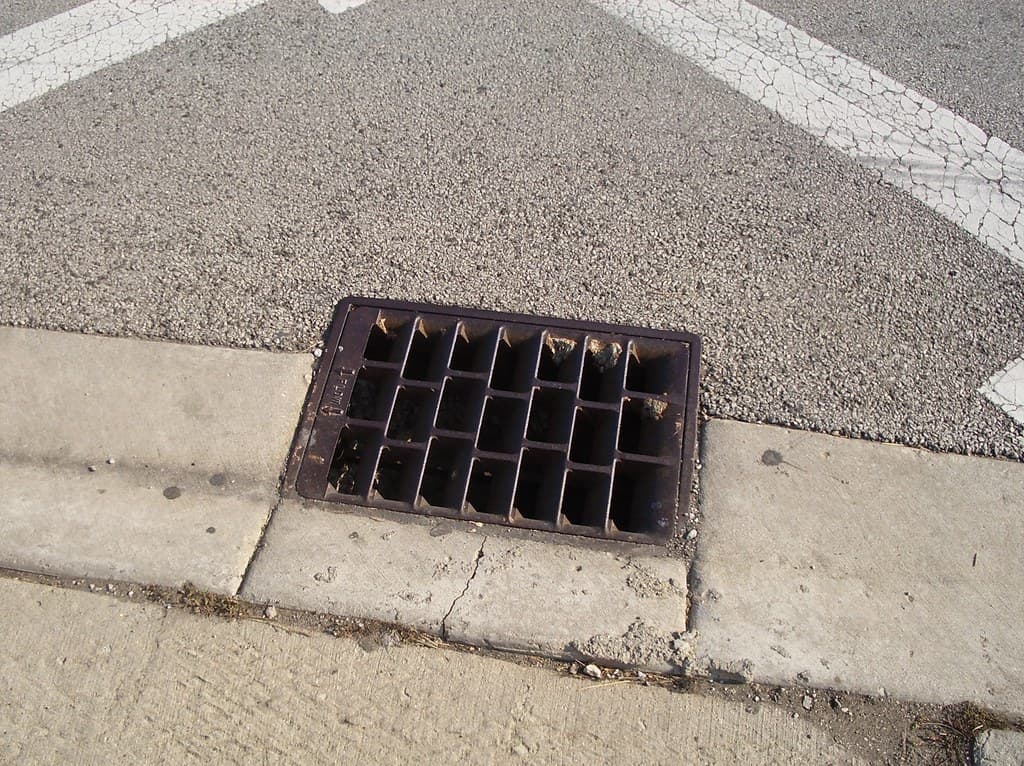
Adopt-a-Drain Drive Asks Neighbors to Claim a Storm Grate
A small commitment keeps debris out of the lakes downhill.
Saturday, April 5, 2025 9:15 AM Lowry Hill
As part of its seasonal stewardship push, the Lowry Hill Neighborhood Association is again promoting the Adopt-a-Drain program, which asks residents to take responsibility for a storm drain near their home and keep it clear through the seasons.
The commitment is light — a few minutes of clearing leaves before a heavy rain — but the cumulative effect on flooding and water quality is real. It is a textbook example of a small, distributed action that only works when a whole neighborhood pitches in, which is why the association keeps making the ask.
Where the water goes
Lowry Hill sits uphill from the Chain of Lakes, so debris that washes off the streets has a short trip to Lake of the Isles and Bde Maka Ska. There is no filter in between — whatever goes down the grate goes, more or less directly, into the water people swim in and walk beside. A clear drain is a small, direct contribution to keeping that water clean.
That direct line is the heart of the program. In a city built around its lakes, the storm drain at the curb is effectively the lakeshore's first line of defense, and keeping it clear is the most immediate piece of water stewardship a household can do without leaving the block.
How it works
Residents sign up through the citywide Adopt-a-Drain program and name their adopted grate — a touch that, by all accounts, has helped the effort stick. Once you have claimed a drain, the job is simple: clear leaves and trash before big storms, sweep it out after the fall leaf drop, and dig it free from the snowbank during a winter thaw.
Naming the drain seems like a gimmick until you watch how it changes behavior. People look after what they have claimed; a grate with a name on it stops being city infrastructure and starts being yours. That small sense of ownership is what turns a one-time good intention into a habit that lasts across seasons.
Why it scales
One household clearing one drain prevents, at most, a single flooded corner. But a neighborhood of adopted drains is a genuinely different place when the rain comes hard — fewer backed-up intersections, less debris in the runoff, and a measurably lighter load on the lakes downhill. The program works precisely because it breaks a large, abstract problem into a task small enough that anyone can do it and almost everyone can keep up.
It also pairs neatly with the neighborhood's other water-minded efforts, from spring shoreline cleanups to the DNR fishing clinics. Different tools, same message: the lakes are a shared responsibility, not just a shared view.
Other events
The neighborhood, in your inbox
Free. No paywall. Pick the topics you want — we send what’s happening this week.