Event Lowry Hill
Sculpture Garden Offers Free Family Programs Through the Season
The Walker's eleven-acre garden anchors a slate of open-air programming.
Saturday, June 6, 2026 11:00 AM–5:00 PM Lowry Hill
The Minneapolis Sculpture Garden — the largest urban sculpture garden in the country, with more than sixty works spread across eleven acres — runs a season of free, family-friendly programming alongside its marquee art fair. The garden is open daily and free to enter, no ticket required.
Operated in partnership with the Walker Art Center and the Minneapolis Park and Recreation Board, the garden functions as both museum and park — a place to picnic as much as to look. That dual identity is the key to its programming, which is designed to be enjoyed at a stroller's pace rather than a docent's.
Art you can walk through
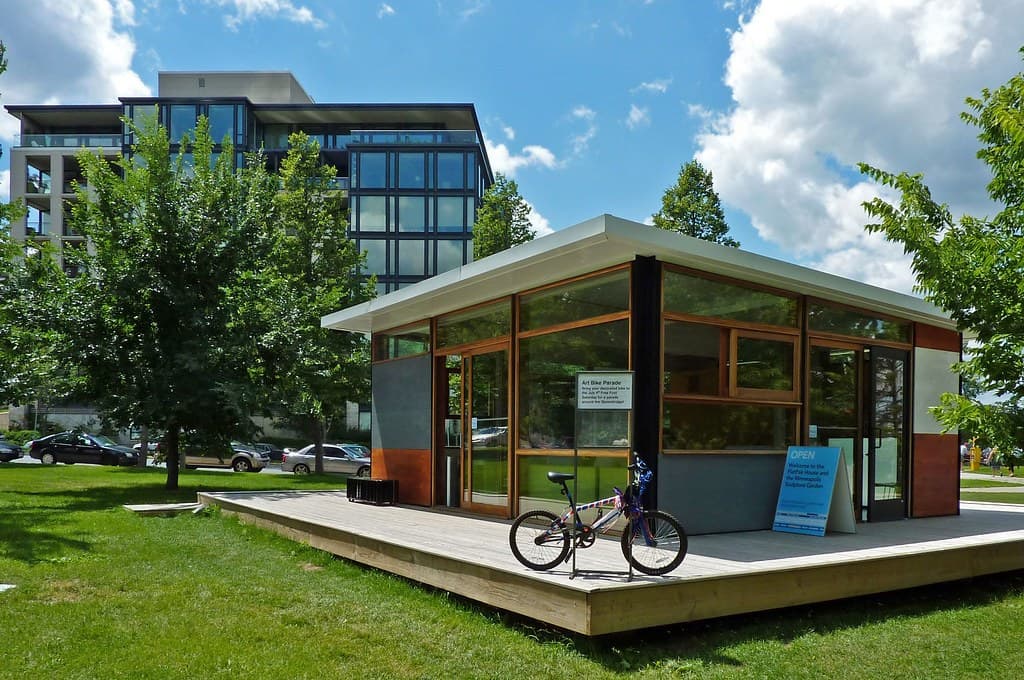
Programs through the season range from guided looks at the collection to drop-in activities aimed at kids, all set among the sculptures rather than behind gallery walls. A well-known weekly fixture is Art-Making in the Garden, free outdoor sessions that invite families to make their own work in the open air near the art that inspired it. The Walker also publishes family activity guides and scavenger hunts for anyone who wants to explore on their own.
The result is a museum experience without the museum hush. Kids can run between works, make something with their hands, and stand under a piece the size of a building — all without the pressure of a quiet gallery or the cost of admission. For a lot of families it is a first, low-stakes encounter with contemporary art, and a memorable one.
A backyard museum for the neighborhood
For Lowry Hill and Kenwood families, the garden is essentially a free, walkable backyard museum — one anchored by the unmistakable Spoonbridge and Cherry, the Claes Oldenburg and Coosje van Bruggen work that has stood at its center since the late 1980s. Few neighborhoods anywhere can claim a world-class sculpture collection within walking distance and no entry fee.
That proximity changes how the garden gets used. It is not a once-a-year destination but a regular stop — a place to kill an hour, burn off a restless afternoon, or end a walk. The free programming simply formalizes what locals already do, giving the casual visit a bit of structure for families who want it.
Why free and open matters
The garden's no-ticket, open-daily model is what lets it serve as genuine public space rather than a paid attraction. Free admission means a family can drop in for twenty minutes without weighing the cost, and open grounds mean the art lives in the flow of ordinary neighborhood life — picnics, dog walks, kids' birthday detours. That accessibility is the whole point, and the free programming extends it.
Other events
The neighborhood, in your inbox
Free. No paywall. Pick the topics you want — we send what’s happening this week.