Event Lowry Hill
Earth Day Brings Cleanup Crews to Three Neighborhoods at Once
Coordinated spring cleanups span the Chain of Lakes shoreline.
Tuesday, April 22, 2025 9:15 AM Lowry Hill
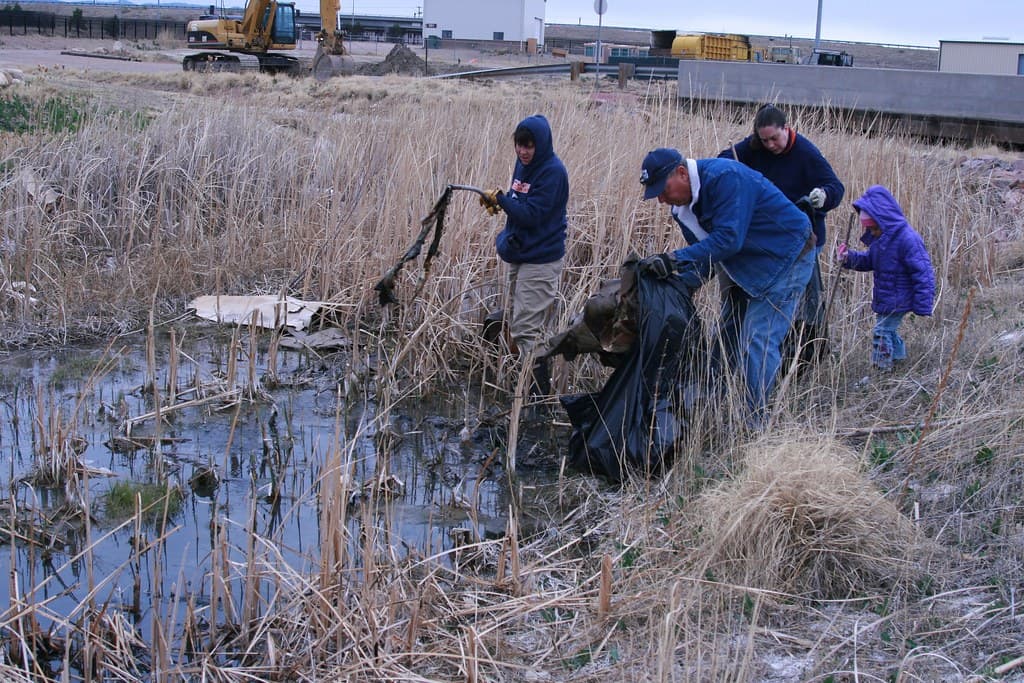
The Chain of Lakes neighborhoods coordinate their spring cleanups around Earth Day, sending volunteer crews out along the shorelines of Lake of the Isles and its neighbors at roughly the same time. The Lake of the Isles crew checks in near Euclid Place; others gather at points around their own stretches of water.
The coordination multiplies the effect. Rather than one neighborhood clearing one bank, a whole district of shoreline gets cleaned in a single morning — a coordinated sweep that, by sundown, leaves the most-walked paths in the city visibly tidier all at once.
All hands
Bags and gloves are typically provided at check-in, and the associations remind volunteers that dates can slip if the weather turns; the calendars get updated as conditions firm up. Beyond a willingness to spend a couple of hours and dress for spring mud, there is nothing to bring and nothing to know in advance.
That low barrier is the whole appeal. The cleanups are among the year's most accessible volunteer events — no skills required, a couple of hours of work, and an immediately visible payoff along the most-walked paths in the city. You can see the difference you made before you have even finished, which is more than most volunteering offers.
Why coordinate?
Synchronizing the cleanups does more than tidy a longer stretch of bank. It turns a set of separate neighborhood chores into a shared district-wide event, which draws more volunteers, makes a bigger visible dent, and reinforces the idea that the Chain of Lakes is one connected system rather than a collection of separate ponds. Litter does not respect neighborhood lines, and neither, on Earth Day, do the crews clearing it.
There is a symbolic weight to it as well. Tying the cleanups to Earth Day frames them as more than housekeeping — as a collective, recurring commitment to the water the neighborhoods are built around. The bag and gloves are practical; the timing is a statement.
What the shoreline gives back
An urban lake catches whatever its watershed sends downhill, and a winter's worth of debris emerges along the banks the moment the snow pulls back. Clearing it is partly cosmetic and partly real: less plastic on the bank means less in the water and less in the birds and fish that live there. On paths used by thousands daily, that cleanup pays off fast and for everyone.
It also tends to convert participants into stewards. Spend a morning pulling trash from a bank you walk past all the time and the lake stops being scenery; it becomes something you have a hand in keeping well.
Other events
The neighborhood, in your inbox
Free. No paywall. Pick the topics you want — we send what’s happening this week.