NeighborhoodLowry Hill
Forty Works, Eleven Acres: A Walk Through the Sculpture Garden
The free park beside the Walker holds far more than its famous spoon.
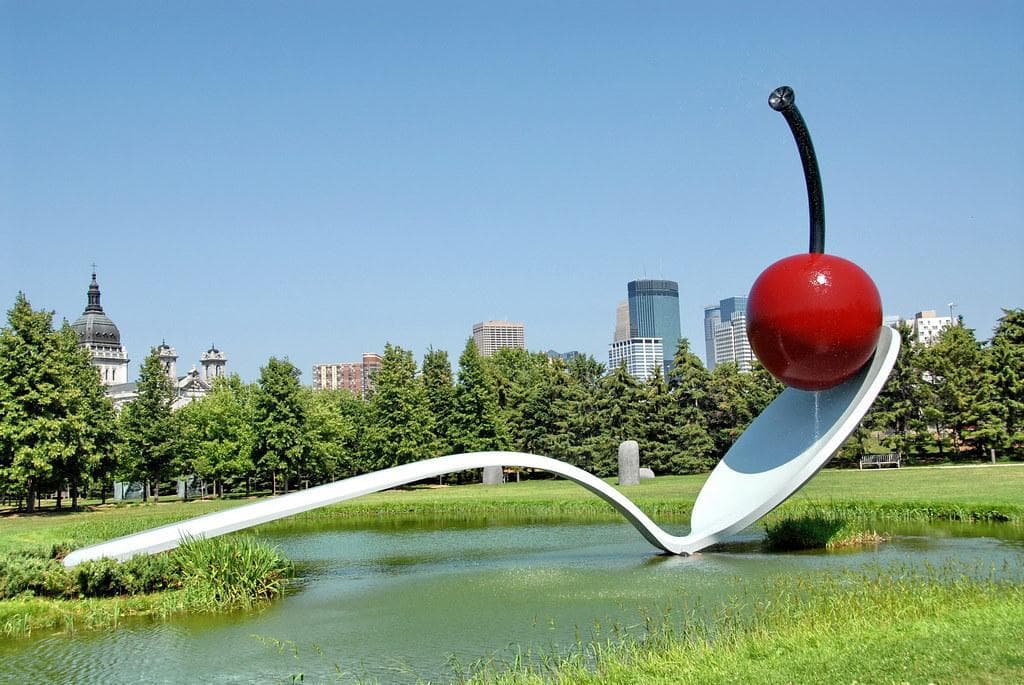
Most people come for Spoonbridge and Cherry and leave without quite realizing they have walked past forty other works. The Minneapolis Sculpture Garden spreads over roughly eleven acres at the base of Lowry Hill, holding more than forty pieces drawn from the Walker Art Center's collection - an entire museum's worth of sculpture, installed outdoors and free to wander.
The famous spoon is the headline. The rest of the Garden is the story most visitors never stop to read.
A park run by two institutions
The Garden is jointly tended by the Walker and the Minneapolis Park and Recreation Board, a partnership in place since 1988 that knits the museum's cultural ambitions to the city's park system. Admission is free and the gates open daily, which makes it one of the most democratic art spaces in the region - a serious collection with none of the usual barriers of a ticket, a time slot or a closing-time rush. Few cities have anything quite like it.
That shared stewardship is invisible to the people walking through, which is the measure of how well it works. The art is the Walker's; the grounds are the Park Board's; the seam between them disappears into a single experience of a park full of sculpture.
“The closest thing the neighborhood has to a permanent exhibition that keeps changing.”
The works that reward a second look
Among the pieces neighbors learn to recognize is a quiet, contemplative work like Black Vessel for a Saint - a deliberate counterweight to the Garden's louder icons. The mix of monumental and intimate work is the whole appeal: a giant spoon to find from across the lawn, and smaller, subtler pieces that only register up close. That range rewards repeat visits, and the looping layout encourages the kind of slow, unhurried walking that a single marquee sculpture never could.
This is where the difference between a tourist and a resident shows. A visitor finds the spoon and leaves; a neighbor, over enough loops, develops favorites among the quieter works - the ones the cameras skip and the regulars greet by name.
A collection that never looks the same twice
Because the collection rotates and the landscaping shifts with the seasons, the Garden never quite looks the same twice. Works come and go, plantings mature, and the same eleven acres read differently in spring mud, summer green and winter snow. For residents within walking distance, that turnover is the closest thing the neighborhood has to a permanent exhibition that keeps changing - a museum you can re-visit endlessly without ever seeing exactly the same show.
The practical takeaway is to treat the Garden as a habit rather than a one-time stop. Find the spoon once, by all means - then keep coming back, and start meeting the other forty works that were there all along.
NeighborhoodLowry Hill
Related stories
Neighborhood
Lowry Hill and East Isles Land on Patch's List of Minnesota's Most Expensive Neighborhoods
Lowry Hill and East Isles rank among Minnesota's most expensive neighborhoods according to Patch's analysis of Niche's 2026 data.
Neighborhood
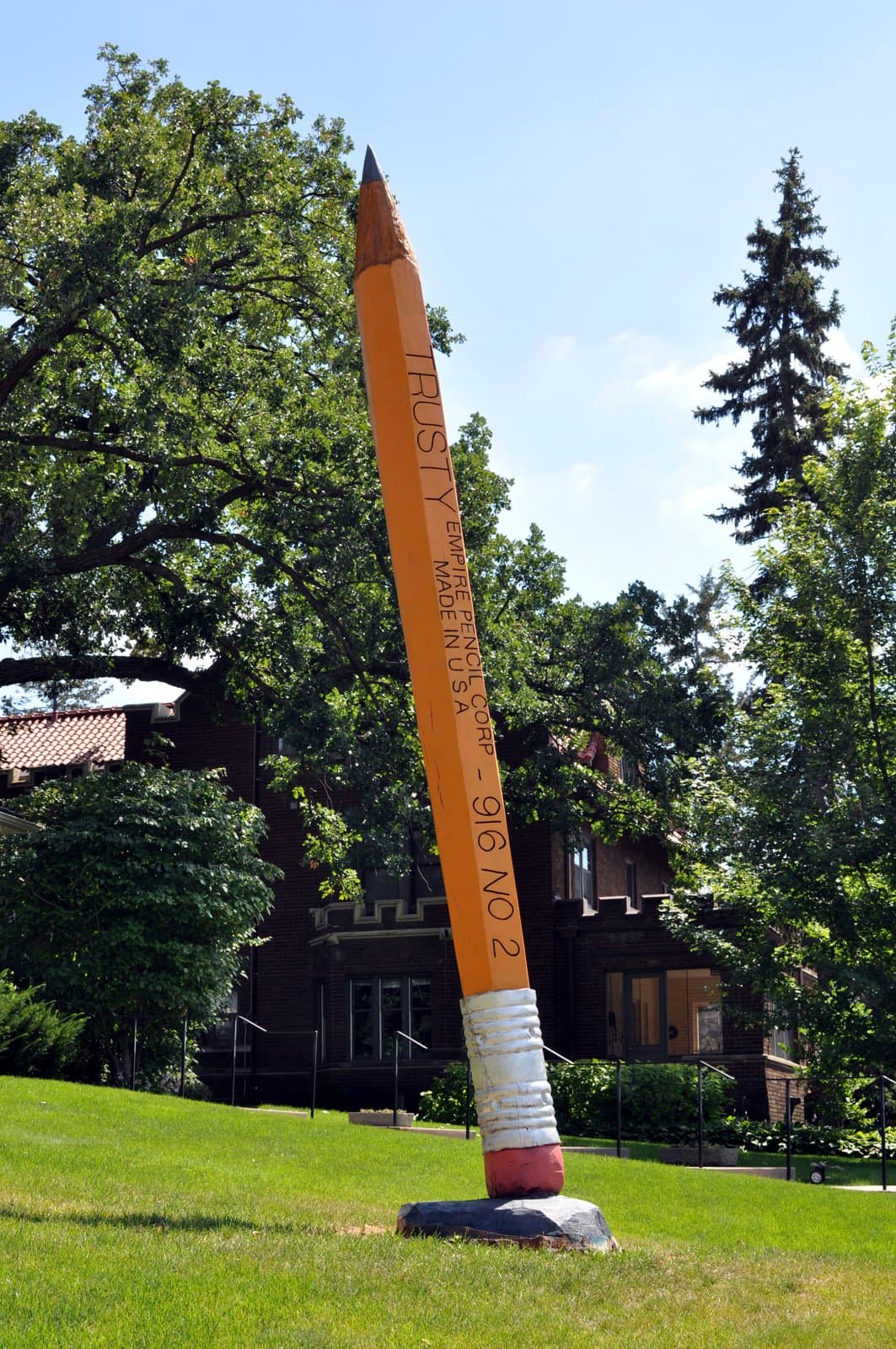
Community celebrates Lake of the Isles Pencil's 5th sharpening
Thousands gathered in East Isles on June 6, 2026, to watch the annual ceremonial sharpening of Minneapolis' giant pencil sculpture.
Neighborhood
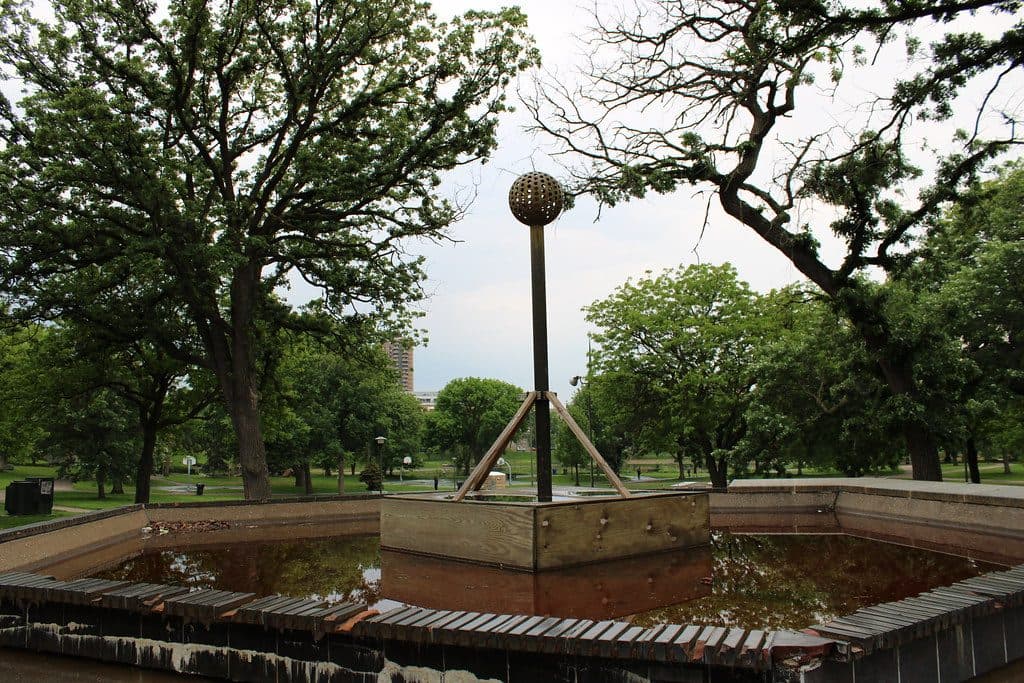
The end is in sight for Loring Park dandelion fountain's drought
State lawmakers approved $1.8 million for Berger Fountain repairs, and Park Board crews have begun demolition at the dry Loring Park landmark.
The neighborhood, in your inbox
Free. No paywall. Pick the topics you want — we send what’s happening this week.