NeighborhoodLowry Hill
Clowns, Jazz Titans and Sci-Fi: The Walker's Bold New Season
The Walker Art Center's 2025-26 performing arts season, which opened Sept. 13, runs from experimental clowning to jazz titans and a Wooster Group return after 25 years.

The Walker Art Center's 2025-26 performing arts season opened Sept. 13 with a program that runs from radical clowning to jazz titans and Afrofuturist sound. It is, by design, a calendar that resists a one-sentence summary, and the museum frames the breadth as the point: work that confronts the present through movement, sound and stagecraft rather than argument.
The season opened with composer Wadada Leo Smith and pianist Amina Claudine Myers marking 60 years of the Association for the Advancement of Creative Musicians, the influential Chicago collective. The fall calendar also paired choreographer Aszure Barton with trumpeter Ambrose Akinmusire on Sept. 18 and 19, and brought Pulitzer finalist Jlin, who combines electronics with classical musicians and dancers, on Oct. 2.
The Walker's annual experimental series Out There anchors the winter. This year's lineup includes self-described "experimental clown artist" Alex Tatarsky (Jan. 8-10), performance artist Nile Harris (Jan. 22-24) and the French-British duo Bert and Nasi (Feb. 5-7). In a marquee booking, the Wooster Group returns to the Twin Cities for the first time in 25 years to reimagine its 1988 play "Symphony of Rats," Feb. 25-28.
Philip Bither, the Walker's McGuire Director and Senior Curator of Performing Arts, has long built seasons that defy easy labels, mixing contemporary dance, experimental theater and new music on one calendar. "Liveness is the essence of performing arts," Bither said in announcing the season, "and there is a kind of magic when performers exchange energies with viewers in real-time." Built by a curator who has spent years training an audience to follow him, a season this varied reads as confidence rather than confusion.
Most performances unfold in the McGuire Theater, the museum's flagship stage, a short walk from Lowry Hill's residential streets, though a few draw audiences to venues such as Icehouse and Northrop. For neighbors, the season is a standing invitation to encounter nationally significant work that rarely tours the Midwest, the kind of show that, programmed elsewhere, would mean a flight or a long drive. An evening at the McGuire can also be paired with the galleries or a walk through the Sculpture Garden.
The full calendar is at walkerart.org. For a Lowry Hill resident, the practical move is to scan it, pick the show that sounds least like anything you would normally attend, and go.
NeighborhoodLowry Hill
Related stories
Neighborhood
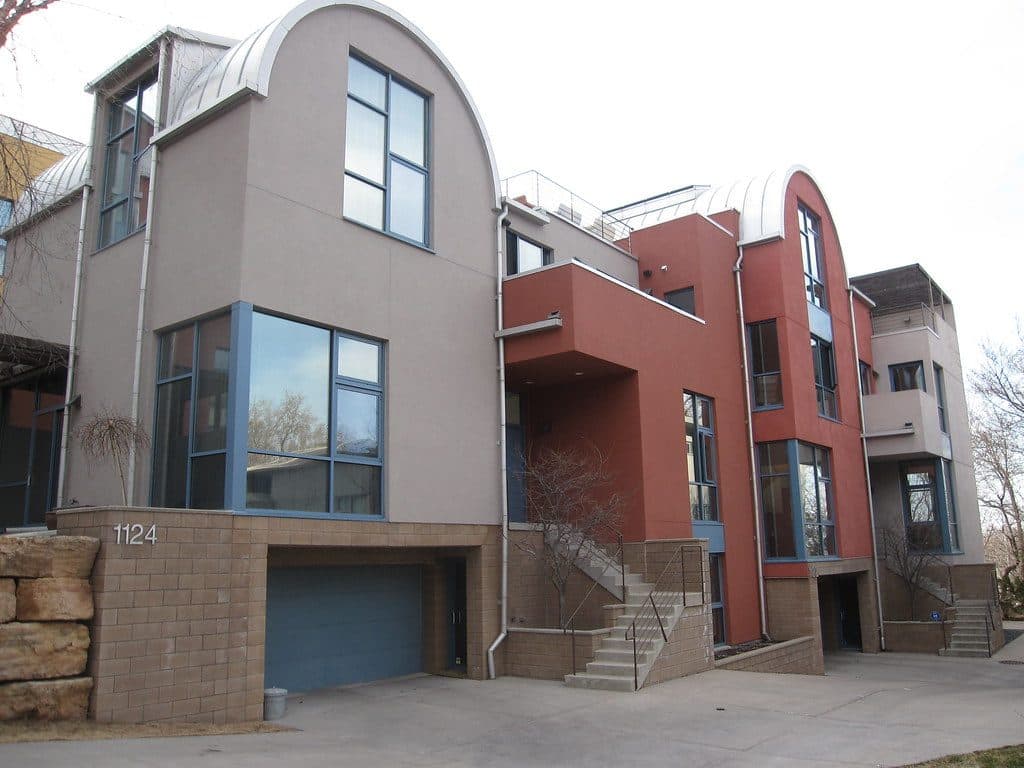
Lowry Hill and East Isles Land on Patch's List of Minnesota's Most Expensive Neighborhoods
Lowry Hill and East Isles rank among Minnesota's most expensive neighborhoods according to Patch's analysis of Niche's 2026 data.
Neighborhood
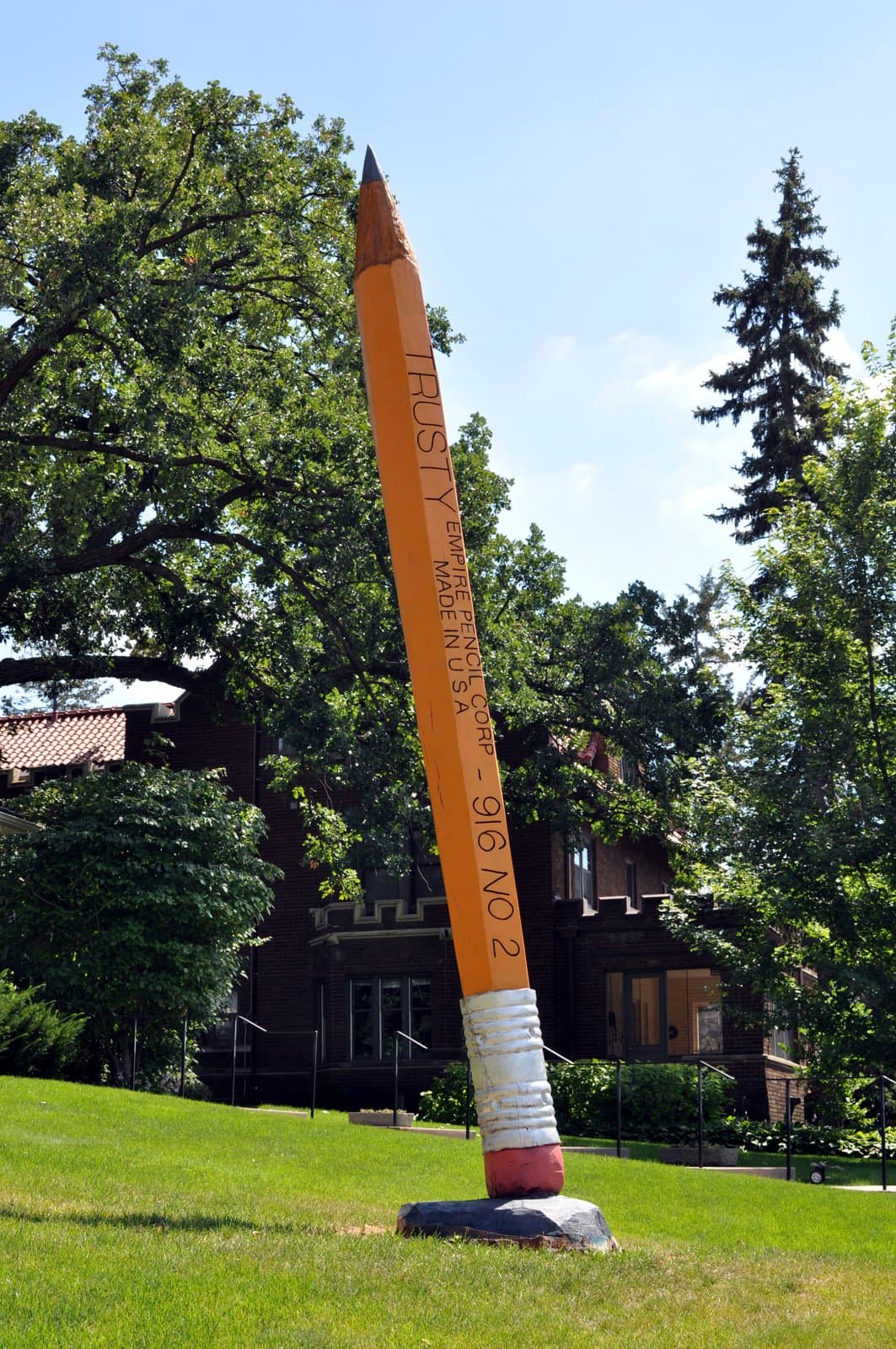
Community celebrates Lake of the Isles Pencil's 5th sharpening
Thousands gathered in East Isles on June 6, 2026, to watch the annual ceremonial sharpening of Minneapolis' giant pencil sculpture.

Neighborhood
The end is in sight for Loring Park dandelion fountain's drought
State lawmakers approved $1.8 million for Berger Fountain repairs, and Park Board crews have begun demolition at the dry Loring Park landmark.
The neighborhood, in your inbox
Free. No paywall. Pick the topics you want — we send what’s happening this week.