NeighborhoodLowry Hill
Minneapolis Counts 300 Public Artworks. Lowry Hill Holds Some Gems
The city's public art map stretches well beyond the famous spoon at the Garden's edge.

The City of Minneapolis maintains an interactive map of more than 300 pieces of public art, and a meaningful share of the most-visited works cluster around Lowry Hill and the Sculpture Garden at its base. The map invites residents to treat the whole city as an open-air gallery - one with no ticket booth, no closing time and no walls.
It is a useful reframe for a neighborhood that already lives beside one of the country's signature sculpture parks: the art does not stop at the Garden's gates.
Public art lives differently
Public art lives differently than gallery art, and the difference is the point. It weathers. It gets touched. It becomes a meeting point - a place to wait for a friend - and a landmark in giving directions. Over time, a successful public work crosses a threshold from art into something more like civic furniture: recognized and used by people who would never think to walk into a museum, who could not name the artist and do not need to.
The works near Lowry Hill have largely crossed that threshold. They are recognized even by people who have never set foot in the Walker - absorbed into the everyday mental map of the neighborhood the way a distinctive building or an old tree would be. That absorption is arguably the highest compliment public art can earn.
“No ticket, no hours, no docent - just the work standing where anyone can find it.”
A map as a statement
Cataloging the collection on a public map is itself a quiet statement that this art belongs to everyone. There is no ticket, no hours, no docent - just the work standing where anyone can find it, and now a tool that helps them find it. By inventorying the pieces and putting that inventory in residents' hands, the city treats public art as a shared asset to be discovered and used, not just admired in passing.
It also turns a casual walk into a possible expedition. With the map, a neighbor can string together a self-guided tour - this sculpture, that mosaic, the mural three blocks over - and experience the city as a collection rather than a commute. The art was always there; the map makes it legible.
Beyond the Garden's gates
For a neighborhood that sits beside one of the country's most famous sculpture parks, the city map is a reminder not to let the Garden absorb all the attention. The Garden is the headline, but the surrounding streets hold their own works - some well-known, some easy to walk past for years without really seeing - and the map is an invitation to start noticing them.
The practical move is to pull up the map once and pick a single piece you have never actually stopped at, then go look. In a neighborhood this dense with public art, the most overlooked gallery is often the one you walk through every day without knowing it is a gallery at all.
NeighborhoodLowry Hill
Related stories
Neighborhood
Lowry Hill and East Isles Land on Patch's List of Minnesota's Most Expensive Neighborhoods
Lowry Hill and East Isles rank among Minnesota's most expensive neighborhoods according to Patch's analysis of Niche's 2026 data.
Neighborhood
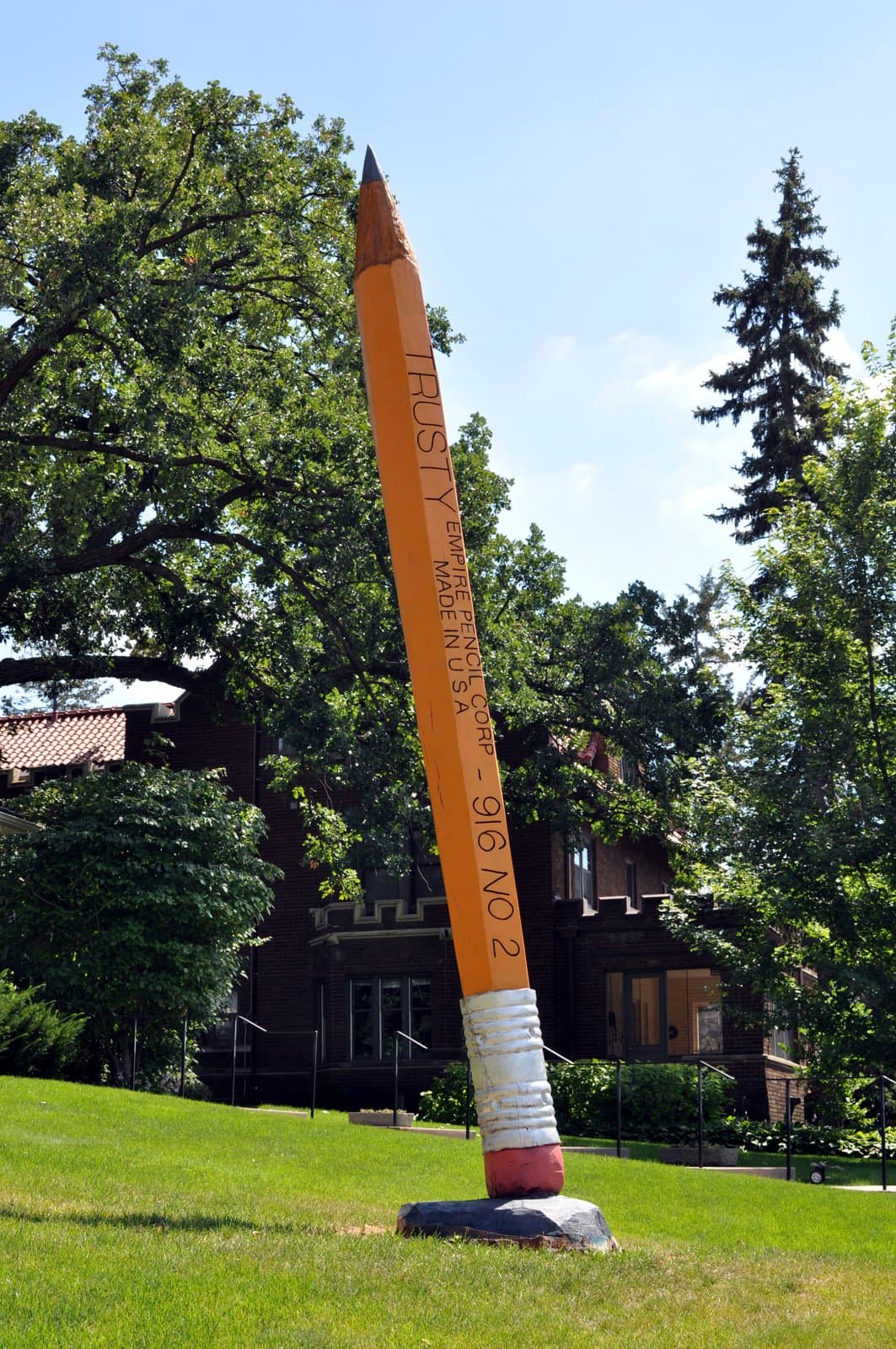
Community celebrates Lake of the Isles Pencil's 5th sharpening
Thousands gathered in East Isles on June 6, 2026, to watch the annual ceremonial sharpening of Minneapolis' giant pencil sculpture.
Neighborhood
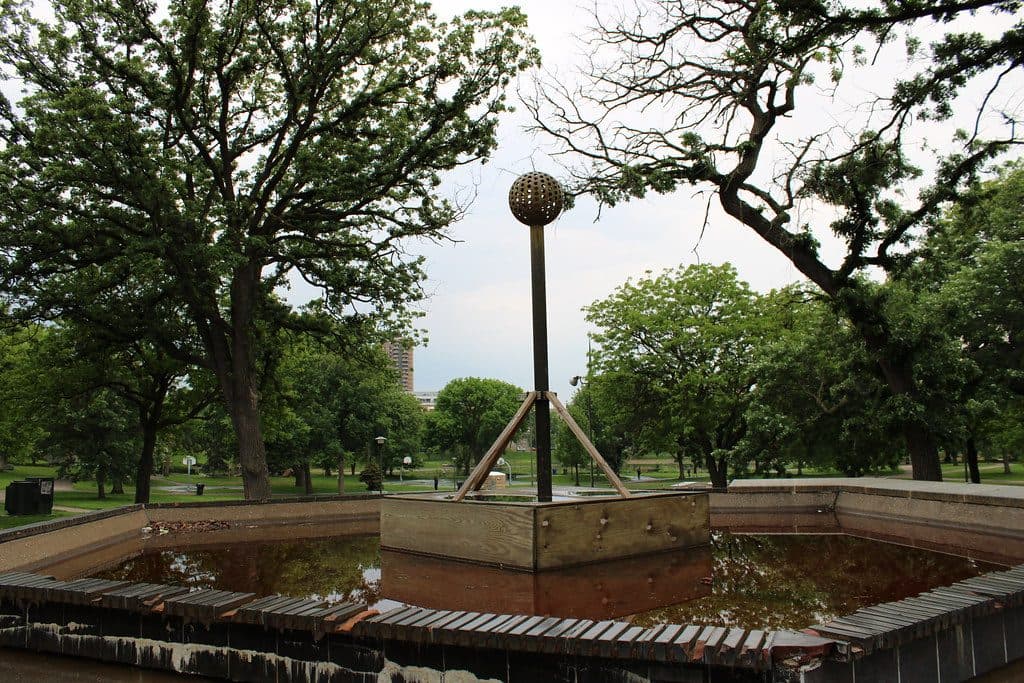
The end is in sight for Loring Park dandelion fountain's drought
State lawmakers approved $1.8 million for Berger Fountain repairs, and Park Board crews have begun demolition at the dry Loring Park landmark.
The neighborhood, in your inbox
Free. No paywall. Pick the topics you want — we send what’s happening this week.