NeighborhoodLowry Hill
Up to Five Shows at Once: How the Walker Stays Restless
The museum's habit of running multiple exhibitions keeps repeat visits worthwhile.
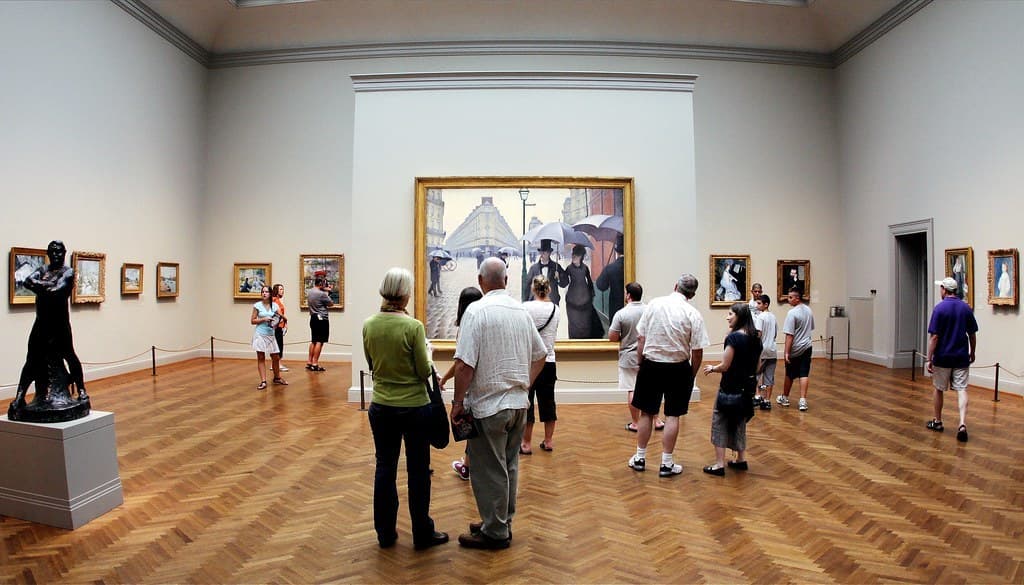
Most big museums build their calendars around the blockbuster: one ticketed mega-show that defines a season and draws a line out the door. The Walker Art Center, on the edge of Lowry Hill, rarely works that way. The museum routinely runs several exhibitions at once - often up to five - mixing emerging and established artists with works pulled from its own deep permanent collection.
That density is not an accident of scheduling. It is a strategy, and it shapes how the institution feels to anyone who visits more than once a year.
Why run so many shows at once
Keeping multiple exhibitions in rotation means a return visit a month later almost always finds something changed. That rewards the people the Walker most depends on: members, and the neighborhood foot traffic that treats the museum as a regular stop rather than a once-a-year outing. A monument you visit once; a place that keeps changing you visit again.
The parallel model also lets the museum take risks it could not afford to take alone. A genuinely difficult show in one gallery can sit beside a more accessible one next door, so a visitor is never asked to commit an entire afternoon to a single demanding idea. If one room loses you, the next might win you back. That spreads the institution's bets and lowers the stakes of any one of them.
“A monument you visit once. A place that keeps changing you visit again.”
The collection as a working resource
A crucial ingredient is the Walker's own holdings. Because the museum has built a substantial permanent collection over decades, it can mount shows drawn from its own vaults rather than relying entirely on expensive incoming loans. That makes the rotating model financially sustainable, and it lets curators put the collection into conversation with new work - a canonical piece in one gallery quietly reframing an unproven one nearby.
It also means the collection is not static storage. Works cycle on and off view, recombined into new arguments each season, so the same holdings can support very different visits over time.
A museum read like a magazine
For Lowry Hill residents close enough to drop in casually, the cumulative effect is to turn the museum into something closer to a magazine than a monument: refreshed often, and read in pieces. You do not have to consume the whole thing in one sitting. You can come for one show, skim another, and leave the rest for next month, knowing it will have moved on by then.
That is an unusual relationship to have with a major art institution, and it depends entirely on proximity. A visitor flying in for a weekend experiences the Walker as a single dense afternoon. A neighbor experiences it as a serial - which is exactly the audience the rotating model is built to keep.
It is worth noting what the model costs the museum to maintain. Mounting and dismounting several shows on overlapping schedules is more work, and more expense, than running one big exhibition for a long stretch. The Walker has chosen the harder operational path because it serves the audience it actually has - a local one - rather than optimizing for the out-of-town crowd a single blockbuster is designed to pull. For neighbors, the next move is simple: do not wait for a marquee show to go. Drop in, see what is up this month, and plan to come back when half of it has changed.
NeighborhoodLowry Hill
Related stories
Neighborhood
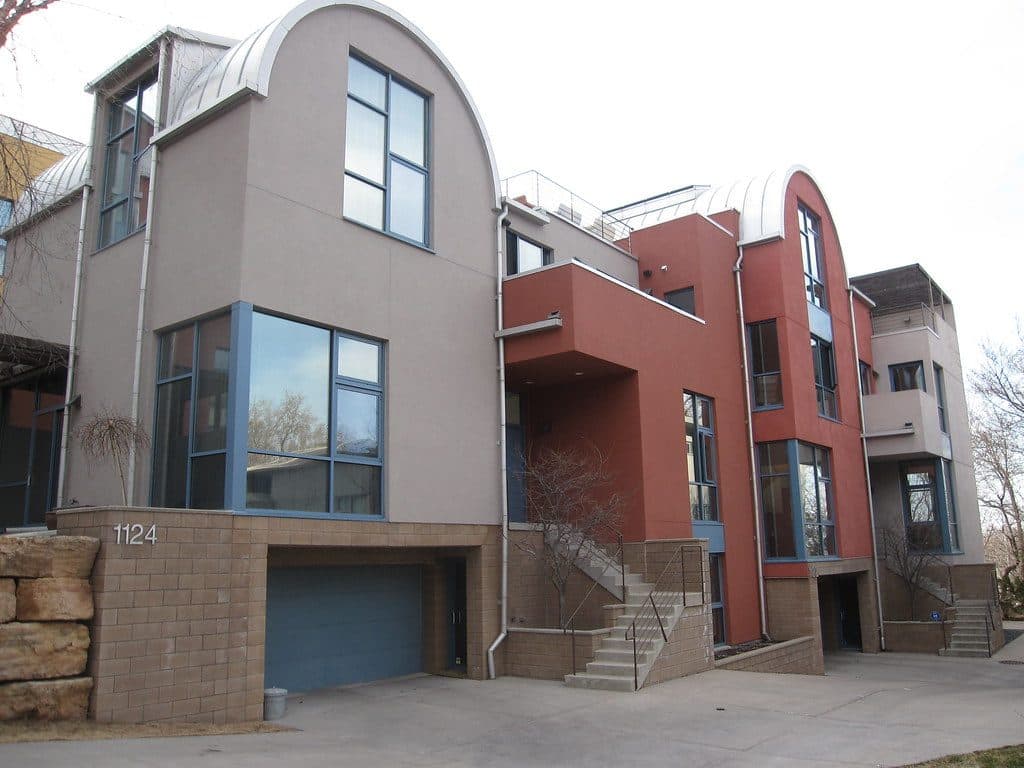
Lowry Hill and East Isles Land on Patch's List of Minnesota's Most Expensive Neighborhoods
Lowry Hill and East Isles rank among Minnesota's most expensive neighborhoods according to Patch's analysis of Niche's 2026 data.
Neighborhood
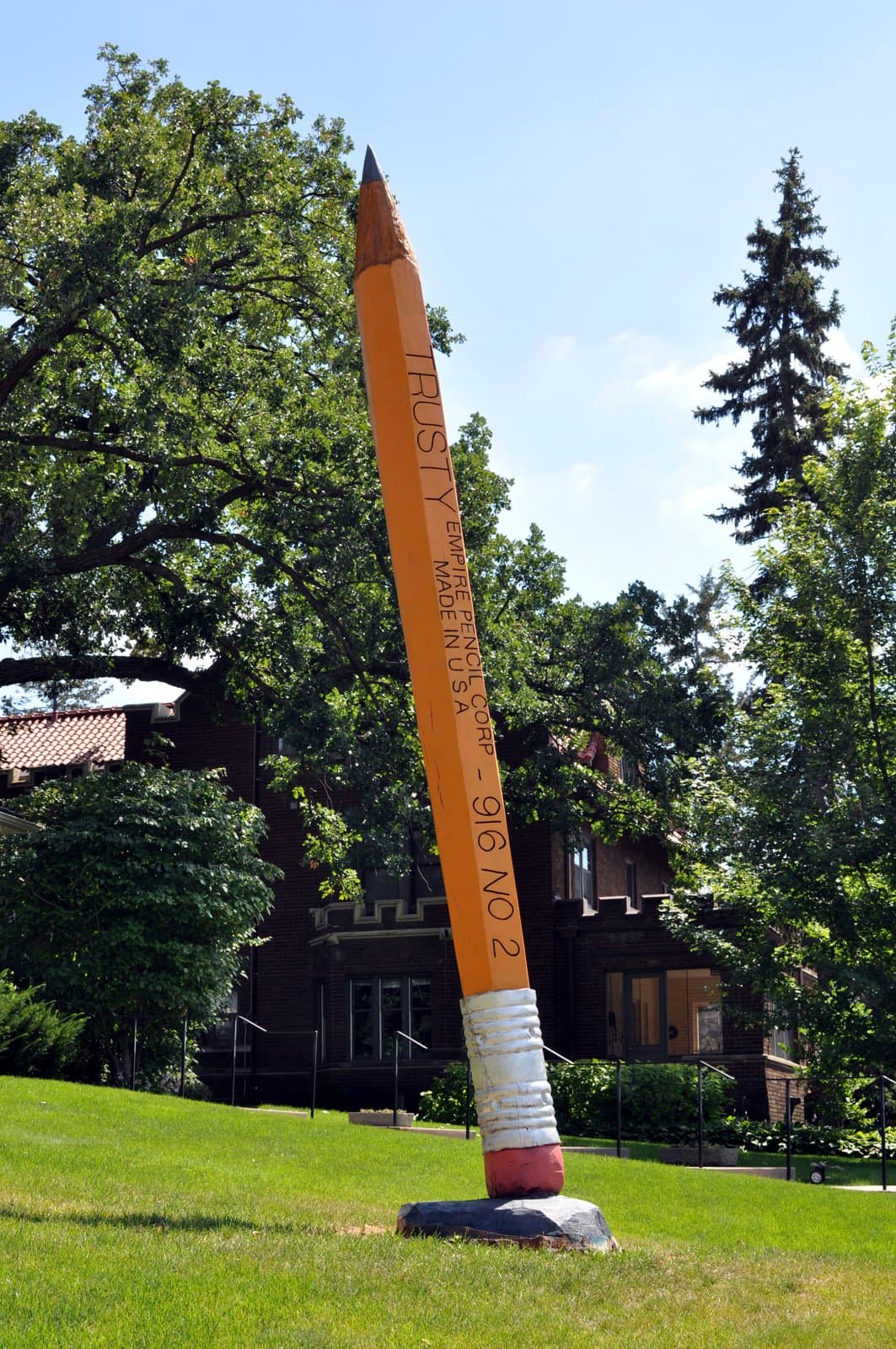
Community celebrates Lake of the Isles Pencil's 5th sharpening
Thousands gathered in East Isles on June 6, 2026, to watch the annual ceremonial sharpening of Minneapolis' giant pencil sculpture.
Neighborhood
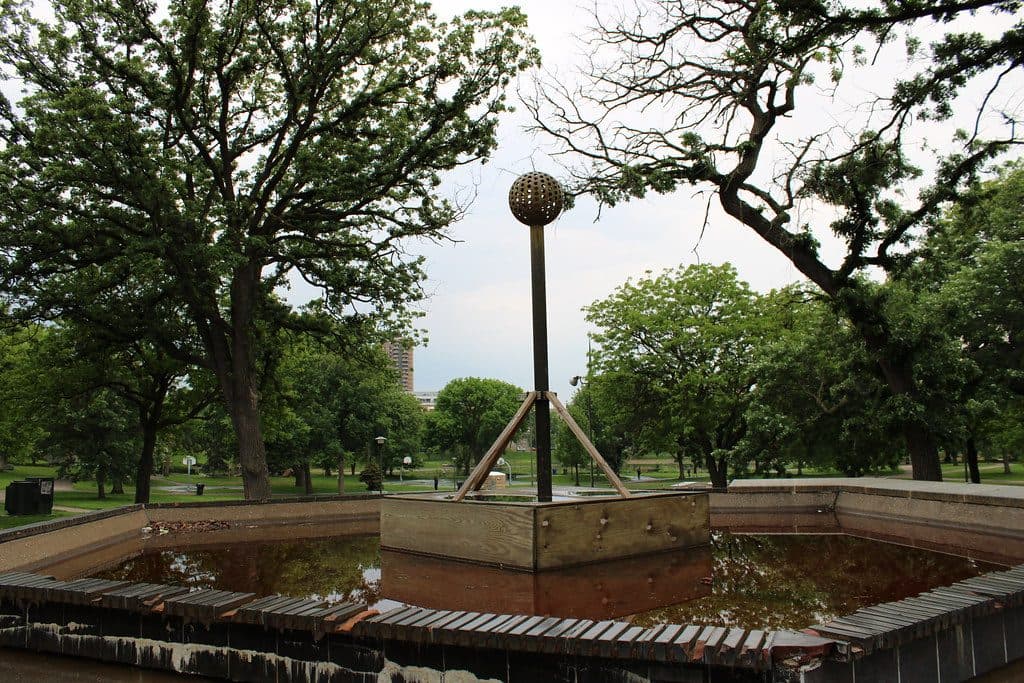
The end is in sight for Loring Park dandelion fountain's drought
State lawmakers approved $1.8 million for Berger Fountain repairs, and Park Board crews have begun demolition at the dry Loring Park landmark.
The neighborhood, in your inbox
Free. No paywall. Pick the topics you want — we send what’s happening this week.