NeighborhoodLowry Hill
More Than a Landmark: The Sculpture Garden Keeps Changing
Decades after opening, the park beside the Walker continues to reinvent itself.
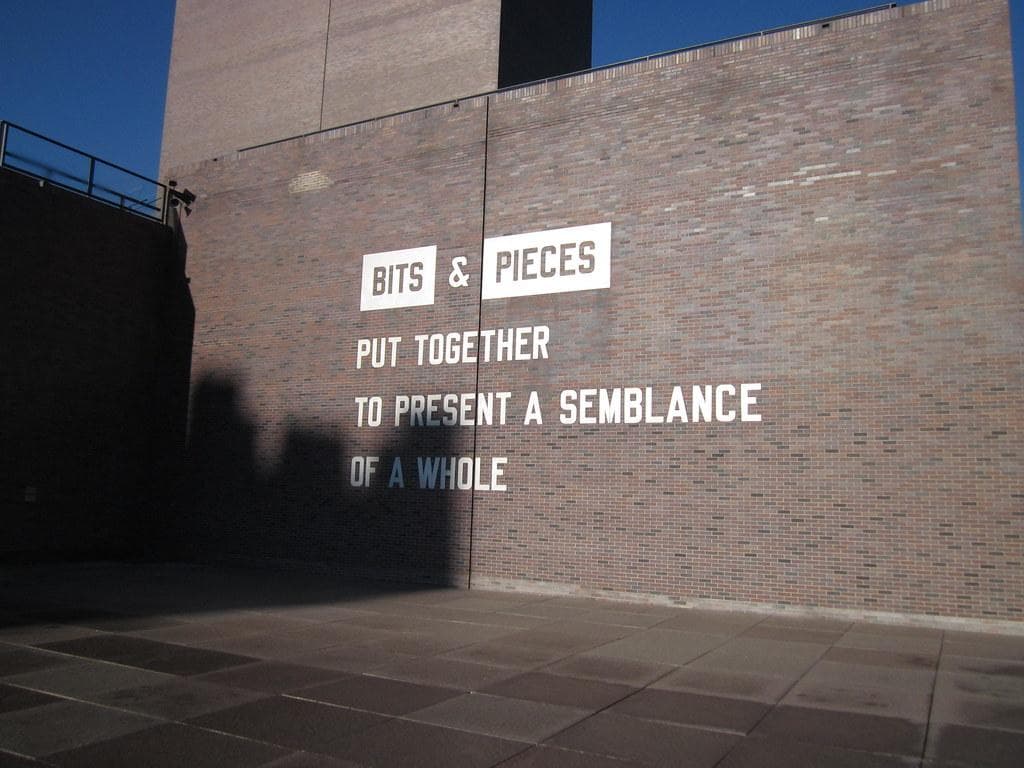
It would be easy for the Minneapolis Sculpture Garden to coast. It has one of the most recognizable public artworks in the country sitting in the middle of it, a fountain shaped like a spoon balancing a cherry, and it could simply let visitors photograph it and move on. Instead, the park at the foot of Lowry Hill keeps changing - swapping works, reshaping its landscaping and refusing to settle into a single postcard.
That restlessness is deliberate. The Garden is operated by the Walker Art Center in coordination with the Minneapolis Park and Recreation Board, and the institutions have treated the roughly 11-acre site as a living collection rather than a fixed display. Works rotate. Plantings mature. The relationship between sculpture and landscape shifts from one year to the next.
A garden rebuilt, not just maintained
The clearest proof of that philosophy came with the major reconstruction that closed the Garden for roughly two years and reopened it in June 2017. The project was more than a touch-up. Working with the Minneapolis Park and Recreation Board and the Mississippi Watershed Management Organization - which contributed a $1.5 million grant for sustainable landscape features - the Walker rebuilt the grounds around the site's natural hydrology, added native plantings and hundreds of trees, and tied the park more tightly to the museum through a new entrance and plaza.
The reopening also surfaced hard lessons. A planned work, "Scaffold," drew objection from Dakota community members and was removed before the Garden reopened - a public reckoning that shaped how the institution talks about which works belong in a shared civic space. A changing garden, it turned out, also means a garden willing to reconsider.
“A static sculpture park becomes scenery. A changing one stays a destination.”
Why the change matters to neighbors
For the lakes-and-hill neighborhoods that ring the park, the practical effect is simple: there is always a reason to go back. A static sculpture park becomes scenery you stop noticing on the walk to work. A changing one stays a destination. Lifelong neighbors who could navigate the loop blindfolded still find a new work installed, a meadow filled in where there used to be lawn, or a familiar piece reframed by a season's growth.
That is a different kind of value than a one-time tourist gets. Visitors tick the Garden off a list. Residents get a park that rewards repetition - the same eleven acres reading differently in April mud, July heat and January snow.
A collection, not a display
The distinction the Walker draws is between a display and a collection. A display is arranged once and left alone. A collection is something an institution actively stewards - acquiring, lending, conserving, reinterpreting and occasionally retiring works as understanding shifts. Treating an outdoor park that way is unusual and labor-intensive, because the medium is partly living: the trees grow, the meadow seeds itself, the sightlines a curator planned slowly close in.
That living quality is also why the Garden can never quite be finished, even if the institution wanted it to be. A sculpture installed in front of a young planting reads one way in its first season and another way a decade later when the planting has matured around it. The art does not change, but its setting does, and the setting is half the work. Maintenance, in a place like this, is itself a form of curation.
Photographed at sunrise, with the spoon catching the first light, the Garden can look timeless, fixed, finished. Walk it twice in the same year and you notice it is anything but. The next change is usually already underway - which is the best argument for treating the place as a habit rather than a snapshot.
NeighborhoodLowry Hill
Related stories
Neighborhood
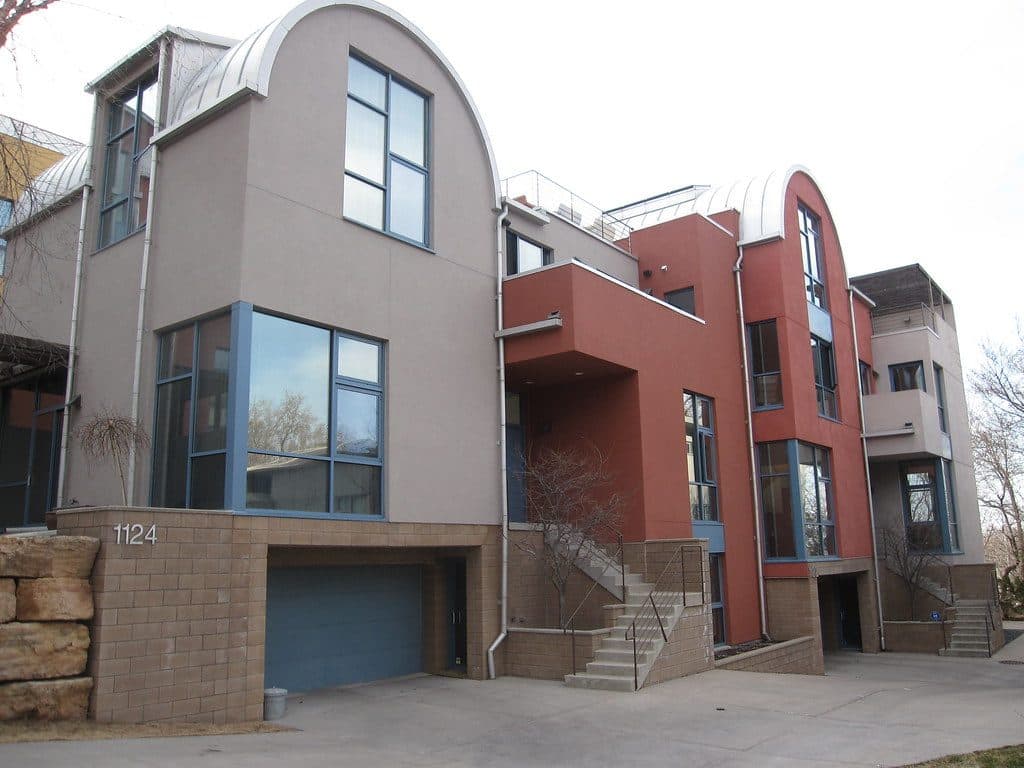
Lowry Hill and East Isles Land on Patch's List of Minnesota's Most Expensive Neighborhoods
Lowry Hill and East Isles rank among Minnesota's most expensive neighborhoods according to Patch's analysis of Niche's 2026 data.
Neighborhood
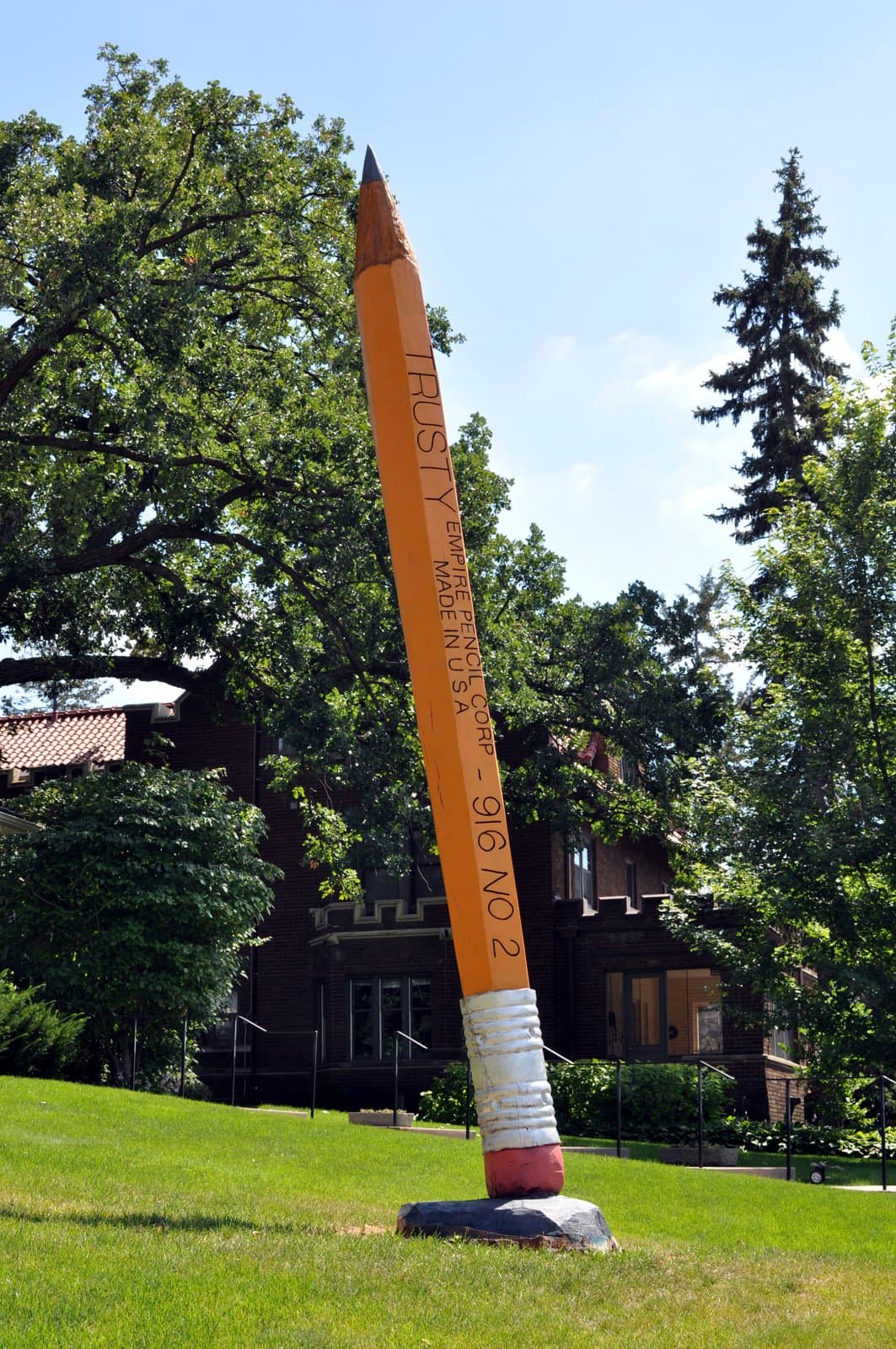
Community celebrates Lake of the Isles Pencil's 5th sharpening
Thousands gathered in East Isles on June 6, 2026, to watch the annual ceremonial sharpening of Minneapolis' giant pencil sculpture.
Neighborhood
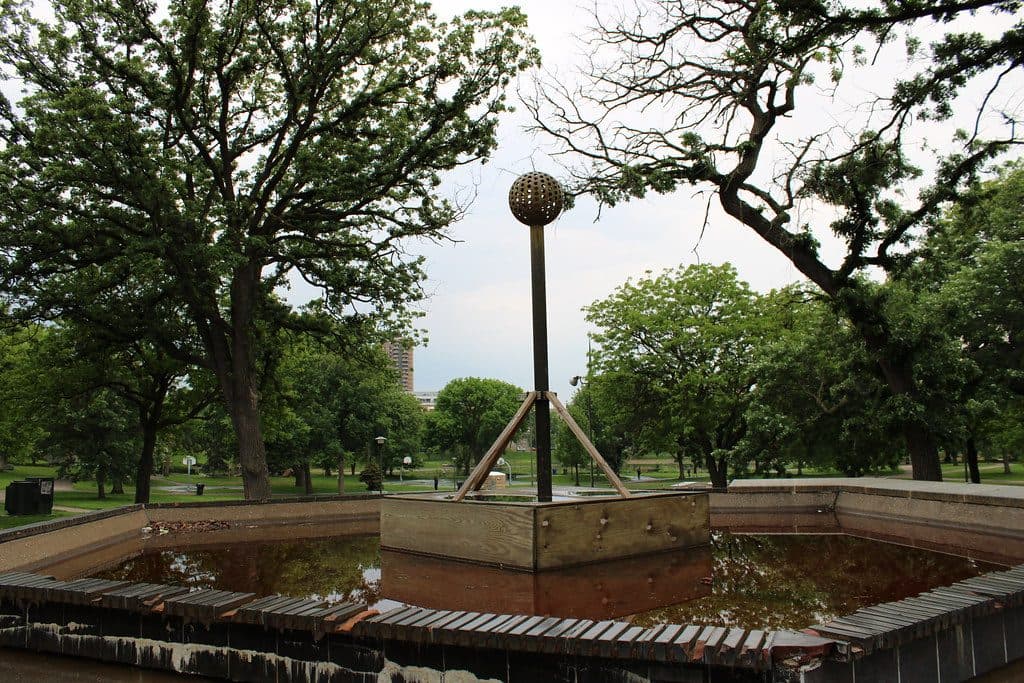
The end is in sight for Loring Park dandelion fountain's drought
State lawmakers approved $1.8 million for Berger Fountain repairs, and Park Board crews have begun demolition at the dry Loring Park landmark.
The neighborhood, in your inbox
Free. No paywall. Pick the topics you want — we send what’s happening this week.