NeighborhoodLowry Hill
Inside the McGuire Theater, the Walker's Stage for Risk
The Walker Art Center's live performances unfold largely in the McGuire Theater, a 385-seat hall that opened with the museum's 2005 expansion and is built for experimental work.
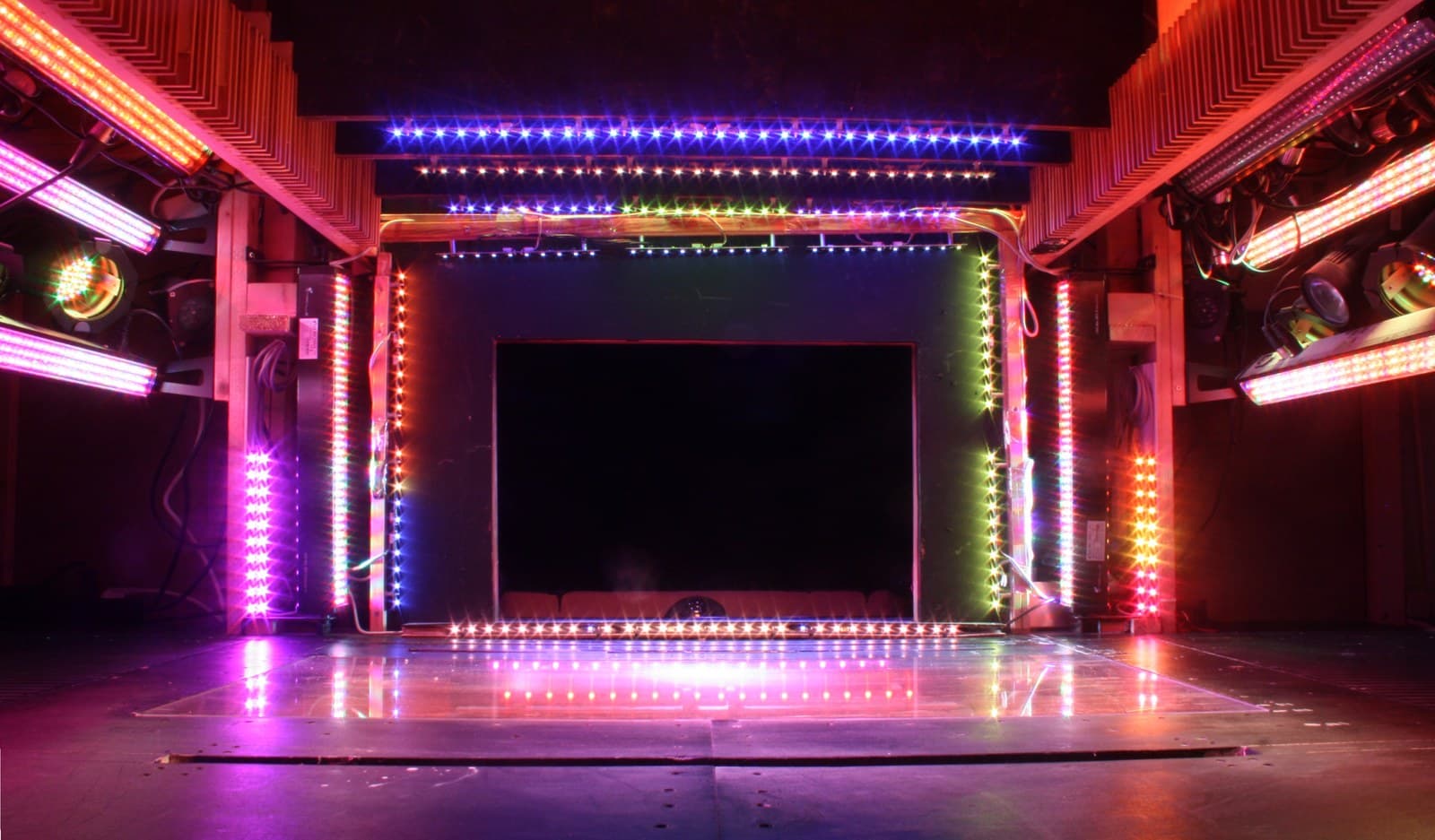
The galleries draw the foot traffic, but the museum's season of dance, music and experimental theater plays out on the McGuire's stage. The Walker is not only a place to look at objects; it is a presenting organization that commissions and hosts live work, and the McGuire is where that side of its identity lives (walkerart.org/about/performing-arts/).
The 385-seat theater, designed as a flexible European-style box rather than a traditional proscenium house, opened in April 2005 as part of the Walker's expansion. Its adaptable stage lets the museum host a solo musician one night and a full experimental troupe the next, reconfiguring around the piece instead of forcing the work into a fixed frame, which matters for artists actively testing the boundaries of their form.
Much of the program's reputation was built by Philip Bither, the Walker's senior curator of performing arts since April 1997, who oversaw the McGuire's construction and has commissioned more than 180 new works in dance, music and performance. Under that sustained curatorial vision the stage became a destination artists seek out and audiences learn to trust, arriving braced to be challenged rather than merely entertained.
For neighbors in Lowry Hill and the surrounding lakes neighborhoods, the practical draw is location: nationally touring experimental work that usually requires a trek across the city, available a short trip away and pairable with the galleries or the Minneapolis Sculpture Garden on the same evening. The published season is the place to start, at walkerart.org.
NeighborhoodLowry Hill
Related stories
Neighborhood
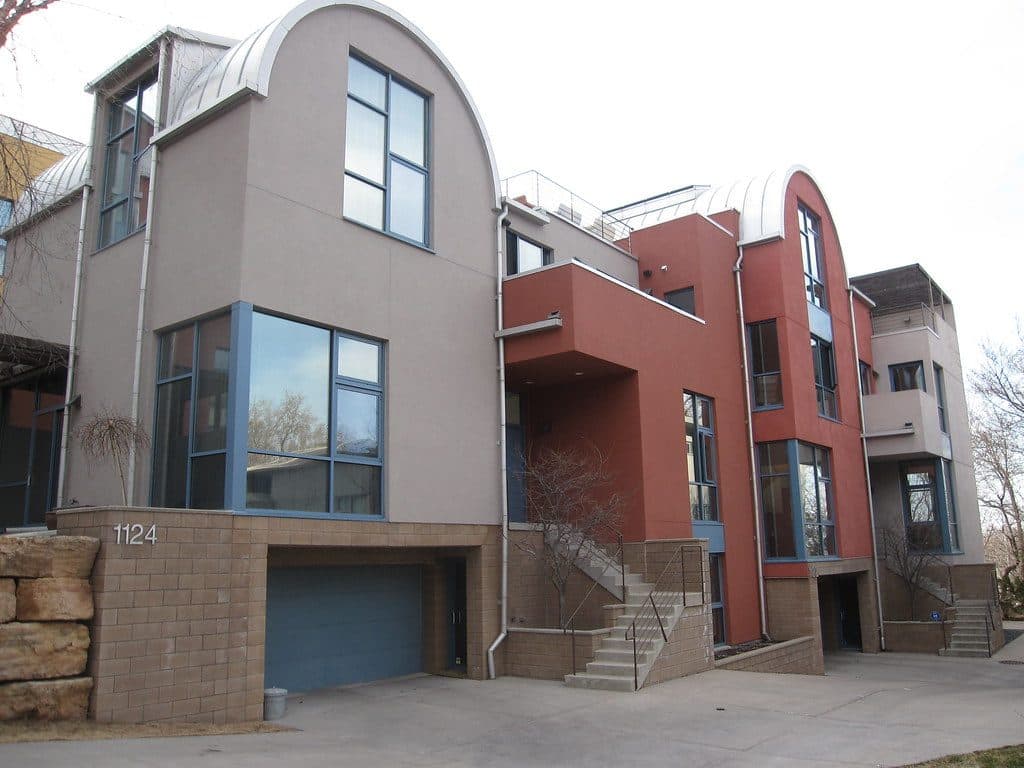
Lowry Hill and East Isles Land on Patch's List of Minnesota's Most Expensive Neighborhoods
Lowry Hill and East Isles rank among Minnesota's most expensive neighborhoods according to Patch's analysis of Niche's 2026 data.
Neighborhood
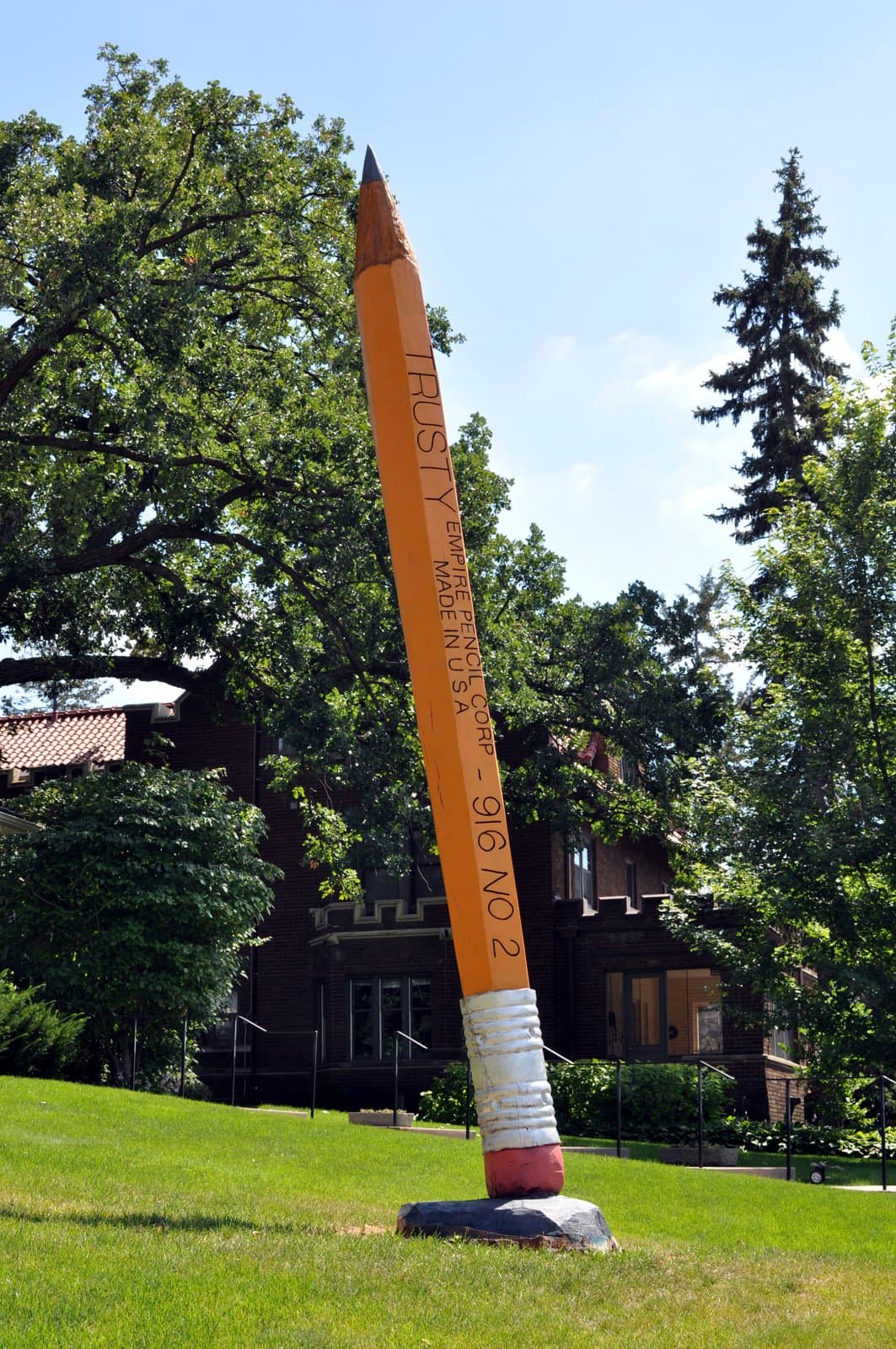
Community celebrates Lake of the Isles Pencil's 5th sharpening
Thousands gathered in East Isles on June 6, 2026, to watch the annual ceremonial sharpening of Minneapolis' giant pencil sculpture.
Neighborhood
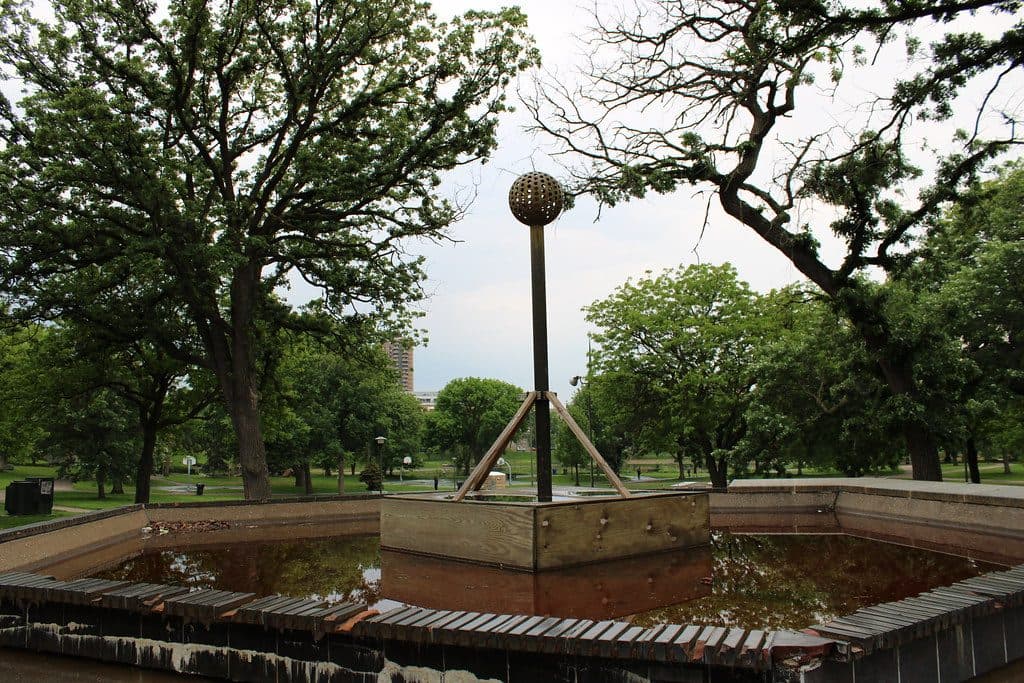
The end is in sight for Loring Park dandelion fountain's drought
State lawmakers approved $1.8 million for Berger Fountain repairs, and Park Board crews have begun demolition at the dry Loring Park landmark.
The neighborhood, in your inbox
Free. No paywall. Pick the topics you want — we send what’s happening this week.