NeighborhoodLowry Hill
A Museum and a Park Board, Sharing One Famous Garden
The Minneapolis Sculpture Garden runs on a partnership, dating to its 1988 opening, between the Walker Art Center and the Minneapolis Park and Recreation Board.
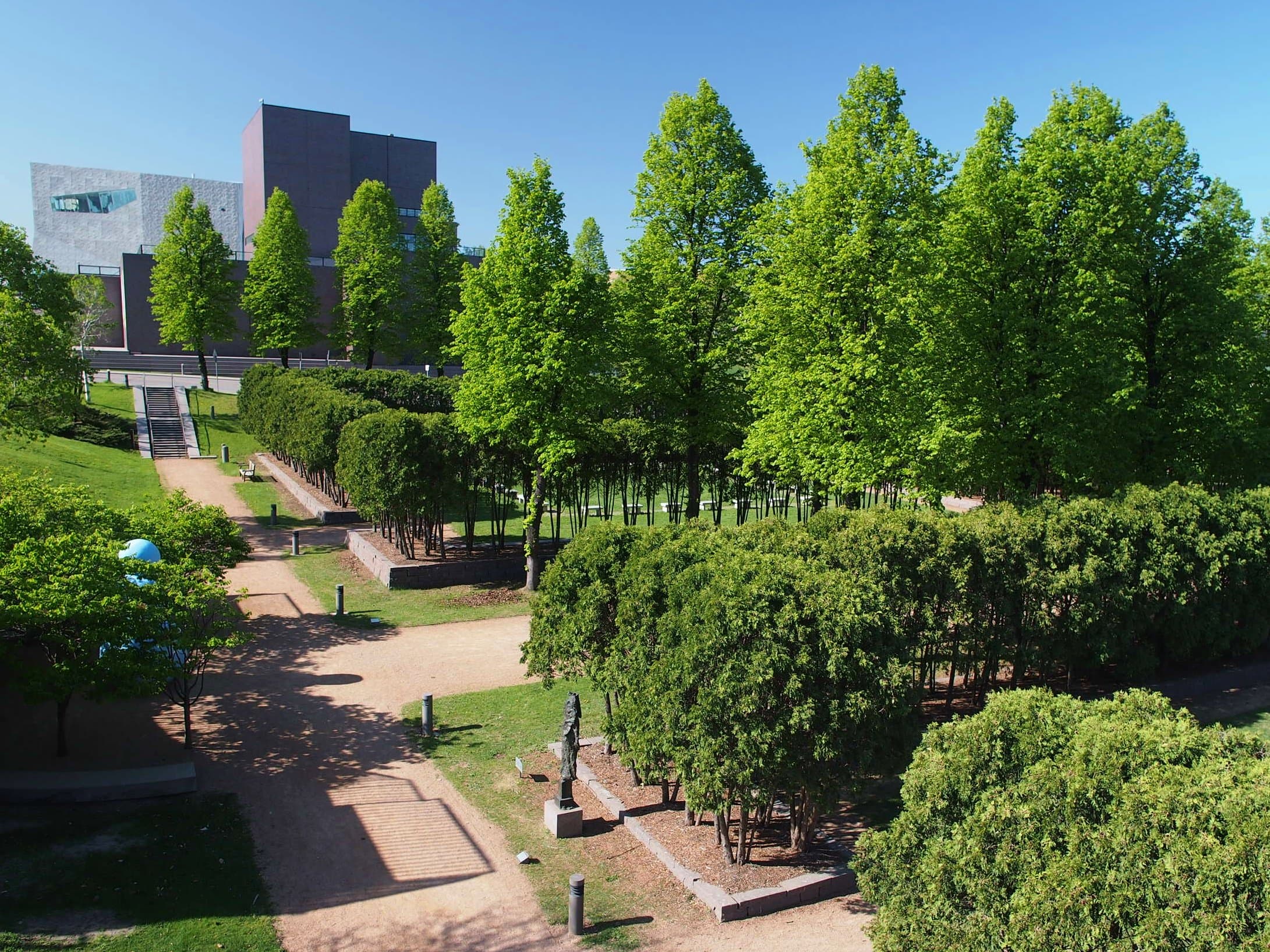
The 11-acre Minneapolis Sculpture Garden, free and open daily, exists because the Walker Art Center and the Minneapolis Park and Recreation Board agreed at its 1988 opening to split the work: the Walker supplies the art and curatorial program, and the Park Board maintains the grounds as part of the city park system.
When it opened in 1988, the garden was among the first major public-private urban sculpture parks of its kind in the United States. That structure is what allows a collection of more than 60 sculptures to sit in a public park rather than behind a museum admission desk. Details on the garden are posted by the Walker atand by the Park Board at
The arrangement held through a major test. After a roughly two-year reconstruction, the garden reopened June 10, 2017, unifying the Walker and the garden into a single 19-acre campus, with the same two institutions leading the rebuild.
The division of labor covers practical questions: who clears snow on the paths, who conserves a weathering sculpture, who decides when a work comes down. For Lowry Hill, the result is a world-class art collection that doubles as a neighborhood park, maintained by the same board that tends the area's other green spaces. Whether the model holds depends on the continued health of both partners.
NeighborhoodLowry Hill
Related stories
Neighborhood
Lowry Hill and East Isles Land on Patch's List of Minnesota's Most Expensive Neighborhoods
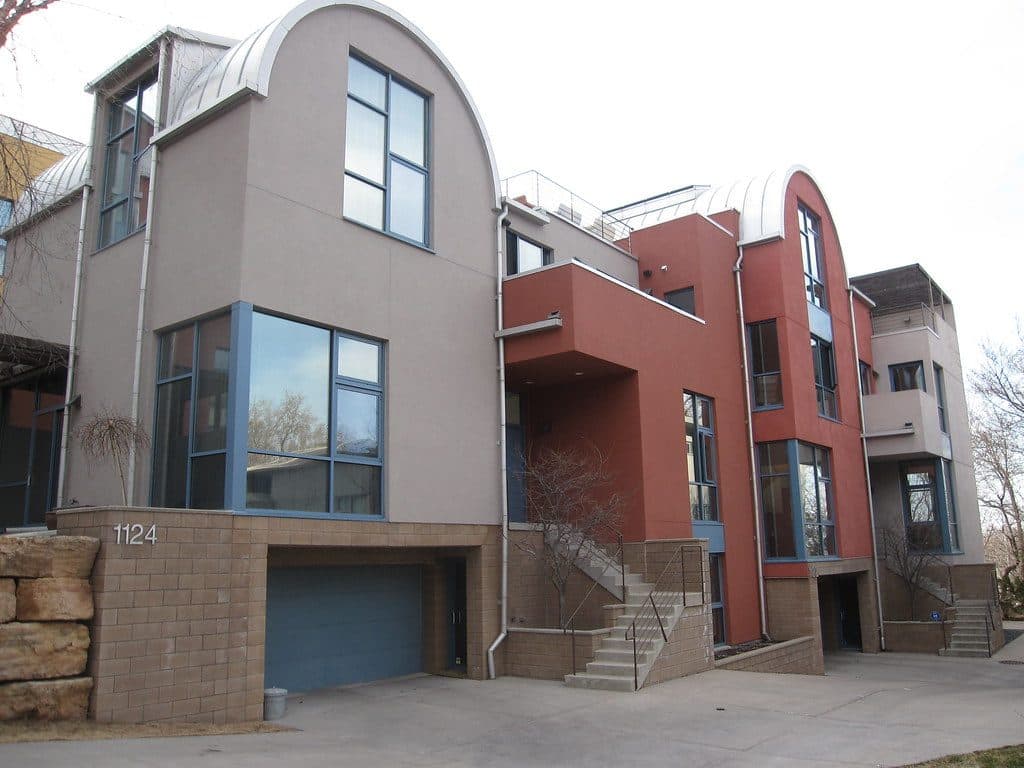
Lowry Hill and East Isles rank among Minnesota's most expensive neighborhoods according to Patch's analysis of Niche's 2026 data.
Neighborhood
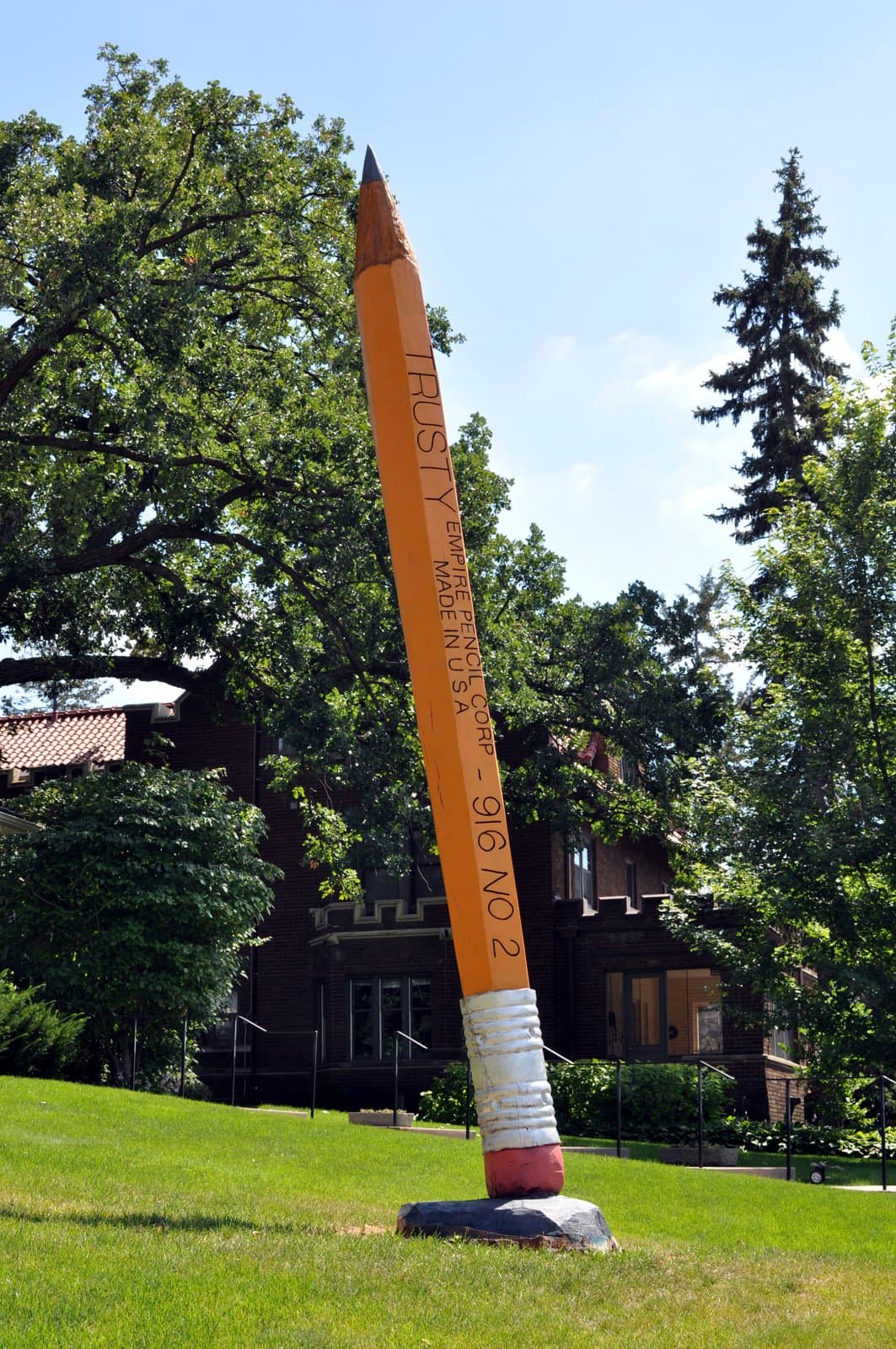
Community celebrates Lake of the Isles Pencil's 5th sharpening
Thousands gathered in East Isles on June 6, 2026, to watch the annual ceremonial sharpening of Minneapolis' giant pencil sculpture.
Neighborhood
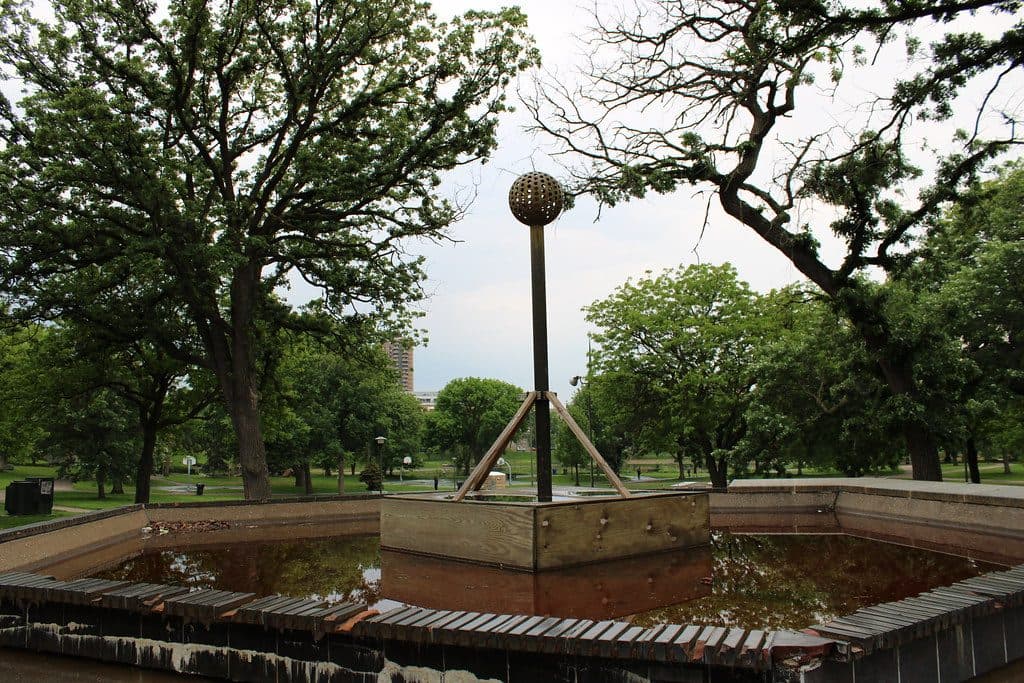
The end is in sight for Loring Park dandelion fountain's drought
State lawmakers approved $1.8 million for Berger Fountain repairs, and Park Board crews have begun demolition at the dry Loring Park landmark.
The neighborhood, in your inbox
Free. No paywall. Pick the topics you want — we send what’s happening this week.