NeighborhoodLowry Hill
The Walker Bets on Emerging Artists Alongside the Famous Names
The Walker Art Center regularly gives gallery space to artists the wider public has not caught up to, hanging their work in the same seasons as established names.
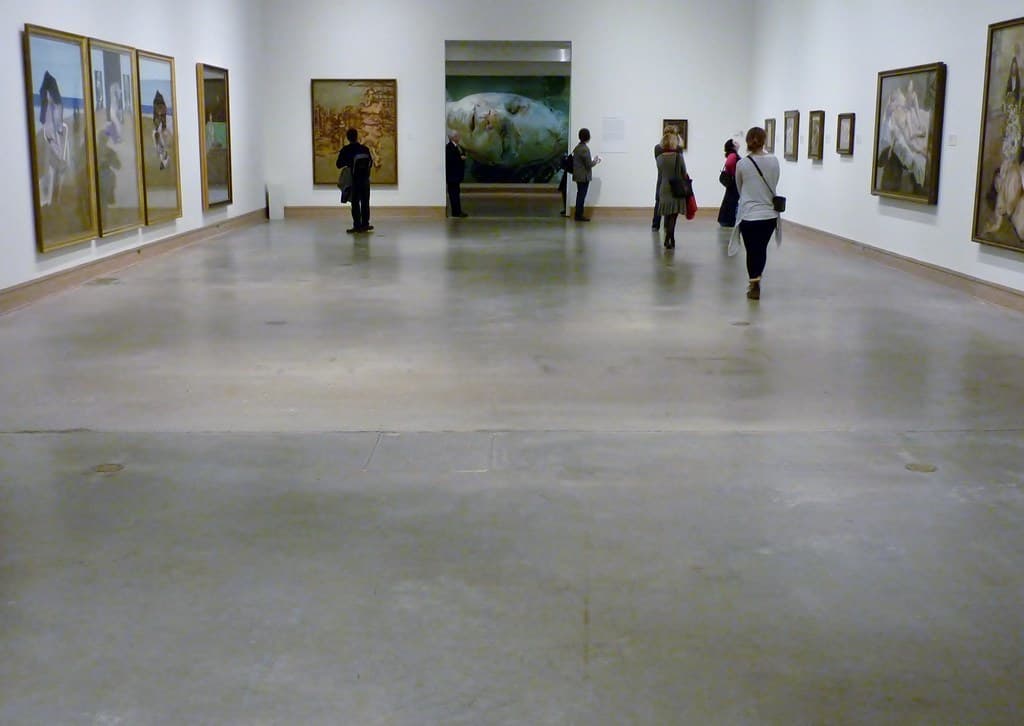
The museum's 2025 schedule paired survey-scale shows with first-time museum exhibitions: Pan Daijing's "Sudden Places" (January 16 to July 6, 2025) and Jessi Reaves's "process invented the mirror" (August 7, 2025 to January 4, 2026) were each the artist's debut museum presentation, shown alongside solo exhibitions of Kandis Williams and Dyani White Hawk. The 2026 calendar continues the mix. Twin Cities artist Rosy Simas (Seneca Nation, Heron clan) gets a Walker show, "A:gaje:gwah desa'nigoewe:nye:'," running February 12 to July 5, 2026, among the first to treat her object-making as a visual-arts practice distinct from her performance work. It runs alongside larger surveys: Christine Sun Kim's first major museum survey, "All Day All Night" (March 28 to August 30, 2026), and Suzanne Jackson's "What Is Love" (May 14 to August 23, 2026), co-organized with the San Francisco Museum of Modern Art.
Showing an unproven artist is a risk a museum does not have to take, and the Walker stakes its reputation on the judgment that the work belongs in the conversation. For the regional art scene, a show at an institution of the Walker's standing is a credential that travels, read seriously by other curators, dealers and grantmakers, and the museum's national reach pulls attention toward the studios, smaller galleries and schools that produce the next cohort. Not every emerging artist becomes a fixture, but for neighbors who visit often, the galleries function as a forecast of names the art world will be discussing in a few years.
NeighborhoodLowry Hill
Related stories
Neighborhood
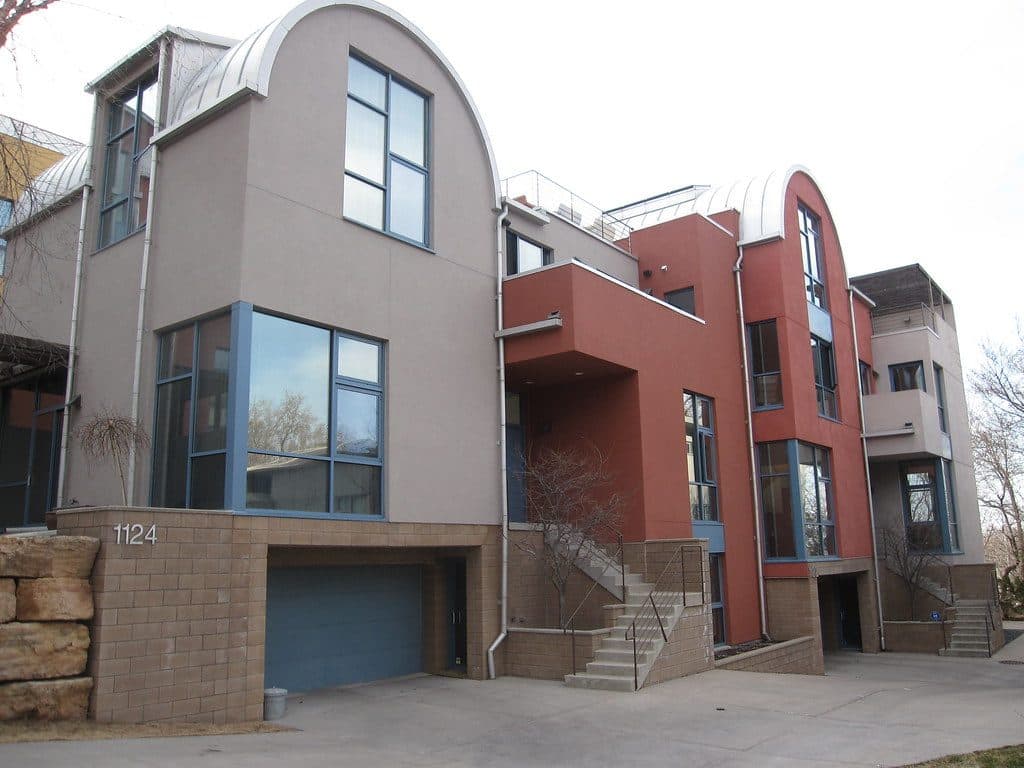
Lowry Hill and East Isles Land on Patch's List of Minnesota's Most Expensive Neighborhoods
Lowry Hill and East Isles rank among Minnesota's most expensive neighborhoods according to Patch's analysis of Niche's 2026 data.
Neighborhood
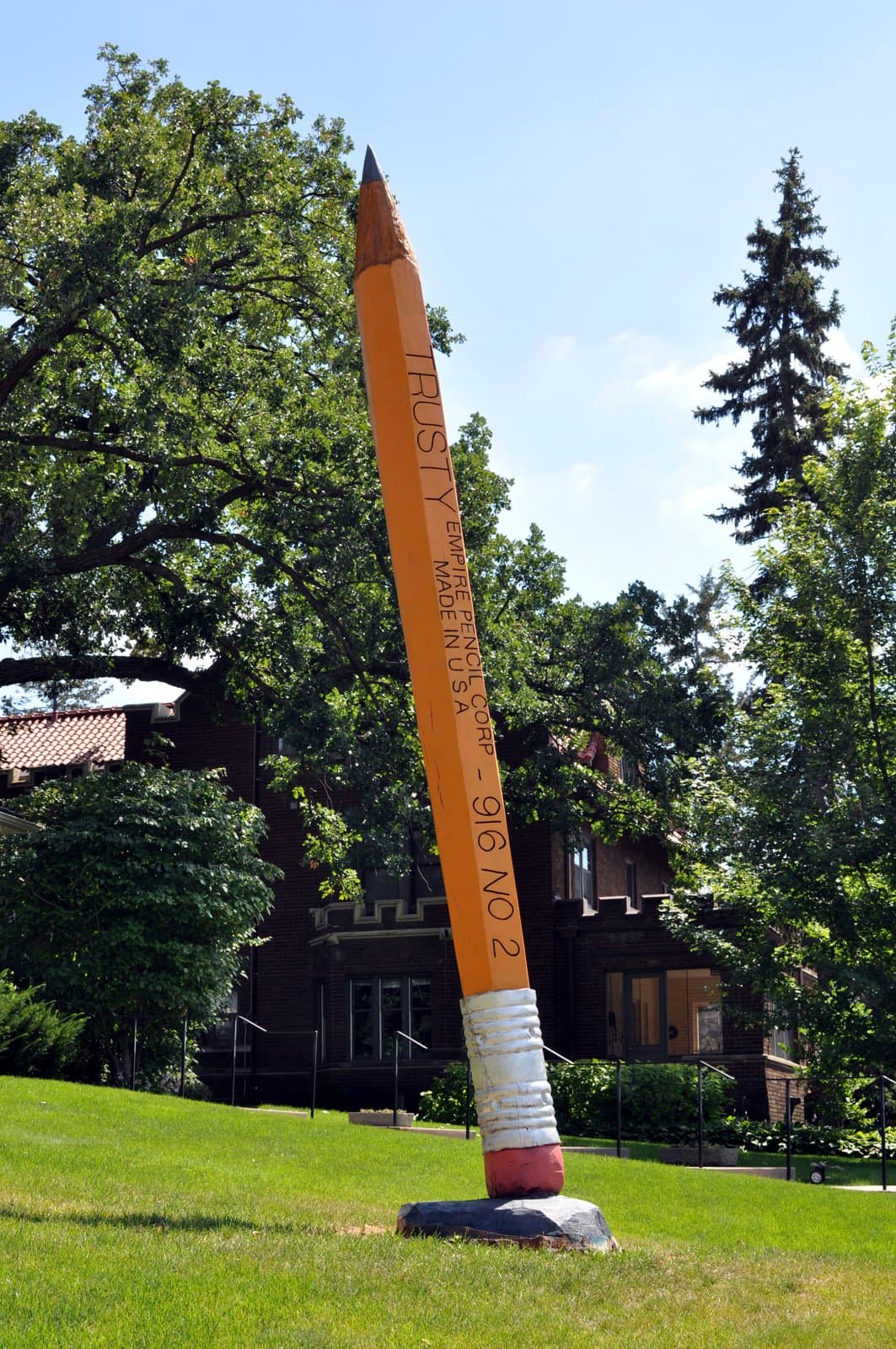
Community celebrates Lake of the Isles Pencil's 5th sharpening
Thousands gathered in East Isles on June 6, 2026, to watch the annual ceremonial sharpening of Minneapolis' giant pencil sculpture.
Neighborhood
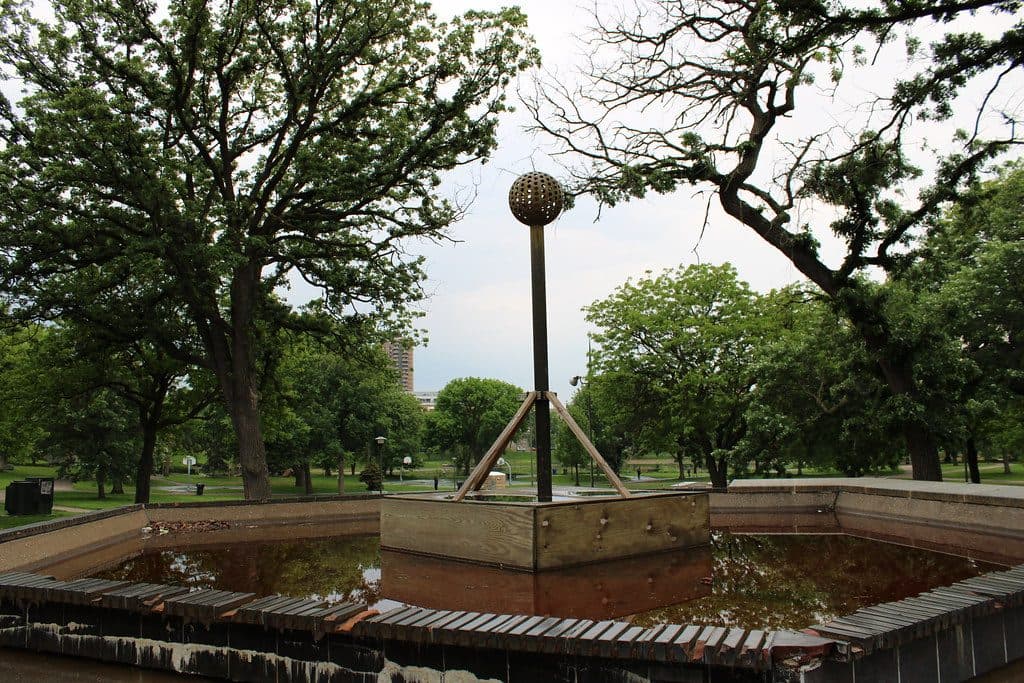
The end is in sight for Loring Park dandelion fountain's drought
State lawmakers approved $1.8 million for Berger Fountain repairs, and Park Board crews have begun demolition at the dry Loring Park landmark.
The neighborhood, in your inbox
Free. No paywall. Pick the topics you want — we send what’s happening this week.