NeighborhoodLowry Hill
Design Has a Permanent Seat at the Walker's Table
The Walker Art Center has treated graphic and industrial design as collectible art since its founding, a stance that dates to its first director and runs through its current in-house design studio.
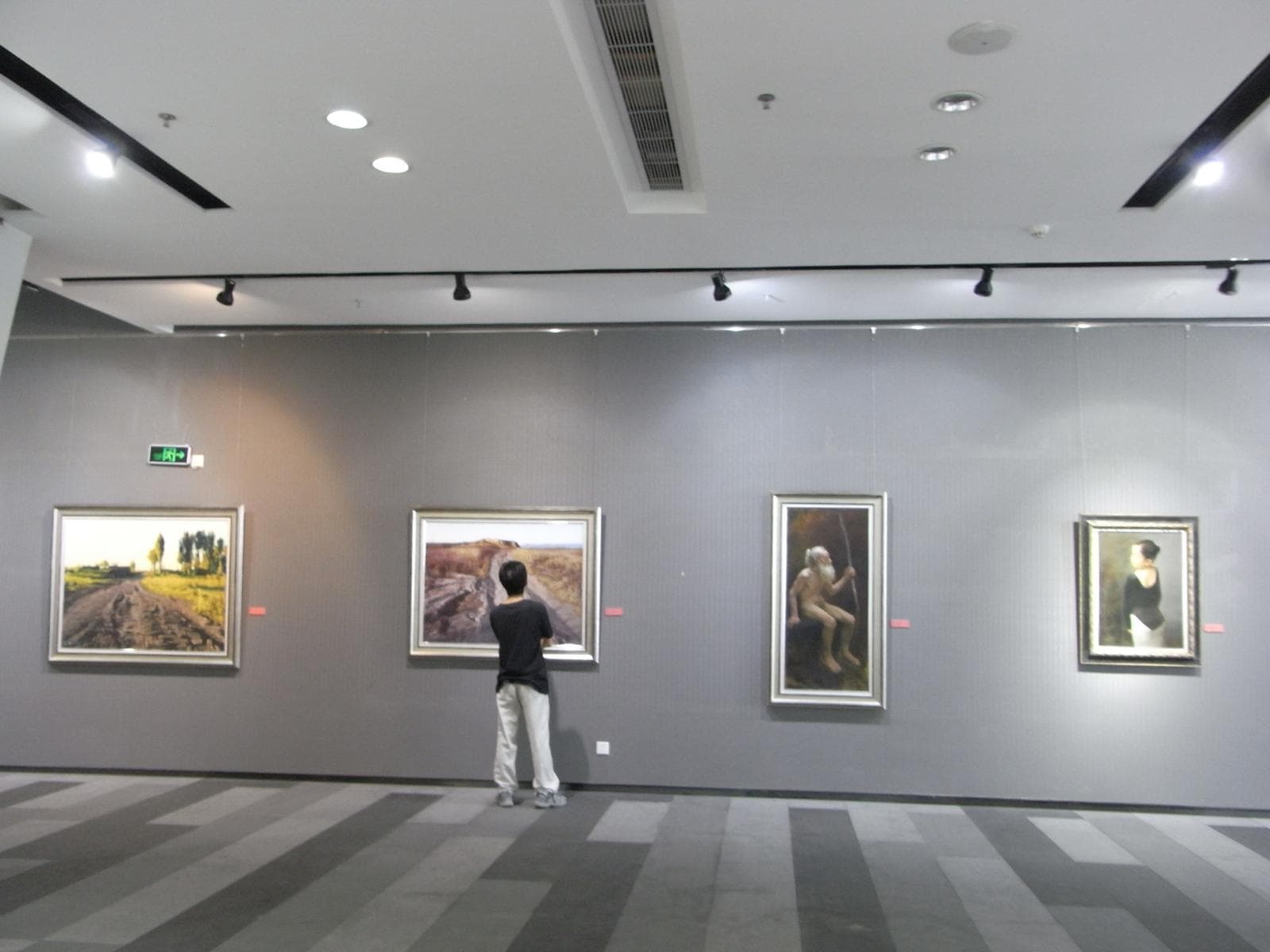
Design has been part of the Walker's program since 1940, when Daniel S. Defenbacher, a trained architect and designer, became its first director, the museum says. Early initiatives included the Idea House model homes of 1941 and 1947 and the Everyday Art Quarterly, launched in 1946 and renamed Design Quarterly, which ran as a leading design journal until 1996.
Curator Mildred Friedman shaped the design program from the late 1960s into the early 1990s, staging exhibitions on the Dutch De Stijl movement, the Herman Miller furniture company and the history of graphic design, including a 1989 survey billed at the time as the most comprehensive American show of its kind. More recent exhibitions have continued the thread, among them Graphic Design: Now in Production in 2012, Hippie Modernism in 2016 and Designs for Different Futures in 2020.
The museum also practices what it collects. The Walker's design studio produces the graphics, signage, catalogues and digital materials for its own exhibitions and programs, treating the institution's visual identity as a design project in its own right. For the designers, architects and studios concentrated in the surrounding lakes-and-hill neighborhoods, the program puts the history of their field on the walls of a museum a short walk away.
NeighborhoodLowry Hill
Related stories
Neighborhood
Lowry Hill and East Isles Land on Patch's List of Minnesota's Most Expensive Neighborhoods
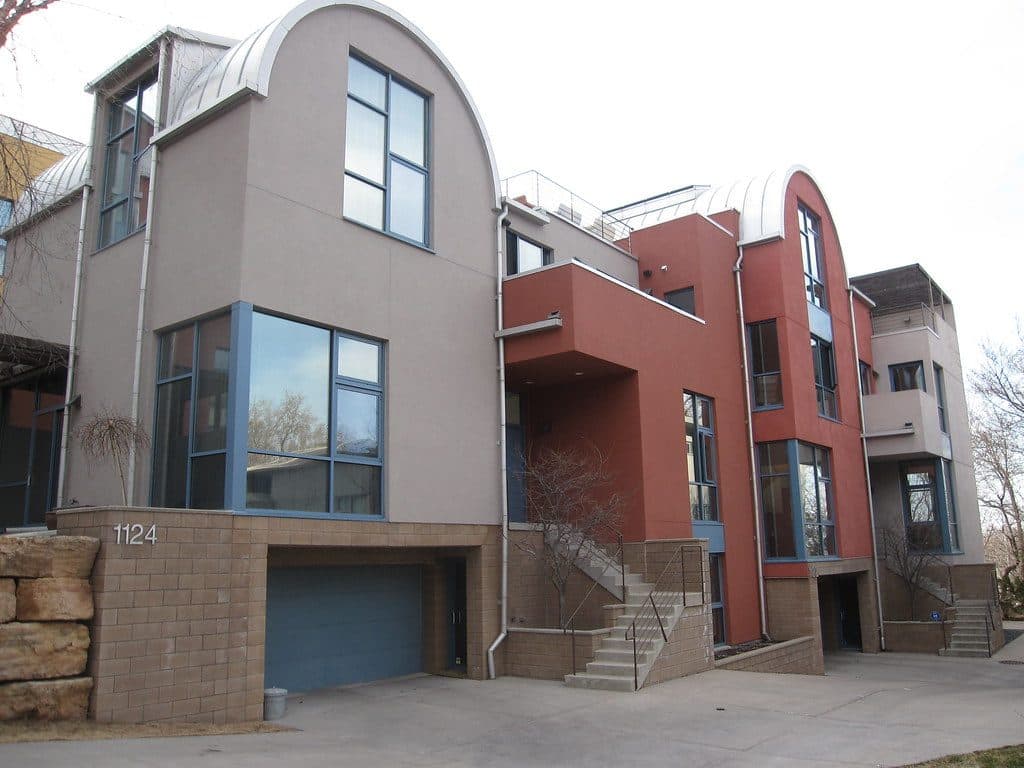
Lowry Hill and East Isles rank among Minnesota's most expensive neighborhoods according to Patch's analysis of Niche's 2026 data.
Neighborhood
Community celebrates Lake of the Isles Pencil's 5th sharpening
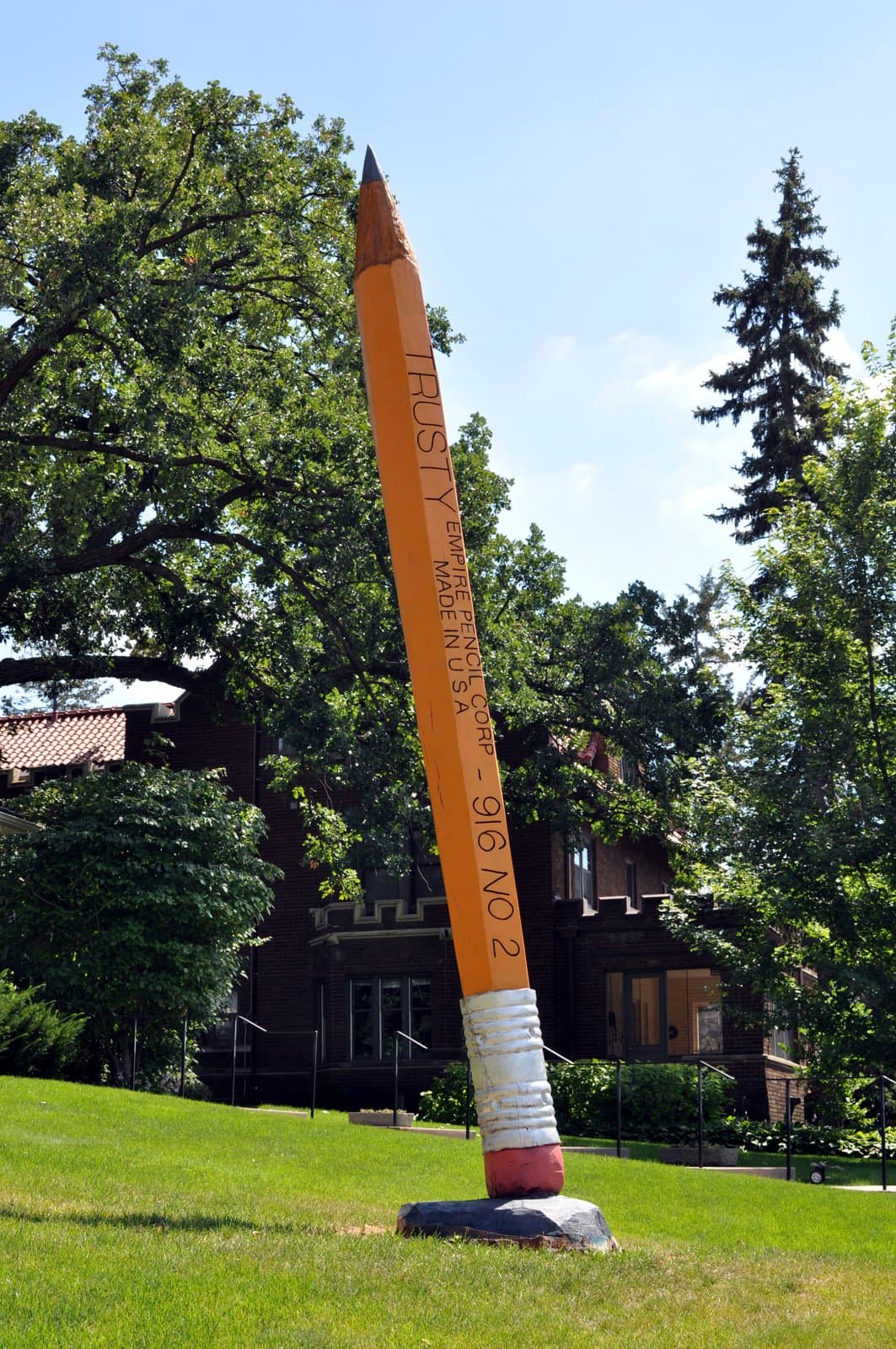
Thousands gathered in East Isles on June 6, 2026, to watch the annual ceremonial sharpening of Minneapolis' giant pencil sculpture.
Neighborhood
The end is in sight for Loring Park dandelion fountain's drought
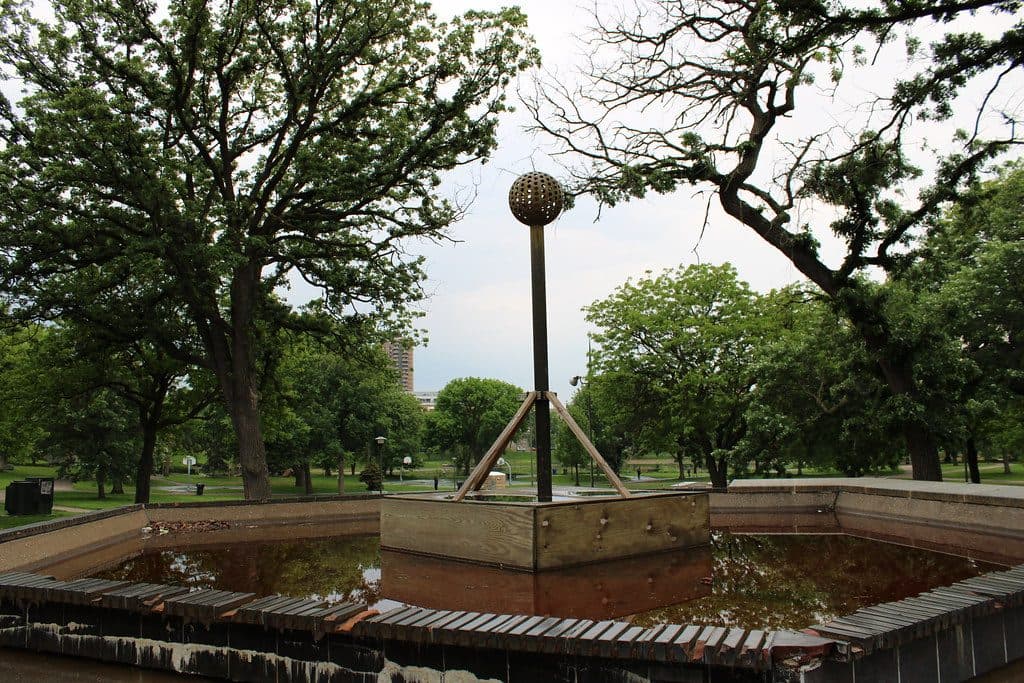
State lawmakers approved $1.8 million for Berger Fountain repairs, and Park Board crews have begun demolition at the dry Loring Park landmark.
The neighborhood, in your inbox
Free. No paywall. Pick the topics you want — we send what’s happening this week.