NeighborhoodLowry Hill
Since 1988, Millions Have Walked the Sculpture Garden
The Minneapolis Sculpture Garden has drawn millions of visitors to the foot of Lowry Hill since it opened in 1988, and it still admits anyone free, every day.
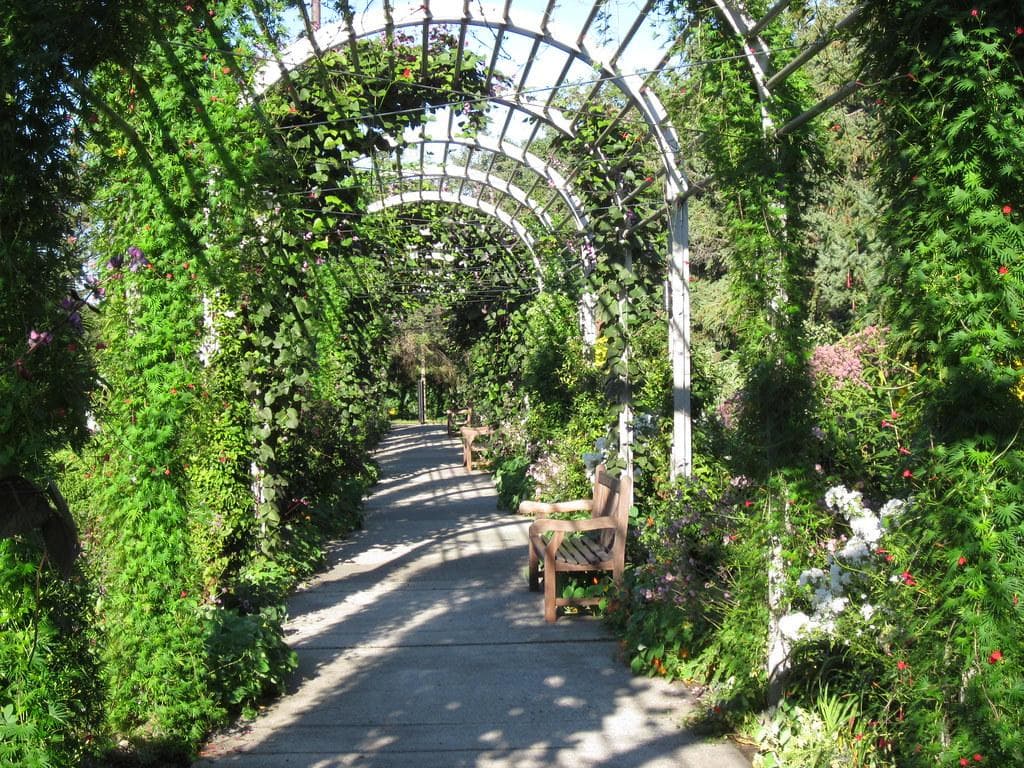
The Minneapolis Sculpture Garden opened in September 1988 at the foot of Lowry Hill, one of the first major urban sculpture parks of its kind in the United States, and it has drawn millions of visitors in the decades since.
Its anchor, Claes Oldenburg and Coosje van Bruggen's "Spoonbridge and Cherry," was set in place by two cranes on May 9, 1988, funded by a $500,000 gift from collector Frederick R. Weisman. The 11-acre garden now holds more than 60 works by artists including Alexander Calder, Theaster Gates and Angela Two Stars. By the time the Park Board reconstructed the grounds in 2017, the Garden had logged more than 9 million visitors.
The endurance rests on a formula that is simple to describe and hard to hold together: well-known art, a free public setting, daily access and a rotating program that gives repeat visitors a reason to return. The arrangement behind it helps. The Garden is run jointly by the Walker Art Center, which supplies the curatorial reach, and the Minneapolis Park and Recreation Board, which maintains it as a public park.
For the neighborhood, the milestone is a point of pride that comes with a standing invitation: nearly four decades on, the gates are still open every day, at no charge, to anyone who wants to walk in.
NeighborhoodLowry Hill
Related stories
Neighborhood
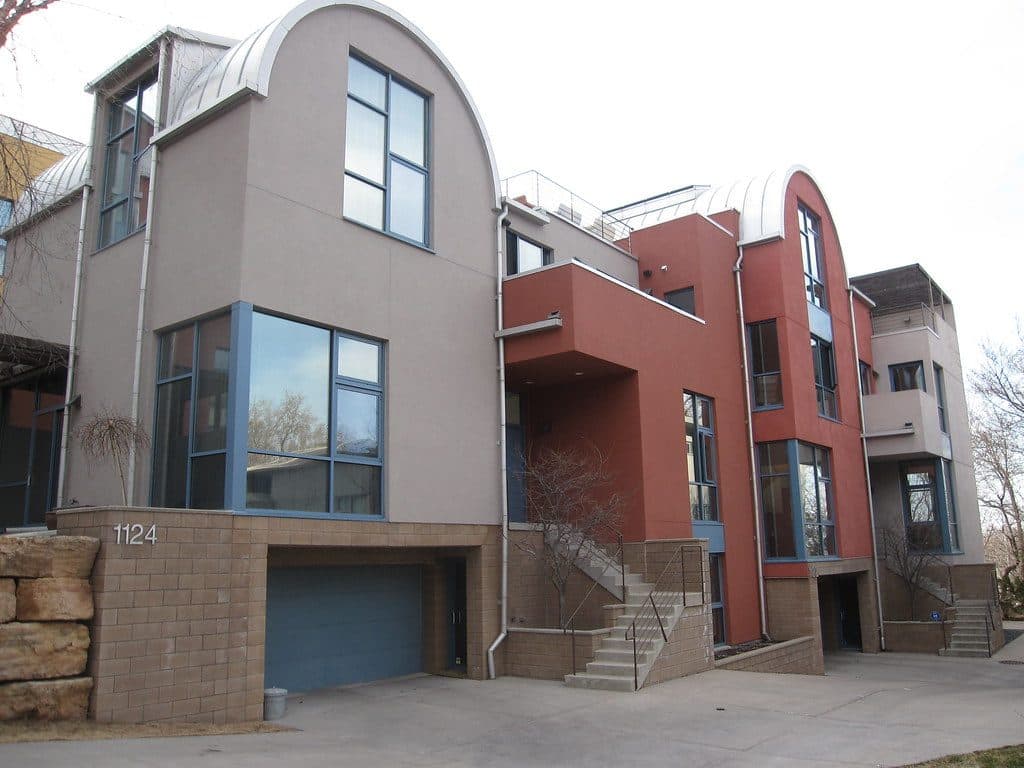
Lowry Hill and East Isles Land on Patch's List of Minnesota's Most Expensive Neighborhoods
Lowry Hill and East Isles rank among Minnesota's most expensive neighborhoods according to Patch's analysis of Niche's 2026 data.
Neighborhood
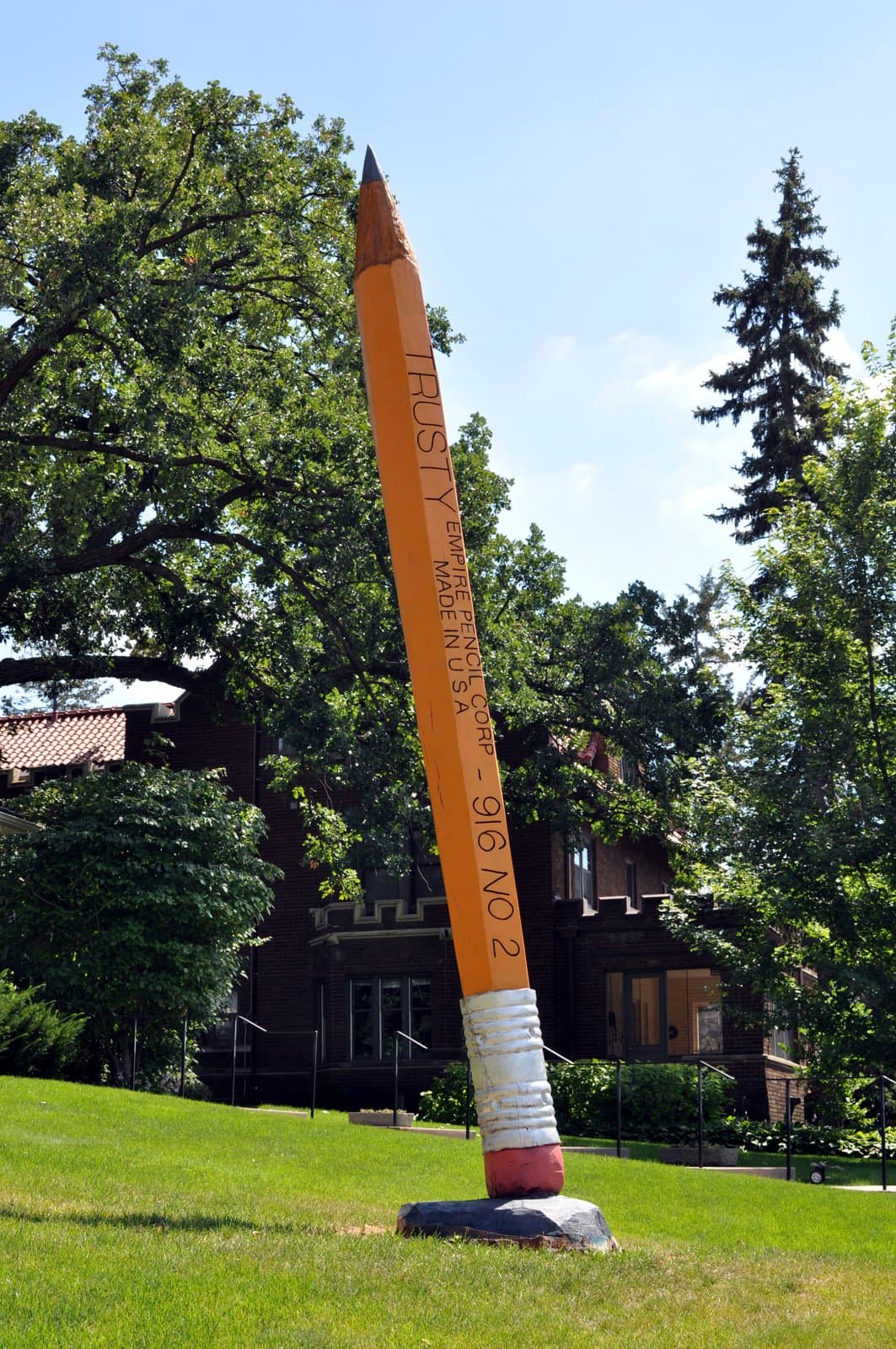
Community celebrates Lake of the Isles Pencil's 5th sharpening
Thousands gathered in East Isles on June 6, 2026, to watch the annual ceremonial sharpening of Minneapolis' giant pencil sculpture.
Neighborhood
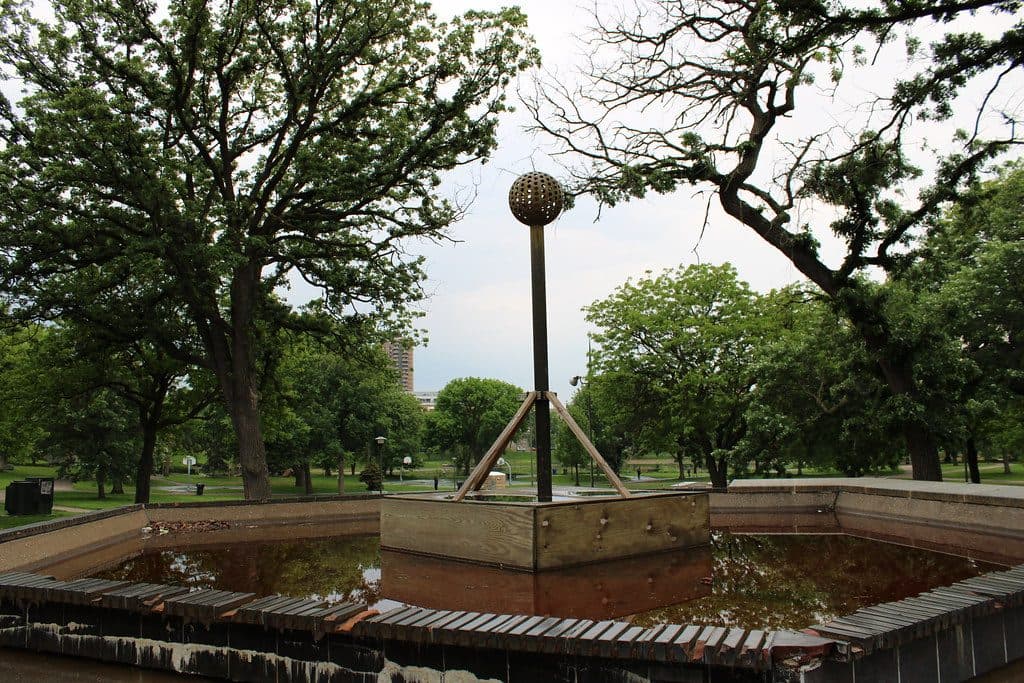
The end is in sight for Loring Park dandelion fountain's drought
State lawmakers approved $1.8 million for Berger Fountain repairs, and Park Board crews have begun demolition at the dry Loring Park landmark.
The neighborhood, in your inbox
Free. No paywall. Pick the topics you want — we send what’s happening this week.