NeighborhoodLowry Hill
How the Garden Became a Top Stop for Visitors to the State
The free Minneapolis Sculpture Garden at the foot of Lowry Hill draws visitors from across the region to a park many neighbors treat as routine.
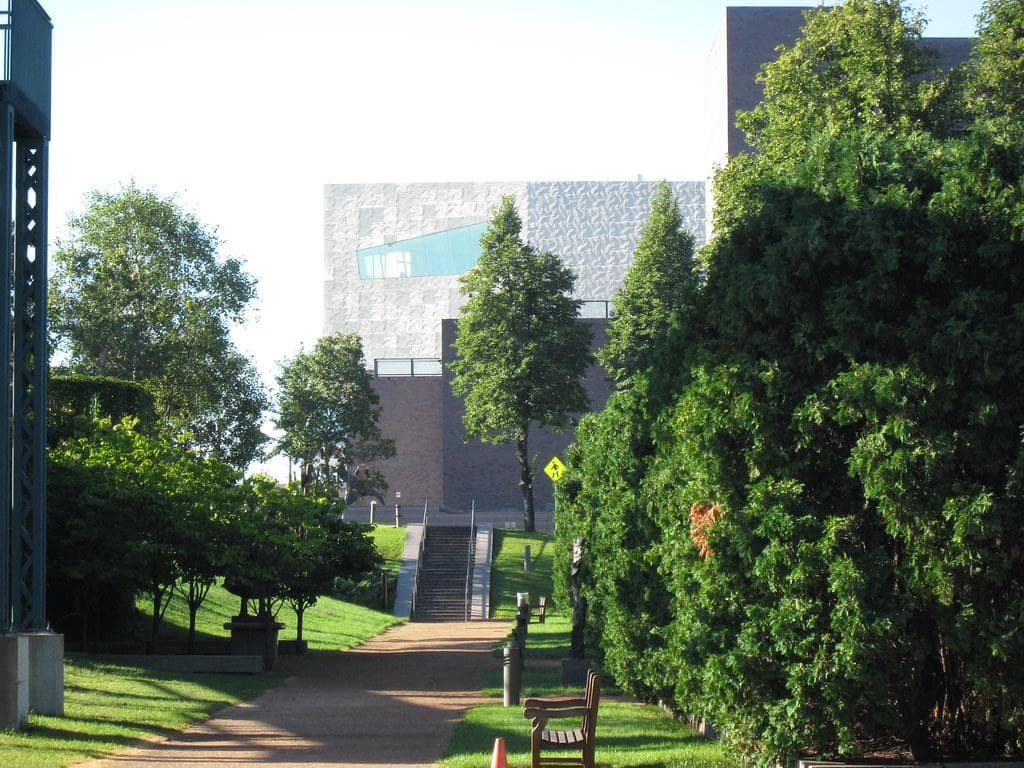
The 11-acre garden, which opened in 1988 and was rebuilt in 2016 and 2017 for better stormwater management, holds more than 60 works by artists including Alexander Calder, Theaster Gates and Angela Two Stars, anchored by Claes Oldenburg and Coosje van Bruggen's "Spoonbridge and Cherry" (1985-1988), one of the most photographed sculptures in the country. It is free and open every day from 6 a.m. to midnight, with no ticket to buy or time slot to reserve.
The Walker Art Center, which operates the garden with the Minneapolis Park and Recreation Board, calls it the largest urban sculpture garden in the United States and one of the Midwest's most visited sites. For a visitor with a single free afternoon, the combination is unusual: well-known public art, no admission, an accessible walking route and the downtown skyline behind it in every season.
That steady traffic ripples through the neighborhood. The Walker's restaurant and shop and nearby businesses draw on the flow of visitors, and a free attraction still generates meals, parking and return trips that help sustain the cultural anchor at the neighborhood's edge. The cost side is the familiar one for any district built around a destination: busier paths and fuller parking lots on a summer Saturday.
For residents, the trade runs mostly in their favor, because the same all-season park visitors travel for is open to neighbors at the hours tourists miss. The Spoonbridge fountain runs in warm months; the lawns hold snow in winter. The advantage of living next to a destination is the ability to use it on a schedule only a local can keep.
NeighborhoodLowry Hill
Related stories
Neighborhood
Lowry Hill and East Isles Land on Patch's List of Minnesota's Most Expensive Neighborhoods
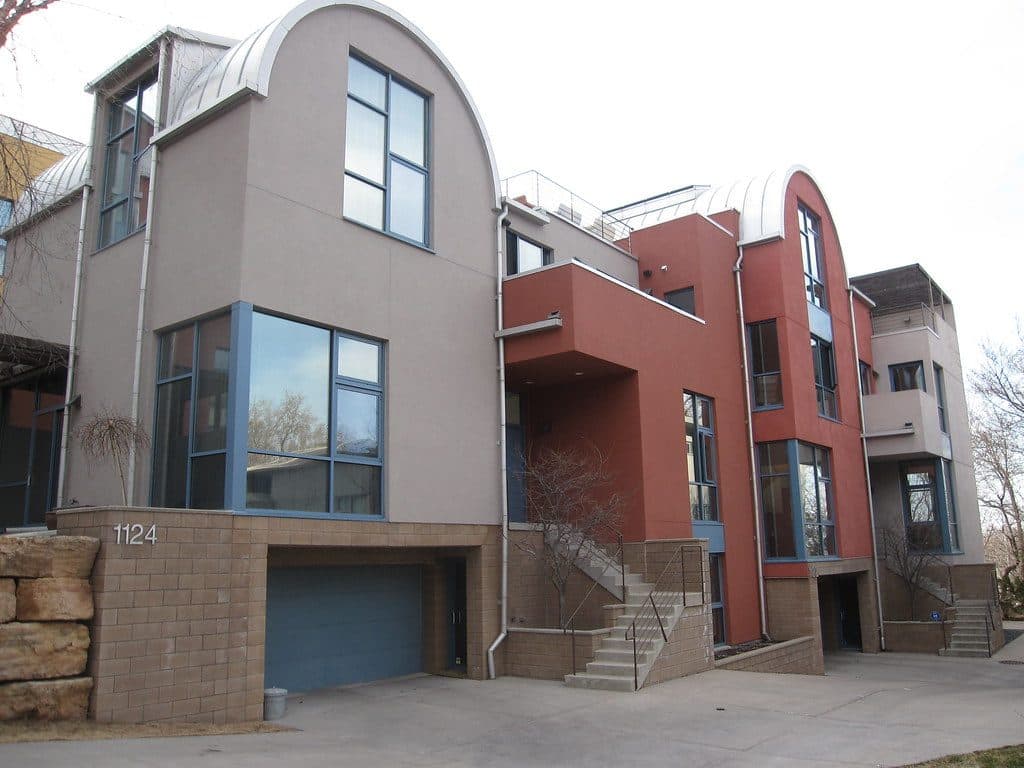
Lowry Hill and East Isles rank among Minnesota's most expensive neighborhoods according to Patch's analysis of Niche's 2026 data.
Neighborhood
Community celebrates Lake of the Isles Pencil's 5th sharpening
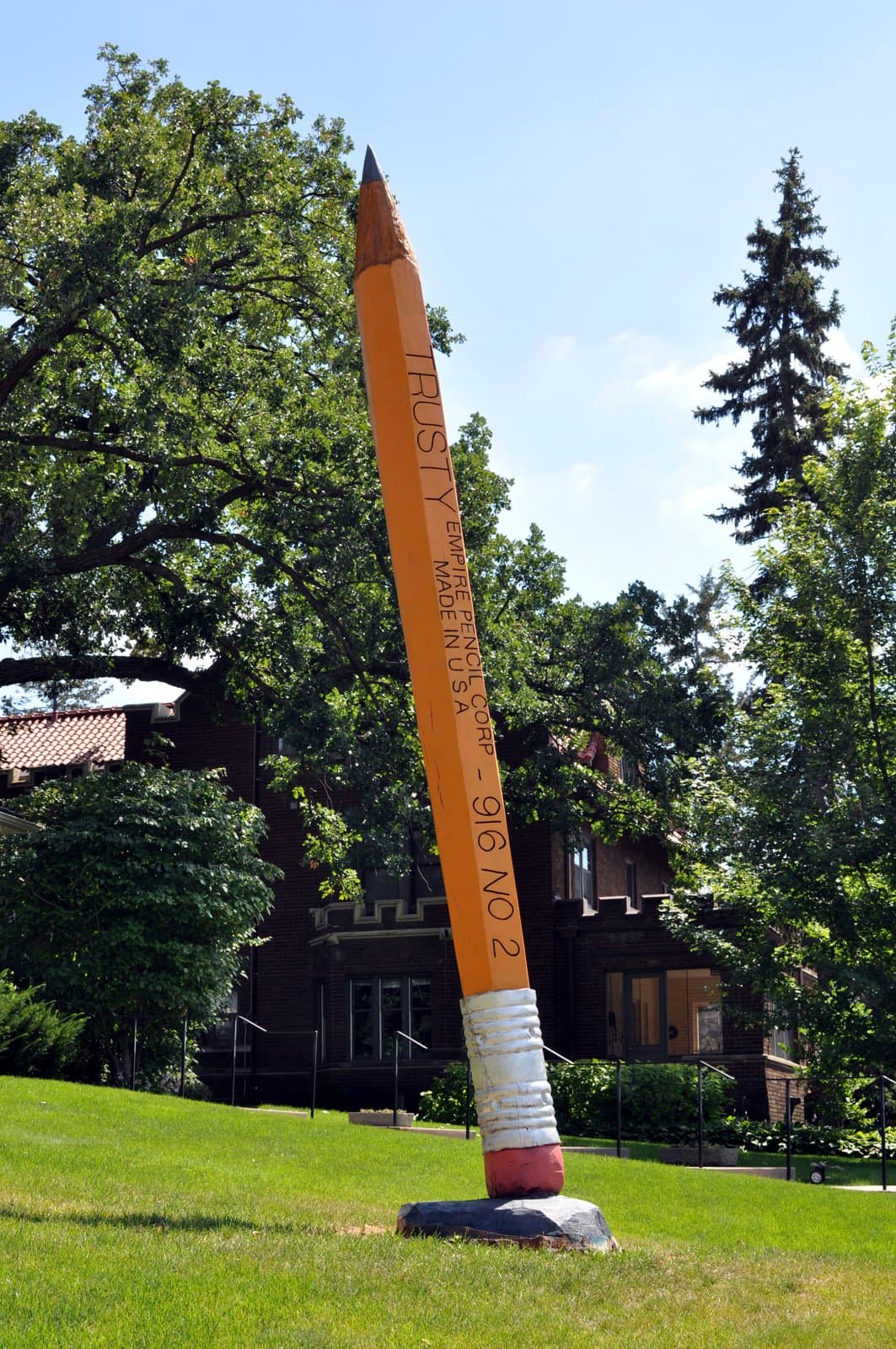
Thousands gathered in East Isles on June 6, 2026, to watch the annual ceremonial sharpening of Minneapolis' giant pencil sculpture.
Neighborhood
The end is in sight for Loring Park dandelion fountain's drought
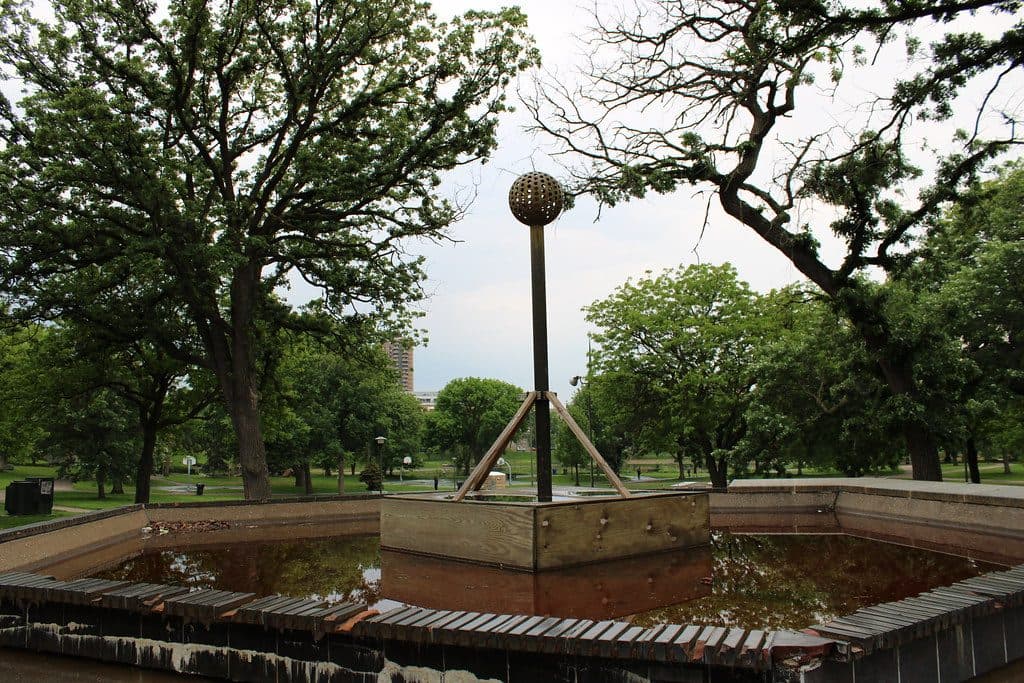
State lawmakers approved $1.8 million for Berger Fountain repairs, and Park Board crews have begun demolition at the dry Loring Park landmark.
The neighborhood, in your inbox
Free. No paywall. Pick the topics you want — we send what’s happening this week.