NeighborhoodGreater Uptown & Nearby
City Awards $753,000 to Fill Empty Storefronts in Uptown and Downtown
Eight artists and entrepreneurs will turn vacant retail into a folk school, a recording studio and more.
Rent as the lever
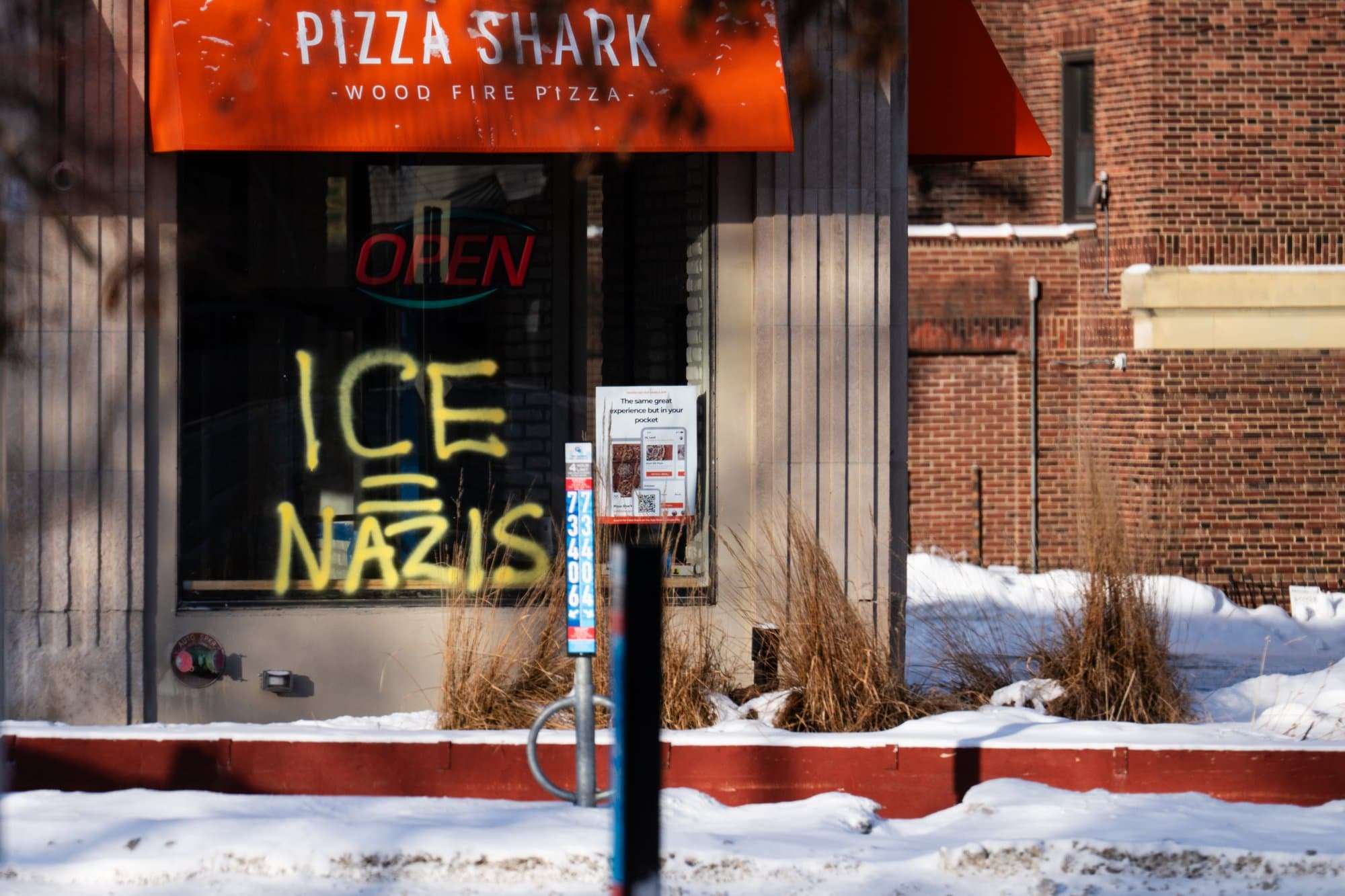
The city's bet is straightforward: the biggest barrier to filling a vacant storefront is rent, so the Vibrant Storefronts Initiative pays it down. This round directs nearly $753,000 to eight local artists and creative entrepreneurs who will move into long-empty retail spaces in Uptown and downtown, converting dark windows into working studios, shops and gathering places that the market alone had failed to fill.
Launched in 2024 by the city's Arts & Cultural Affairs department, the program treats persistent vacancy not as an inevitability but as a problem a targeted subsidy can solve. By covering a meaningful share of the cost that keeps creative tenants out of prime ground-floor space, the city aims to lower the risk of taking a lease on a struggling corridor.
Who's moving in
The recipients are not national chains but local makers and small ventures — the kind of tenants who bring foot traffic, programming and a sense of activity that a closed storefront cannot. Past and planned uses have ranged from a folk school to a recording studio, businesses that draw people in for classes, events and creative work rather than a single transaction.
That mix is deliberate. A creative tenant tends to generate activity beyond its own door — students arriving for a workshop, audiences for a performance, browsers drawn by a window worth looking into — and that activity is precisely what a corridor with too many empty storefronts needs to feel alive again.
An empty storefront is dead space on a sidewalk. A subsidized one full of artists is a reason to walk the block.— the logic behind the Vibrant Storefronts Initiative
Why vacancy is so stubborn
Ground-floor vacancies are among the hardest problems a commercial district faces. A dark window signals decline, discourages the next tenant and depresses the whole block's appeal, creating a feedback loop that can be difficult to break with private capital alone. Rents set in better times often remain too high for the businesses willing to take a chance, leaving spaces empty for years.
Public subsidy is one way to interrupt that loop. By bridging the gap between what a creative tenant can pay and what a landlord expects, the city hopes to seed enough activity that the corridor becomes attractive on its own — at which point the subsidy can step back.
A model under watch
The initiative is also an experiment in how a city revives commercial corridors. If subsidized creative tenants prove to be durable anchors that draw further investment, the approach could become a template; if the spaces empty again once the funding ends, critics will question whether the money simply delayed the inevitable. The eight new tenants are, in that sense, a test case as much as a relief effort.
Either way, the program reflects a recognition that markets do not always heal struggling districts on their own, and that the cost of doing nothing — block after block of dead frontage — carries its own price for a neighborhood's economy and morale.
Arts as economic strategy
Using artists and creative entrepreneurs as the tip of the spear is a deliberate choice. Creative tenants tend to be willing to take on imperfect, lower-cost spaces, they bring foot traffic through classes and events, and they signal the kind of cultural energy that makes a district feel worth visiting. Cities across the country have leaned on the arts to jump-start commercial corridors for exactly those reasons.
The approach also stretches a limited budget. Nearly $753,000 spread across eight tenants is modest against the scale of Uptown and downtown vacancies, but by targeting it at high-visibility ground-floor spaces and tenants who generate their own activity, the city aims for an impact larger than the dollar figure — turning each grant into a small magnet for the blocks around it.
What's next
As the eight tenants move in, the measure of success will be whether their presence sparks the broader activity the program is betting on. For Uptown and downtown, each filled storefront is a small, visible win in the long work of convincing residents, shoppers and other businesses that the corridors are coming back — one lit window at a time.
NeighborhoodGreater Uptown & Nearby
Related stories
Neighborhood
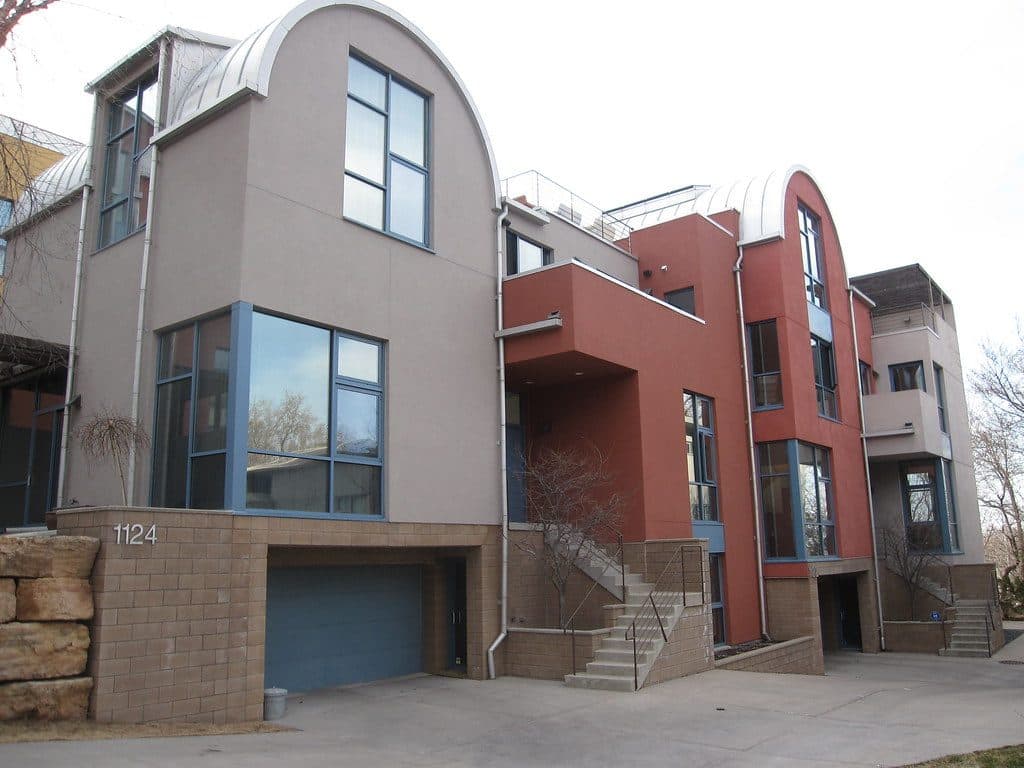
Lowry Hill and East Isles Land on Patch's List of Minnesota's Most Expensive Neighborhoods
Lowry Hill and East Isles rank among Minnesota's most expensive neighborhoods according to Patch's analysis of Niche's 2026 data.
Neighborhood
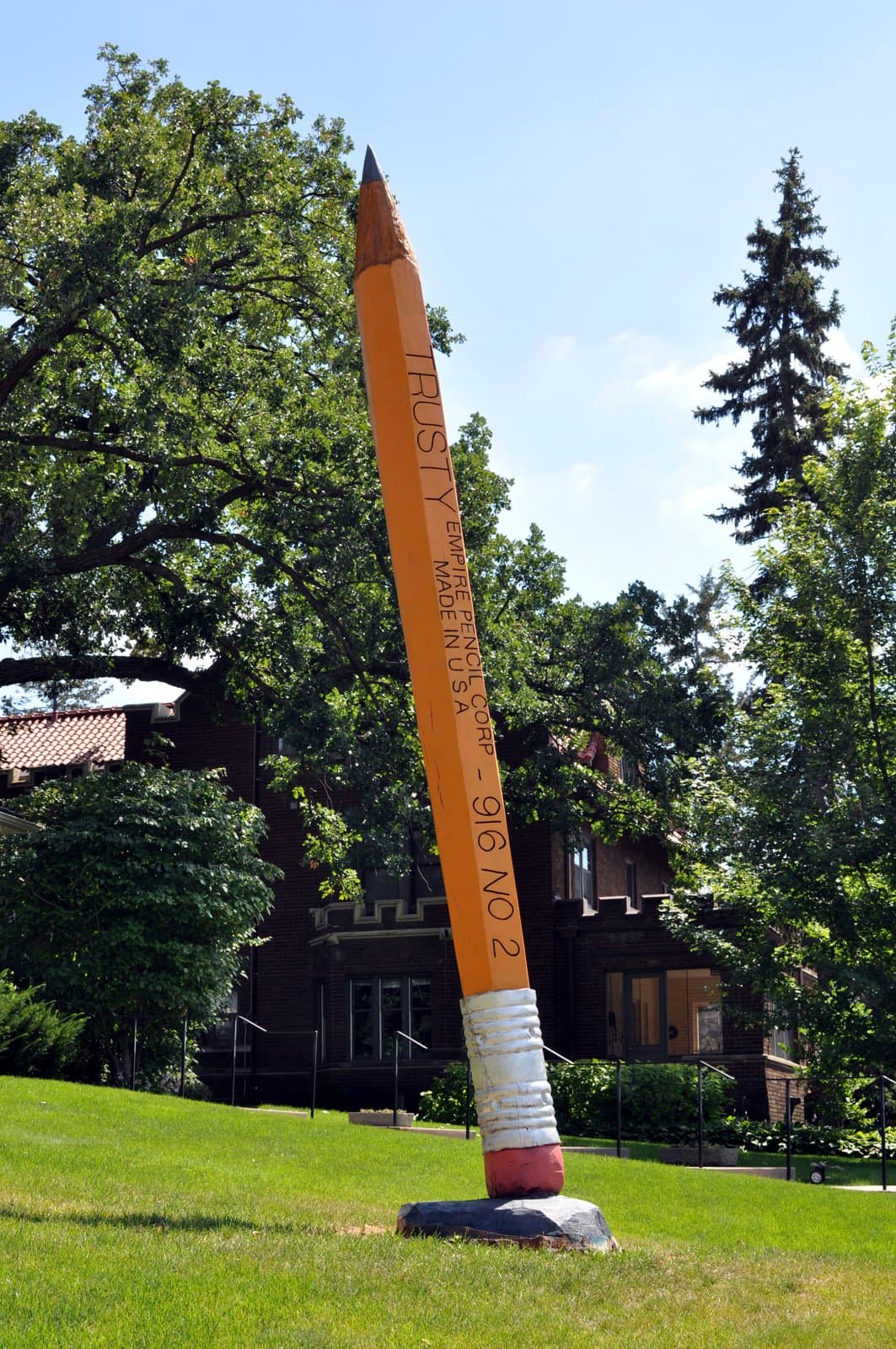
Community celebrates Lake of the Isles Pencil's 5th sharpening
Thousands gathered in East Isles on June 6, 2026, to watch the annual ceremonial sharpening of Minneapolis' giant pencil sculpture.
Neighborhood
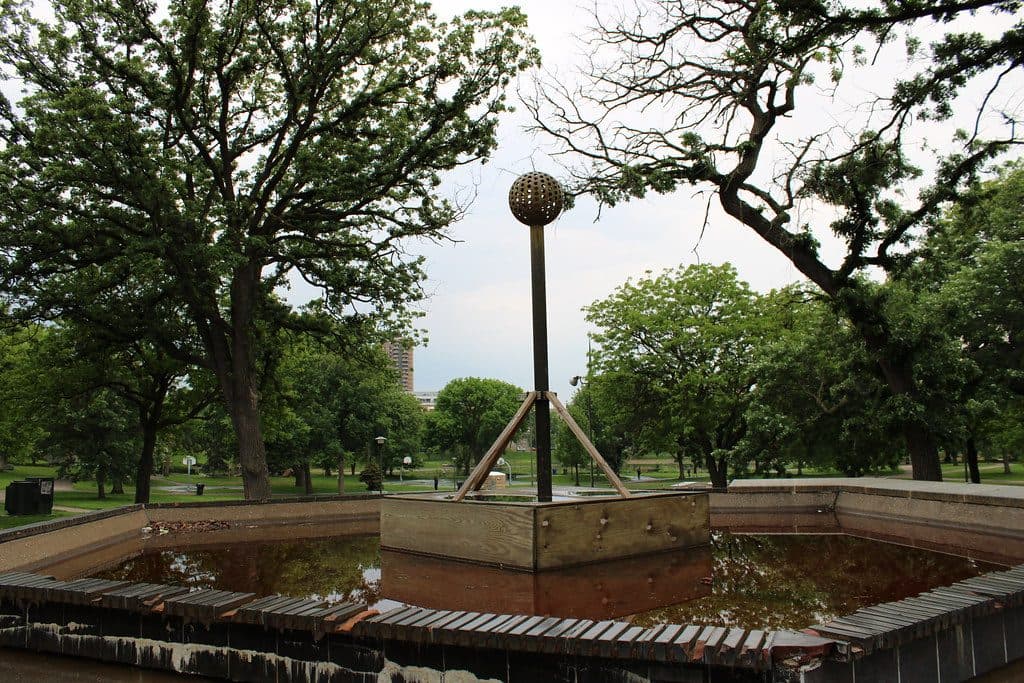
The end is in sight for Loring Park dandelion fountain's drought
State lawmakers approved $1.8 million for Berger Fountain repairs, and Park Board crews have begun demolition at the dry Loring Park landmark.
The neighborhood, in your inbox
Free. No paywall. Pick the topics you want — we send what’s happening this week.