NeighborhoodGreater Uptown & Nearby
City Opens Bidding for the Former Lake Street Kmart Site
The Minneapolis City Council awarded Trellis exclusive rights to build the first phase of the New Nicollet redevelopment at the former Kmart site at Lake Street and Nicollet Avenue.

The city has selected the Minneapolis nonprofit developer Trellis to lead the first phase of the New Nicollet redevelopment at Lake Street and Nicollet Avenue, the site of the old Kmart that for decades sat astride a severed stretch of Nicollet. The city issued its request for proposals for the 10-acre site on Oct. 6, 2025, and proposals were due Jan. 6, 2026.
Trellis's Phase 1 plan calls for 119 affordable rental apartments, all priced for households at 30, 50 or 60 percent of area median income, with units ranging from one to four bedrooms. Thirteen apartments would serve residents experiencing homelessness and eleven would be reserved for people with disabilities. The plan also includes about 40,000 square feet for the Boys and Girls Clubs of the Twin Cities, 5,000 square feet of commercial space and space for the Park Board, plus parking. Financing and design are expected to take roughly three to five years before construction begins.
The redevelopment is tied to the reopening of Nicollet Avenue, which the Kmart blocked for decades. Crews began reconnecting the avenue between Lake Street and Cecil Newman Lane, with the reconnection targeted for 2026.
The project is guided by the New Nicollet Development Framework, which the mayor and City Council approved in May 2025. The framework calls for housing, retail and public space shaped around the surrounding neighborhood rather than a single large tenant, the arrangement the Kmart came to represent.
NeighborhoodGreater Uptown & Nearby
Related stories
Neighborhood
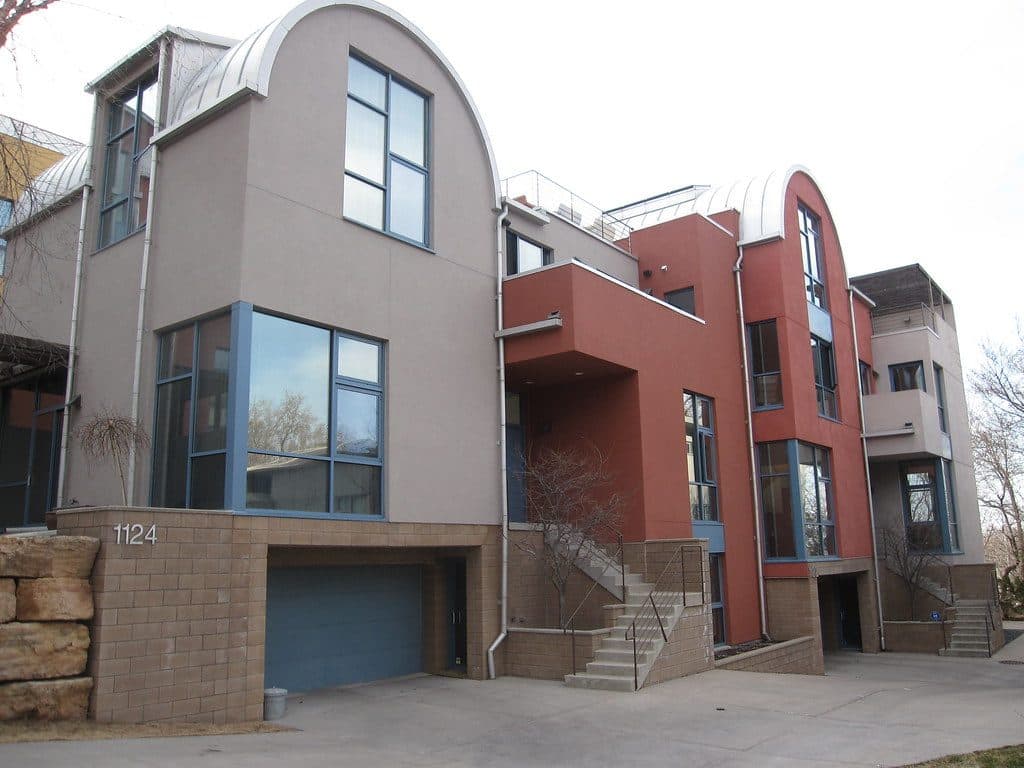
Lowry Hill and East Isles Land on Patch's List of Minnesota's Most Expensive Neighborhoods
Lowry Hill and East Isles rank among Minnesota's most expensive neighborhoods according to Patch's analysis of Niche's 2026 data.
Neighborhood
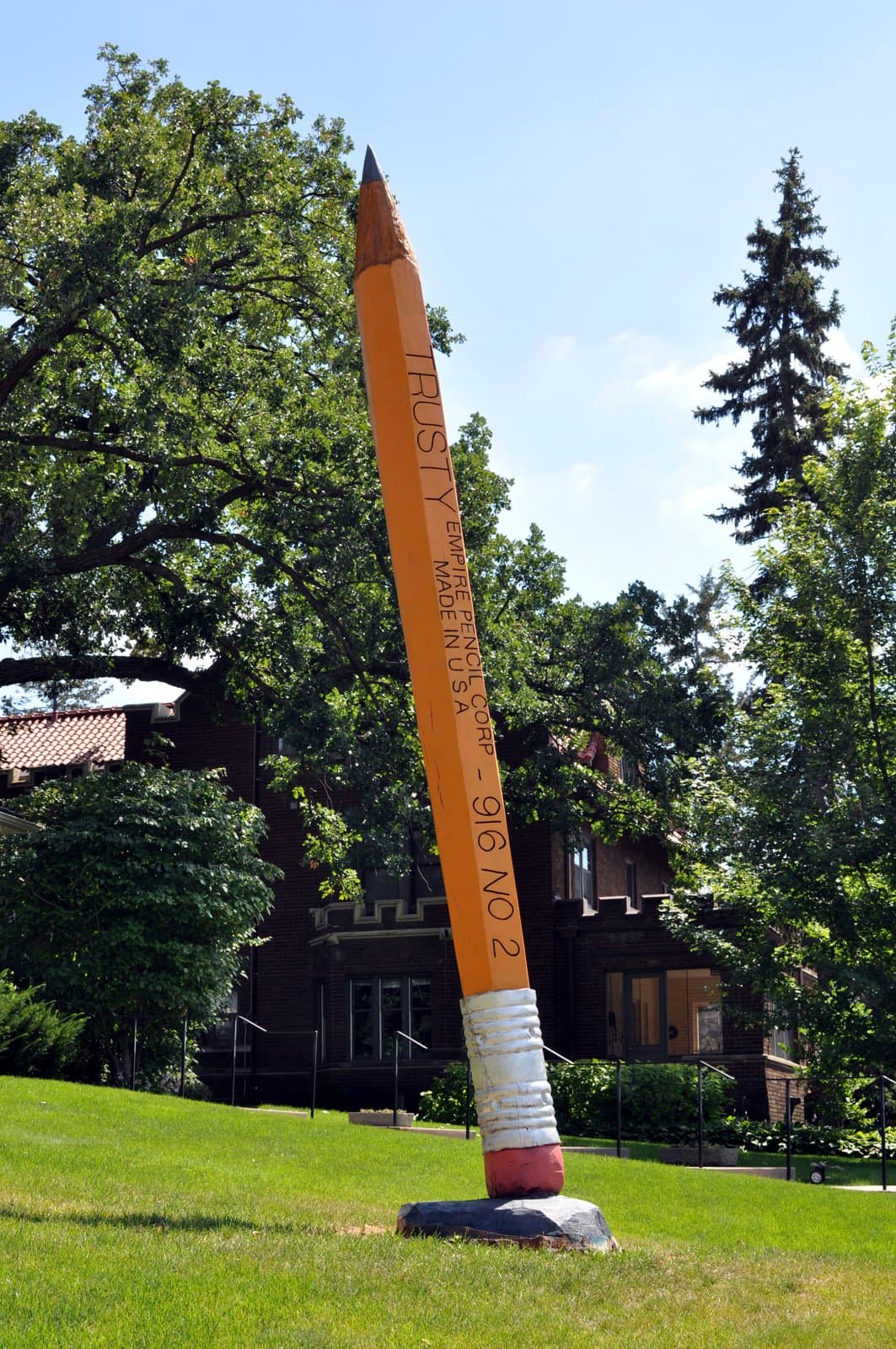
Community celebrates Lake of the Isles Pencil's 5th sharpening
Thousands gathered in East Isles on June 6, 2026, to watch the annual ceremonial sharpening of Minneapolis' giant pencil sculpture.
Neighborhood
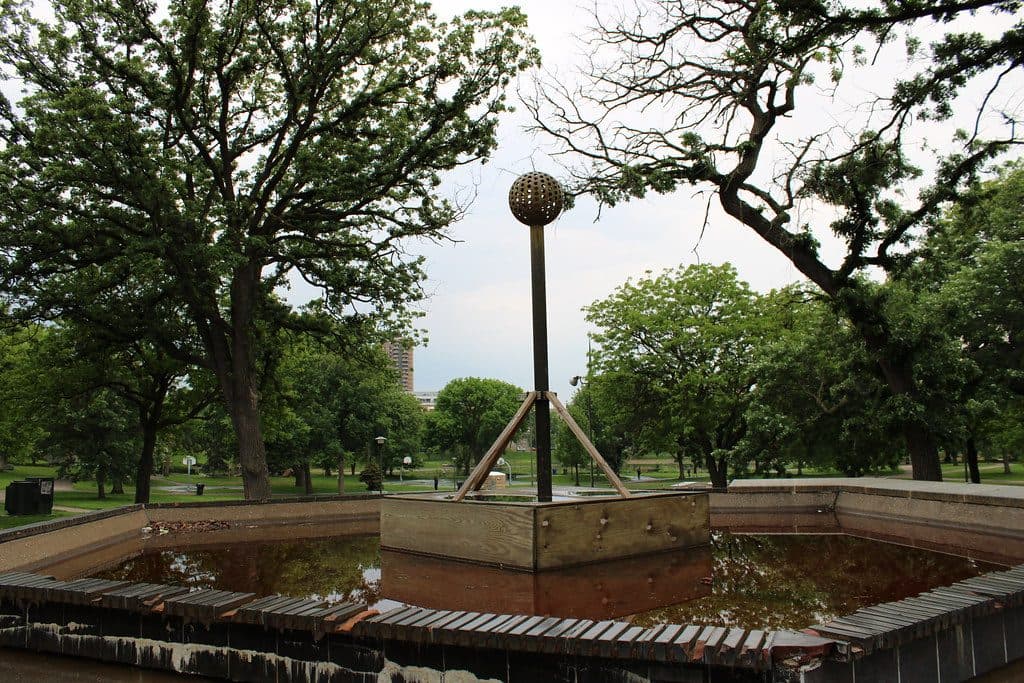
The end is in sight for Loring Park dandelion fountain's drought
State lawmakers approved $1.8 million for Berger Fountain repairs, and Park Board crews have begun demolition at the dry Loring Park landmark.
The neighborhood, in your inbox
Free. No paywall. Pick the topics you want — we send what’s happening this week.