NeighborhoodGreater Uptown & Nearby
City Sets Aside $150,000 in Business Aid for Uptown's Corridors
Minneapolis set aside $150,000 in its 2025 budget specifically for Uptown businesses, split between district-wide support and one-on-one coaching for individual shops.

The 2025 adopted Minneapolis budget includes $150,000 in one-time funding earmarked for Uptown, divided between two existing city programs: $100,000 for Great Streets Business District Support and $50,000 for the Business Technical Assistance Program, according to the city's Community Planning and Economic Development department.
The two pots do different work. The $100,000 in district support is meant for community-based organizations to promote, activate and organize the Uptown commercial corridor as a whole — the marketing and programming that benefit every storefront on a block. The $50,000 in technical assistance funds group trainings and one-on-one help for individual operators, coaching businesses on marketing, promotion and finances.
The figure is small against Uptown's vacancy problem, but naming the corridor in the budget directs dollars that would otherwise compete in citywide grant rounds. The earmark sits alongside other city efforts in the district, including the Vibrant Storefronts arts program and the Vacant Storefront Activation Grant, and it lands as the corridor absorbs the reopening of South Hennepin Avenue after the $36 million reconstruction completed in fall 2025.
Because the money is one-time, it can seed activity but not sustain it. The test is whether a season of district programming or a round of business coaching produces enough stability to draw private follow-on investment. The city will be able to measure that against storefront occupancy along Hennepin and Lagoon in the year ahead.
NeighborhoodGreater Uptown & Nearby
Related stories
Neighborhood
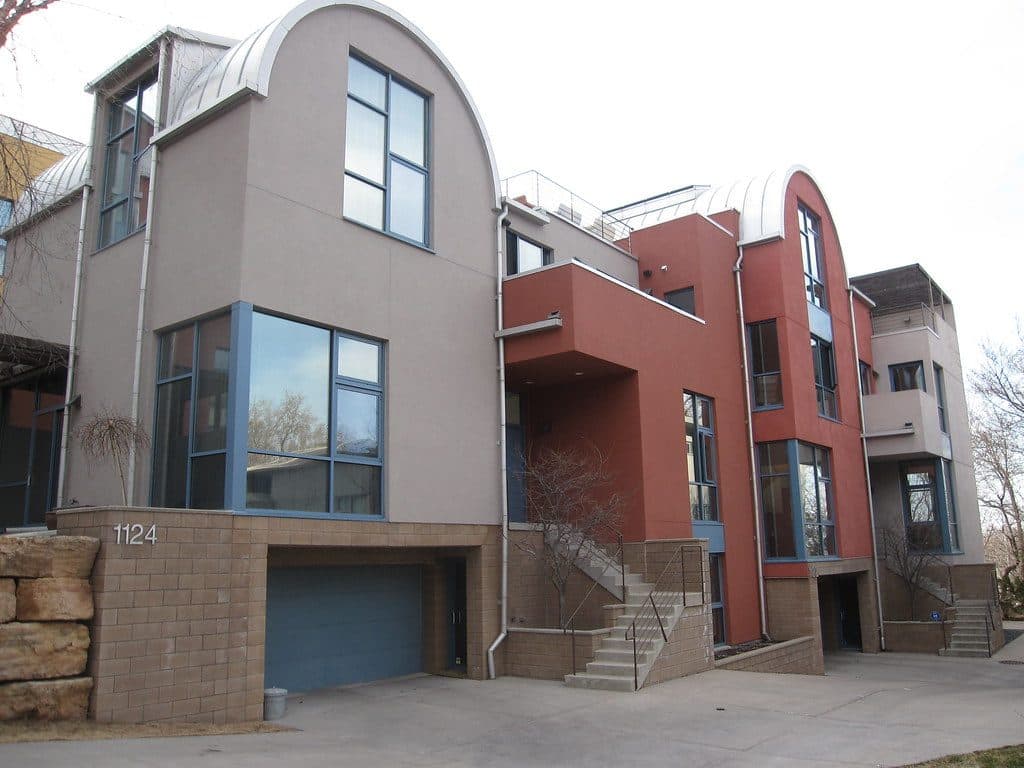
Lowry Hill and East Isles Land on Patch's List of Minnesota's Most Expensive Neighborhoods
Lowry Hill and East Isles rank among Minnesota's most expensive neighborhoods according to Patch's analysis of Niche's 2026 data.
Neighborhood
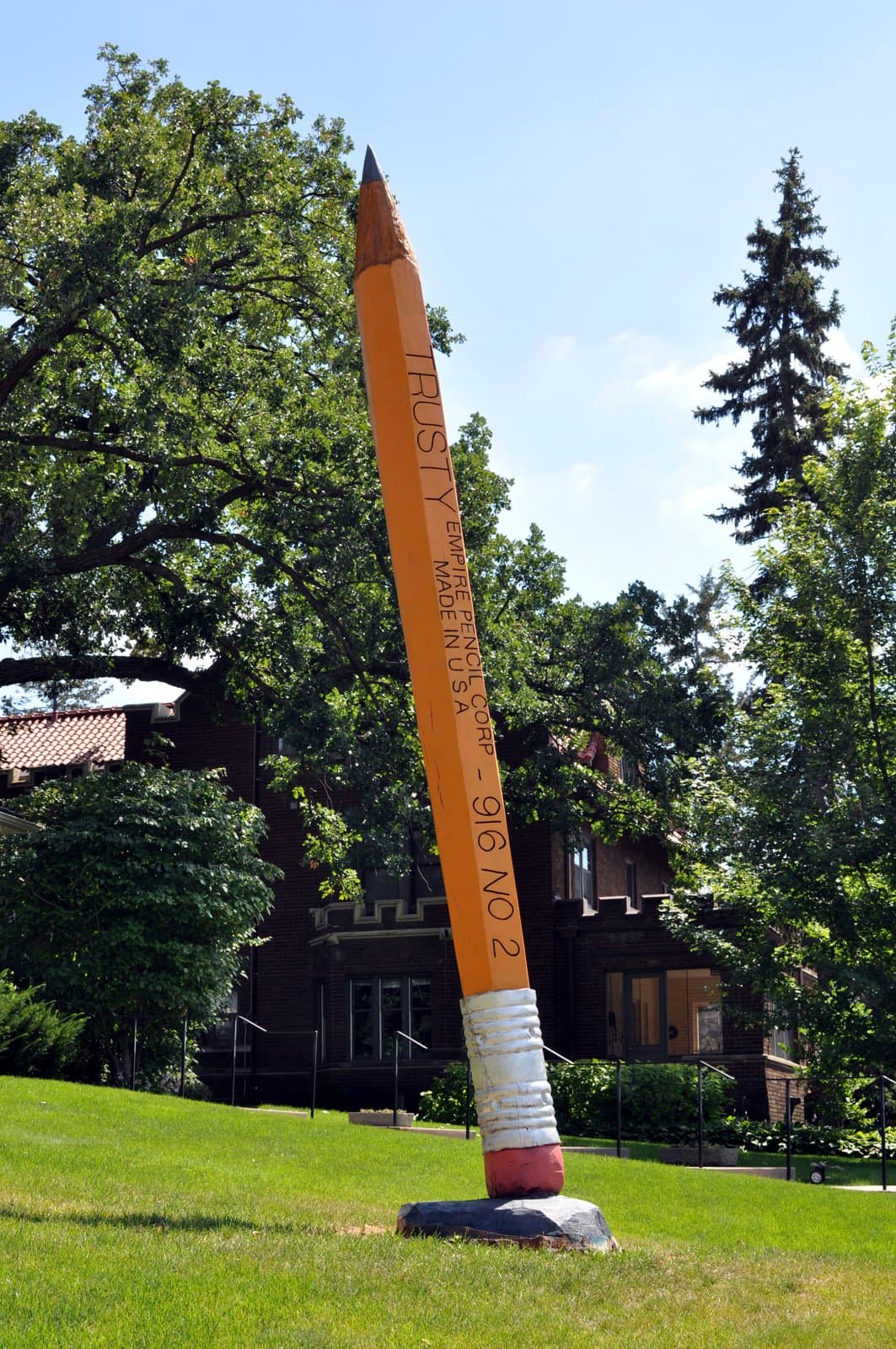
Community celebrates Lake of the Isles Pencil's 5th sharpening
Thousands gathered in East Isles on June 6, 2026, to watch the annual ceremonial sharpening of Minneapolis' giant pencil sculpture.
Neighborhood
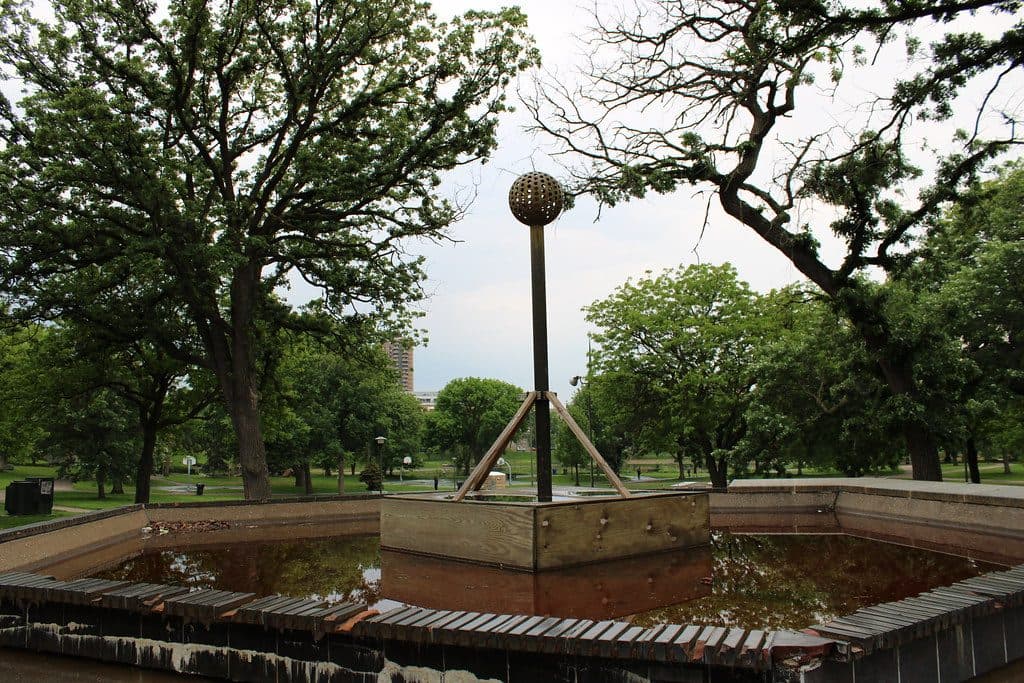
The end is in sight for Loring Park dandelion fountain's drought
State lawmakers approved $1.8 million for Berger Fountain repairs, and Park Board crews have begun demolition at the dry Loring Park landmark.
The neighborhood, in your inbox
Free. No paywall. Pick the topics you want — we send what’s happening this week.