NeighborhoodLowry HillKenwood
Kenwood Community School Marks 117 Years on the Hill
The 1908 building between the lakes and the park has educated generations of neighborhood children.
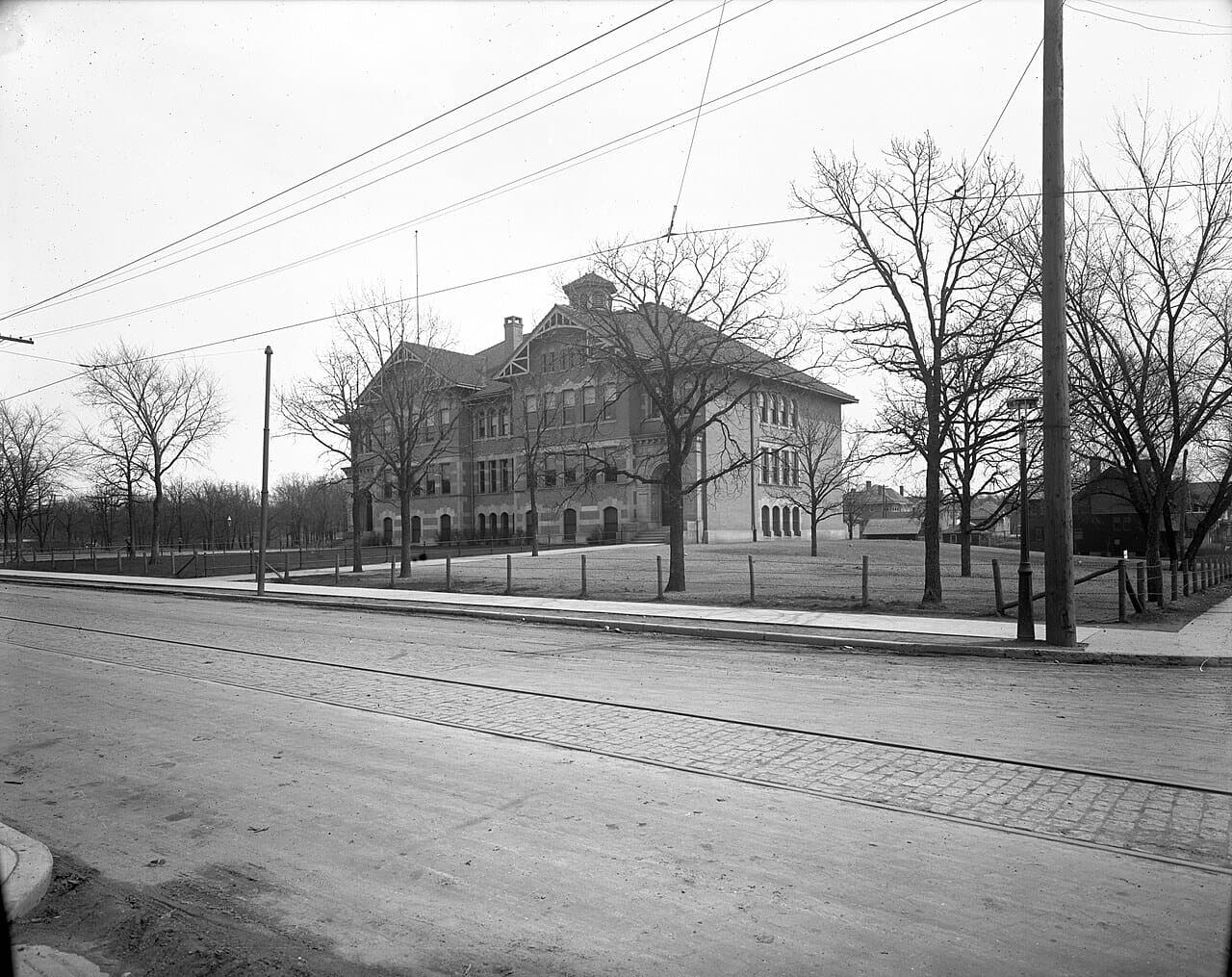
A building that grew up with the neighborhood
Few buildings tell the story of this corner of Minneapolis as plainly as Kenwood Community School. The elementary, perched on Kenwood Park between Lake of the Isles and Cedar Lake, has stood since 1908, its arched windows and broad staircases worn smooth by more than a century of small feet. For families on Lowry Hill and in Kenwood, sending a child up those front steps is often a continuation of a ritual that stretches back generations.
The school district's own building records confirm the basics: Kenwood opened in 1908 and operates today as a community school. It is, by the standards of a district that has shuttered and consolidated buildings over the decades, a survivor, and the neighbors who walk past it daily tend to treat that survival as something to protect rather than take for granted.
That sense of stewardship is not sentimental alone. The Kenwood PTA notes that the 1908 building sits on Kenwood Park, between the two lakes, and that its community now reaches families well beyond the immediate blocks, from Uptown to downtown. A school that began as a neighborhood schoolhouse has become, in effect, a small civic institution with a citywide reach.
We are still part of a larger city, with all the opportunities and challenges that come with it.— A Kenwood parent volunteer
Inside, the school's identity has long been bound up with the leafy, residential character of the area and with a teaching philosophy it sums up in two words: Smarts and Arts. Staff describe a culture built on arts integration, where music, visual art and movement are woven through ordinary lessons rather than treated as occasional extras. The approach, administrators say, is meant to give every child more than one way into the same material.
What strikes visitors most is how the school treats its location as a classroom. With Kenwood Park out one door, the lakeshore a short walk away and the School Forest at Cedar Lake within reach, outdoor learning here is less an aspiration than a habit. Teachers routinely march classes outside to sketch, measure and observe, using the parkland the neighborhood prizes as a teaching asset.
The building itself carries the marks of its age. Like many century-old schools, it lacks some of the amenities a new building would include, a reality the district has acknowledged in its facilities planning. Families and staff tend to treat those constraints as the cost of keeping a beloved old building in service rather than as a reason to abandon it.
The history is not abstract for the people who use the school. Parents speak of teachers who taught their own classmates, of traditions that predate them, of a continuity rare in a mobile city. The 117 years are not just a number on a banner; they are the reason a family three generations deep can point to the same front steps.
For neighbors without children enrolled, the school still functions as a landmark and a gathering point, its arrival and dismissal setting the rhythm of the surrounding streets. The Lowry Hill Neighborhood Association has at times directed its own funds toward school projects, a sign of how thoroughly the building is woven into civic life on the hill.
As enrollment patterns shift across Minneapolis Public Schools and the district wrestles with budget pressure, Kenwood's families continue to regard the 1908 structure as a shared inheritance, one worth showing up for, block by block. The next chapter, residents acknowledge, will be written less by the architecture than by who keeps choosing to walk through the door.
NeighborhoodLowry HillKenwood
Related stories
Neighborhood
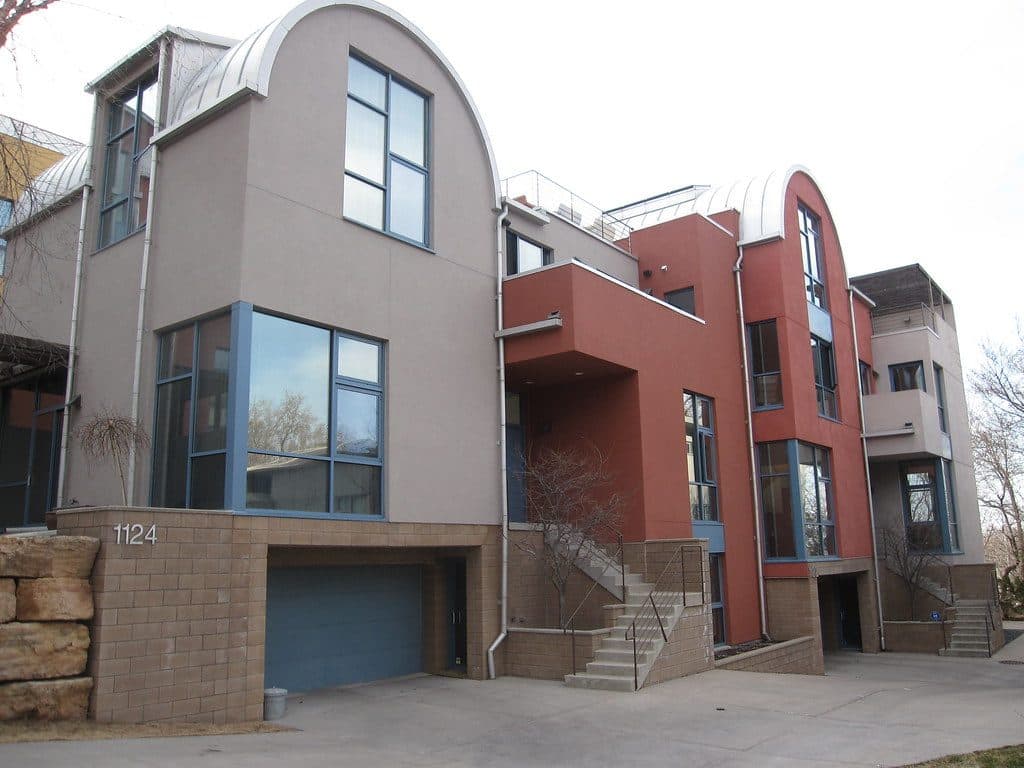
Lowry Hill and East Isles Land on Patch's List of Minnesota's Most Expensive Neighborhoods
Lowry Hill and East Isles rank among Minnesota's most expensive neighborhoods according to Patch's analysis of Niche's 2026 data.
Neighborhood
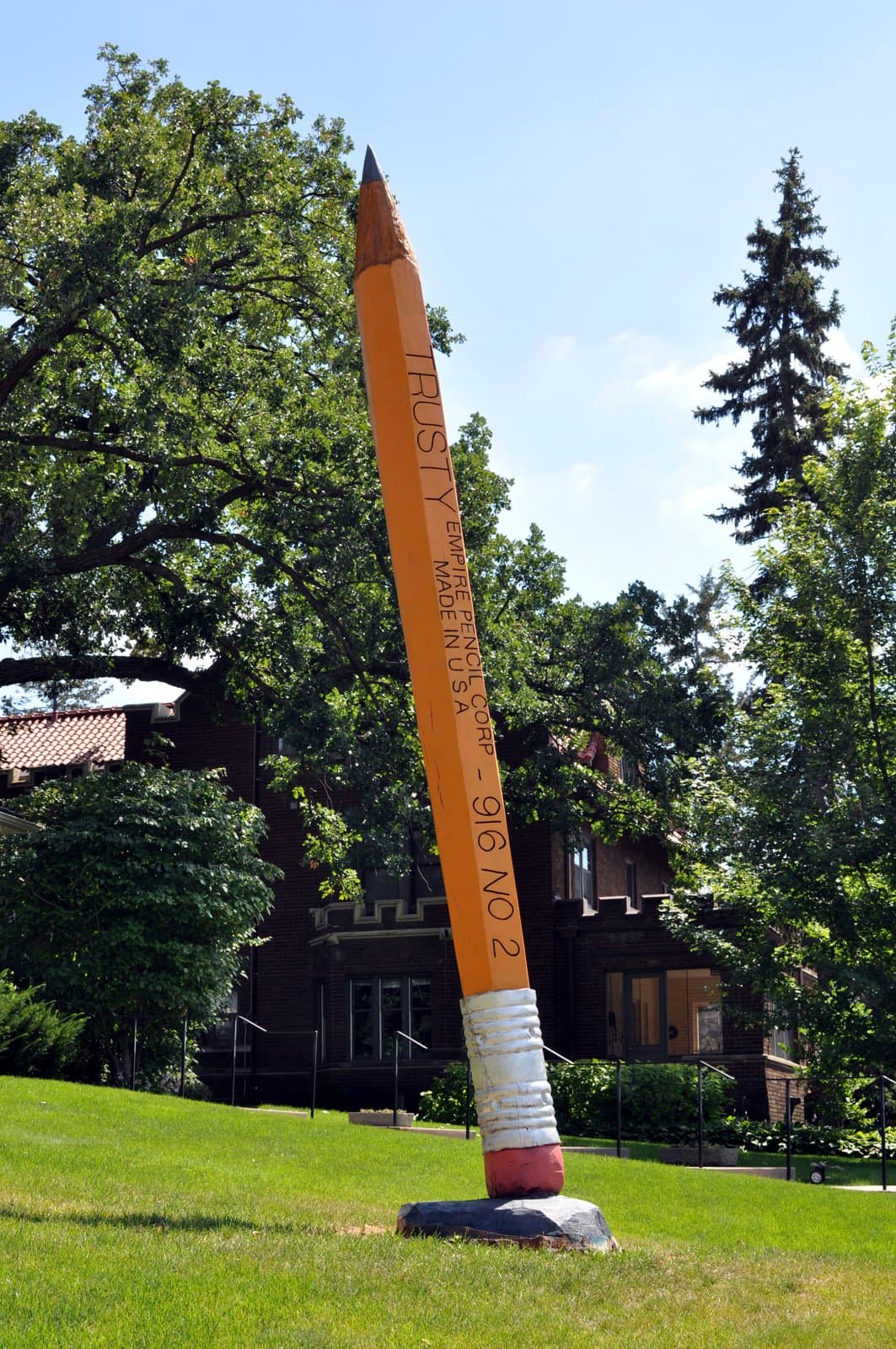
Community celebrates Lake of the Isles Pencil's 5th sharpening
Thousands gathered in East Isles on June 6, 2026, to watch the annual ceremonial sharpening of Minneapolis' giant pencil sculpture.
Neighborhood
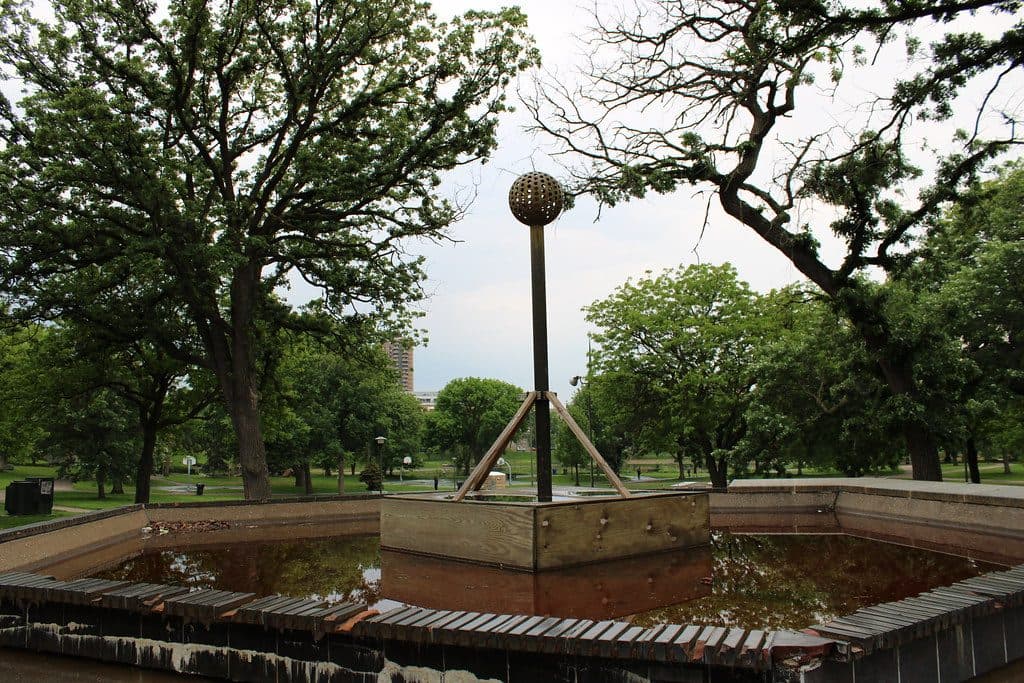
The end is in sight for Loring Park dandelion fountain's drought
State lawmakers approved $1.8 million for Berger Fountain repairs, and Park Board crews have begun demolition at the dry Loring Park landmark.
The neighborhood, in your inbox
Free. No paywall. Pick the topics you want — we send what’s happening this week.