NeighborhoodLowry HillKenwood
Inside Kenwood's 'Smarts + Arts' Approach
Arts residencies at every grade level define the school's teaching philosophy.
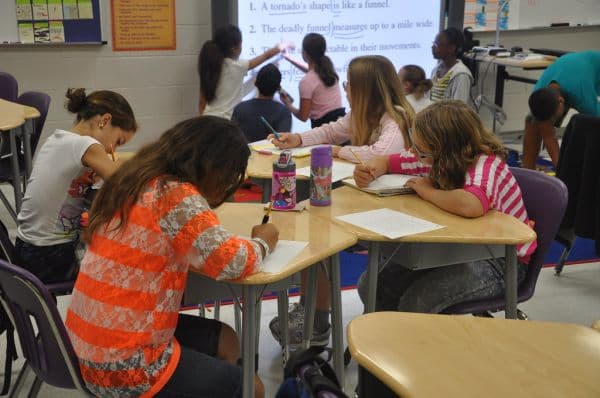
Where art is not an afterthought
At many schools, the arts are the first program to fall when budgets tighten. At Kenwood Community School, administrators say, the arts are the load-bearing wall. The school's slogan, Smarts + Arts, is less marketing copy than a description of how a typical week is structured.
According to the school's own materials, arts integration and artist residencies appear at every grade level, meaning students encounter working artists, musicians and performers as a regular part of instruction rather than as a once-a-year assembly. A residency might bring a visual artist into a science unit or a musician into a lesson on history, with the art and the academics taught as one thing rather than two.
Teachers say the approach helps children who might stall on a conventional worksheet find another door into the same material. A child who struggles to write a paragraph about a historical event, the reasoning goes, may understand it perfectly when asked to stage it, draw it or set it to music, and then find the writing comes more easily.
We are trying to educate the head and the heart at the same time.— A longtime Kenwood teacher
The model also reflects the commitments Kenwood lists alongside the arts: academics, rigor and race equity, three threads that staff describe as inseparable from the creative work rather than competing with it. The school frames its mission as inclusive and student-centered, and treats the arts as a means to that end rather than a decorative add-on.
Arts-integration approaches like Kenwood's have a long track record in American public education, and proponents point to research suggesting they can deepen engagement and retention. Skeptics counter that the arts can crowd out core instruction; Kenwood's answer is that, done well, the two are the same lesson taught twice over.
For Lowry Hill and Kenwood parents weighing the neighborhood school against private academies and magnet lotteries, the arts emphasis is frequently cited as the reason they stay. It is, several say, what makes the neighborhood school feel like the neighborhood's school, distinctive enough to compete with the alternatives rather than merely the default by address.
That distinctiveness has practical stakes. The residencies and integrated programming cost money, and much of the funding for enrichment extras comes from the PTA and, at times, the neighborhood association rather than the district's base budget. In a year of districtwide budget strain, families are aware that locally raised dollars increasingly underwrite the very thing they came for.
Staff are candid that sustaining the model takes deliberate effort, especially as turnover brings a fresh cohort of families each fall who have to be introduced to what Smarts + Arts actually means. The slogan, they say, only works if the week behind it is built to match.
For now, families and teachers describe the arts not as the extra that gets cut first but as the spine the rest of the building leans on. Whether that holds through a difficult budget cycle is an open question, but at Kenwood the intention is clear: the art is meant to stay load-bearing.
NeighborhoodLowry HillKenwood
Related stories
Neighborhood
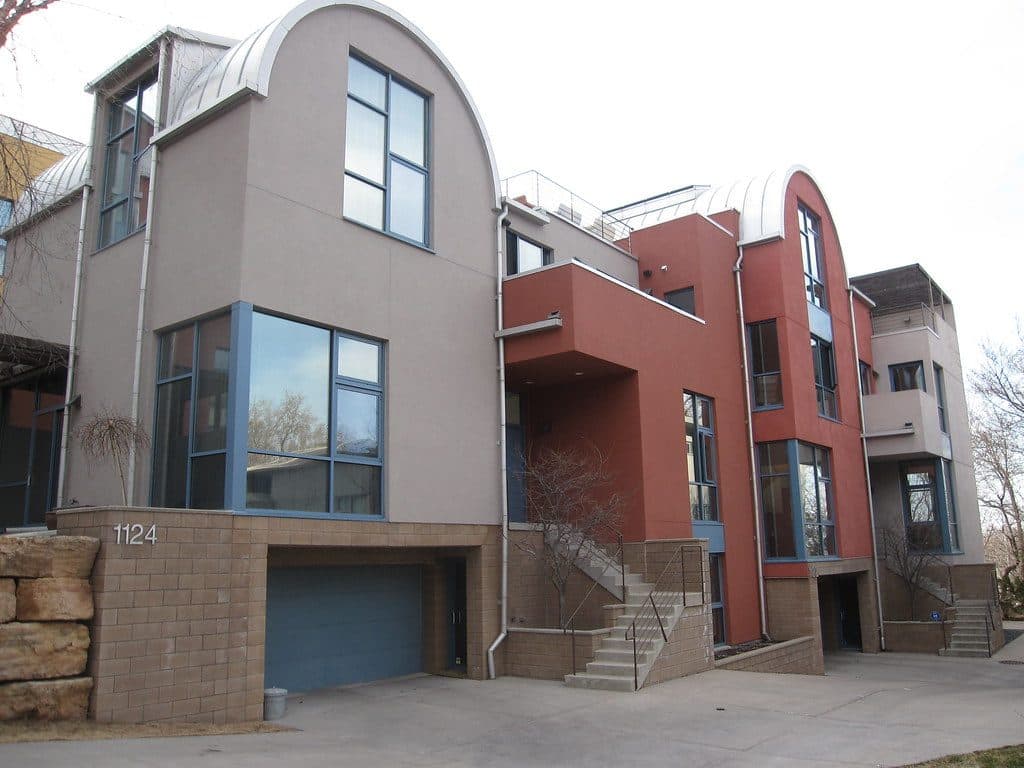
Lowry Hill and East Isles Land on Patch's List of Minnesota's Most Expensive Neighborhoods
Lowry Hill and East Isles rank among Minnesota's most expensive neighborhoods according to Patch's analysis of Niche's 2026 data.
Neighborhood
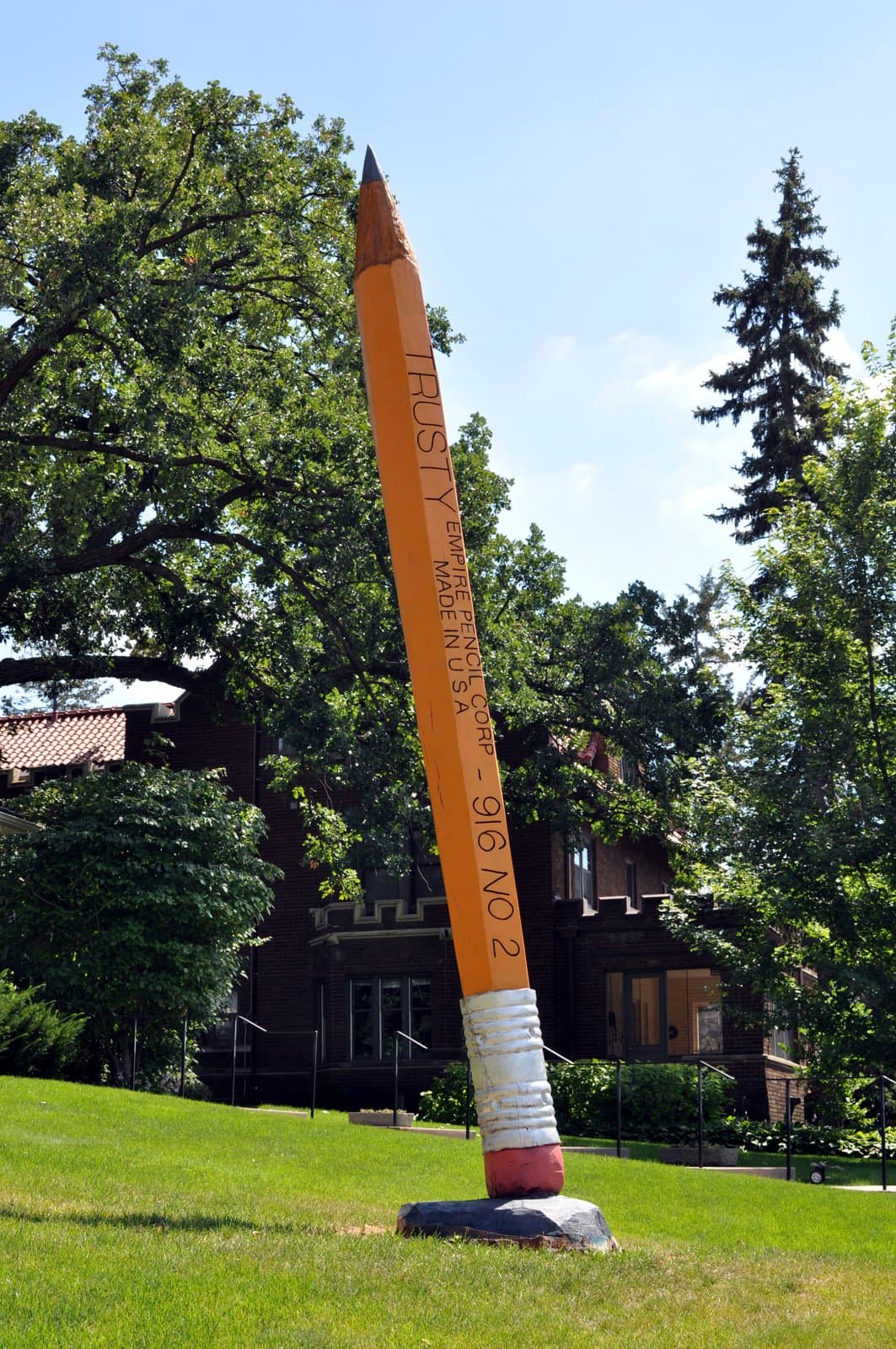
Community celebrates Lake of the Isles Pencil's 5th sharpening
Thousands gathered in East Isles on June 6, 2026, to watch the annual ceremonial sharpening of Minneapolis' giant pencil sculpture.

Neighborhood
The end is in sight for Loring Park dandelion fountain's drought
State lawmakers approved $1.8 million for Berger Fountain repairs, and Park Board crews have begun demolition at the dry Loring Park landmark.
The neighborhood, in your inbox
Free. No paywall. Pick the topics you want — we send what’s happening this week.