NeighborhoodLowry HillKenwood
Kenwood's Outdoor Classroom Takes Shape With Neighborhood Backing
A $15,000 contribution from the local association is helping fund an outdoor learning space.
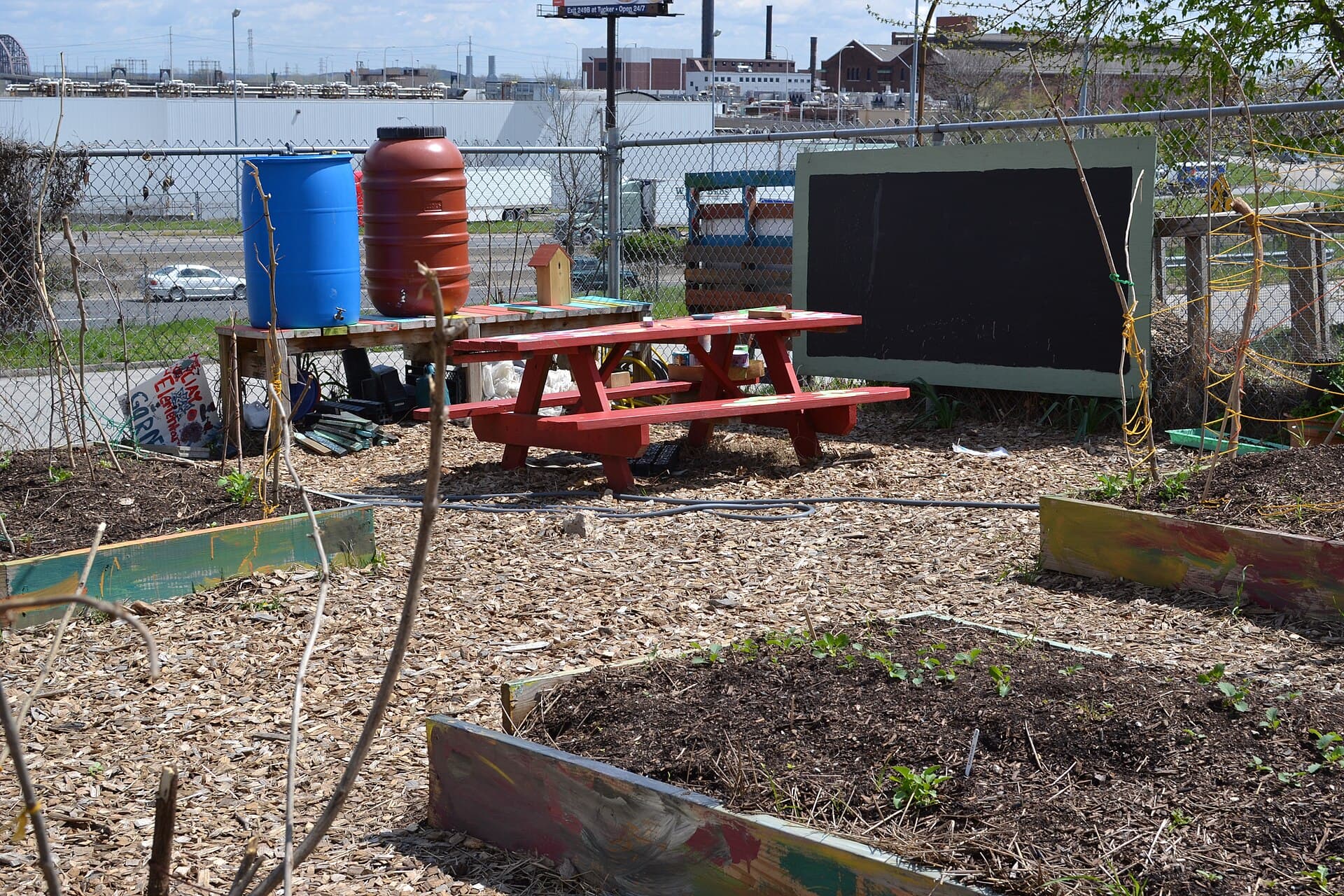
Turning a schoolyard into a teaching space
A patch of ground beside Kenwood Community School is being reimagined as a permanent outdoor classroom, and the neighborhood is helping pay for it. The Lowry Hill Neighborhood Association approved reallocating $15,000 in Neighborhood Revitalization Program income toward the school's outdoor learning space, shifting the money from a housing strategy to a public-realm priority.
The reallocation, recorded in the association's own proceedings, is modest by municipal standards but meaningful at the scale of a single school project, the kind of sum that can finish a build a strained district budget cannot. Moving the money required a formal vote, because Neighborhood Revitalization Program dollars are allocated to specific strategies and cannot simply be redirected on a whim.
That procedural detail matters. The Neighborhood Revitalization Program lets recognized associations direct pools of money toward local priorities, but the strings attached mean a board has to decide, in public and on the record, that an outdoor classroom is a better use of the funds than the housing line they came from.
This is exactly what a neighborhood fund is for, finishing the projects nobody else will.— A Lowry Hill association board member
The decision reflects a long-running relationship between the association and the school, which sit within walking distance of one another. Supporters argue that money spent on a place where children learn outdoors is, in effect, money spent on the neighborhood's own front yard, a benefit that outlasts any single school year and is open to families and neighbors alike.
Outdoor classrooms have gained traction across Minneapolis and nationally as educators look for ways to extend learning beyond four walls, drawing on nearby parks, gardens and natural areas. At Kenwood, the proximity to Kenwood Park, the lakeshore and the School Forest at Cedar Lake makes the case almost self-evident; the school already treats the outdoors as part of its curriculum, and a built classroom space simply makes the practice permanent.
Board members framed the contribution as the kind of small, concrete investment neighborhood associations are uniquely positioned to make, a place where a few thousand dollars can complete something visible rather than disappear into a larger budget. It is also, several noted, exactly the sort of project that builds goodwill between the association and the families it serves.
There are trade-offs, and the board did not pretend otherwise. Every dollar moved to the outdoor classroom is a dollar not spent on the housing strategy it came from, and reasonable neighbors can disagree about that priority. The public vote was, in part, a way of making that trade-off legible to anyone who wanted to weigh in.
For parents, the practical upshot is straightforward: a usable outdoor space arrives sooner than it would on the district's timeline alone, in a school that already sends classes outside to learn. For the association, the project is a visible proof point, a chance to show residents exactly what their neighborhood fund buys when it is pointed at something they can stand in.
The outdoor classroom will not solve the district's budget problems or settle the neighborhood's debates over development. But as a demonstration of what a small, well-aimed local investment can do, supporters say, it is hard to beat, and it leaves behind something the next generation of Kenwood students will use long after the vote is forgotten.
NeighborhoodLowry HillKenwood
Related stories
Neighborhood
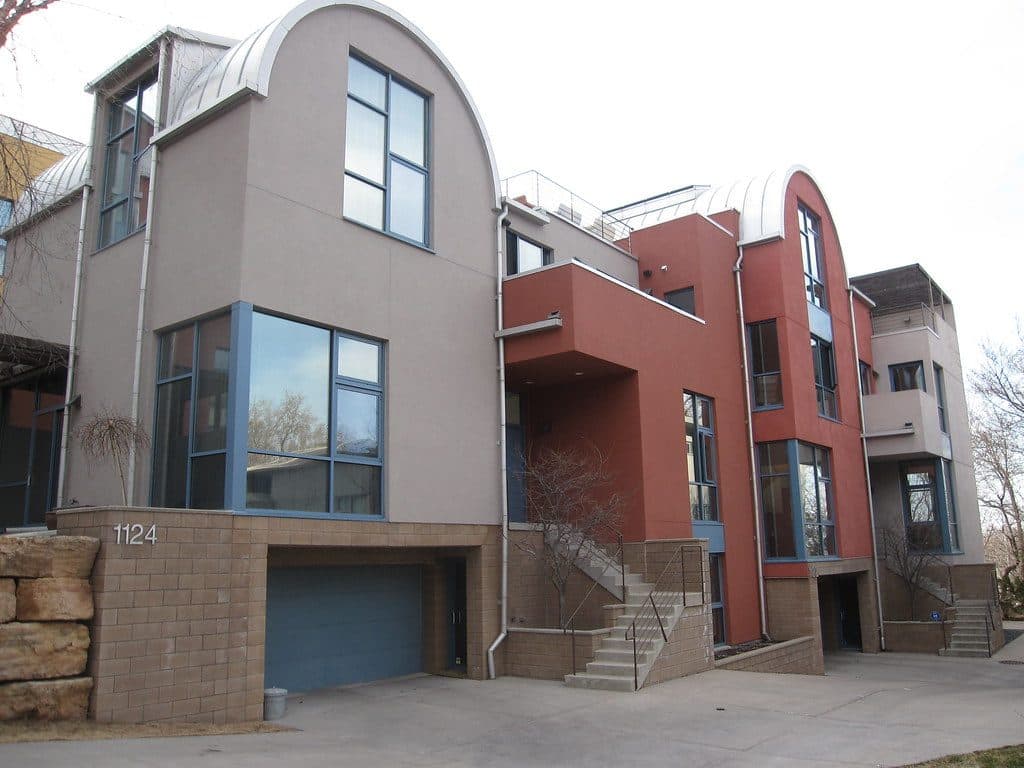
Lowry Hill and East Isles Land on Patch's List of Minnesota's Most Expensive Neighborhoods
Lowry Hill and East Isles rank among Minnesota's most expensive neighborhoods according to Patch's analysis of Niche's 2026 data.
Neighborhood
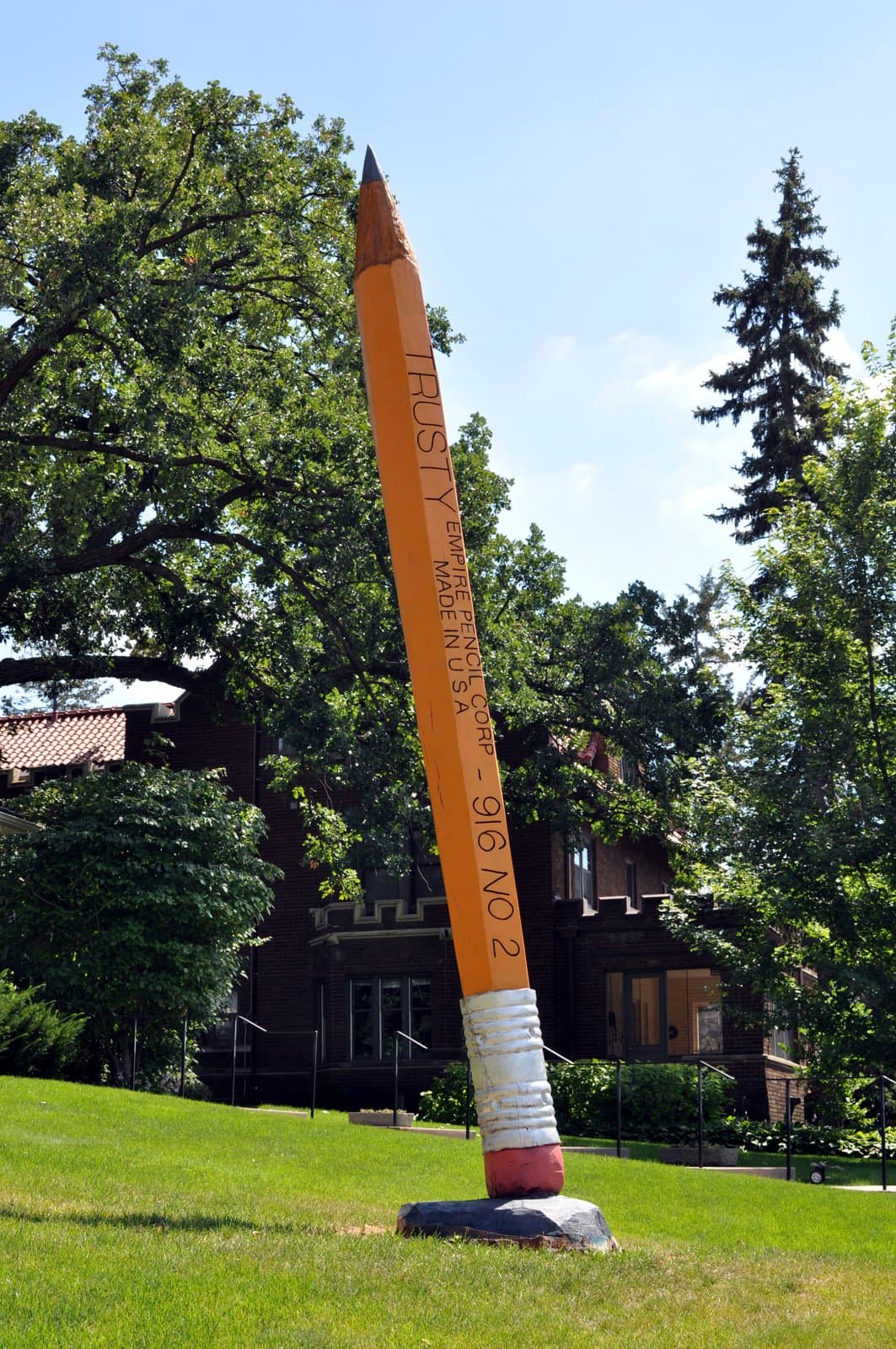
Community celebrates Lake of the Isles Pencil's 5th sharpening
Thousands gathered in East Isles on June 6, 2026, to watch the annual ceremonial sharpening of Minneapolis' giant pencil sculpture.
Neighborhood
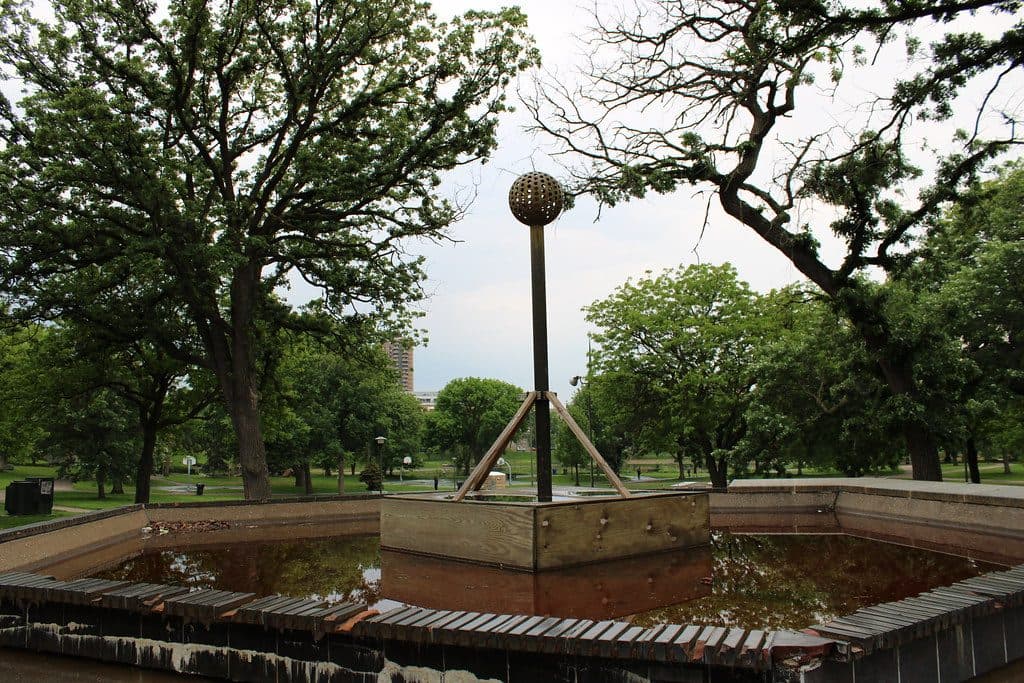
The end is in sight for Loring Park dandelion fountain's drought
State lawmakers approved $1.8 million for Berger Fountain repairs, and Park Board crews have begun demolition at the dry Loring Park landmark.
The neighborhood, in your inbox
Free. No paywall. Pick the topics you want — we send what’s happening this week.