NeighborhoodLowry HillKenwood
Meet the Woodchucks: Kenwood's PTA Powers the School Year
The parent-teacher association behind the 'Woodchucks' keeps fundraising and events running.
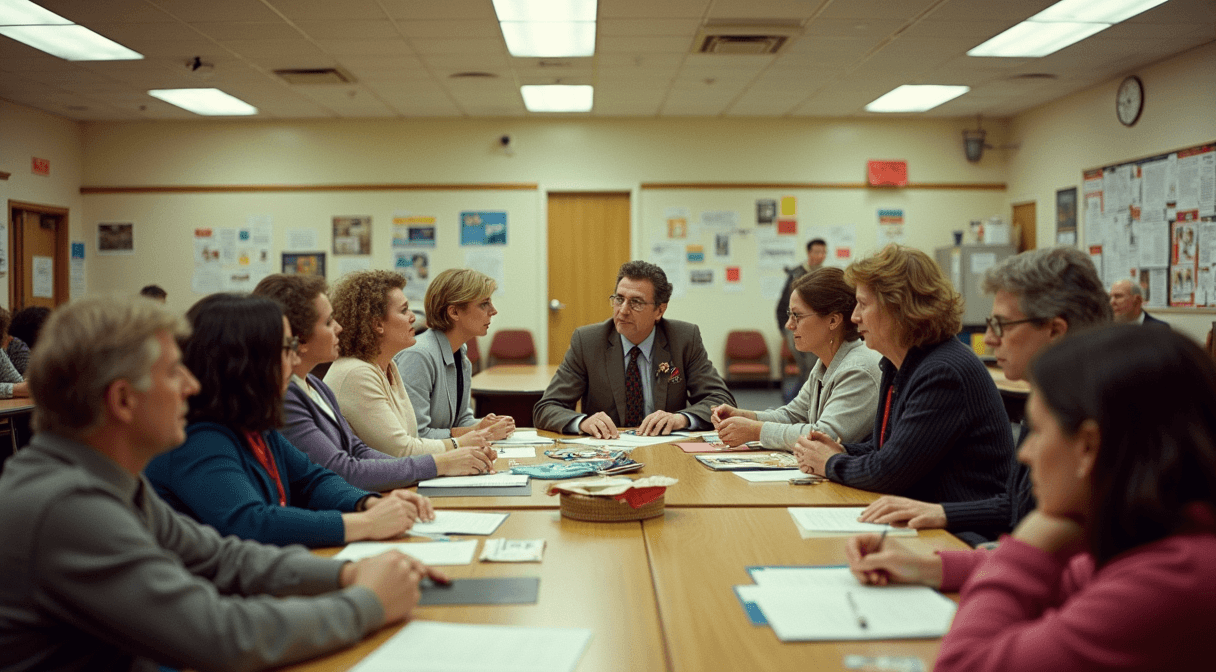
The volunteers behind the mascot
Every thriving neighborhood school has an engine room, and at Kenwood Community School it is the parent-teacher association. Known affectionately by the school's Woodchuck mascot, the PTA coordinates the fundraisers, family nights and volunteer shifts that fill the gaps a district budget leaves behind.
The work is unglamorous and constant: staffing a fall fundraiser, lining up room parents, running the sign-up sheets for events that would otherwise not happen. Organizers describe it less as a committee than as a rotating crew that re-forms every autumn, absorbing new families and quietly losing those whose children have moved on.
What the crew produces, though, is anything but trivial. PTA dollars routinely underwrite the enrichment extras, the residencies, the field trips, the materials, that families point to when they explain why they chose the neighborhood school over the alternatives. In a district facing budget cuts, that locally raised money grows more consequential, not less.
You don't have to live in the building to belong to it.— A Kenwood PTA organizer
That re-forming is a defining feature of the operation. Organizers note that a large share of Kenwood's families have been new in recent years, a turnover that makes the PTA's welcoming role especially important. New parents are folded into committees, room-parent rosters and event crews almost as soon as they arrive, before they have time to decide they are too busy.
The association's pitch to newcomers is deliberately low-barrier: interested neighbors and prospective parents are invited to PTA events alongside current families, no long-term commitment required. The Woodchuck community, as the group frames it, is meant to extend past the enrolled-this-year roster to anyone willing to lend a hand.
Longtime members play an outsized role in holding the institution together. The veterans who stay involved after their own children graduate become the keepers of how things actually run, the people who know which fundraiser works and which tradition is worth protecting. Their continuity is what lets a high-turnover school avoid re-learning everything each September.
There is a vulnerability built into the model, and organizers name it plainly: it depends on a fresh supply of parents willing to take a turn. A single thin year, when too few new families step up, can leave the same handful of volunteers stretched across too many jobs. Recruiting successors, they say, is the quiet annual project that makes all the visible ones possible.
For families weighing whether to get involved, the PTA's message is that the bar is low and the work is shareable. A parent can start by folding chairs at a family night and end up, a few years later, running the fall fundraiser, an on-ramp that mirrors how civic life works across the wider neighborhood.
Behind the cheerful mascot, in other words, is a serious operation that the school could not easily replace. The Woodchucks are volunteers, but the school year they power is the real thing, and the families who benefit from it tend, sooner or later, to be asked to help build it.
NeighborhoodLowry HillKenwood
Related stories
Neighborhood
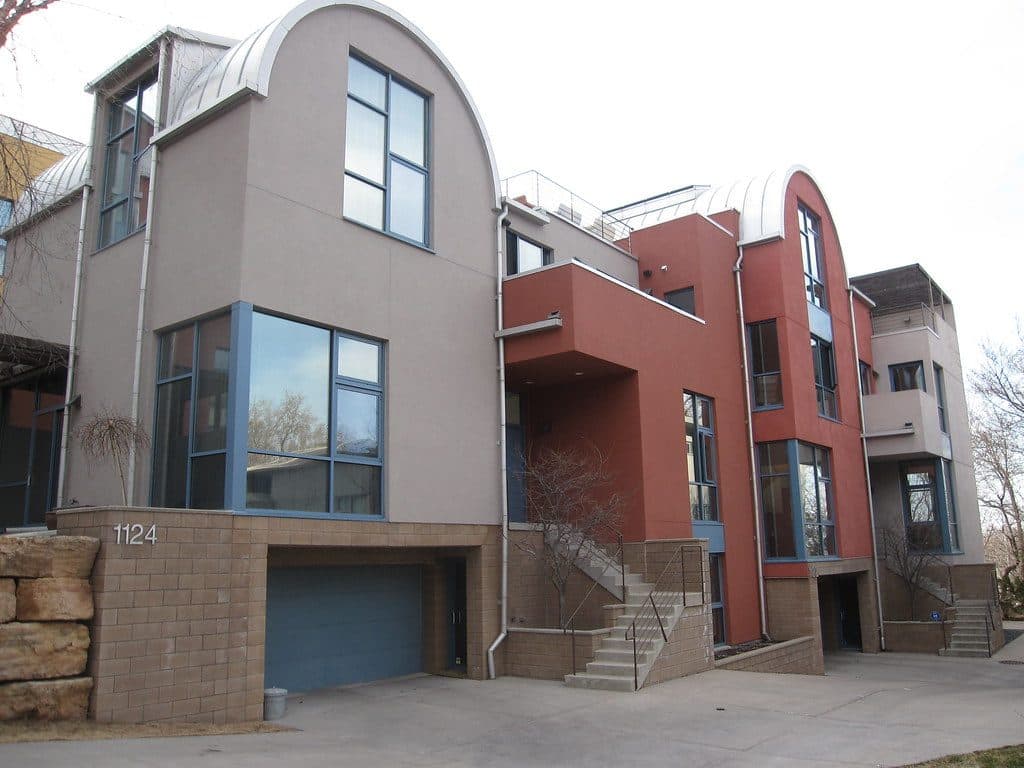
Lowry Hill and East Isles Land on Patch's List of Minnesota's Most Expensive Neighborhoods
Lowry Hill and East Isles rank among Minnesota's most expensive neighborhoods according to Patch's analysis of Niche's 2026 data.
Neighborhood
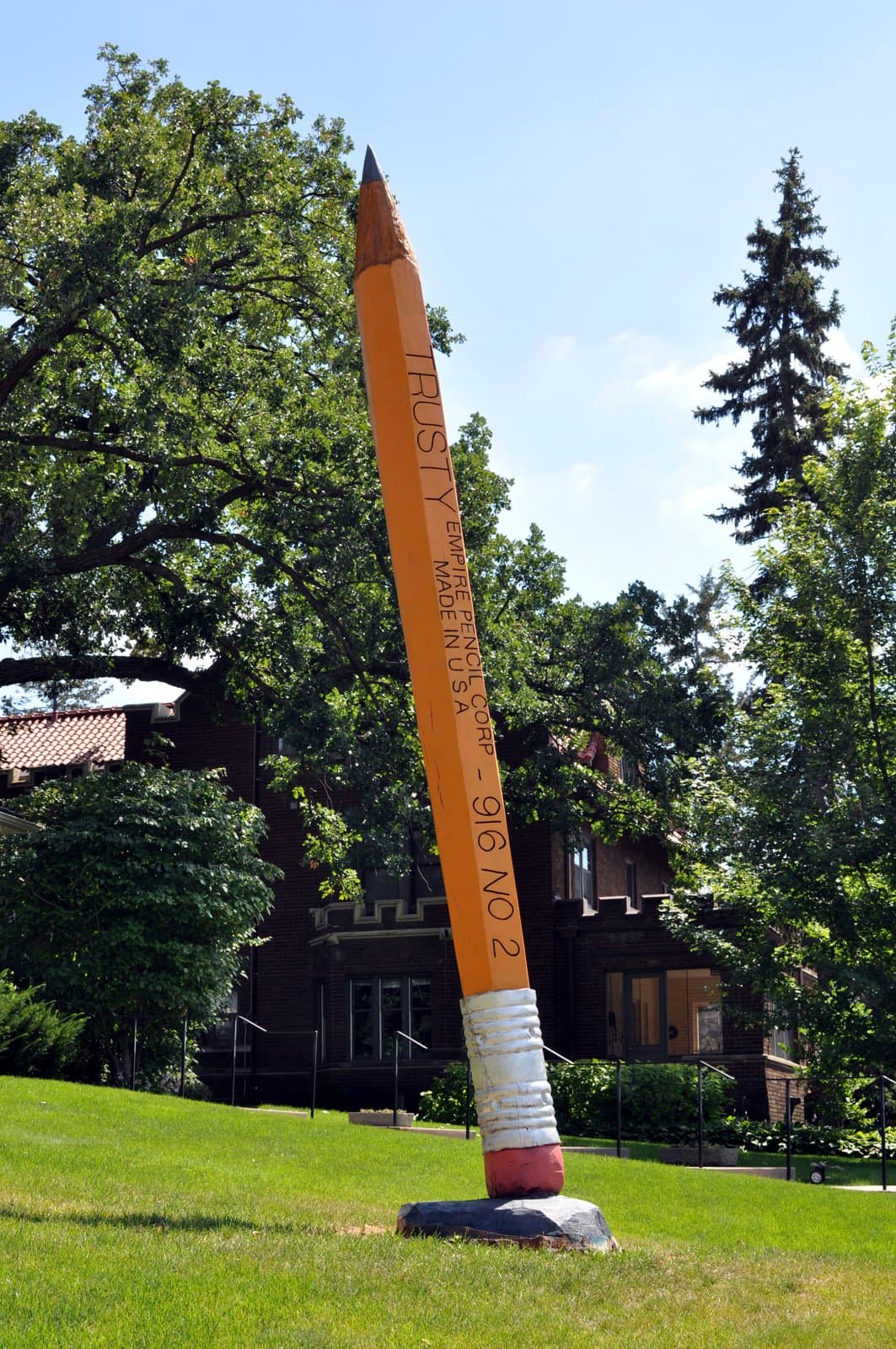
Community celebrates Lake of the Isles Pencil's 5th sharpening
Thousands gathered in East Isles on June 6, 2026, to watch the annual ceremonial sharpening of Minneapolis' giant pencil sculpture.
Neighborhood
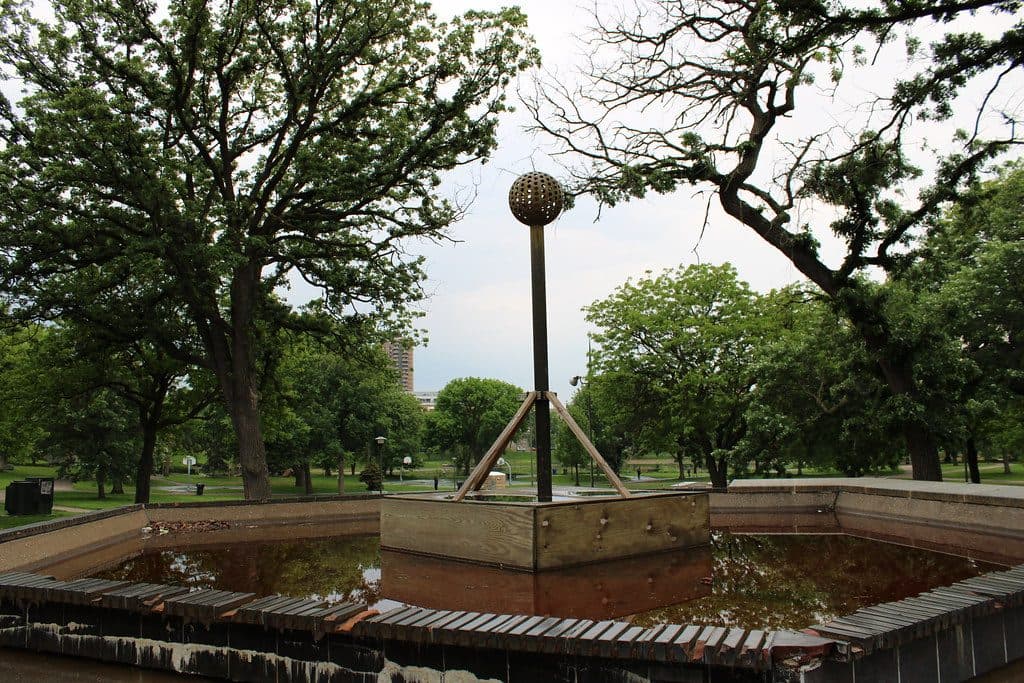
The end is in sight for Loring Park dandelion fountain's drought
State lawmakers approved $1.8 million for Berger Fountain repairs, and Park Board crews have begun demolition at the dry Loring Park landmark.
The neighborhood, in your inbox
Free. No paywall. Pick the topics you want — we send what’s happening this week.