NeighborhoodLowry HillLowry Hill East (The Wedge)
Where Lowry Hill Children Go to School: A Zoning Primer
From Kenwood Elementary to Anwatin and North, the neighborhood's school pathways explained.
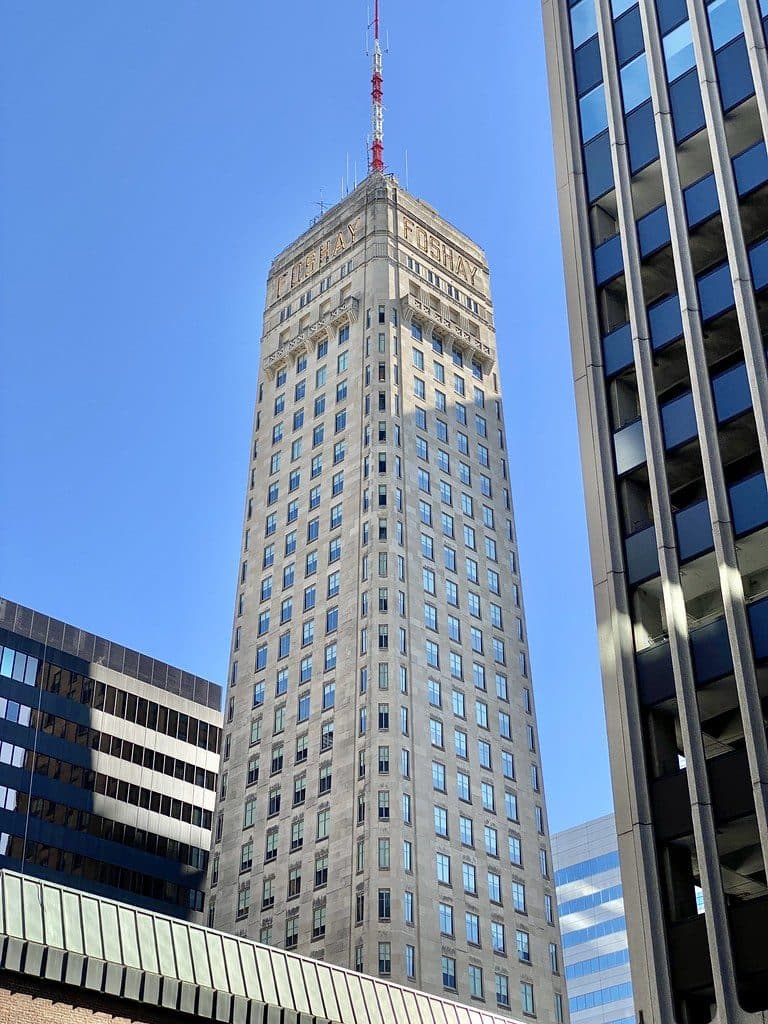
Reading the attendance map
For families moving to Lowry Hill, one of the first questions is also one of the most confusing: where will my child go to school? The neighborhood is zoned primarily to Kenwood Elementary for the early grades, with students continuing on to assigned middle and high schools as they age up.
The catch is that those assignments can change, and that real-estate listings are not an authoritative source. Minneapolis Public Schools periodically redraws attendance areas and adjusts pathways, which means the only reliable answer is the one a family confirms directly with the district for its own address, ideally before signing a lease or a purchase agreement.
That confusion is not unique to Lowry Hill, but the neighborhood's mix of grand single-family homes, duplexes and apartment buildings means families arrive with very different expectations about schools, and very different amounts of time to figure them out before the first day of class.
Listings for buildings around Kenwood Parkway and West Franklin Avenue have commonly cited Kenwood Elementary alongside assigned middle and high schools, though neighborhood materials have at times pointed families toward different middle-school options. The variation is exactly why placement should be verified rather than assumed; a difference of a few blocks, or a single district decision, can change the answer.
Layered on top of the attendance zones are the district's magnet schools, which fill seats through an enrollment lottery rather than by address. Ella Baker Global Studies and Humanities, a PK-8 magnet in neighboring Lowry Hill East, is the closest example, drawing applicants from across the city regardless of where they live. Families interested in a magnet have to learn its application timeline, which runs on its own calendar separate from neighborhood enrollment.
Private options round out the picture. The Blake School, with a long history in the area, is among the independent schools some Lowry Hill families choose, and the neighborhood's affluence means private school is a live option for more families here than in much of the city. The full menu, then, runs from zoned public to magnet to independent, each with its own rules.
School-placement counselors and veteran parents tend to give the same advice: do not rely on a listing, a neighbor's secondhand account or last year's boundaries. Districts adjust, lotteries fill and pathways shift, and the family that confirms its own placement is the one that avoids an unpleasant surprise in August.
The practical steps are not complicated. Call or check with Minneapolis Public Schools to confirm the zoned schools for a specific address; if a magnet appeals, find the lottery deadline well in advance; and if private school is on the table, learn those admissions timelines, which often run earliest of all.
The result is a menu of choices that rewards families who do their homework, literally, before the first day of class. For a neighborhood that prizes its schools as much as Lowry Hill does, navigating the map is less a chore than a rite of passage, and the families who have been through it are usually happy to help the next ones find their way.
NeighborhoodLowry HillLowry Hill East (The Wedge)
Related stories
Neighborhood
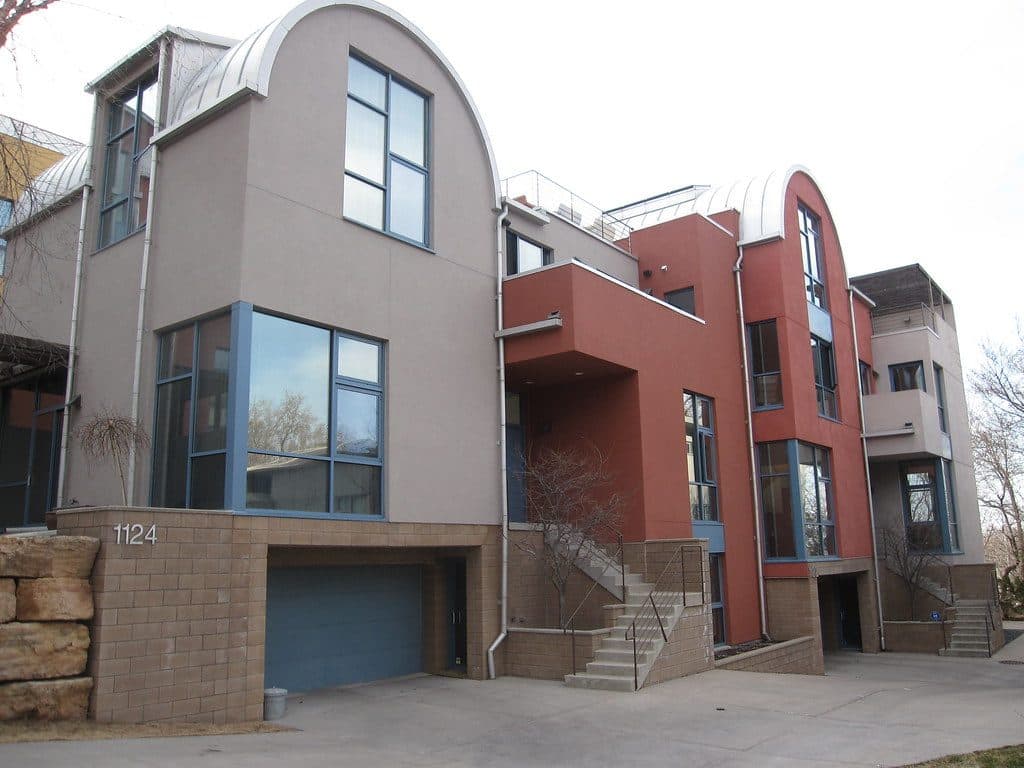
Lowry Hill and East Isles Land on Patch's List of Minnesota's Most Expensive Neighborhoods
Lowry Hill and East Isles rank among Minnesota's most expensive neighborhoods according to Patch's analysis of Niche's 2026 data.
Neighborhood
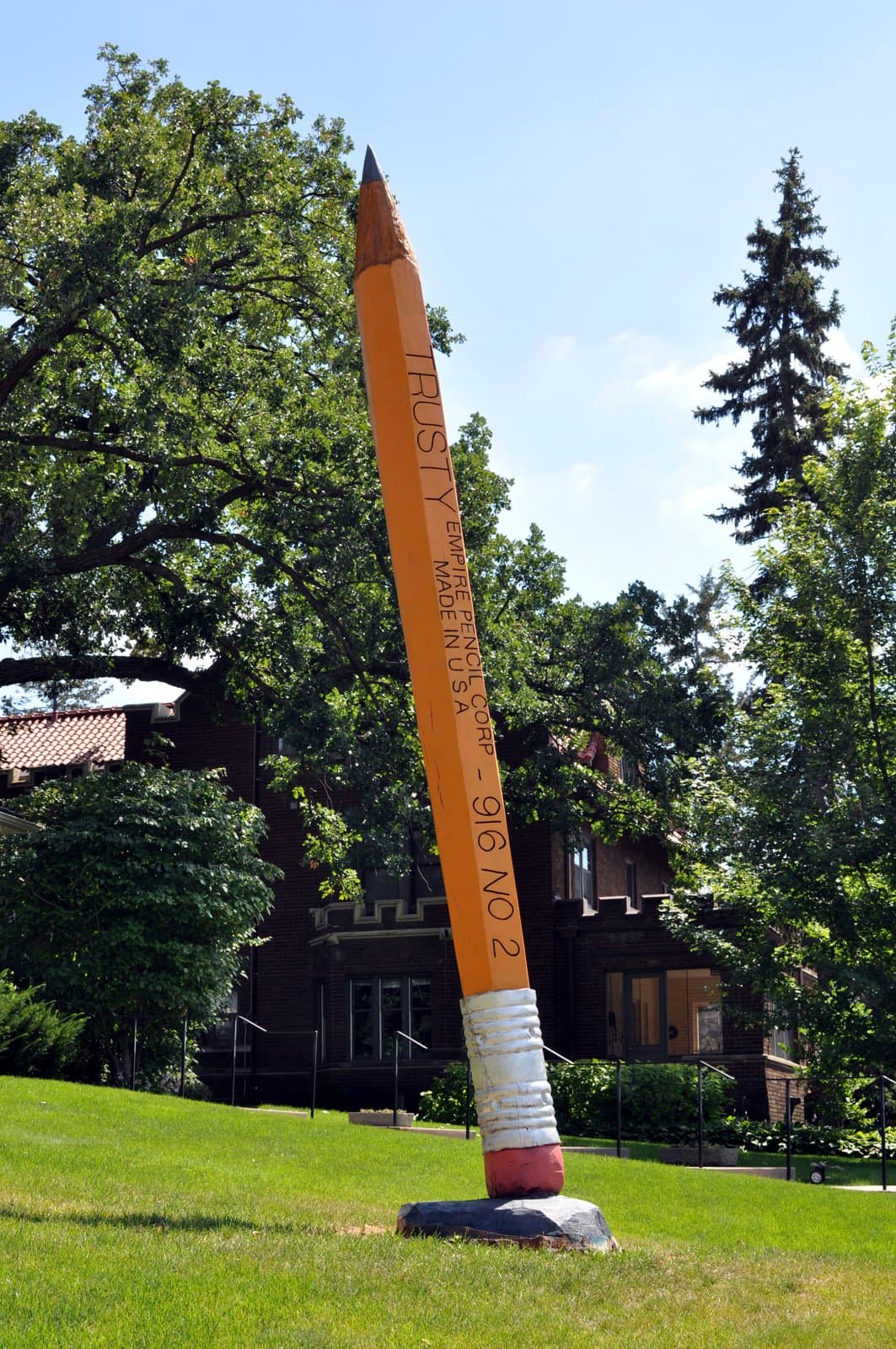
Community celebrates Lake of the Isles Pencil's 5th sharpening
Thousands gathered in East Isles on June 6, 2026, to watch the annual ceremonial sharpening of Minneapolis' giant pencil sculpture.
Neighborhood
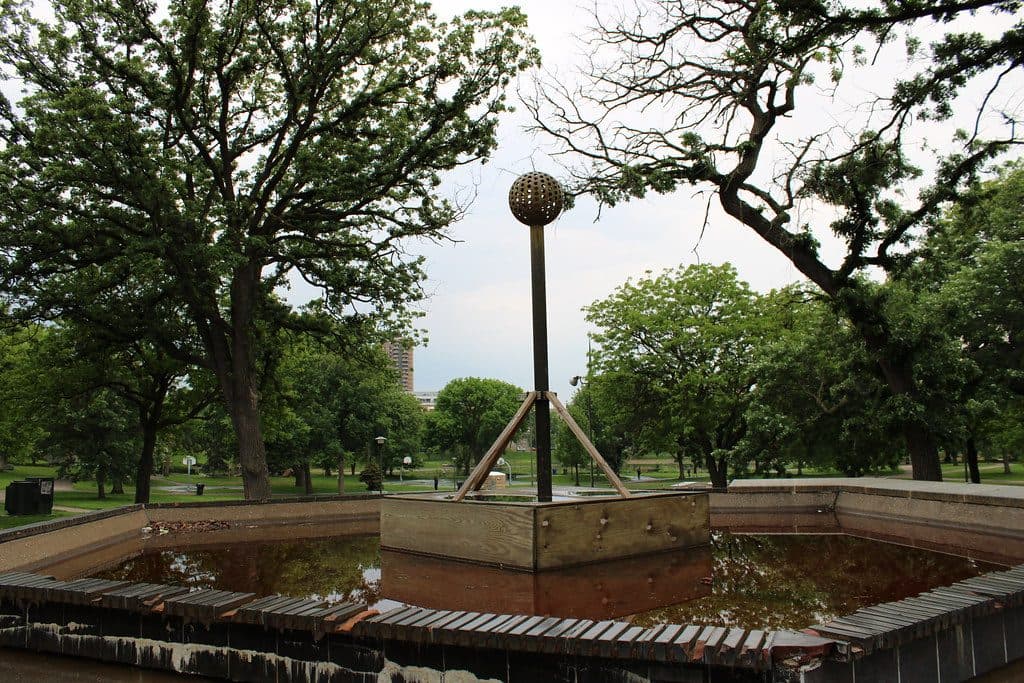
The end is in sight for Loring Park dandelion fountain's drought
State lawmakers approved $1.8 million for Berger Fountain repairs, and Park Board crews have begun demolition at the dry Loring Park landmark.
The neighborhood, in your inbox
Free. No paywall. Pick the topics you want — we send what’s happening this week.