NeighborhoodLowry HillLowry Hill East (The Wedge)
Ella Baker Global Studies Anchors Lowry Hill East
The K-8 magnet school emphasizes service learning and student-led inquiry.
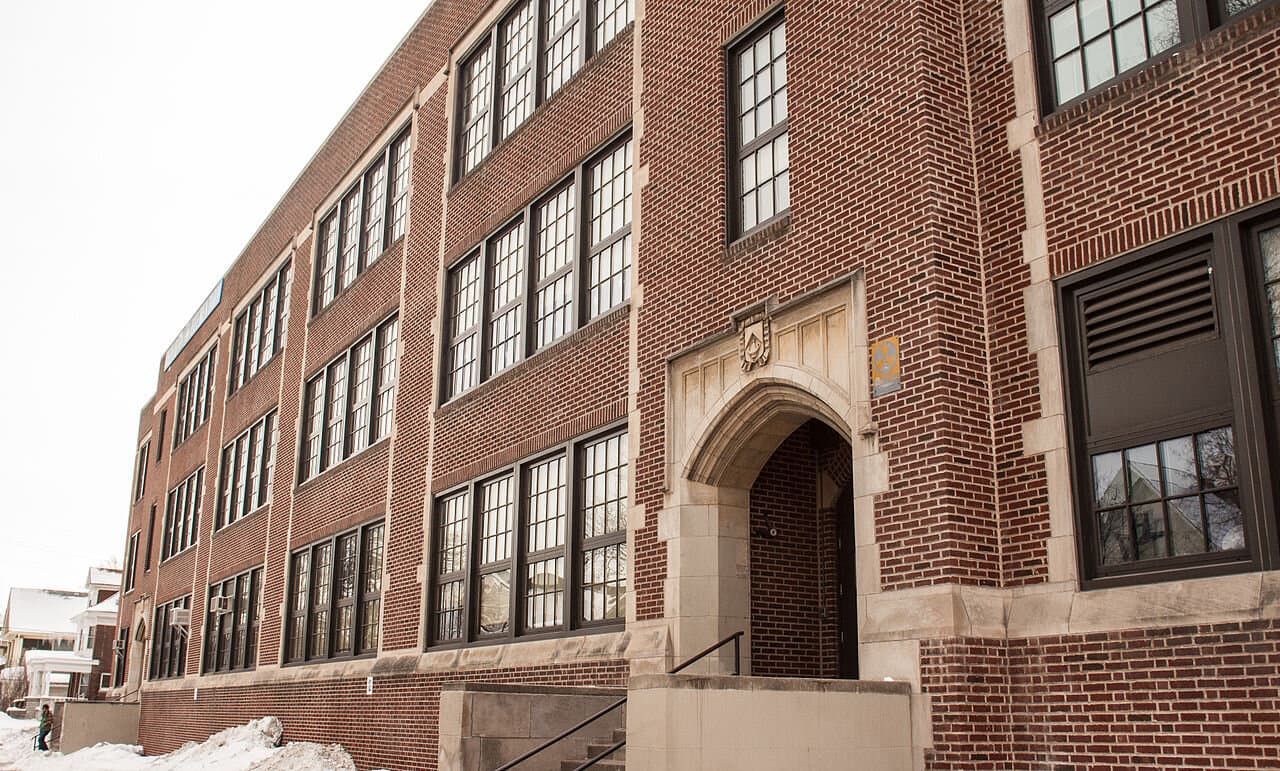
A magnet with a global lens
Just east of Lowry Hill proper, Ella Baker Global Studies and Humanities offers a different flavor of public education. The PK-8 magnet, at 1200 West 26th Street and named for the civil-rights organizer Ella Baker, builds its program around global studies and the humanities, with service learning and student-led inquiry at the core.
The school, which the district renamed from its former designation to better reflect its students and values, frames its mission around global competency standards, the skills and dispositions it says students need for a fast-changing world. Social-emotional learning, staff say, is meant to run through everything rather than sit beside it as a separate subject.
The name change was part of a broader district effort to align school identities with their communities. For families, the practical identity is less the name than the model: a magnet built around the idea that elementary and middle schoolers can take on real, outward-looking questions rather than waiting until high school to think about the wider world.
Because Ella Baker is a magnet, families from across Minneapolis can apply through the district's enrollment lottery rather than by neighborhood address. That gives it a citywide draw and a student body broader than its immediate blocks, a deliberate feature of the magnet model rather than an accident of geography. A family in another part of the city can win a seat; a family next door still has to enter the lottery.
The school describes an approach built on high expectations and an explicit anti-bias curriculum, aiming to graduate students who understand themselves, their community and the wider world. Quarterly themes and global competencies, its materials say, structure the year and connect classroom work to questions that reach well past 26th Street, with community partnerships bringing outside organizations into the building.
For Lowry Hill East residents, the school is both a neighbor and an option, sitting amid the Wedge's dense blocks of apartments and historic houses. Its presence adds a magnet choice to a part of the city already rich in school pathways, one reachable by lottery for families anywhere in Minneapolis and simply down the street for those nearby, though proximity confers no advantage in the draw.
Like the rest of the district, Ella Baker operates under budget pressure, and district planning documents have slated the building for facilities work. Those are the ordinary strains of a large urban system; what the school offers in return, its leaders argue, is a distinctive program that a family cannot find at every address.
The choice between a zoned neighborhood school and a magnet like Ella Baker is one many lakes-area families weigh, and it is rarely simple. A magnet promises a particular flavor of education and a citywide community; a neighborhood school promises proximity and the children of one's own block. Neither is obviously right, which is why the district maintains both.
For now, the school's pitch to families remains its founding idea: that a neighborhood magnet can teach children to see the world while keeping them close to home. Whether a given family finds that worth the lottery, and the commute that can come with a citywide draw, is the question Ella Baker asks each enrollment season.
NeighborhoodLowry HillLowry Hill East (The Wedge)
Related stories
Neighborhood
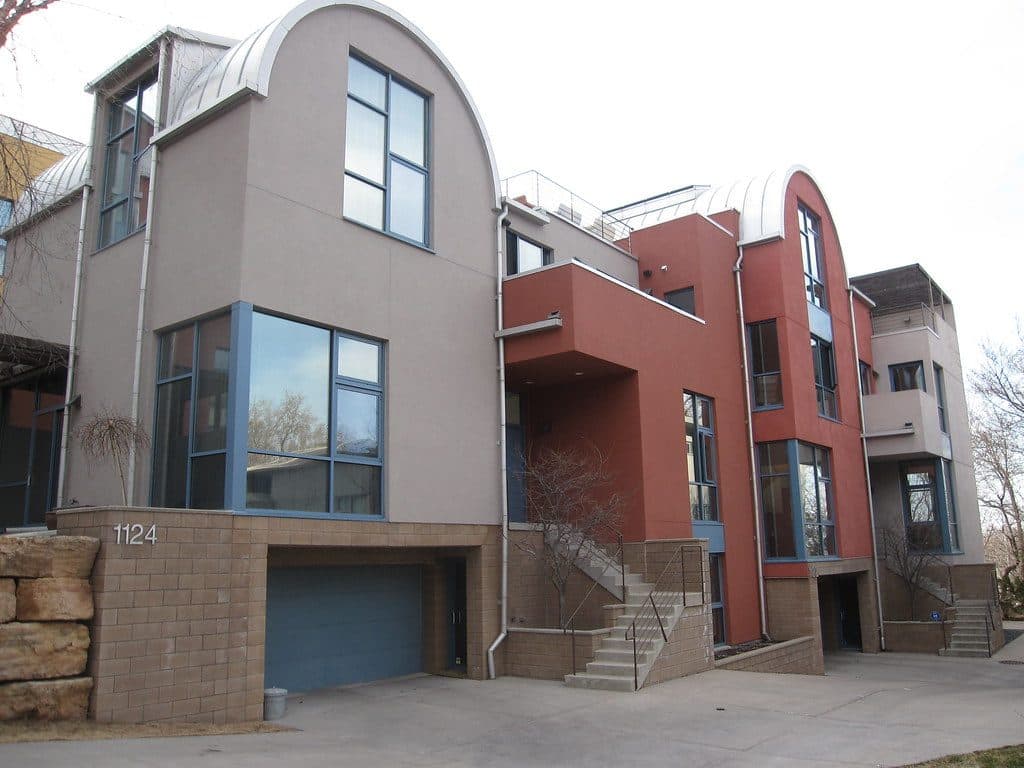
Lowry Hill and East Isles Land on Patch's List of Minnesota's Most Expensive Neighborhoods
Lowry Hill and East Isles rank among Minnesota's most expensive neighborhoods according to Patch's analysis of Niche's 2026 data.
Neighborhood
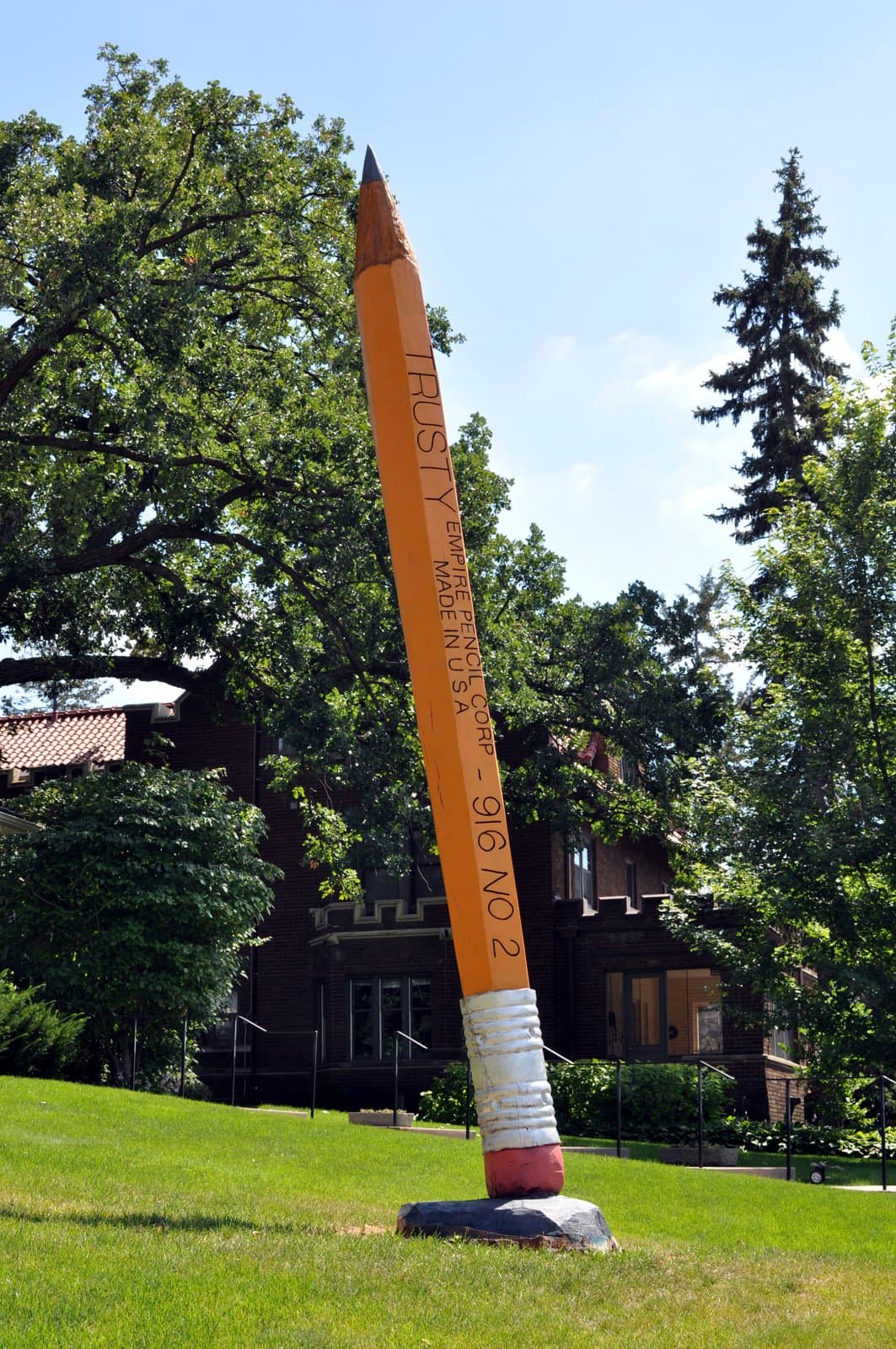
Community celebrates Lake of the Isles Pencil's 5th sharpening
Thousands gathered in East Isles on June 6, 2026, to watch the annual ceremonial sharpening of Minneapolis' giant pencil sculpture.
Neighborhood
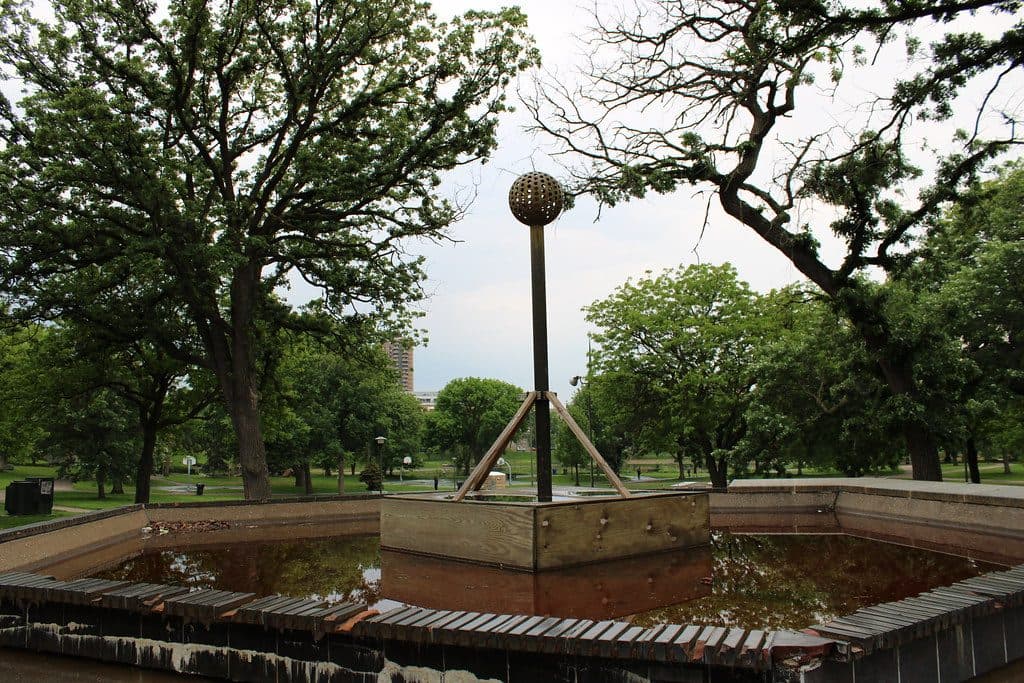
The end is in sight for Loring Park dandelion fountain's drought
State lawmakers approved $1.8 million for Berger Fountain repairs, and Park Board crews have begun demolition at the dry Loring Park landmark.
The neighborhood, in your inbox
Free. No paywall. Pick the topics you want — we send what’s happening this week.