NeighborhoodLowry Hill East (The Wedge)
Jefferson Community School Serves Families Near 26th Street
Jefferson Community School carries the community-school tradition in the blocks near Lowry Hill East.
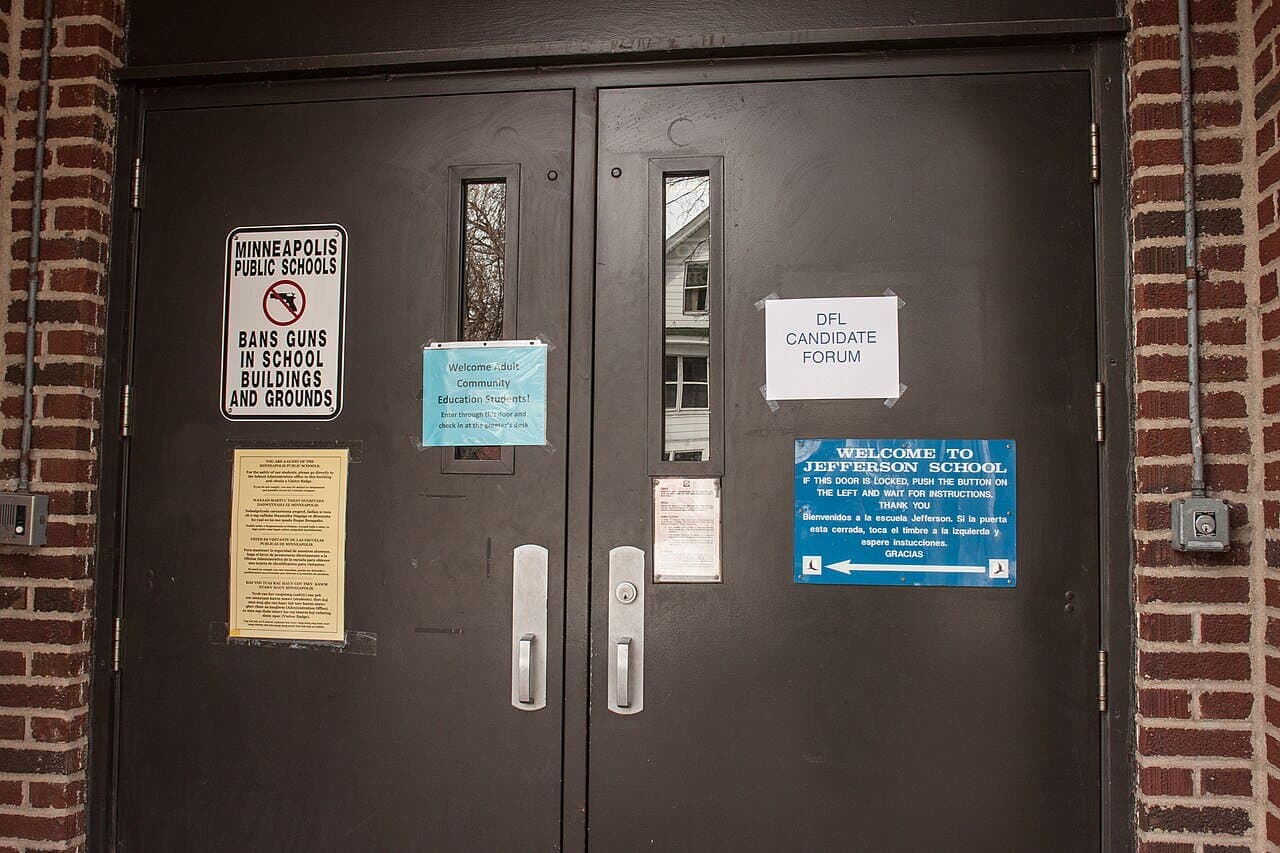
Jefferson Community School, serving the dense blocks near Lowry Hill East, is built around a model that puts the surrounding community at the center of the building's mission. The community-school philosophy holds that students do best when staff, parents, neighbors and local partners work together toward a shared instructional program.
The building has carried more than one name over the years, a reflection of how Minneapolis Public Schools has reorganized and rebranded buildings to match their students and missions. The community-school approach has been the throughline, outlasting any single sign over the door and any single attendance boundary.
That continuity is part of what makes the school a fixture for the surrounding streets. Names and programs change with district decisions; the daily reality of a school drawing children from the dense blocks around it has stayed constant for generations of neighbors.
The community-school model treats the school as more than a place where lessons happen between bells. It becomes a hub where families can find support, where neighborhood organizations can connect with young people, and where learning is understood to depend on safe and supportive environments outside the classroom as much as in it.
In practice, the model leans on partnerships: with nonprofits, with nearby congregations and community spaces, and with the neighborhood associations that organize civic life in the surrounding blocks. Advocates of community schools argue that wrapping academic, social and family supports into one building reaches children that a classroom alone cannot, particularly in neighborhoods where families face real economic pressure.
Critics note that the model is only as strong as its partners and its funding, both of which can prove fragile when budgets tighten, a caution that lands with particular force in the current district climate. Like other Minneapolis schools, Jefferson operates within a district navigating significant budget pressure, a strain that makes the community partnerships it cultivates all the more valuable.
For the families it serves, the proof is less in the philosophy than in whether the doors stay open and the partnerships hold, questions the coming budget years will test.
NeighborhoodLowry Hill East (The Wedge)
Related stories
Neighborhood
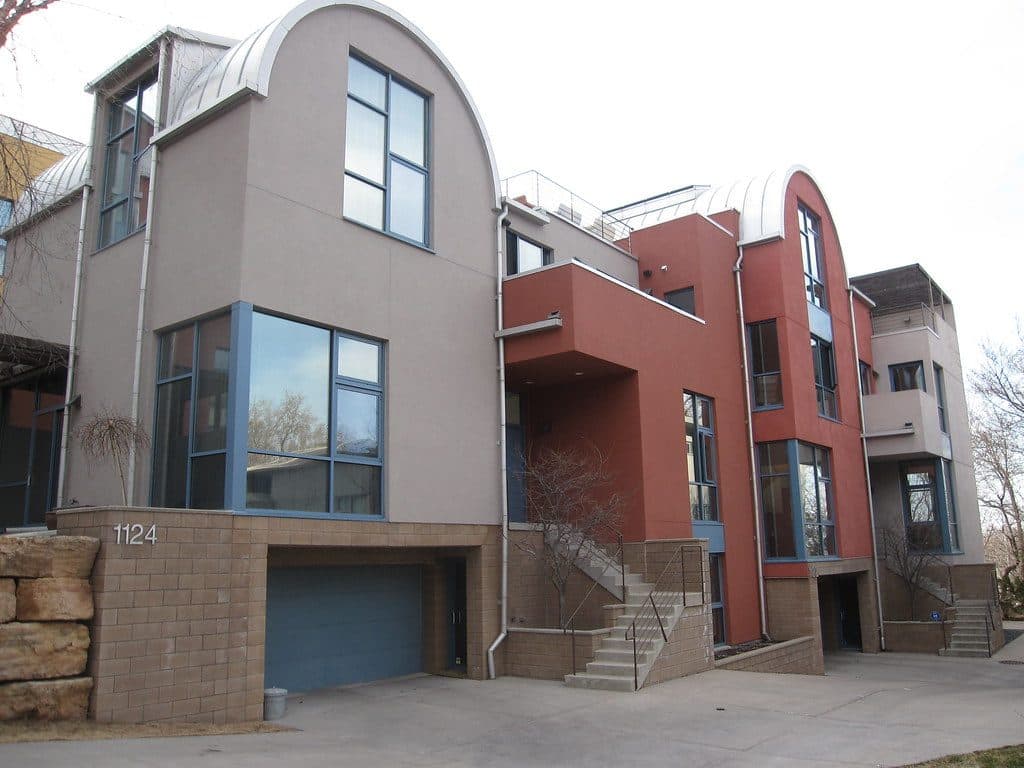
Lowry Hill and East Isles Land on Patch's List of Minnesota's Most Expensive Neighborhoods
Lowry Hill and East Isles rank among Minnesota's most expensive neighborhoods according to Patch's analysis of Niche's 2026 data.
Neighborhood
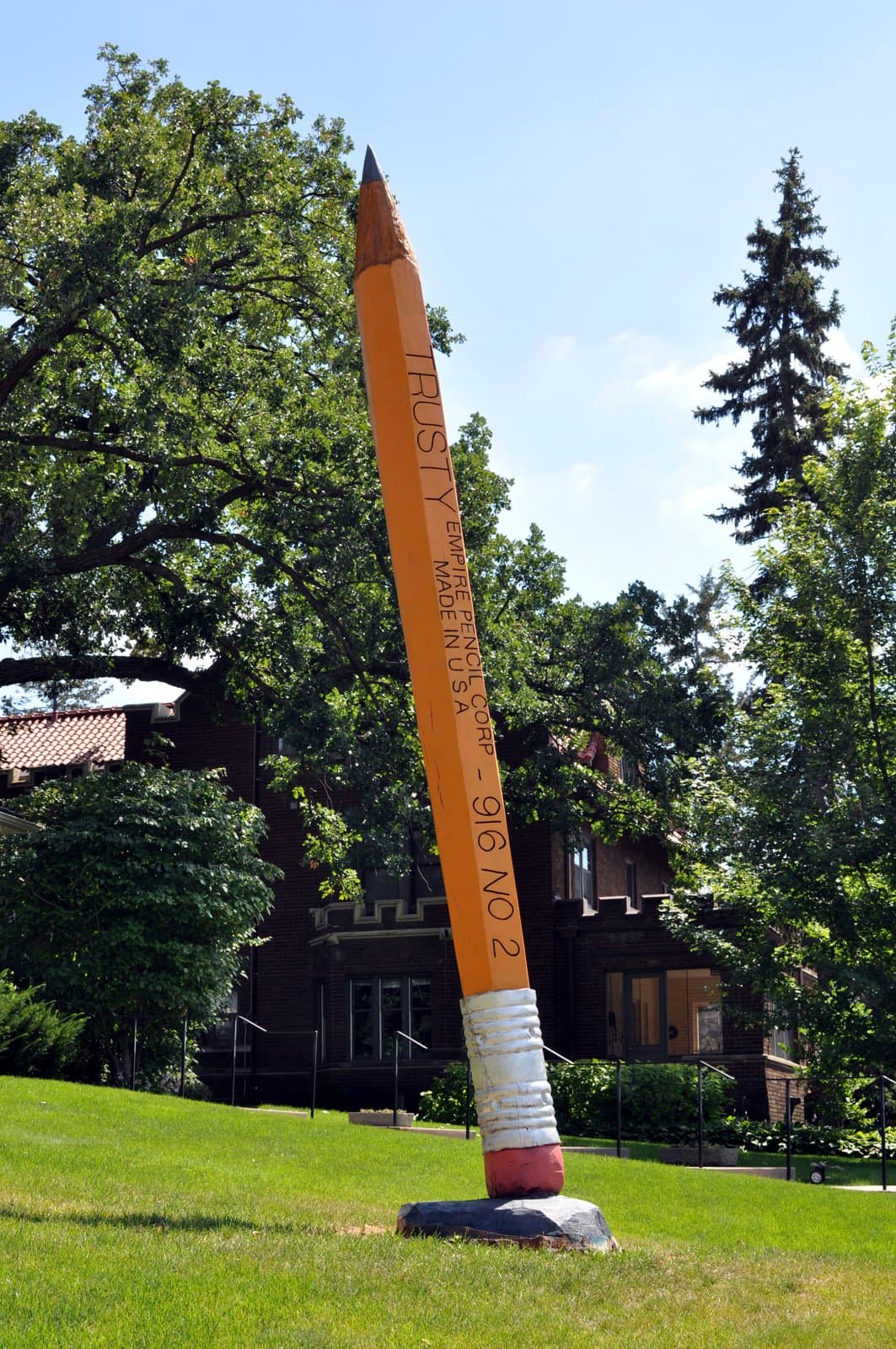
Community celebrates Lake of the Isles Pencil's 5th sharpening
Thousands gathered in East Isles on June 6, 2026, to watch the annual ceremonial sharpening of Minneapolis' giant pencil sculpture.
Neighborhood
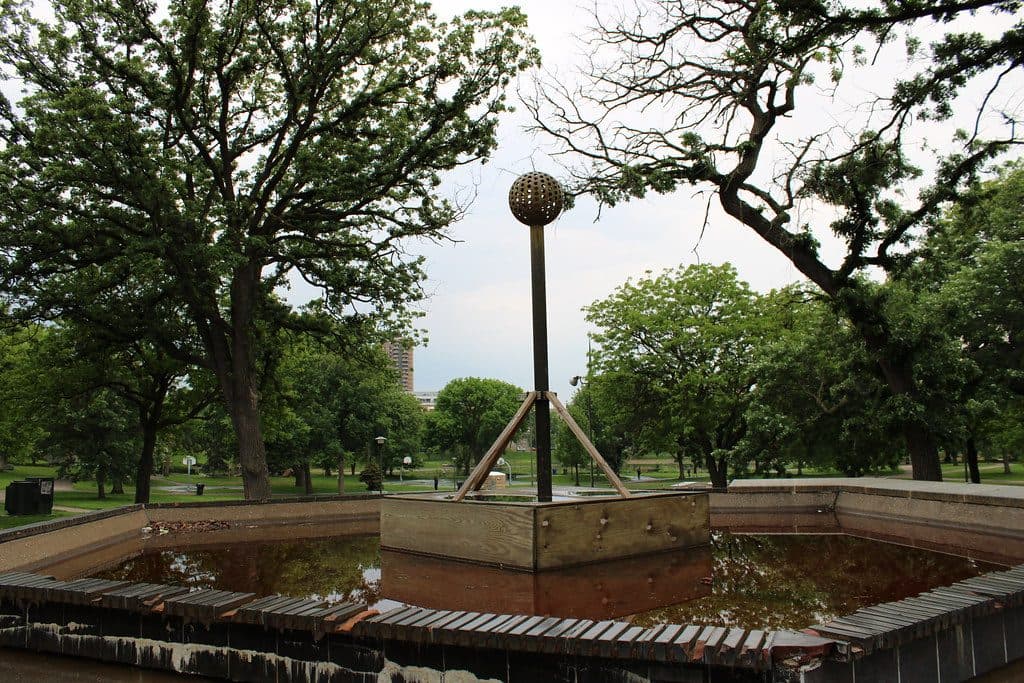
The end is in sight for Loring Park dandelion fountain's drought
State lawmakers approved $1.8 million for Berger Fountain repairs, and Park Board crews have begun demolition at the dry Loring Park landmark.
The neighborhood, in your inbox
Free. No paywall. Pick the topics you want — we send what’s happening this week.