NeighborhoodLowry HillLowry Hill East (The Wedge)
MPS Approves $279 Million Levy as Tax Bills Rise
The Minneapolis school board approved a $279 million property tax levy for 2025, a 12.6% increase that includes the voter-approved technology levy.
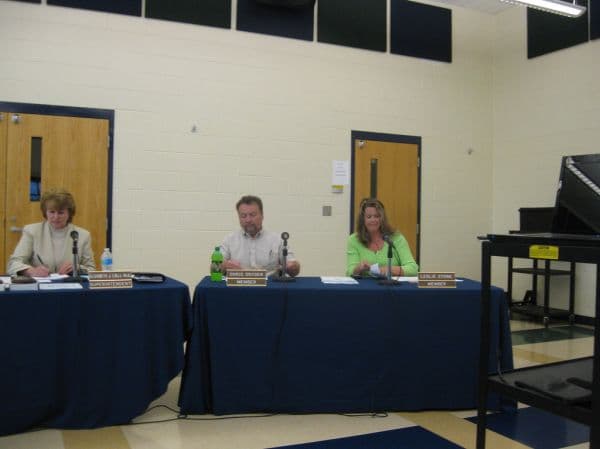
The Minneapolis Public Schools Board of Education approved a property tax levy of about $279 million at its Truth in Taxation meeting on Dec. 10, 2024, a 12.6% increase over the prior year. The new revenue becomes available in the 2025-26 school year and lands on the school portion of property-tax bills across the city, including in Lowry Hill.
The Truth in Taxation hearing is the annual, legally required step at which a Minnesota taxing body sets its final levy in public after notifying property owners of the proposed figure.
A large share of the increase comes from the technology levy that Minneapolis voters approved on Nov. 5, 2024, which replaced an expiring roughly $18 million-a-year capital levy with a $38 million-a-year levy — an increase of about $20 million annually. Because voters authorized that measure directly, it is a cost residents chose, distinct from the portion the board sets on its own.
The double-digit jump arrived as the district warned of a continuing budget deficit for the following school year despite the larger levy. The rest of the increase reflects rising salaries, benefits, transportation and building costs outpacing state aid, which leaves local property taxes as the main lever a school board can pull.
Because the levy is pegged to property values, higher-value neighborhoods such as Lowry Hill contribute the most in raw dollars, which is part of why the levy debate is followed closely here even among residents without children in the schools.
NeighborhoodLowry HillLowry Hill East (The Wedge)
Related stories
Neighborhood
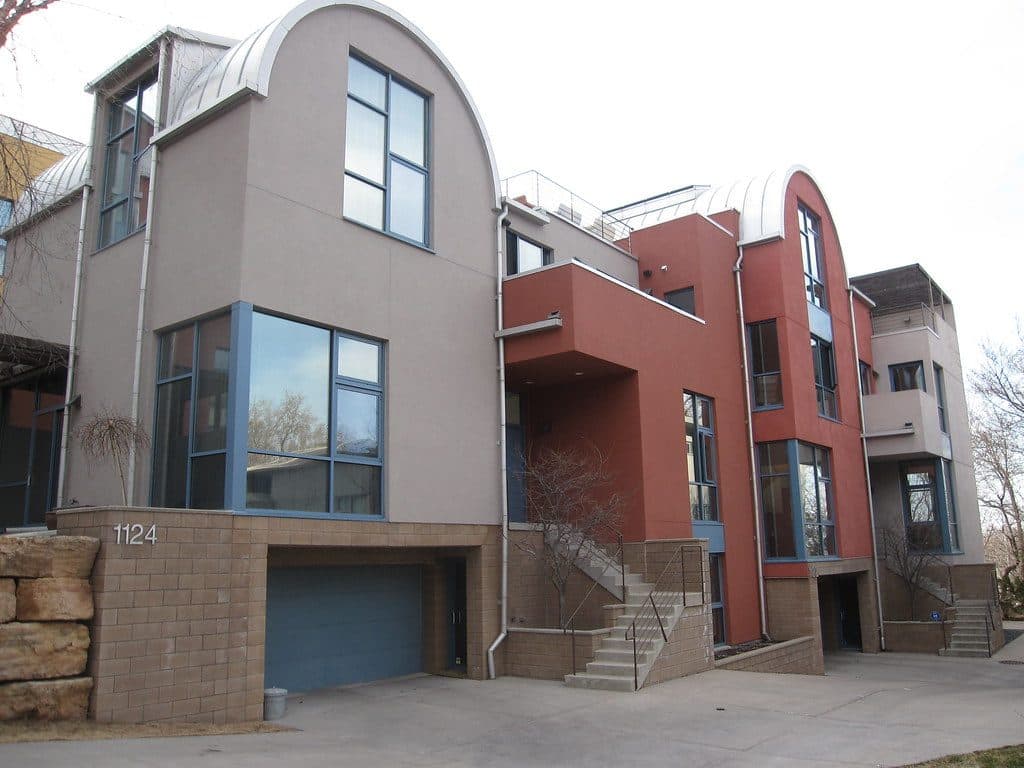
Lowry Hill and East Isles Land on Patch's List of Minnesota's Most Expensive Neighborhoods
Lowry Hill and East Isles rank among Minnesota's most expensive neighborhoods according to Patch's analysis of Niche's 2026 data.
Neighborhood
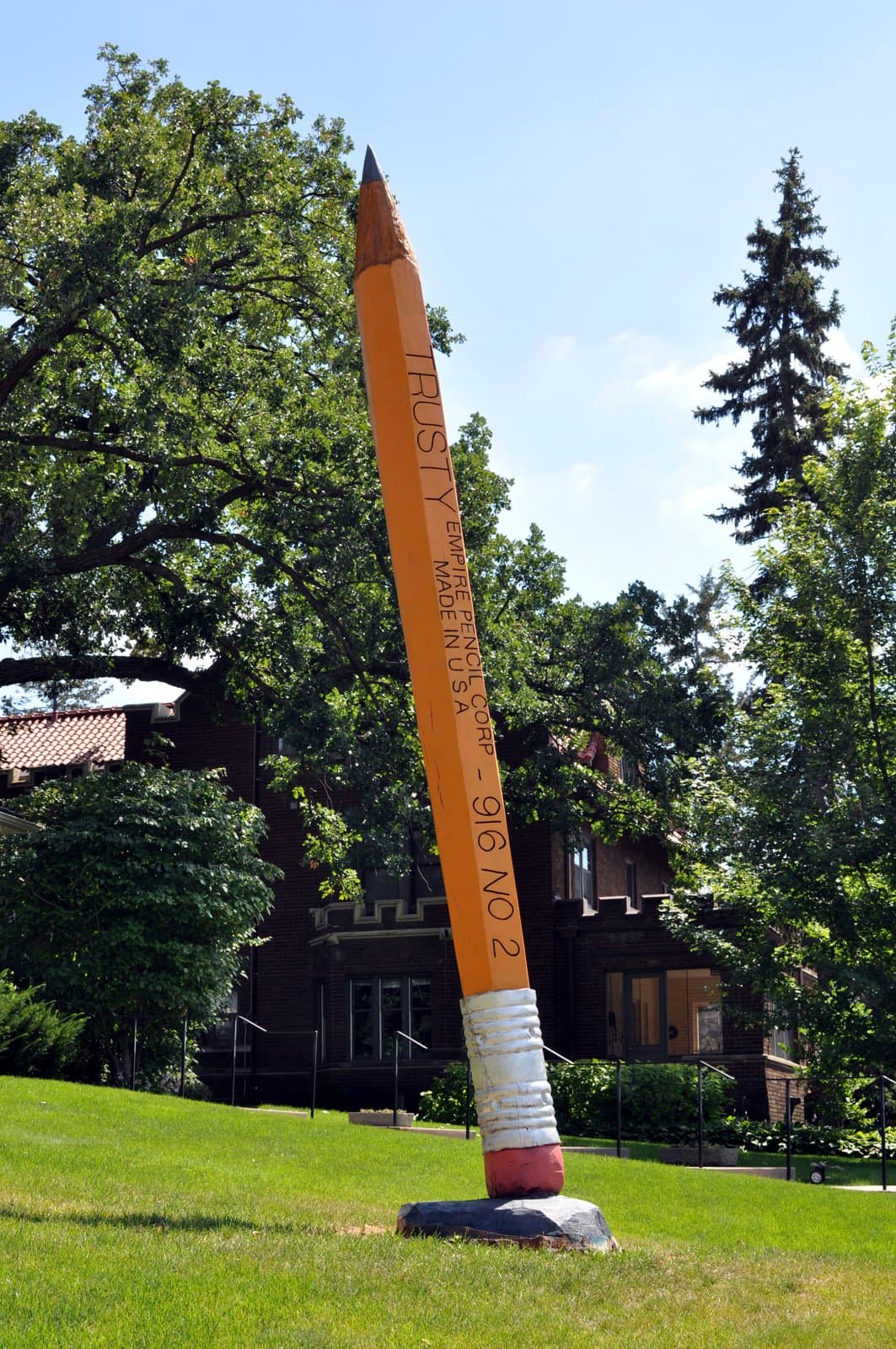
Community celebrates Lake of the Isles Pencil's 5th sharpening
Thousands gathered in East Isles on June 6, 2026, to watch the annual ceremonial sharpening of Minneapolis' giant pencil sculpture.
Neighborhood
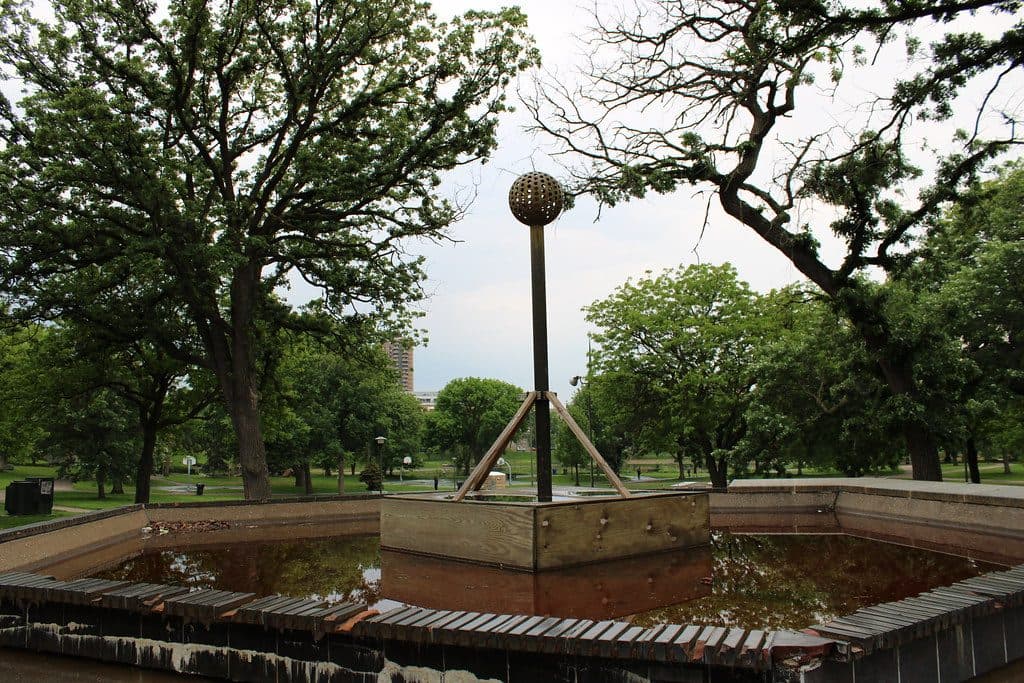
The end is in sight for Loring Park dandelion fountain's drought
State lawmakers approved $1.8 million for Berger Fountain repairs, and Park Board crews have begun demolition at the dry Loring Park landmark.
The neighborhood, in your inbox
Free. No paywall. Pick the topics you want — we send what’s happening this week.