NeighborhoodLowry HillLowry Hill East (The Wedge)
Voters Backed the Tech Levy. Here's What It Pays For.
Minneapolis voters approved a $20 million-a-year increase to the school district's technology levy in November 2024, replacing an expiring authorization.
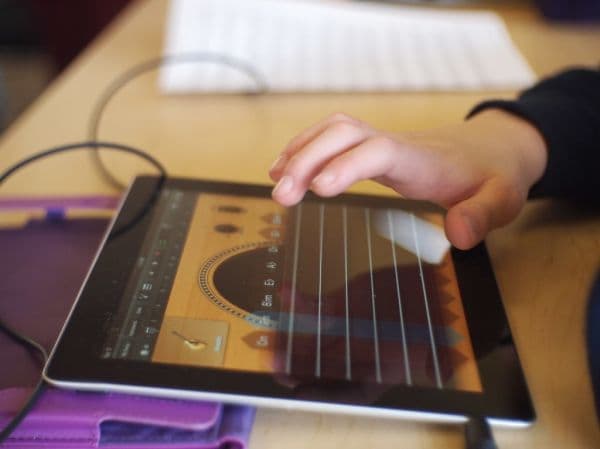
Minneapolis voters approved Minneapolis Public Schools' technology capital project levy on Nov. 5, 2024, by a margin of 66% to 34%. The measure replaced an existing roughly $18 million-a-year capital levy that was set to expire with a new $38 million-a-year levy running for 10 years, beginning in 2025 — an increase of about $20 million annually.
Because it was a replacement rather than a wholly new tax, the choice on the ballot was effectively between renewing and enlarging the levy or letting it lapse and facing a funding cliff. The district said the measure would add about $8 a month, or $96 a year, to taxes on a $350,000 home.
The district says the money pays for purchasing, installing and maintaining technology systems, equipment, infrastructure, security and support staffing — the devices, software and networks classrooms now rely on. Officials had said the older levy did not cover all of the district's technology costs, forcing MPS to pull from its general fund; the larger levy frees those general-fund dollars for other operations.
Because the levy is tied to property values, homeowners in higher-value neighborhoods such as Lowry Hill pay a proportionally larger share than the same measure would draw from a lower-value part of the city. The technology levy does not close the district's broader budget gap, but it gives voters a rare line item they can trace to a specific purpose.
NeighborhoodLowry HillLowry Hill East (The Wedge)
Related stories
Neighborhood
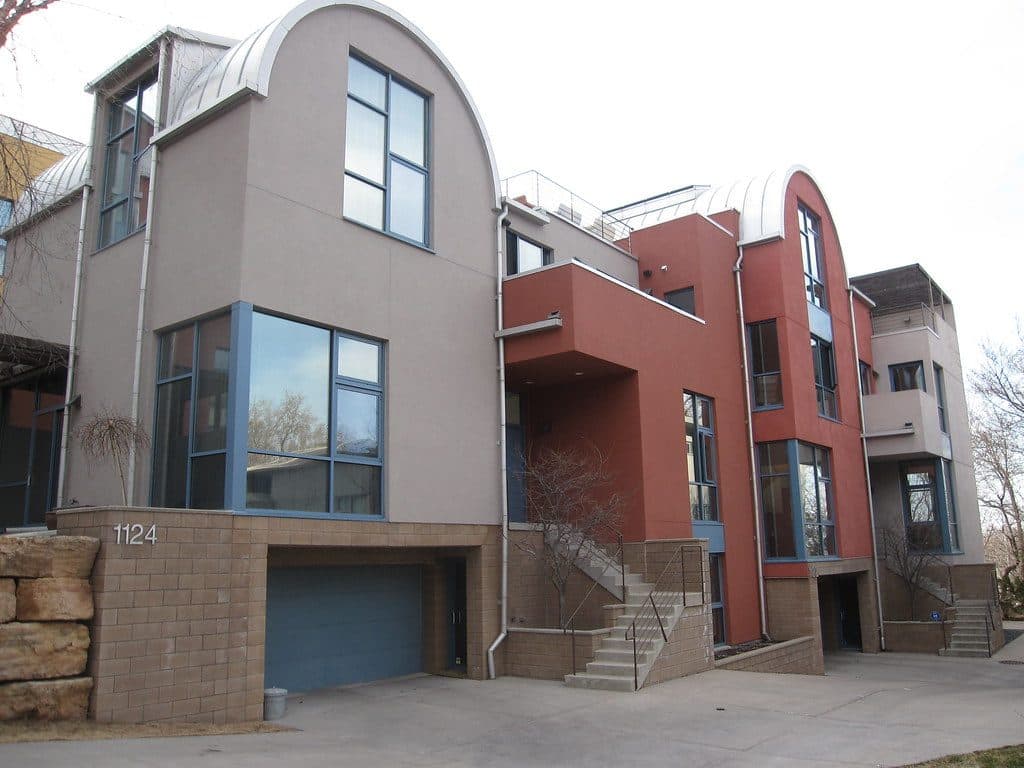
Lowry Hill and East Isles Land on Patch's List of Minnesota's Most Expensive Neighborhoods
Lowry Hill and East Isles rank among Minnesota's most expensive neighborhoods according to Patch's analysis of Niche's 2026 data.
Neighborhood
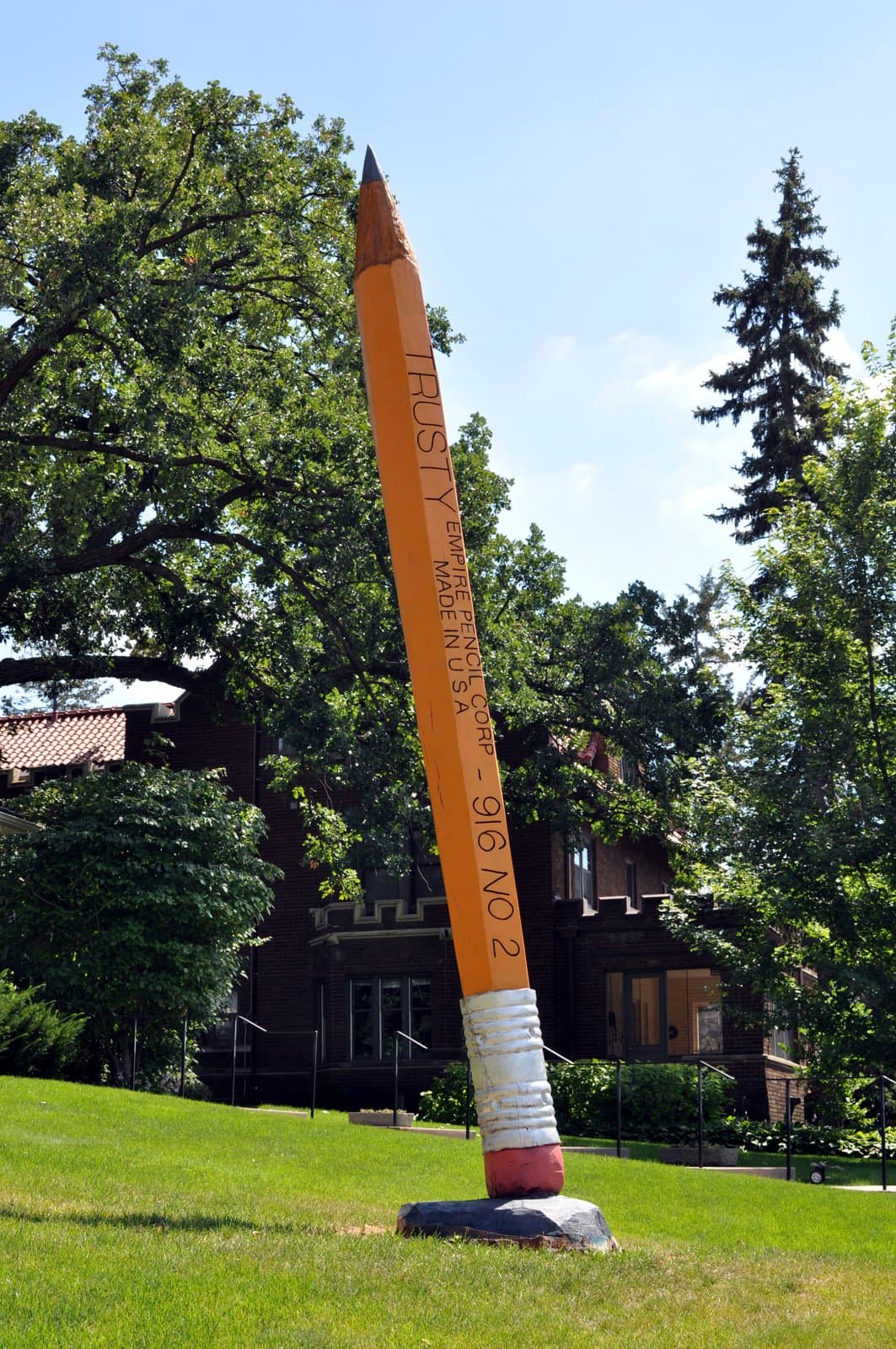
Community celebrates Lake of the Isles Pencil's 5th sharpening
Thousands gathered in East Isles on June 6, 2026, to watch the annual ceremonial sharpening of Minneapolis' giant pencil sculpture.
Neighborhood
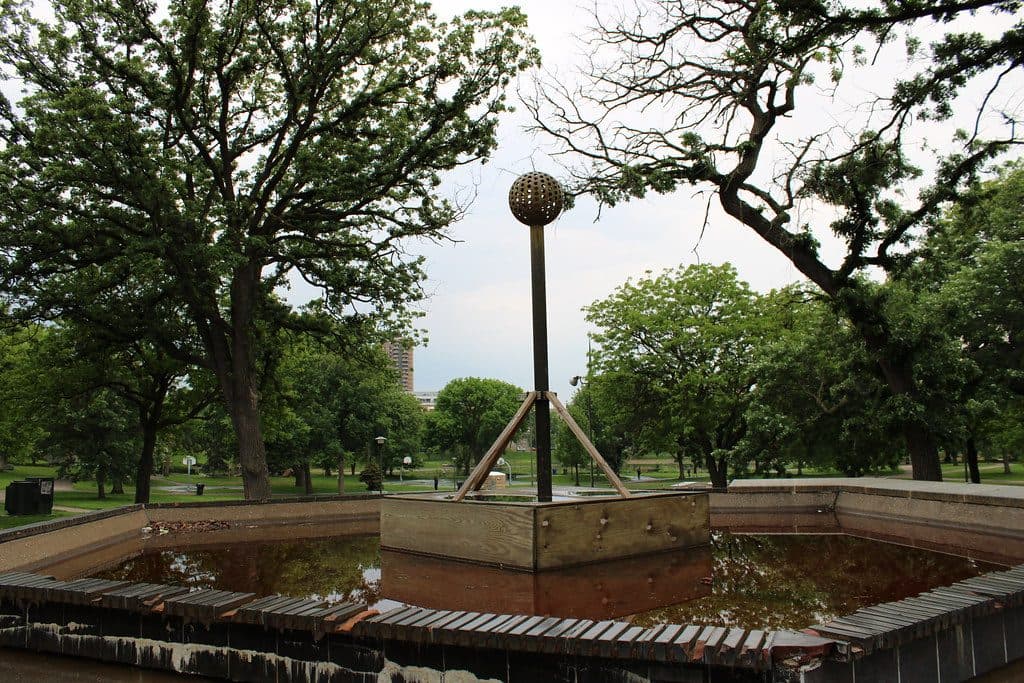
The end is in sight for Loring Park dandelion fountain's drought
State lawmakers approved $1.8 million for Berger Fountain repairs, and Park Board crews have begun demolition at the dry Loring Park landmark.
The neighborhood, in your inbox
Free. No paywall. Pick the topics you want — we send what’s happening this week.