NeighborhoodLowry HillCedar-Isles-DeanKenwood
Kenwood's School Forest Brings the Classroom to Cedar Lake
Outdoor education at the nearby School Forest extends learning into nature.
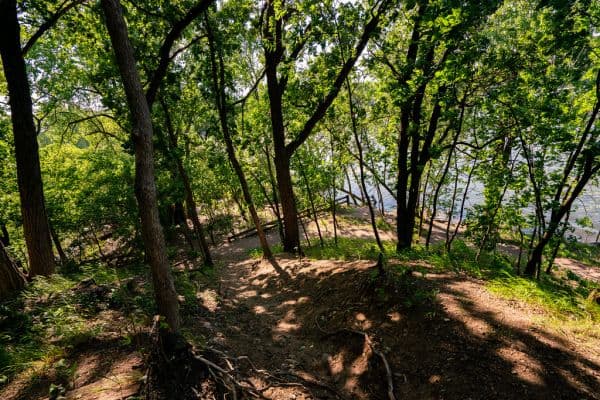
Lessons under the canopy
For Kenwood Community School, the woods are part of the curriculum. The school's ties to the School Forest at Cedar Lake give teachers a natural classroom within easy reach, a place where science, observation and stewardship come together outside the building's walls.
Minnesota's school forest tradition, in which schools partner to use designated natural areas for hands-on learning, gives the arrangement a structure older than any current class. Kenwood's proximity to Cedar Lake makes it an unusually convenient fit, close enough that a single class period can include time among the trees rather than a full-day expedition.
That convenience is the difference between an occasional field trip and a recurring habit. When the forest is a short walk away, a teacher can take a class out to check on a seasonal change one week and return the next, building the kind of repeated observation that turns a single visit into a genuine unit of study.
Educators say the forest lets children encounter concepts they would otherwise meet only on a page: watching seasons turn, tracking wildlife, measuring growth and learning how an ecosystem fits together. The lessons double as stewardship, teaching children that the green space they enjoy is something to care for rather than merely visit, an ethic the surrounding neighborhood shares.
The arrangement fits Kenwood's broader identity as a school that treats its surroundings, from Kenwood Park to the lakeshore, as teaching assets rather than mere scenery. It dovetails, too, with the school's Smarts + Arts approach, where observation and creative work often happen in the same outing, a sketchbook as likely to come along as a clipboard.
Research on outdoor and place-based education has long suggested benefits for engagement and retention, and a growing number of schools nationally have moved learning outdoors where they can. Kenwood's advantage is geography: few urban schools have a forest and a lake within walking distance, and the school has organized itself to use what it has.
It also reinforces a neighborhood ethic that prizes green space, linking the school's outdoor learning to the parks and parkways that define this part of Minneapolis. For a neighborhood that organizes cleanups and adopts storm drains to protect its lakes, a school that teaches children to value the same water feels of a piece with the place.
For parents, the practical appeal is simple: their children spend part of the school day outdoors, in a place the family likely already loves and visits on weekends. The forest is not a reward withheld for good behavior but a regular setting for learning, which is precisely the point.
For teachers, the forest is a resource no budget line can easily replace, a reason, they say, that Kenwood's setting is not incidental to its education but central to it. As the district weighs cuts elsewhere, the School Forest costs little and delivers much, the kind of asset a strapped school is glad to have already in hand.
NeighborhoodLowry HillCedar-Isles-DeanKenwood
Related stories
Neighborhood
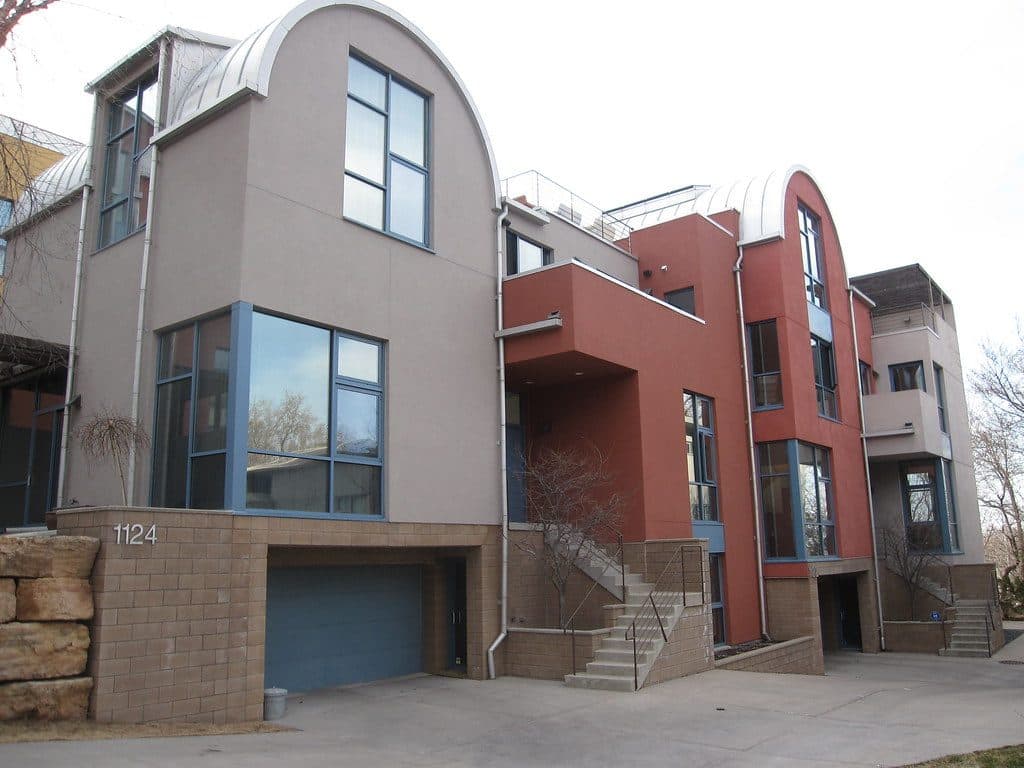
Lowry Hill and East Isles Land on Patch's List of Minnesota's Most Expensive Neighborhoods
Lowry Hill and East Isles rank among Minnesota's most expensive neighborhoods according to Patch's analysis of Niche's 2026 data.
Neighborhood
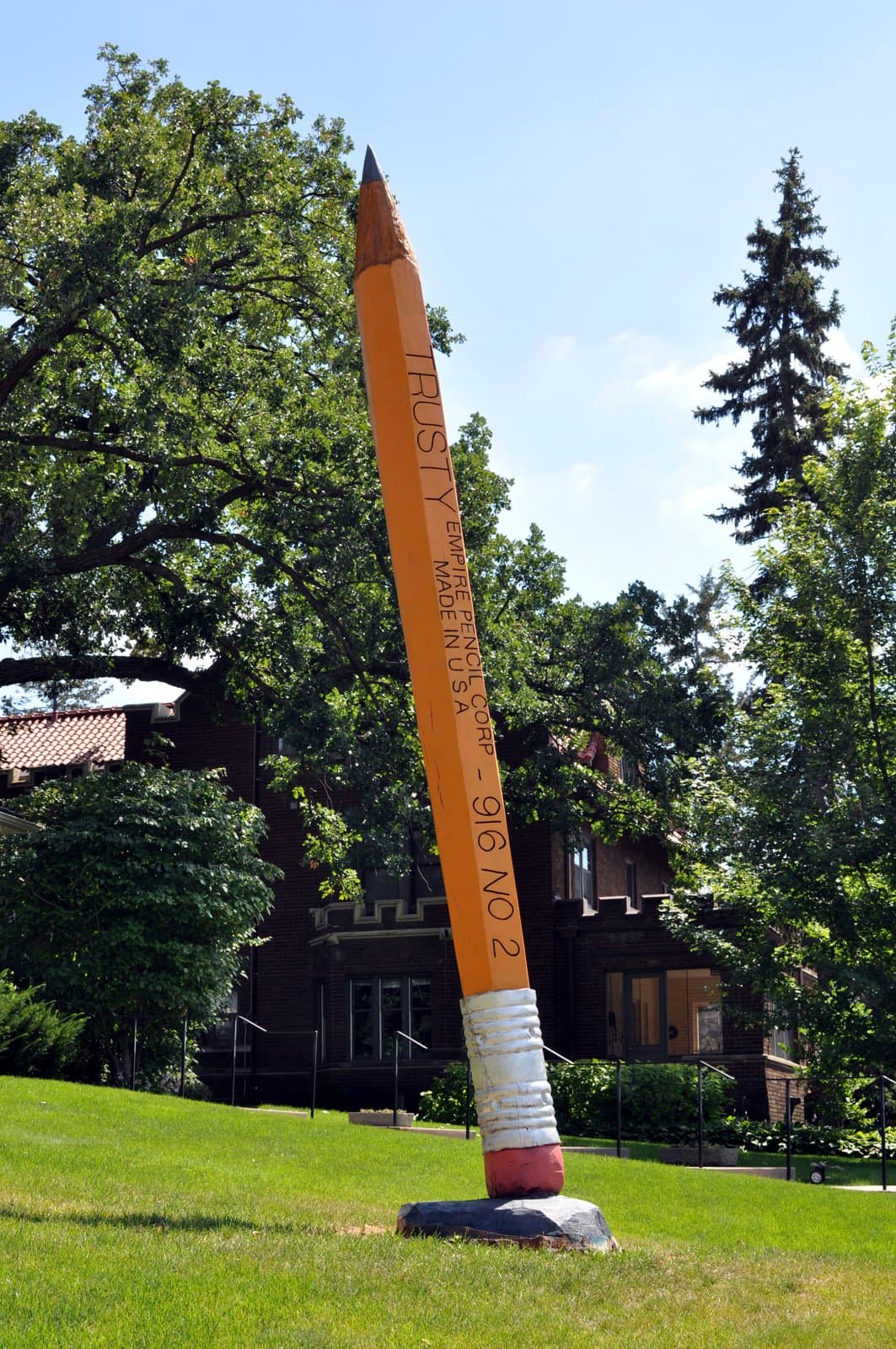
Community celebrates Lake of the Isles Pencil's 5th sharpening
Thousands gathered in East Isles on June 6, 2026, to watch the annual ceremonial sharpening of Minneapolis' giant pencil sculpture.
Neighborhood
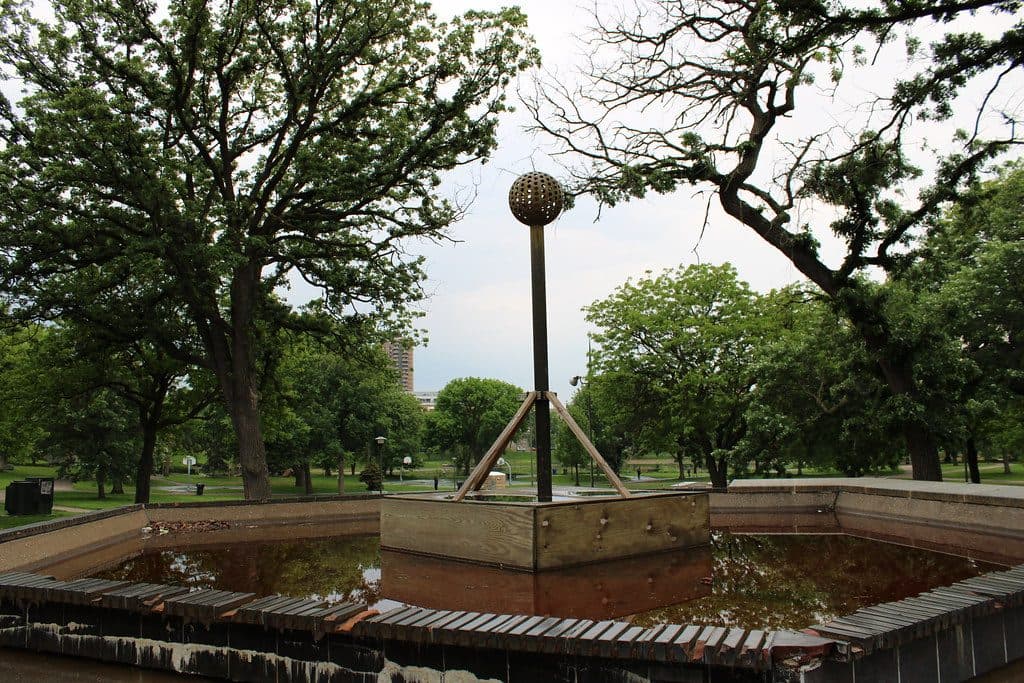
The end is in sight for Loring Park dandelion fountain's drought
State lawmakers approved $1.8 million for Berger Fountain repairs, and Park Board crews have begun demolition at the dry Loring Park landmark.
The neighborhood, in your inbox
Free. No paywall. Pick the topics you want — we send what’s happening this week.