NeighborhoodLowry HillKenwood
A Welcome for Kenwood's Newest Families
With high turnover, the school leans on its welcoming traditions.
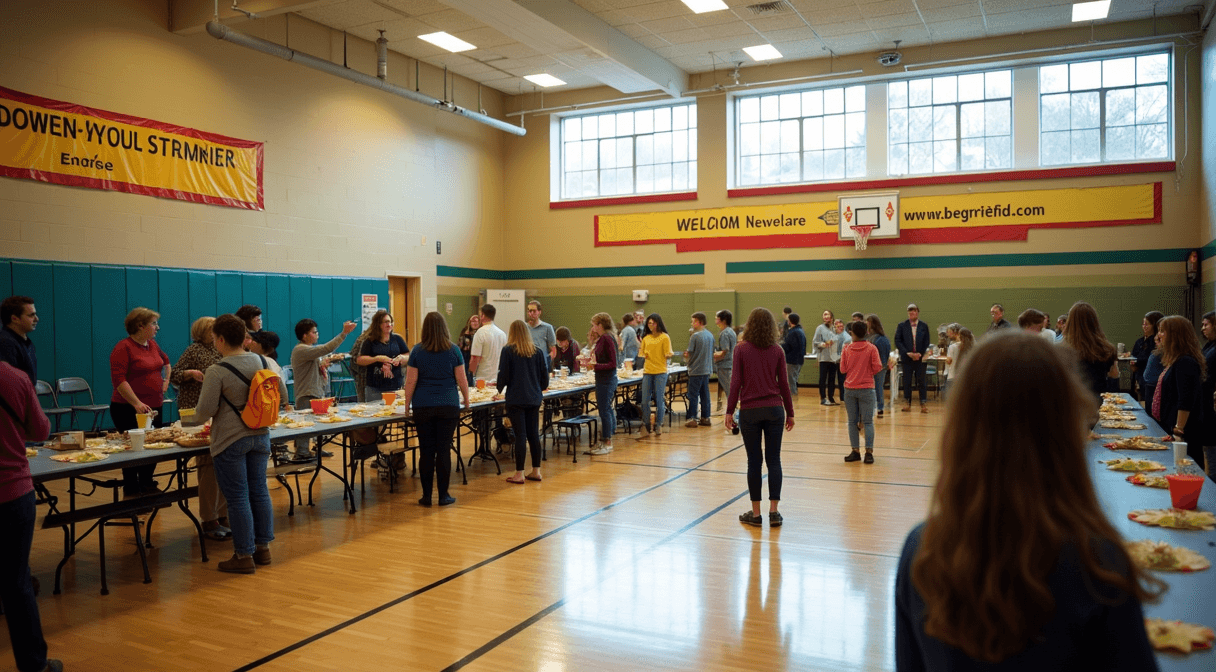
The art of the warm welcome
Walk into Kenwood Community School in early autumn and you will find a building working hard to make strangers feel at home. With a large share of its families new in recent years, the school has leaned into the welcome as a core competency rather than a courtesy.
The turnover is real and ongoing, and the school treats it as a design problem rather than a complaint. If a meaningful fraction of the community is new each fall, organizers reason, then welcoming cannot be left to chance; it has to be built into the calendar and the culture, repeated every year like the first day itself.
That deliberateness sets Kenwood apart from schools that assume a stable population. Here, the working assumption is churn, and the institution has organized around it, with traditions designed specifically to shorten the distance between arrival and belonging.
The Woodchuck community, as the PTA frames it, extends its arms to new families, interested neighbors and prospective parents alike. Orientation events, room-parent pairings and family nights all serve to shorten the distance between a nervous first day and a sense of belonging, giving newcomers a name to find and a task to do almost immediately.
Staff say the steady turnover is partly a function of the neighborhood's housing market, where rentals and moves churn the population, and partly a reflection of a mobile city. Whatever the cause, the school has decided that the answer is hospitality, practiced deliberately and repeated every year rather than improvised each September.
Longtime parents play an outsized role in that work. The veterans who stay involved after their own children move on become the keepers of how things actually run, the people who can tell a new family which committee needs hands and which tradition is worth protecting. Their continuity is what lets the school re-form each year without starting from scratch.
There is a quieter benefit to the welcome, too. Families who feel genuinely folded in are likelier to stay involved, to volunteer, to fundraise, to show up. In a district under budget strain, a school that converts newcomers into participants is also building the volunteer base it will lean on when district dollars thin.
For a family arriving cold, the experience is meant to be disarmingly easy: an event to attend, a room parent to meet, a small job to do that turns a stranger into a participant within weeks. The school's wager is that belonging, once offered, tends to be accepted, and that the favor gets passed on to the next arrivals.
The payoff, longtime parents say, is a community that re-forms each year without losing its character, a school that feels familiar even as its faces change. In a neighborhood where so much turns over, that constancy is precisely what families say they are looking for, and what the welcome is built to deliver.
NeighborhoodLowry HillKenwood
Related stories
Neighborhood
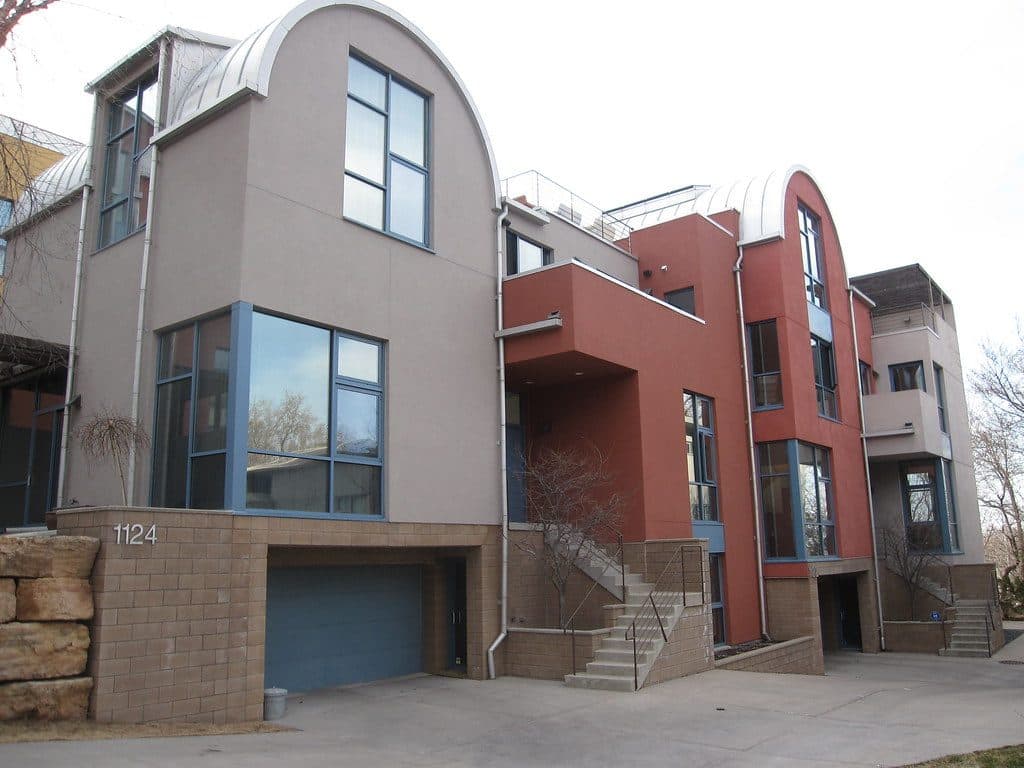
Lowry Hill and East Isles Land on Patch's List of Minnesota's Most Expensive Neighborhoods
Lowry Hill and East Isles rank among Minnesota's most expensive neighborhoods according to Patch's analysis of Niche's 2026 data.
Neighborhood
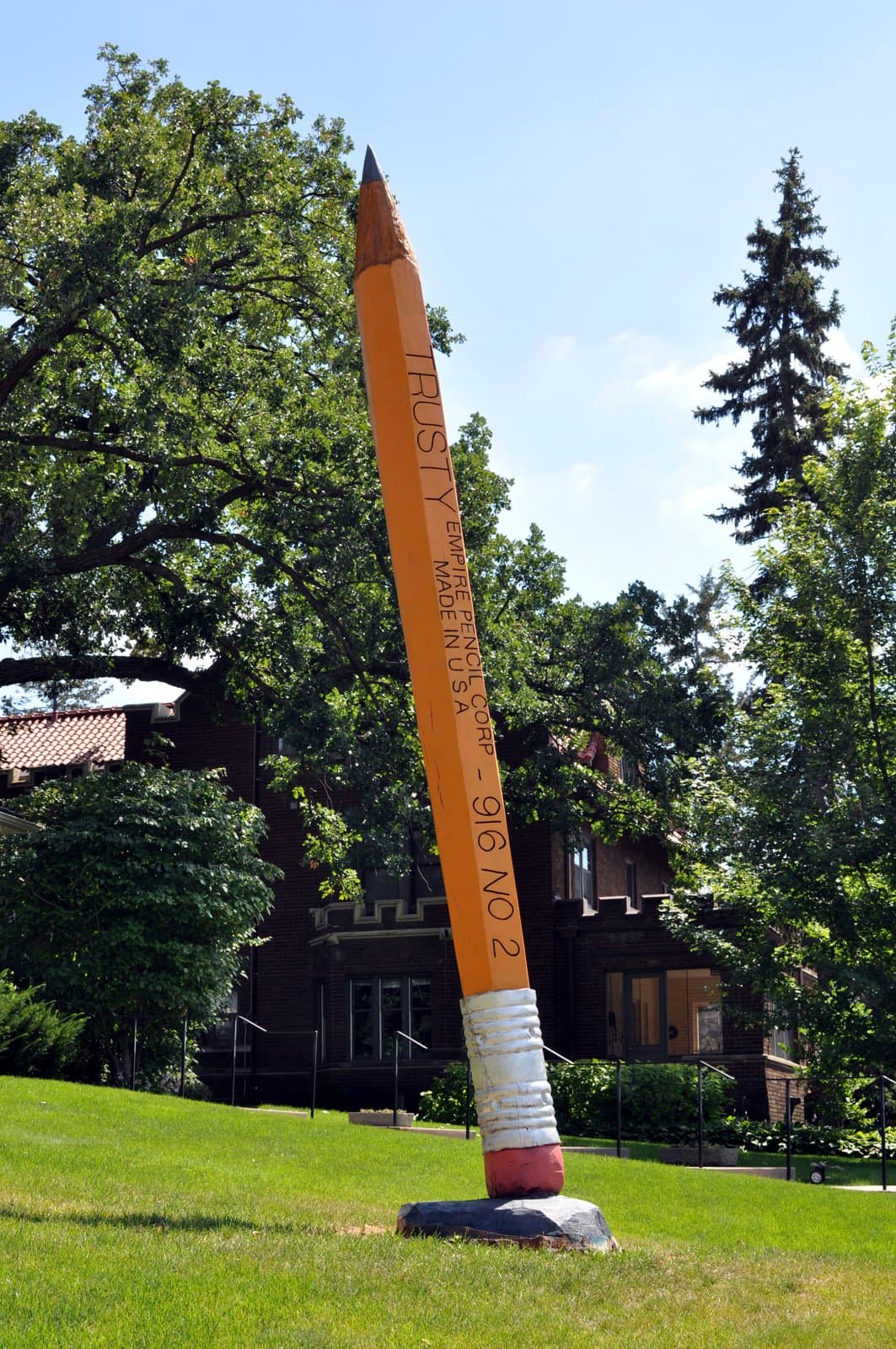
Community celebrates Lake of the Isles Pencil's 5th sharpening
Thousands gathered in East Isles on June 6, 2026, to watch the annual ceremonial sharpening of Minneapolis' giant pencil sculpture.
Neighborhood
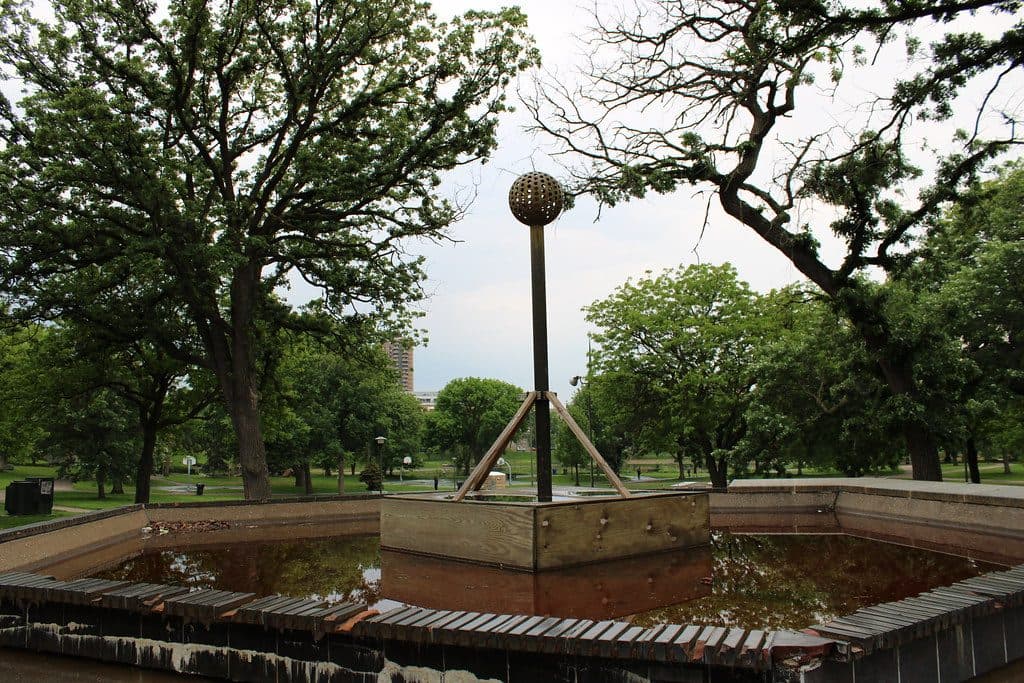
The end is in sight for Loring Park dandelion fountain's drought
State lawmakers approved $1.8 million for Berger Fountain repairs, and Park Board crews have begun demolition at the dry Loring Park landmark.
The neighborhood, in your inbox
Free. No paywall. Pick the topics you want — we send what’s happening this week.