NeighborhoodLowry Hill East (The Wedge)
The Wedge's Schools: Choice on Every Block
Lowry Hill East offers a dense mix of public, magnet and nearby options.
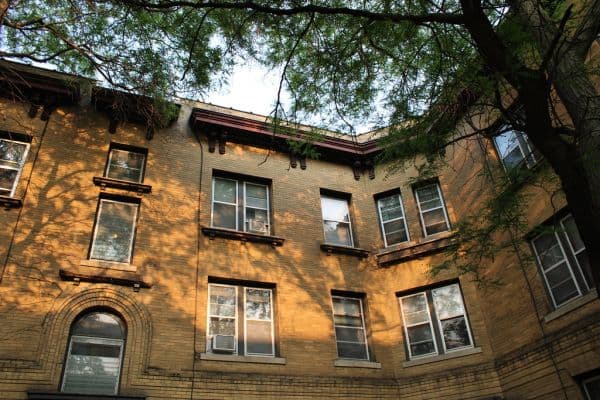
Education in a dense neighborhood
With thousands of residents packed into its triangular footprint, Lowry Hill East, the neighborhood Minneapolitans call the Wedge, is one of the most densely populated corners of the city. Its school landscape is correspondingly varied.
Density shapes everything here, including how families think about school. A neighborhood this compact and this populous generates a steady stream of children weighing options at once, and a housing stock dominated by apartments means many of those families arrive and depart as leases turn over rather than putting down decades-long roots.
That churn does not make the Wedge transient so much as constantly renewing. Each year brings a fresh cohort of families navigating the same questions about where their children will go to school, and the institutions that serve them have learned to expect, and plan for, that turnover.
Families in the Wedge can look to neighborhood-zoned schools for their assigned pathway, to the Ella Baker Global Studies and Humanities magnet within the neighborhood itself, and to a broader district menu reachable by lottery or transfer. The proximity of a magnet school inside the neighborhood is unusual and gives Wedge families a citywide option close to home, though, as with any magnet, a nearby address confers no advantage in the lottery.
The neighborhood's renters, who make up a substantial share of its population, add a layer of complexity to enrollment. A family on a one-year lease may not know where it will live next fall, which complicates the long horizons that school choice often assumes. Schools serving the area build welcoming routines that assume a fresh cohort each year rather than a stable one.
For all that flux, residents describe a strong sense of place, the kind of belonging the Lowry Hill East Neighborhood Association explicitly works to cultivate through food shares, mutual aid and a year-round civic calendar. Schools are a central part of that identity, anchoring blocks that might otherwise feel like a series of leases rather than a community.
The density also means decisions about schools ripple widely. A change to an attendance boundary or a magnet's capacity touches a large number of families at once in a neighborhood this populous, which is part of why the Wedge's residents have reason to stay informed about district decisions that might otherwise feel remote.
For a family new to the Wedge, the practical advice mirrors the rest of the city: confirm your zoned schools with the district rather than trusting a listing, learn the magnet lottery timeline if Ella Baker appeals, and ask neighbors who have been through it. In a neighborhood with choice on nearly every block, the abundance is real, but so is the homework it requires.
The Wedge's schools, in the end, reflect the neighborhood itself: dense, varied, and in constant motion. The families who thrive there tend to be the ones who treat that motion as the normal condition and engage with it, rather than waiting for a stability the neighborhood was never built to provide.
NeighborhoodLowry Hill East (The Wedge)
Related stories
Neighborhood
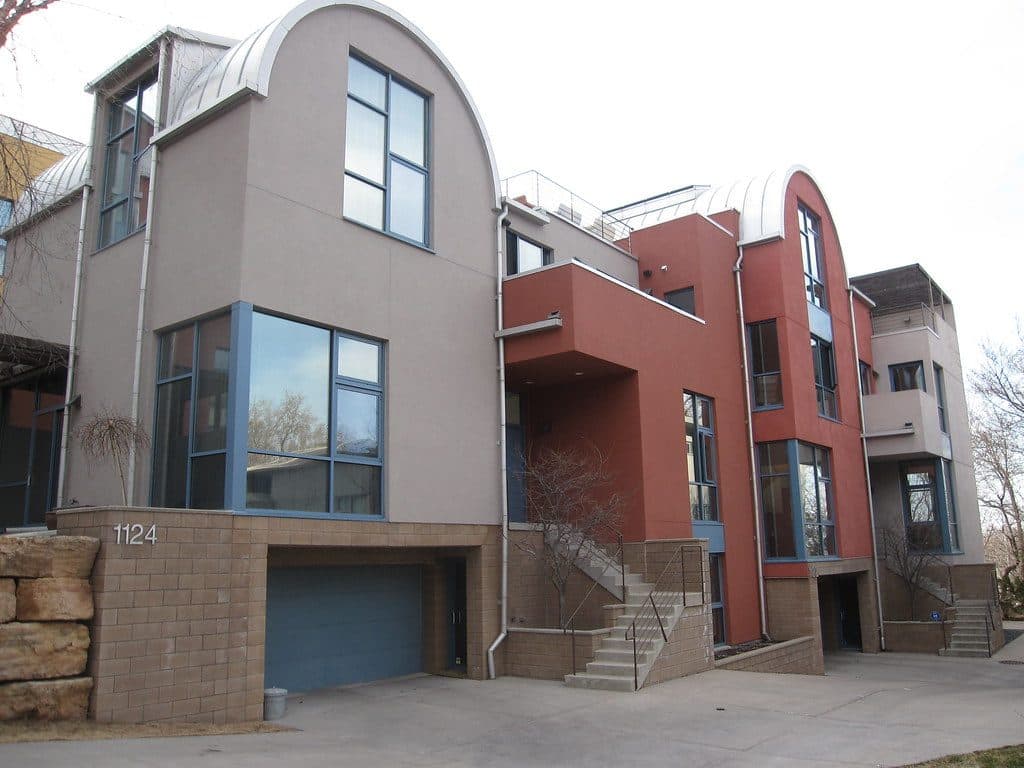
Lowry Hill and East Isles Land on Patch's List of Minnesota's Most Expensive Neighborhoods
Lowry Hill and East Isles rank among Minnesota's most expensive neighborhoods according to Patch's analysis of Niche's 2026 data.
Neighborhood
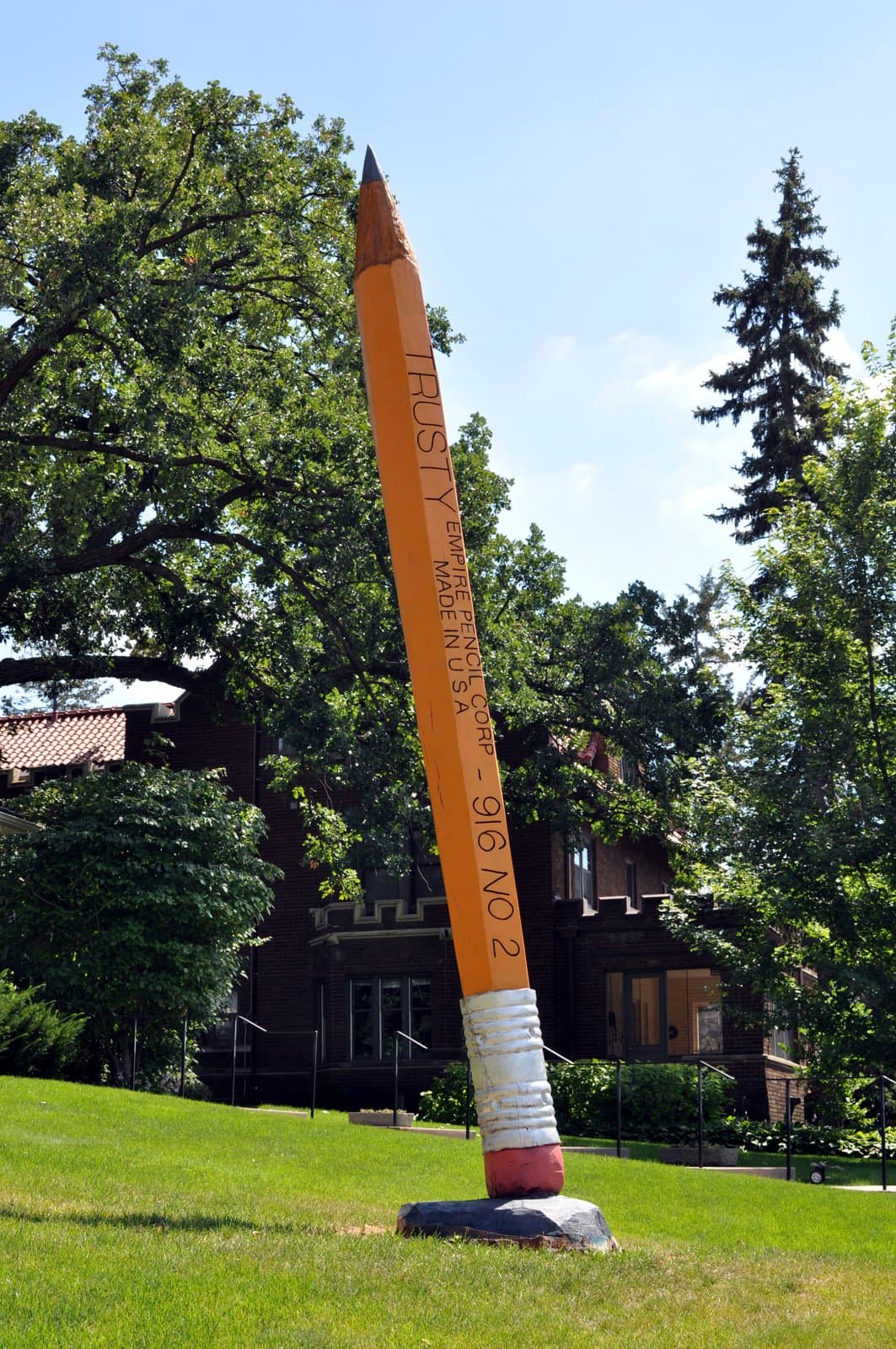
Community celebrates Lake of the Isles Pencil's 5th sharpening
Thousands gathered in East Isles on June 6, 2026, to watch the annual ceremonial sharpening of Minneapolis' giant pencil sculpture.
Neighborhood
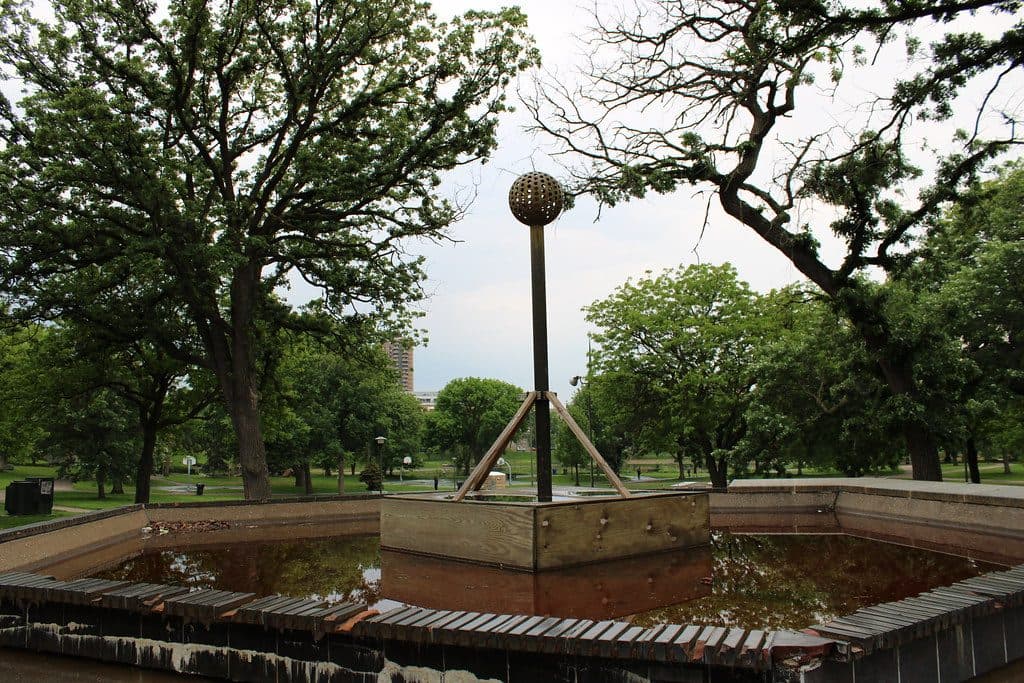
The end is in sight for Loring Park dandelion fountain's drought
State lawmakers approved $1.8 million for Berger Fountain repairs, and Park Board crews have begun demolition at the dry Loring Park landmark.
The neighborhood, in your inbox
Free. No paywall. Pick the topics you want — we send what’s happening this week.