NeighborhoodLowry HillKenwood
How LHNA Spends Its Neighborhood Revitalization Dollars
The Lowry Hill Neighborhood Association voted in May 2025 to move $15,000 in Neighborhood Revitalization Program income from housing to a Kenwood School outdoor classroom.
Neighborhood associations in Minneapolis control real, if modest, pools of money through the Neighborhood Revitalization Program, which grew out of a citywide effort to push some decisions and some dollars down to the neighborhood level, on the theory that residents know their own blocks better than any central office. On Lowry Hill, the association periodically decides how to deploy that program income across competing priorities.
A recent example: in May 2025 the LHNA board approved reallocating $15,000 in NRP program income from its Phase II Housing Projects strategy to its Public Realm Improvements neighborhood priority, directing the money toward Kenwood School's outdoor classroom. The shift illustrates how the association weighs housing investment against visible neighborhood improvements, and how a single vote can move money from one category of public good to another. LHNA's NRP committee gathers resident input and sets priorities that have included park improvements, neighborhood safety and livability, housing, history and preservation, and communication.
Such decisions are made in public board meetings, where the trade-offs are spelled out and a formal vote and rationale enter the record. Because the dollars are public and the process is open, the association cannot spend on a whim; it has to justify its choices to neighbors who may disagree. The result is a deliberation that can feel slow but keeps the spending accountable.
The trade-offs are genuine. A dollar directed to a public-realm project is a dollar not spent on housing, and reasonable residents can hold different views about which matters more. The program does not resolve those disagreements; it gives the neighborhood a structured, public way to work through them.
The process gives ordinary neighbors a direct lever over how public money is spent on their own blocks, a feature of Minneapolis civic life many residents do not realize they have. The catch is that the lever only works for those who use it. For that reason, the association treats every funding vote as both a responsibility and an argument for why showing up matters.
Sources: Lowry Hill Neighborhood Association,; Neighborhood Revitalization Program,
NeighborhoodLowry HillKenwood
Related stories
Neighborhood
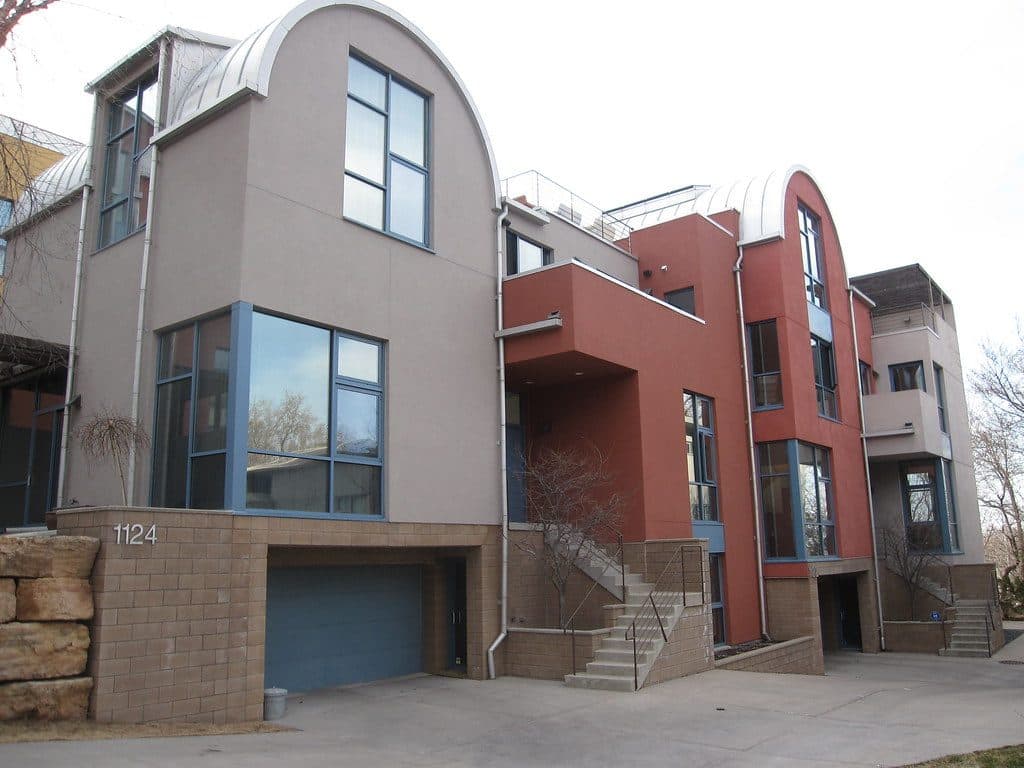
Lowry Hill and East Isles Land on Patch's List of Minnesota's Most Expensive Neighborhoods
Lowry Hill and East Isles rank among Minnesota's most expensive neighborhoods according to Patch's analysis of Niche's 2026 data.
Neighborhood
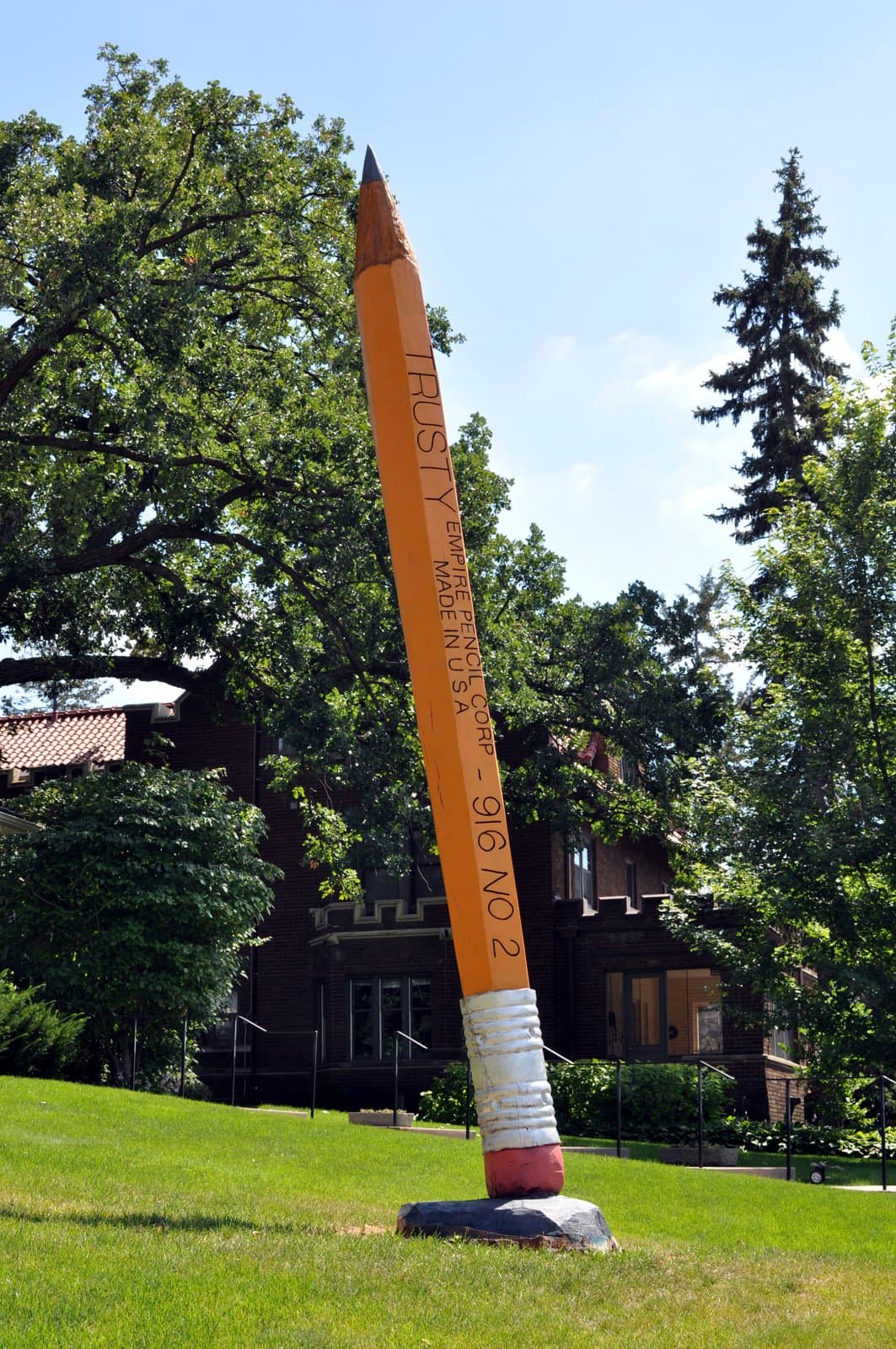
Community celebrates Lake of the Isles Pencil's 5th sharpening
Thousands gathered in East Isles on June 6, 2026, to watch the annual ceremonial sharpening of Minneapolis' giant pencil sculpture.
Neighborhood
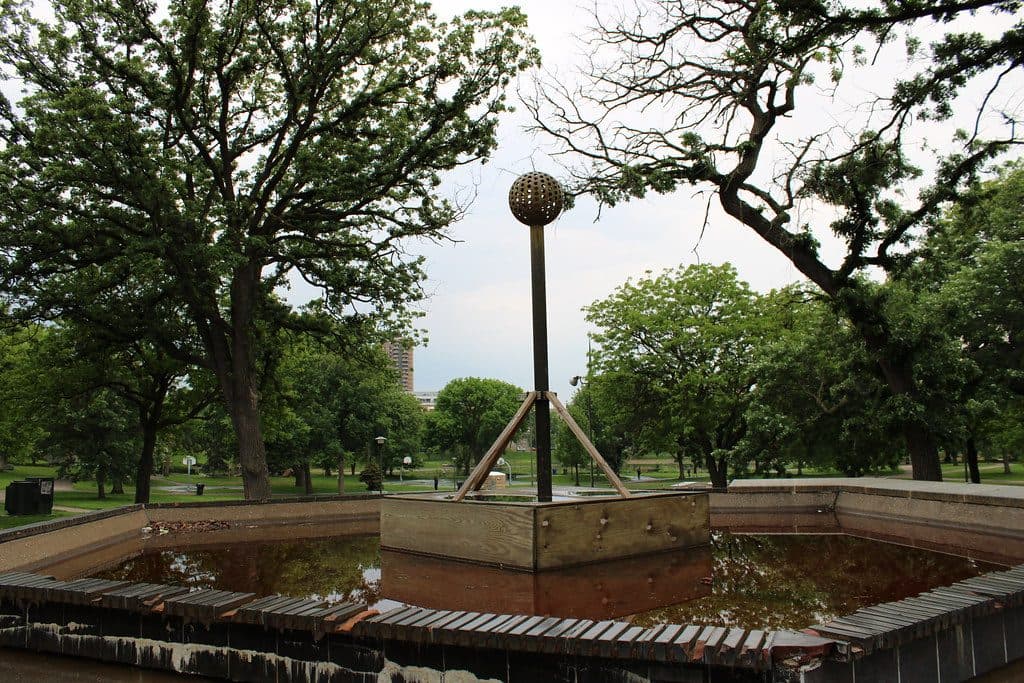
The end is in sight for Loring Park dandelion fountain's drought
State lawmakers approved $1.8 million for Berger Fountain repairs, and Park Board crews have begun demolition at the dry Loring Park landmark.
The neighborhood, in your inbox
Free. No paywall. Pick the topics you want — we send what’s happening this week.