NeighborhoodLowry Hill East (The Wedge)
Inside LHENA: Mutual Aid in the Wedge
The Lowry Hill East Neighborhood Association runs a monthly Food Share that helped more than 10,000 people over the past year alongside its civic work in the Wedge.

The Lowry Hill East Neighborhood Association, the body that represents the Wedge, traces its archives of board minutes and zoning studies to the 1970s. Fifteen residents first gathered on Aug. 4, 1970, and formally incorporated the association on Feb. 18, 1971. Today its most visible work is on the ground, through food assistance and mutual aid.
The association runs the Wedge Neighborhood Food Share, a volunteer-staffed program at SpringHouse Ministries that distributes free groceries to community members, who can choose their own items in person, typically a bag of fresh produce and a bag of staples. Over the past year the Food Share helped more than 10,000 individuals, running multiple distributions a month and extending to people experiencing homelessness and young adults aging out of foster care.
Alongside the Food Share, the LHENA Volunteer Network, more than 180 neighbors, coordinates mutual aid that connects residents who can help with errands, childcare and food delivery to those who need it. Mutual aid, as distinct from charity, rests on the idea that neighbors take care of one another rather than need being met by an outside institution. In a dense neighborhood where affluence and hardship share the same blocks, the people with capacity and the people with need are often only a building apart.
The volunteer-led nonprofit serves more than 9,000 residents, property owners and businesses, and its mission is to provide a structure for neighborhood leadership and participation, share resources equitably, and advance a vision for the neighborhood. That breadth lets the association do the civic work of reviewing development and the hands-on work of mutual aid under one banner.
The dual identity carries some tension, since running direct-service programs is demanding for a volunteer group that also advocates at City Hall. But the hands-on work draws in residents who might never attend a zoning hearing, widening the base of people with a stake in the group, and it gives the Wedge a safety net woven by its own neighbors. The model's durability depends on succession, on whether the next generation of residents picks up the work.
NeighborhoodLowry Hill East (The Wedge)
Related stories
Neighborhood
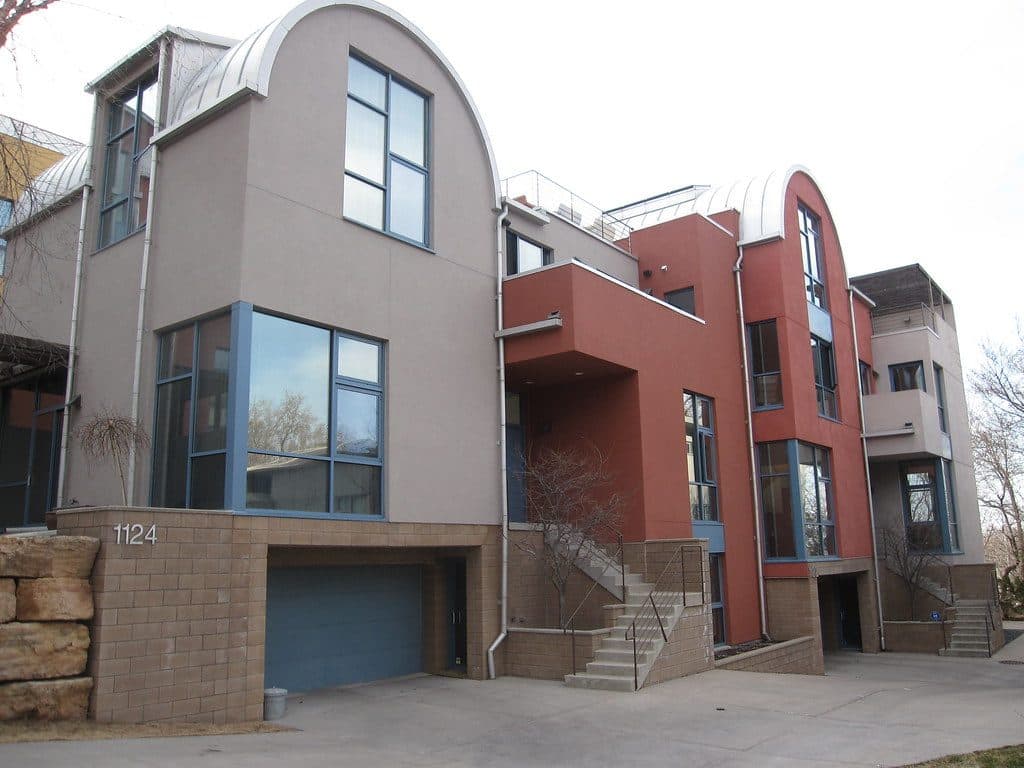
Lowry Hill and East Isles Land on Patch's List of Minnesota's Most Expensive Neighborhoods
Lowry Hill and East Isles rank among Minnesota's most expensive neighborhoods according to Patch's analysis of Niche's 2026 data.
Neighborhood
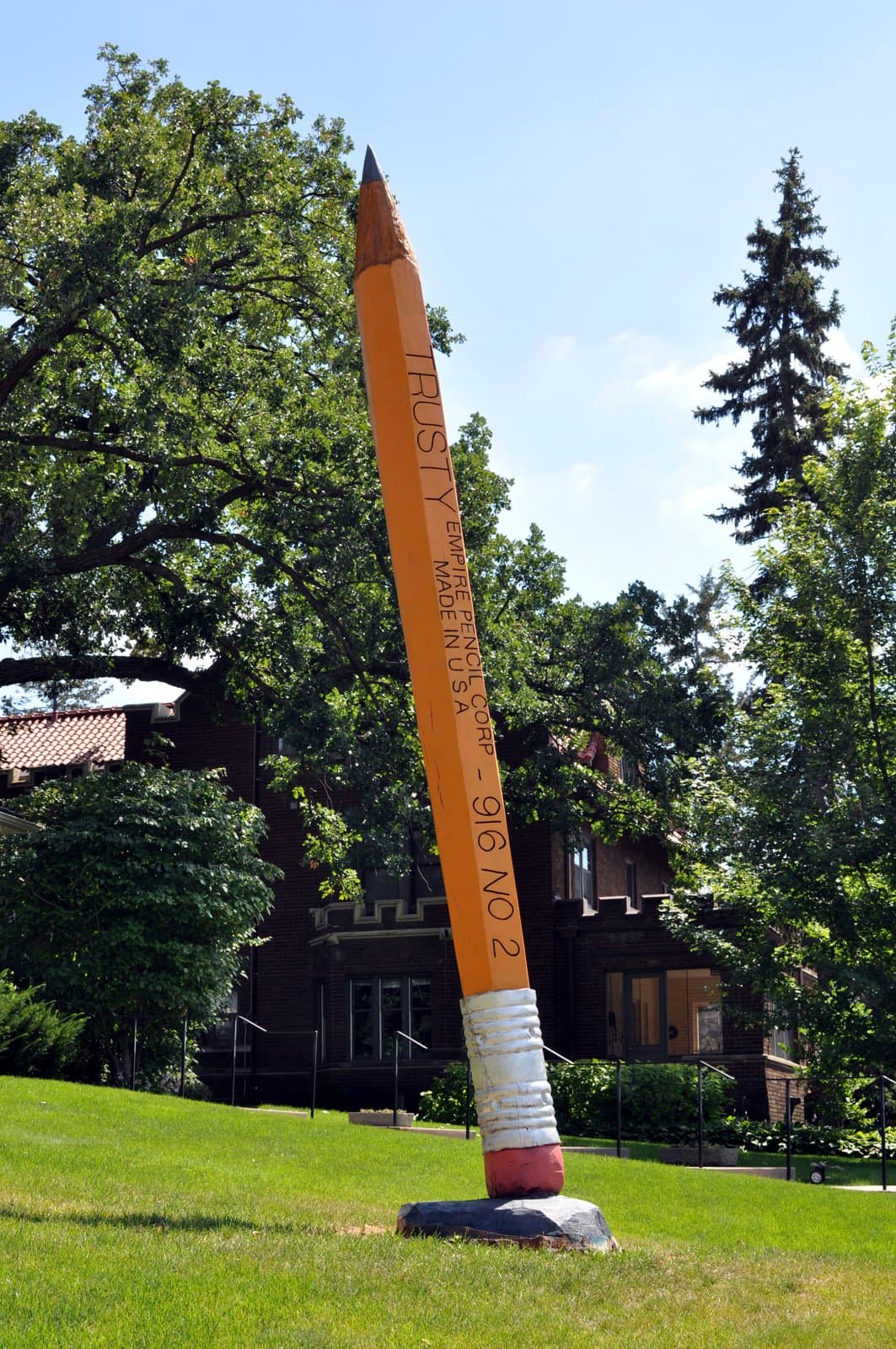
Community celebrates Lake of the Isles Pencil's 5th sharpening
Thousands gathered in East Isles on June 6, 2026, to watch the annual ceremonial sharpening of Minneapolis' giant pencil sculpture.
Neighborhood
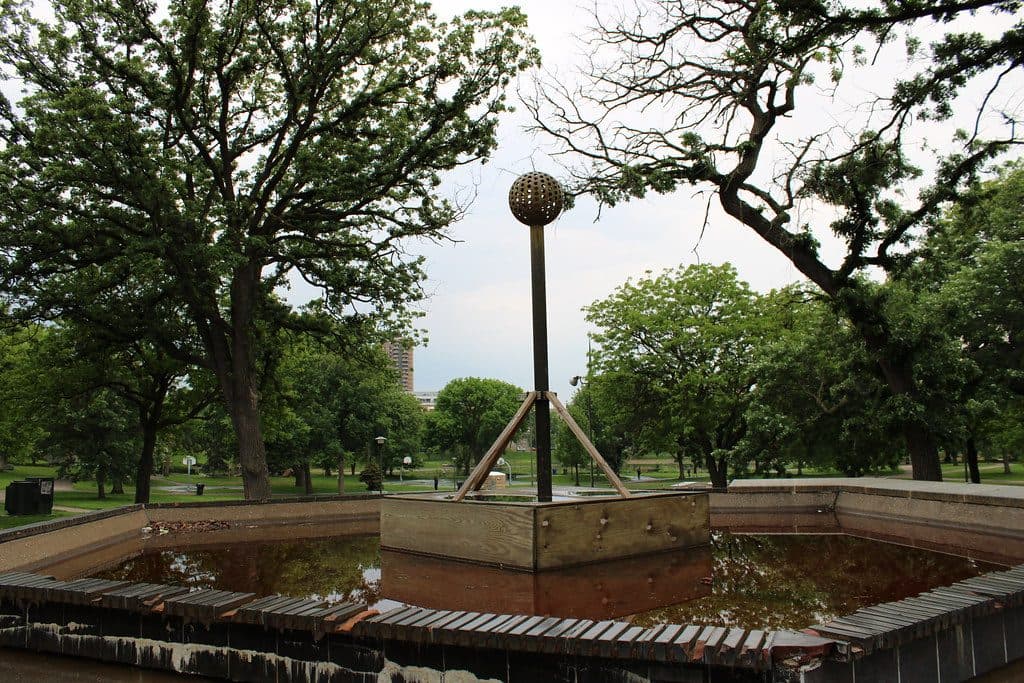
The end is in sight for Loring Park dandelion fountain's drought
State lawmakers approved $1.8 million for Berger Fountain repairs, and Park Board crews have begun demolition at the dry Loring Park landmark.
The neighborhood, in your inbox
Free. No paywall. Pick the topics you want — we send what’s happening this week.