NeighborhoodLowry Hill
Named for Thomas Lowry, the Hill Keeps Its Founder Close
Lowry Hill is named for Thomas Lowry, the streetcar magnate who built the Twin City Rapid Transit Company.
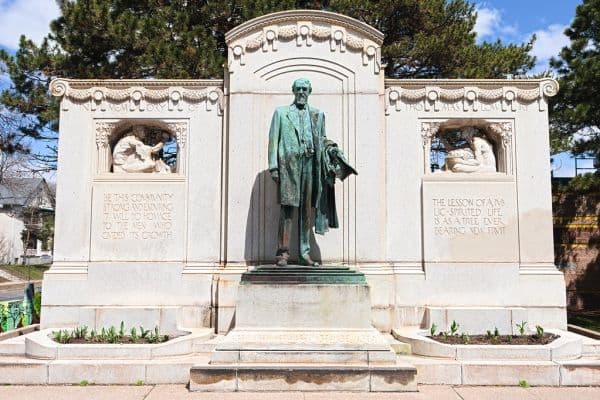
Lowry Hill takes its name from Thomas Lowry, an early resident and developer of the area who became the dominant figure in Twin Cities mass transit. Lowry arrived in Minneapolis from Illinois in 1867, gained sole ownership of the Minneapolis Street Railway by 1881, and in 1891 merged it with the Saint Paul City Railway to create the Twin City Rapid Transit Company, the streetcar system that carried the region until buses replaced it in the 1950s. He died in 1909.
Those streetcar lines did more than move passengers; they determined where the city expanded, opening residential districts beyond the old core. The hill that carries Lowry's name became one of the most prestigious of those districts, built up with the homes of the industrialists, merchants and professionals who could afford the city's best address.
The neighborhood is bordered by Interstate 394 to the north, Interstate 94 and Hennepin Avenue to the east, 22nd Street to the south, and Lake of the Isles Parkway and Logan and Morgan avenues to the west. Within those bounds sit the Walker Art Center and Minneapolis Sculpture Garden, the Blake School, Dunwoody College of Technology, and Thomas Lowry Park.
The neighborhood that grew up around the streetcar now argues, like the rest of Minneapolis, over development and density. Lowry's streetcars were once the disruptive new infrastructure remaking the city; the neighborhood that bears his name now weighs the changes of its own era, including the rebuilt Hennepin Avenue and the Metro E Line bus rapid transit that opened along it in December 2025.
NeighborhoodLowry Hill
Related stories
Neighborhood
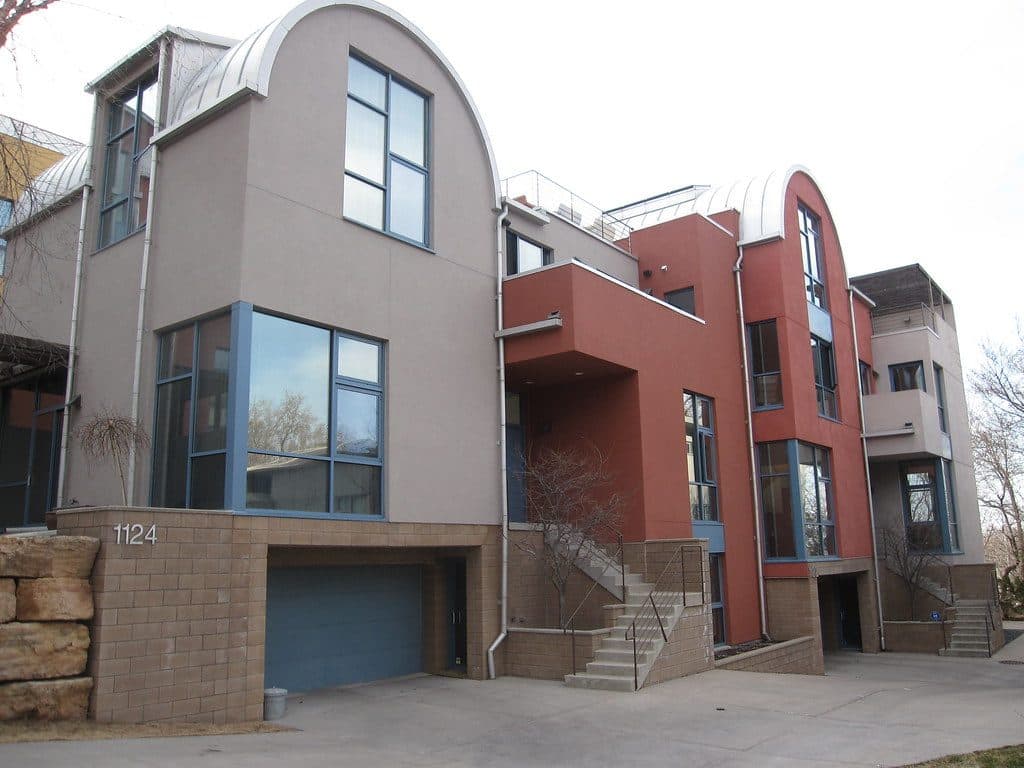
Lowry Hill and East Isles Land on Patch's List of Minnesota's Most Expensive Neighborhoods
Lowry Hill and East Isles rank among Minnesota's most expensive neighborhoods according to Patch's analysis of Niche's 2026 data.
Neighborhood
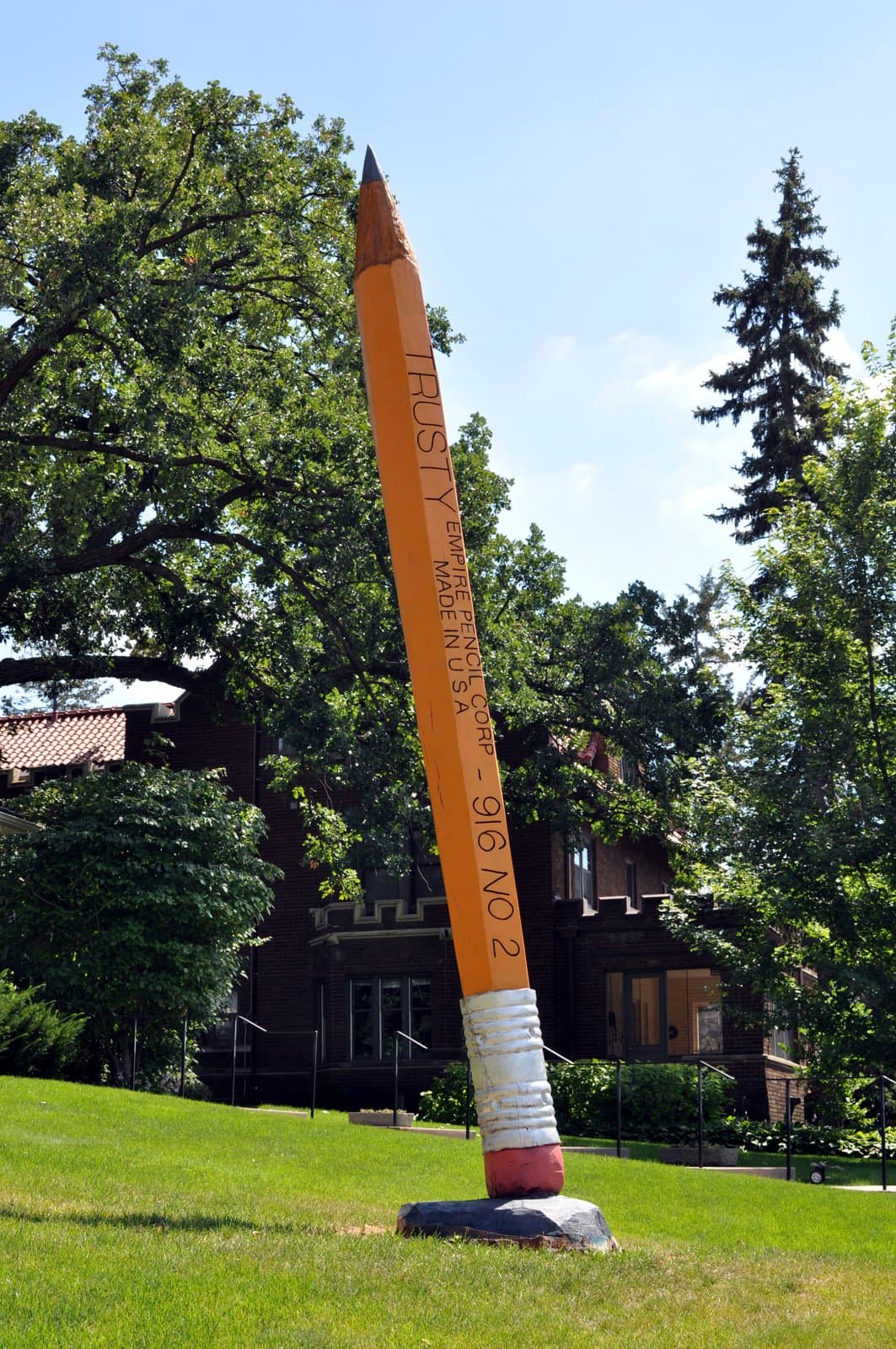
Community celebrates Lake of the Isles Pencil's 5th sharpening
Thousands gathered in East Isles on June 6, 2026, to watch the annual ceremonial sharpening of Minneapolis' giant pencil sculpture.
Neighborhood
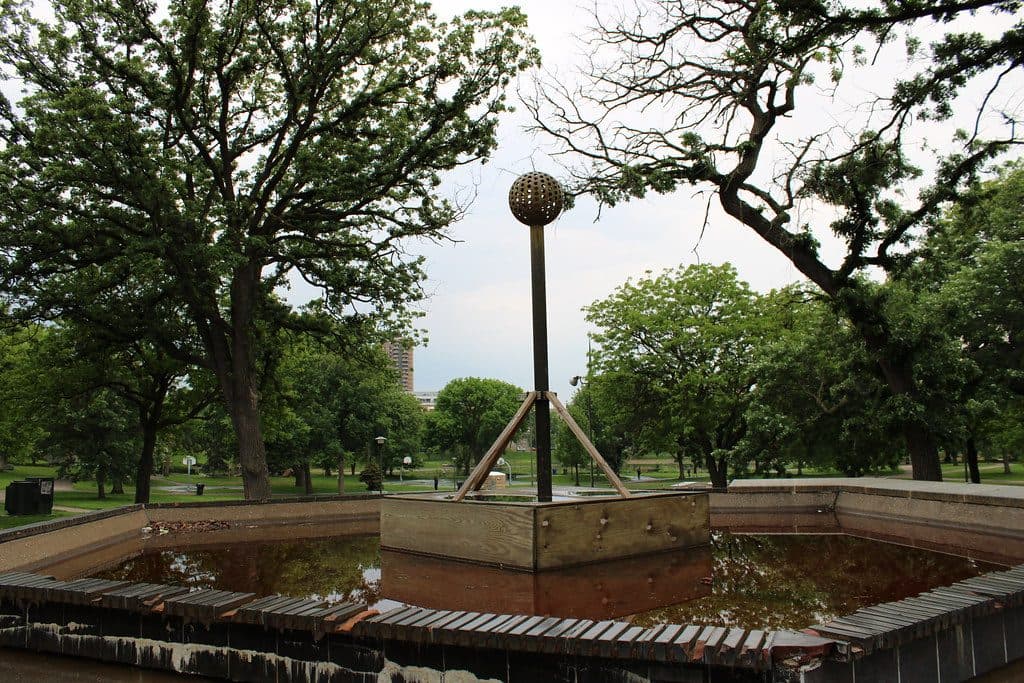
The end is in sight for Loring Park dandelion fountain's drought
State lawmakers approved $1.8 million for Berger Fountain repairs, and Park Board crews have begun demolition at the dry Loring Park landmark.
The neighborhood, in your inbox
Free. No paywall. Pick the topics you want — we send what’s happening this week.