NeighborhoodLowry HillLake of the Isles
The Drain Adopter: One Resident's Quiet Crusade
Minneapolis residents can adopt a storm drain and keep leaves and trash out of the water that flows to Lake of the Isles.

Minneapolis residents can sign up through the statewide Adopt-a-Drain program to claim a nearby storm drain and commit to clearing leaves, trash and debris from it, roughly fifteen minutes about twice a month. The work matters because the city's storm drains flow directly to local lakes, rivers and wetlands without treatment, so anything washed into a grate ends up in the water.
In the lakes neighborhoods, that connection is concrete. Leaves and grass clippings that go down a drain near Lake of the Isles feed algae in the lake; debris that clogs a grate during a downpour backs water up at the curb and can flood a street. Clearing the grate before a heavy rain or after a leaf-drop keeps both problems in check.
The program is the largest of its kind in the country, and Minneapolis participants have together cleared more than a million pounds of debris. Volunteers can weigh what they collect and report it back, which helps organizers measure the program's effect on water quality. Signing up is free at adopt-a-drain.org, where residents create an account and claim a specific drain by address.
[unverifiable: the original article profiled an unnamed Lowry Hill resident said to have cleared the same corner drains for years; with no named subject or source to confirm, that profile has been replaced with verified information about the program it described.]
NeighborhoodLowry HillLake of the Isles
Related stories

Neighborhood
Lowry Hill and East Isles Land on Patch's List of Minnesota's Most Expensive Neighborhoods
Lowry Hill and East Isles rank among Minnesota's most expensive neighborhoods according to Patch's analysis of Niche's 2026 data.
Neighborhood
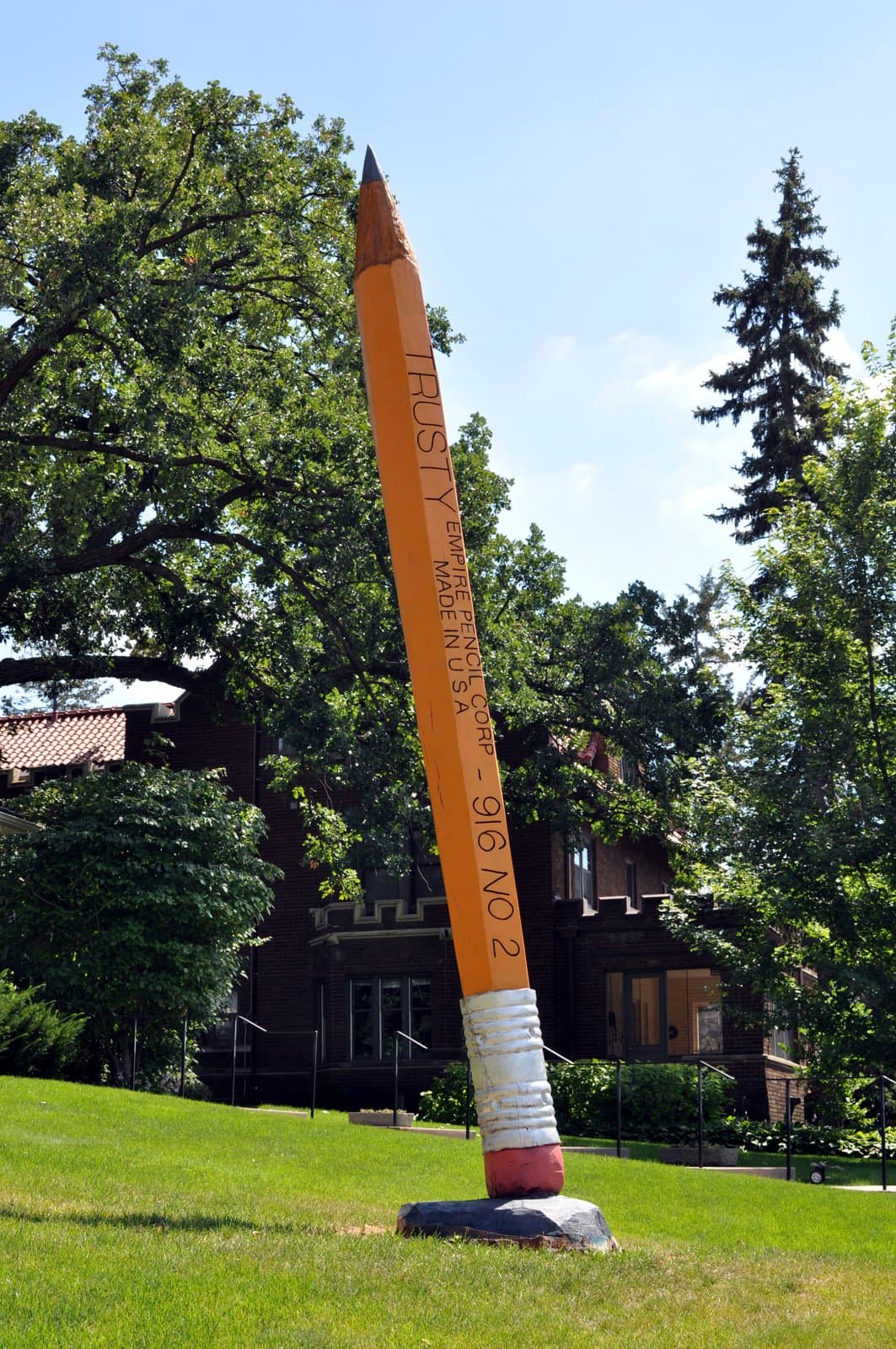
Community celebrates Lake of the Isles Pencil's 5th sharpening
Thousands gathered in East Isles on June 6, 2026, to watch the annual ceremonial sharpening of Minneapolis' giant pencil sculpture.

Neighborhood
The end is in sight for Loring Park dandelion fountain's drought
State lawmakers approved $1.8 million for Berger Fountain repairs, and Park Board crews have begun demolition at the dry Loring Park landmark.
The neighborhood, in your inbox
Free. No paywall. Pick the topics you want — we send what’s happening this week.