NeighborhoodLowry Hill East (The Wedge)
70 Neighborhood Organizations, One City: How LHENA Fits In
The Lowry Hill East Neighborhood Association is one of 70 nonprofit neighborhood organizations the City of Minneapolis recognizes to give residents a formal role in how the city governs itself.
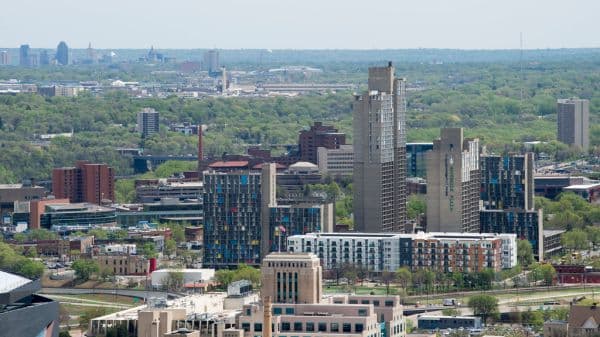
When residents of the Wedge bring a concern to the Lowry Hill East Neighborhood Association, they are tapping a structure larger than their own blocks. LHENA is one of 70 independent nonprofit neighborhood organizations recognized by the City of Minneapolis, which serve the city's 84 residential neighborhoods.
That recognition, administered through the city's Neighborhood and Community Relations department, gives the associations a defined role in city processes, from development review to the distribution of neighborhood funds. The city has funded the organizations since 1991, when it created the Neighborhood Revitalization Program, and the current framework was set by the Neighborhoods 2020 plan. The status is what distinguishes a recognized association from an ordinary club: when LHENA weighs in on a development or directs its funds, it does so with a standing the city acknowledges.
LHENA's roots predate that formal structure. Fifteen residents met on Aug. 4, 1970, to talk through neighborhood issues, and the group incorporated on Feb. 18, 1971. It went on to start one of the city's first neighborhood newspapers, The Wedge, whose success helped inspire other associations across Minneapolis.
The model has limits. Critics note that a recognized-association system tends to over-represent residents with the time to attend meetings, skewing neighborhood voice toward longtime homeowners — which is precisely why turnout matters. A structure that empowers neighborhoods is only as representative as the neighbors who show up to use it.
NeighborhoodLowry Hill East (The Wedge)
Related stories
Neighborhood
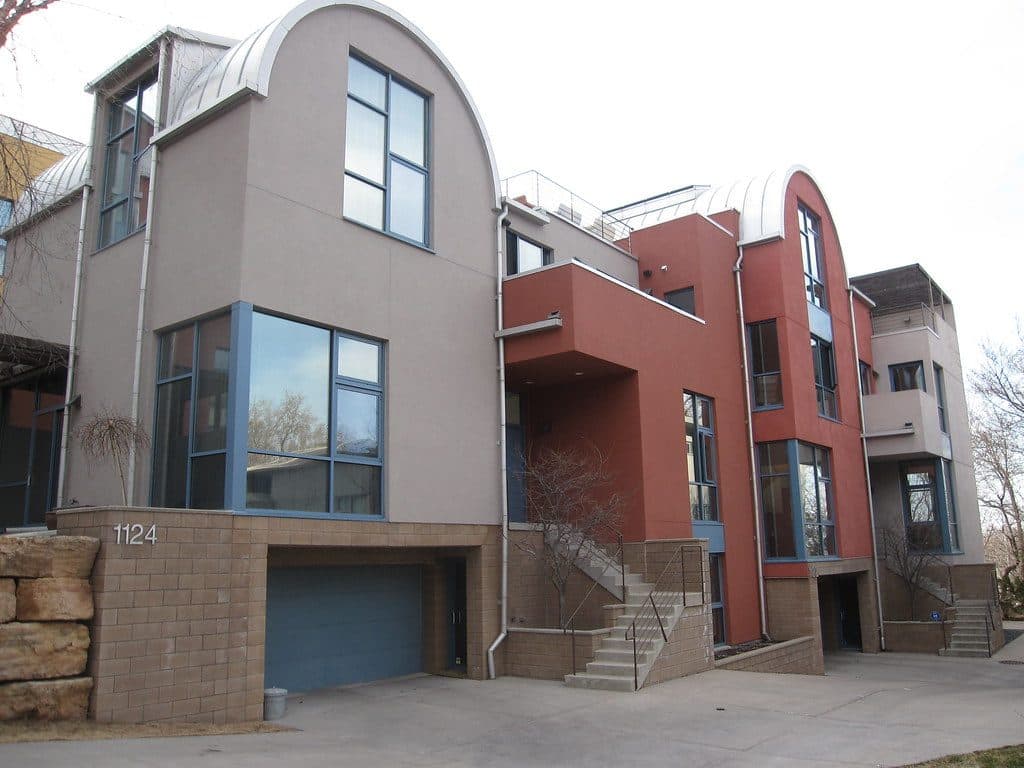
Lowry Hill and East Isles Land on Patch's List of Minnesota's Most Expensive Neighborhoods
Lowry Hill and East Isles rank among Minnesota's most expensive neighborhoods according to Patch's analysis of Niche's 2026 data.
Neighborhood
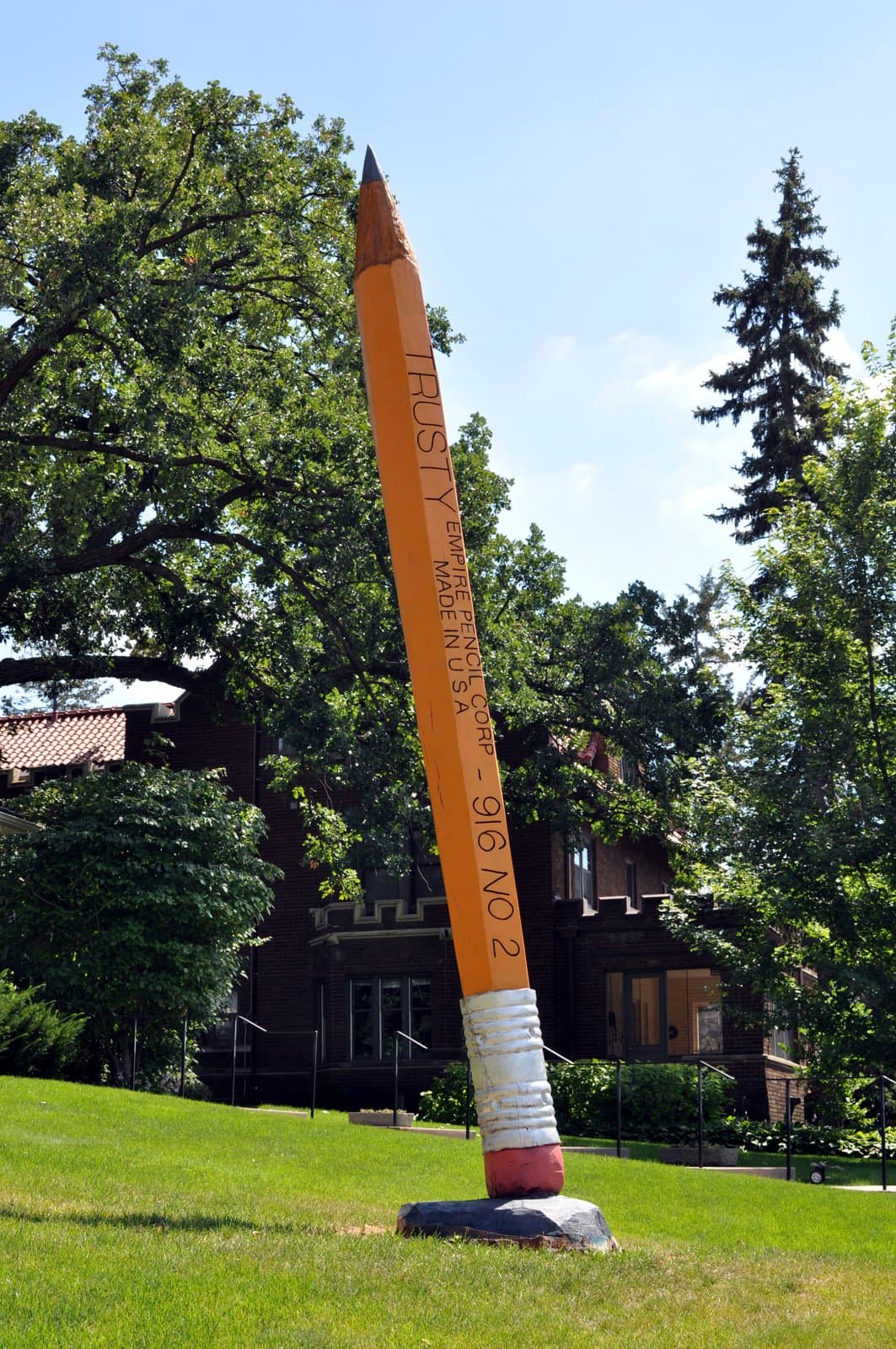
Community celebrates Lake of the Isles Pencil's 5th sharpening
Thousands gathered in East Isles on June 6, 2026, to watch the annual ceremonial sharpening of Minneapolis' giant pencil sculpture.
Neighborhood
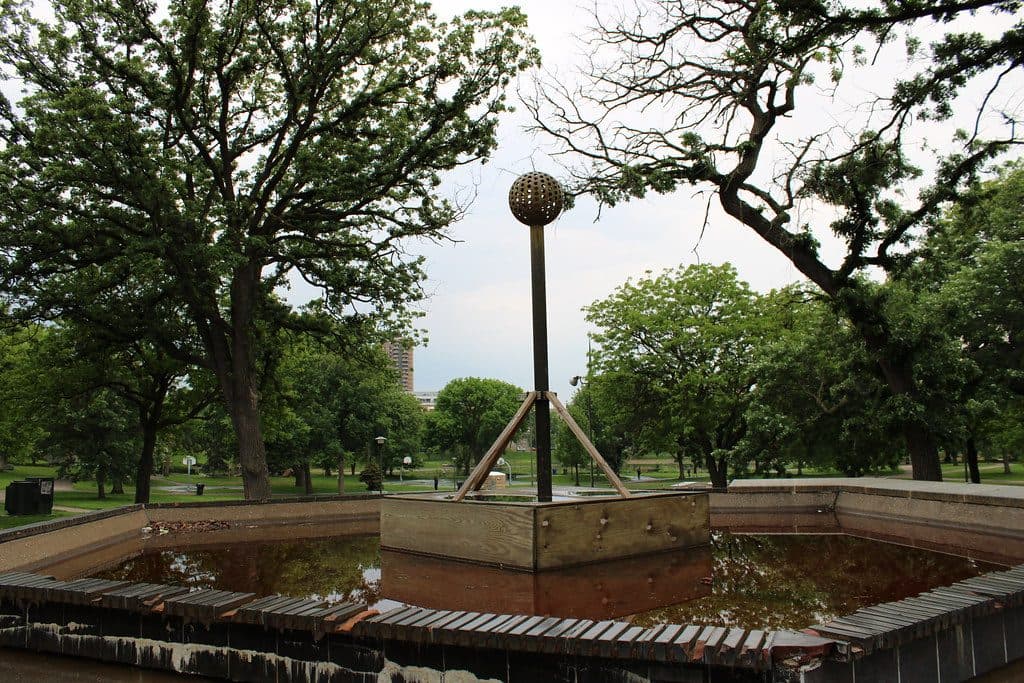
The end is in sight for Loring Park dandelion fountain's drought
State lawmakers approved $1.8 million for Berger Fountain repairs, and Park Board crews have begun demolition at the dry Loring Park landmark.
The neighborhood, in your inbox
Free. No paywall. Pick the topics you want — we send what’s happening this week.