NeighborhoodLowry HillKenwoodLake of the Isles
City to repair Kenwood concrete streets through 2025 and 2026
The city's concrete-streets program will grind, patch and rebuild ramps across Kenwood over two construction seasons.
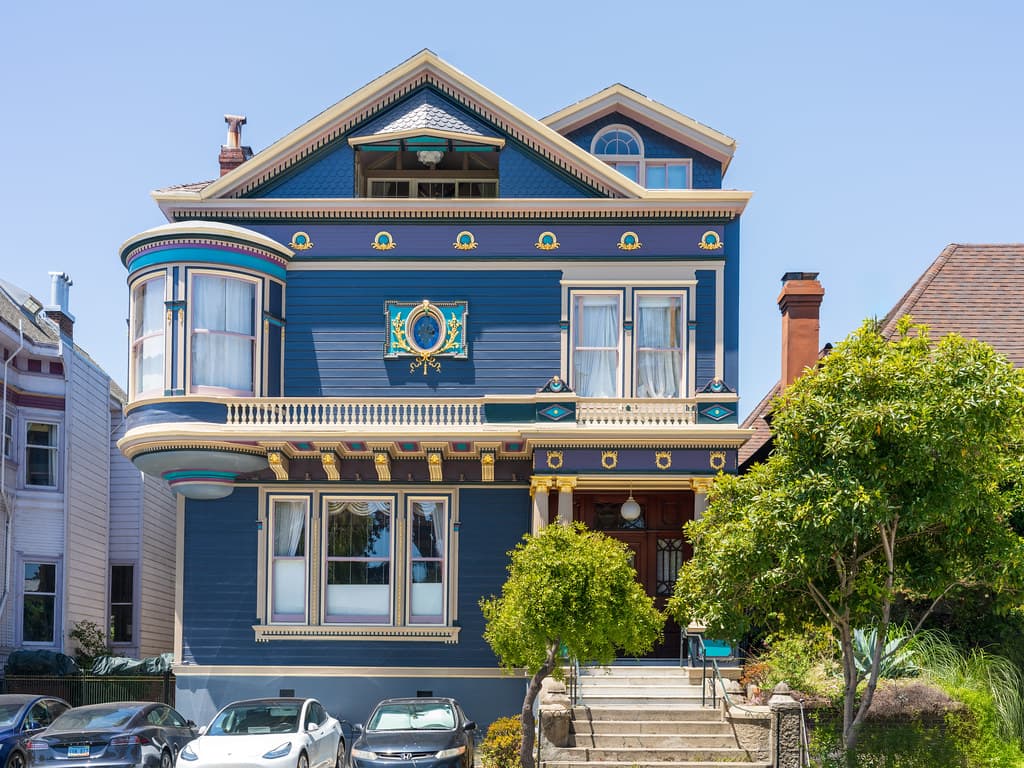
What the city is doing
Kenwood drivers and walkers should expect orange cones for a while. The City of Minneapolis says its Concrete Streets Rehabilitation Project will improve several streets in the neighborhood across the 2025 and 2026 construction seasons, a phased effort to extend the life of the area's aging concrete roadways without the cost and upheaval of a full reconstruction.
According to the city's project page, the work includes upgrading many of the pedestrian ramps at corners to current accessibility standards, repairing or replacing select failing concrete street panels, and finishing with a diamond grind over the entire roadway. The combination is meant to leave behind a smoother, safer surface and curb ramps that meet the requirements of the Americans with Disabilities Act.
Why it matters on your block
Diamond grinding smooths a worn concrete surface without a full teardown, which is cheaper and faster than reconstruction but still means lane closures and detours while crews move block to block. For residents, the practical effect is weeks of intermittent disruption, restricted parking, equipment noise and shifting access, in exchange for a road that should not need major attention again for years.
The pedestrian-ramp upgrades are the quieter half of the project and arguably the more consequential. Bringing corners into ADA compliance matters for wheelchair users, parents with strollers and anyone with limited mobility, and it is the kind of fix that is far easier to make during a scheduled rehabilitation than to retrofit later.
Diamond grinding smooths a worn concrete street without a full teardown - cheaper and faster, but still cones and detours block to block.— LowryHillNews
Part of a wider maintenance push
Kenwood's streetwork does not stand alone. It is one piece of a citywide effort to keep up with aging infrastructure, and it overlaps in time with utility and parkway projects across the lake neighborhoods, from regional sewer work near Lake of the Isles to gas-line replacement in Lowry Hill. Concrete streets, common in older Minneapolis neighborhoods, are durable but expensive to replace outright, which is why the city increasingly favors panel repair and grinding to stretch their service life.
That approach reflects a budget reality as much as an engineering one. Full reconstruction of a residential street is a major capital expense; targeted rehabilitation lets the city address more miles of road for the same money, at the cost of accepting that the work recurs on a cycle.
A neighborhood that notices its streets
Kenwood's concrete roadways are part of what gives the neighborhood its settled, residential character, and that is precisely why the rehabilitation registers. Unlike asphalt, concrete streets are expensive and long-lived, so the city's choice to repair panels and grind rather than reconstruct is a calculated bet that targeted work can buy years of additional service at a fraction of the cost. For residents, the trade-off is a season or two of cones in exchange for a road that should hold up well into the next decade.
The Kenwood Neighborhood Organization, which meets monthly at the community center, is the place where residents can raise concerns about timing, access and parking as the work moves through the neighborhood, and where the city's notices typically get relayed first.
What's next
The city posts project schedules, block-by-block timing and contact information on its Concrete Streets project page, and residents with access or parking concerns during construction are directed there. The Kenwood Neighborhood Organization typically relays the city's updates to neighbors as the seasons' work is scheduled.
LowryHillNews will note significant closures and update as the 2026 season's block-by-block schedule firms up. Seeing a problem the official notices have not addressed on your street? Send us a tip.
NeighborhoodLowry HillKenwoodLake of the Isles
Related stories
Neighborhood
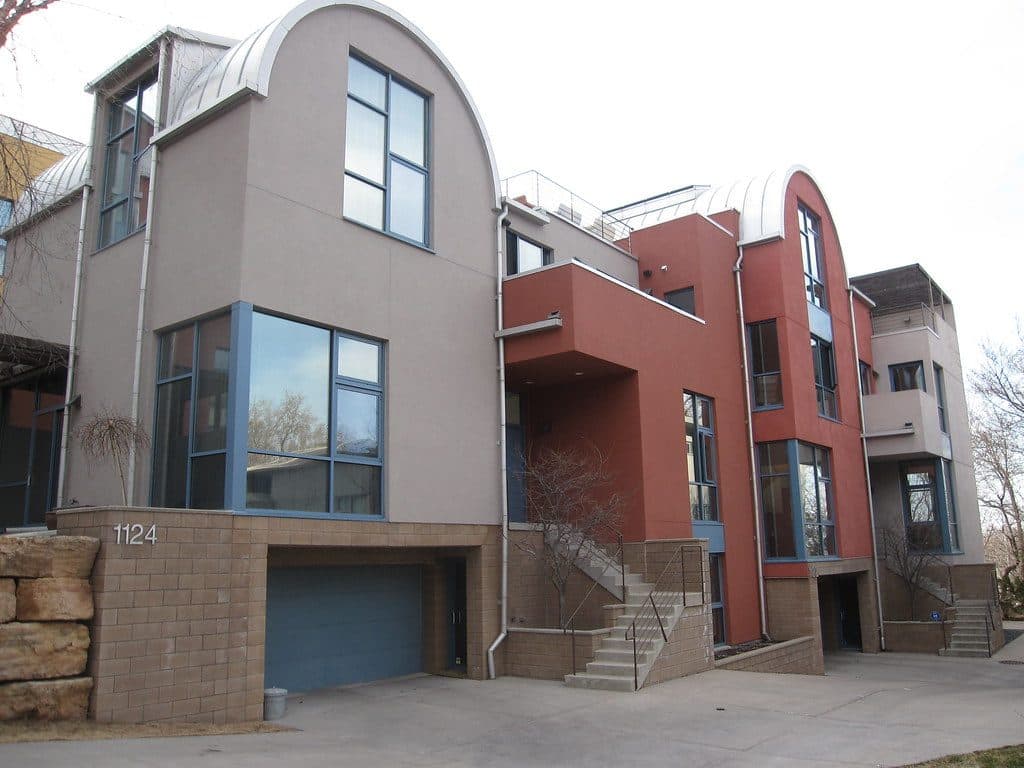
Lowry Hill and East Isles Land on Patch's List of Minnesota's Most Expensive Neighborhoods
Lowry Hill and East Isles rank among Minnesota's most expensive neighborhoods according to Patch's analysis of Niche's 2026 data.
Neighborhood
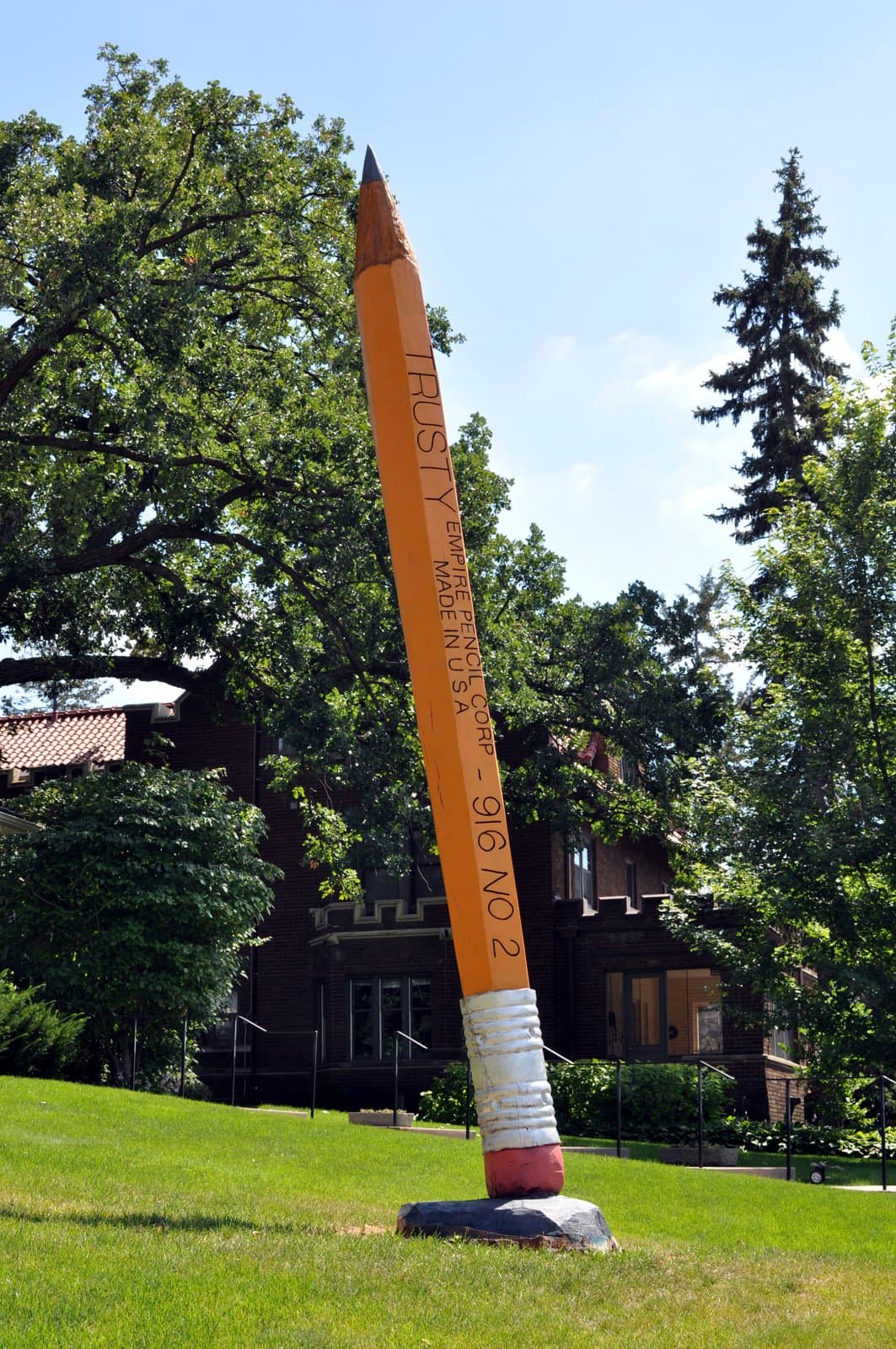
Community celebrates Lake of the Isles Pencil's 5th sharpening
Thousands gathered in East Isles on June 6, 2026, to watch the annual ceremonial sharpening of Minneapolis' giant pencil sculpture.
Neighborhood
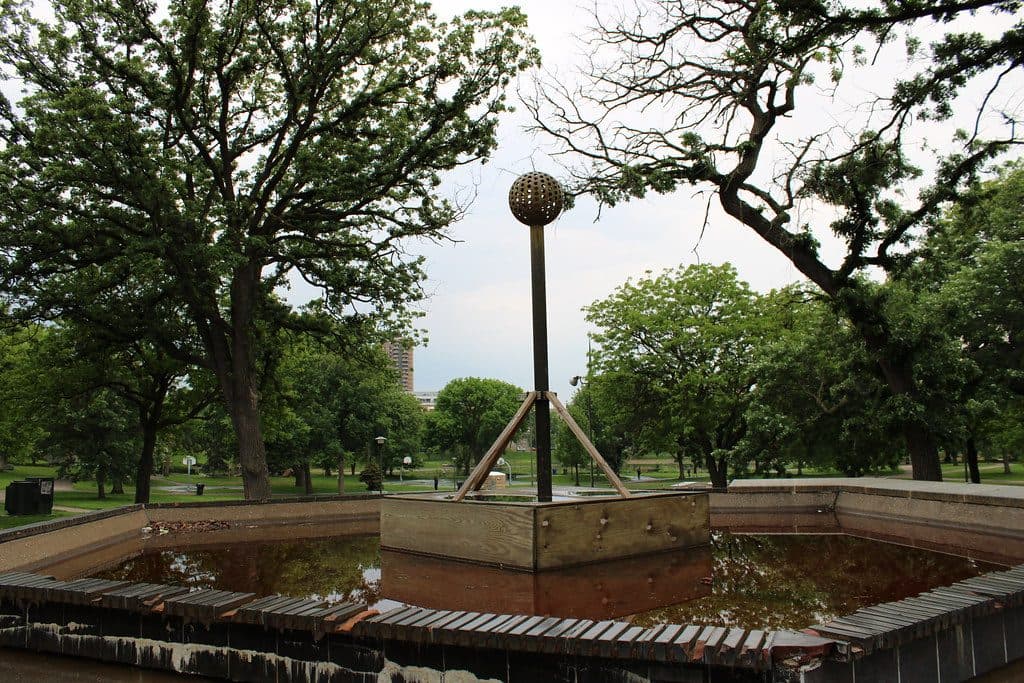
The end is in sight for Loring Park dandelion fountain's drought
State lawmakers approved $1.8 million for Berger Fountain repairs, and Park Board crews have begun demolition at the dry Loring Park landmark.
The neighborhood, in your inbox
Free. No paywall. Pick the topics you want — we send what’s happening this week.