NeighborhoodLowry Hill East (The Wedge)East IslesGreater Uptown & Nearby
The Uptown Farmers Market Reopens for Its Thursday Season
The Uptown Farmers Market opens its second season Thursday, June 11, running weekly from 4 to 8 p.m. at the West Lagoon and Girard Avenue plaza through Sept. 24.
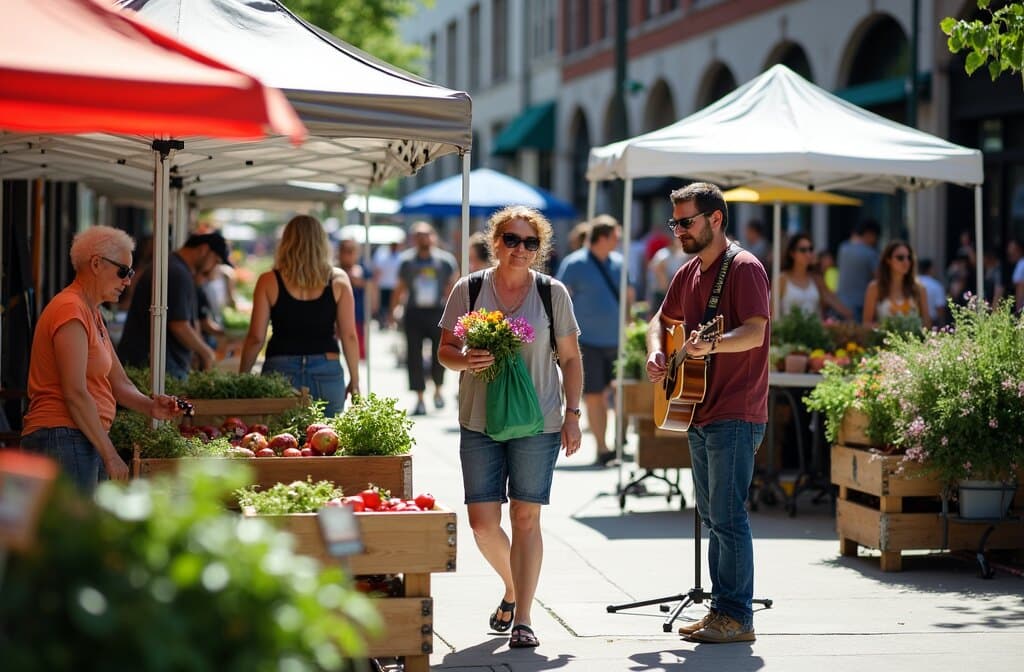
The evening market draws shoppers from East Isles, the Wedge and beyond for local produce, prepared food, handmade goods and live music. Its 2025 debut pulled about 27,000 visitors over the season, and organizers are again recruiting paid staff and volunteers to run it. The market is a project of the Uptown Farmers Market Collaborative, led and fiscally held by the East Isles Neighborhood Association with seven partners: Cedar-Isles-Dean, East Bde Maka Ska, West Bde Maka Ska, the Wedge, Lowry Hill, Kenwood and South Uptown.
The market sits a couple of blocks from the Hennepin Avenue corridor, where a multi-year reconstruction wrapped in late 2025, and its Thursday-evening hours are built for a stop on the way home rather than a planned trip. For neighbors who would rather not drive, a midweek market within walking or biking distance is the point.
The Uptown market is one of many warm-season markets across the southwest side and downtown. The Mill City Farmers Market runs Saturday mornings near the Guthrie, and the long-running Minneapolis Farmers Market on Lyndale Avenue North operates most days of the week. Because the footprint can shift with nearby construction, shoppers should confirm the current location and hours at uptownmarket.org before heading over.
NeighborhoodLowry Hill East (The Wedge)East IslesGreater Uptown & Nearby
Related stories
Neighborhood
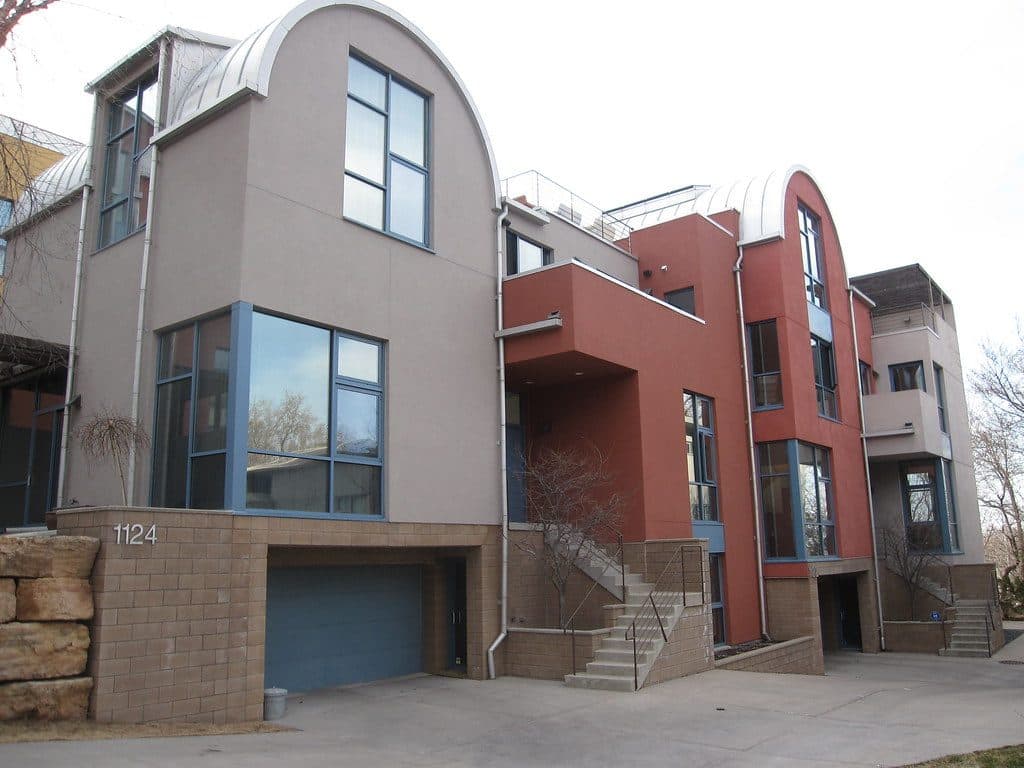
Lowry Hill and East Isles Land on Patch's List of Minnesota's Most Expensive Neighborhoods
Lowry Hill and East Isles rank among Minnesota's most expensive neighborhoods according to Patch's analysis of Niche's 2026 data.
Neighborhood
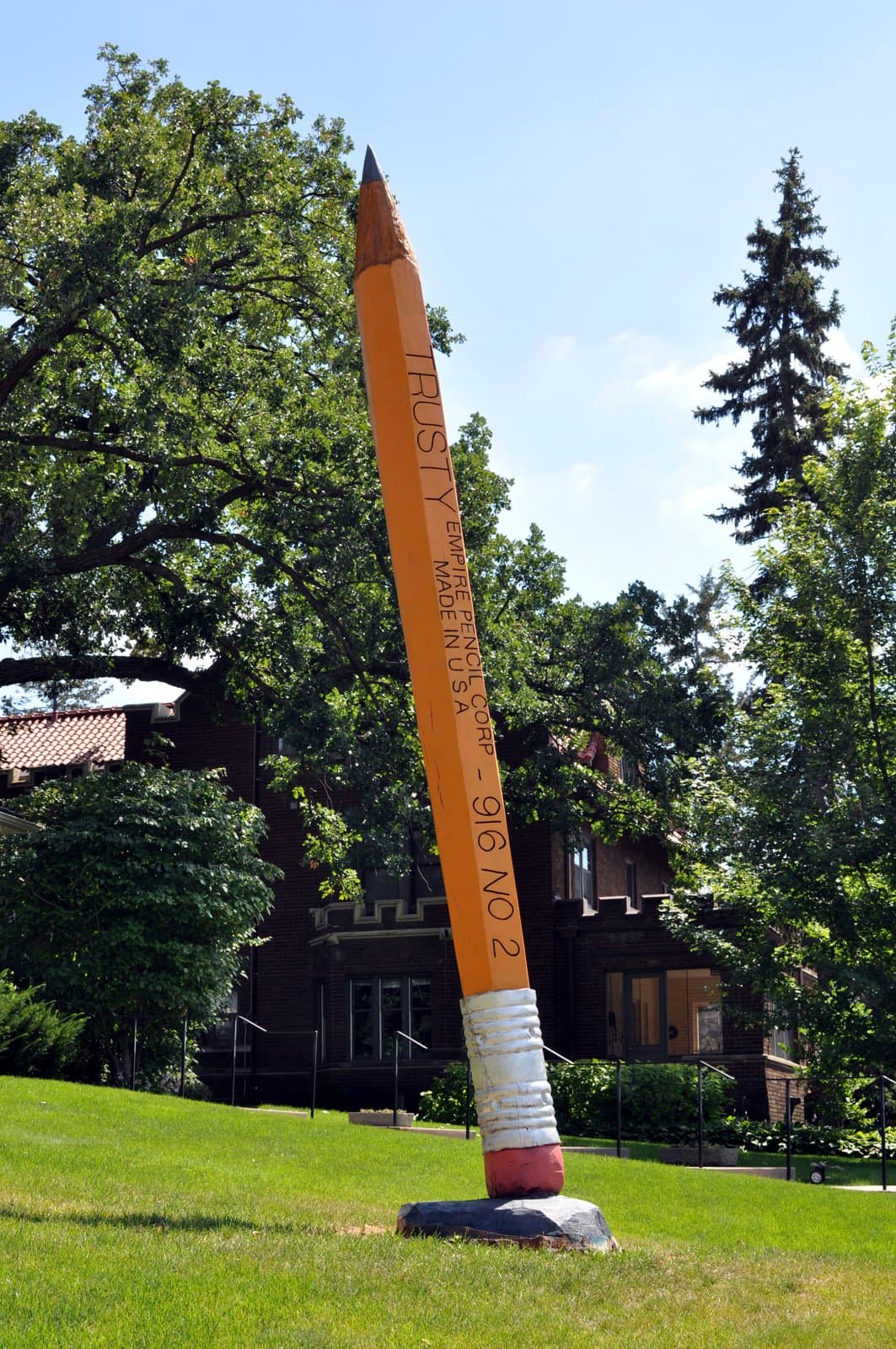
Community celebrates Lake of the Isles Pencil's 5th sharpening
Thousands gathered in East Isles on June 6, 2026, to watch the annual ceremonial sharpening of Minneapolis' giant pencil sculpture.
Neighborhood
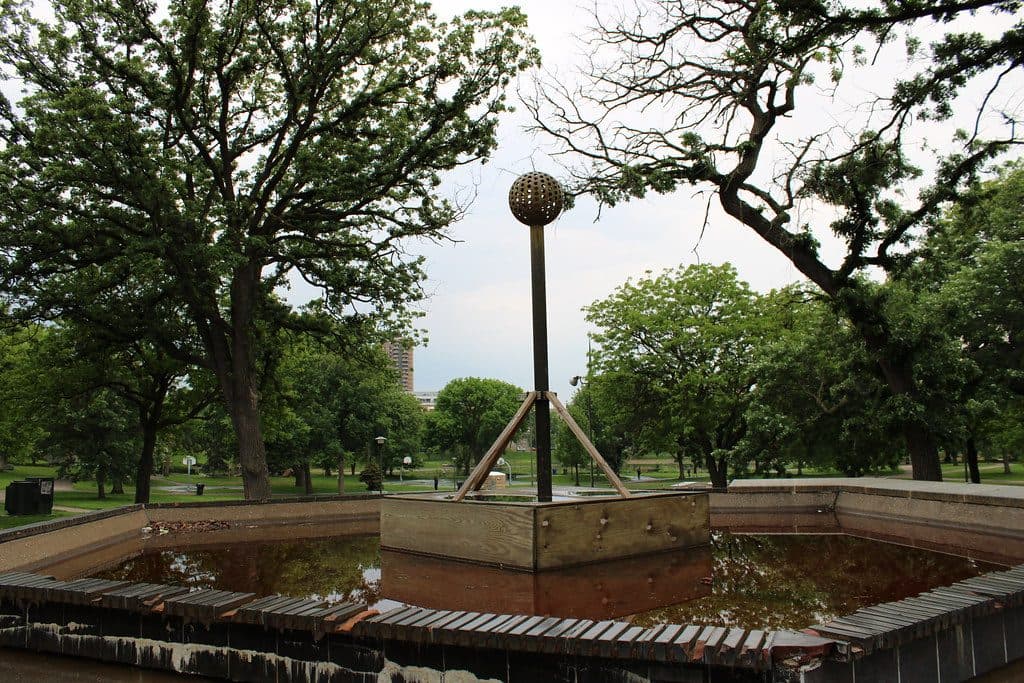
The end is in sight for Loring Park dandelion fountain's drought
State lawmakers approved $1.8 million for Berger Fountain repairs, and Park Board crews have begun demolition at the dry Loring Park landmark.
The neighborhood, in your inbox
Free. No paywall. Pick the topics you want — we send what’s happening this week.