NeighborhoodLowry HillEast IslesCedar-Isles-DeanLake of the Isles
On Lake of the Isles, the Slow Work of Holding a Shoreline Together
A century after the lake was dredged from a marsh, crews are coaxing native plants back to its banks.
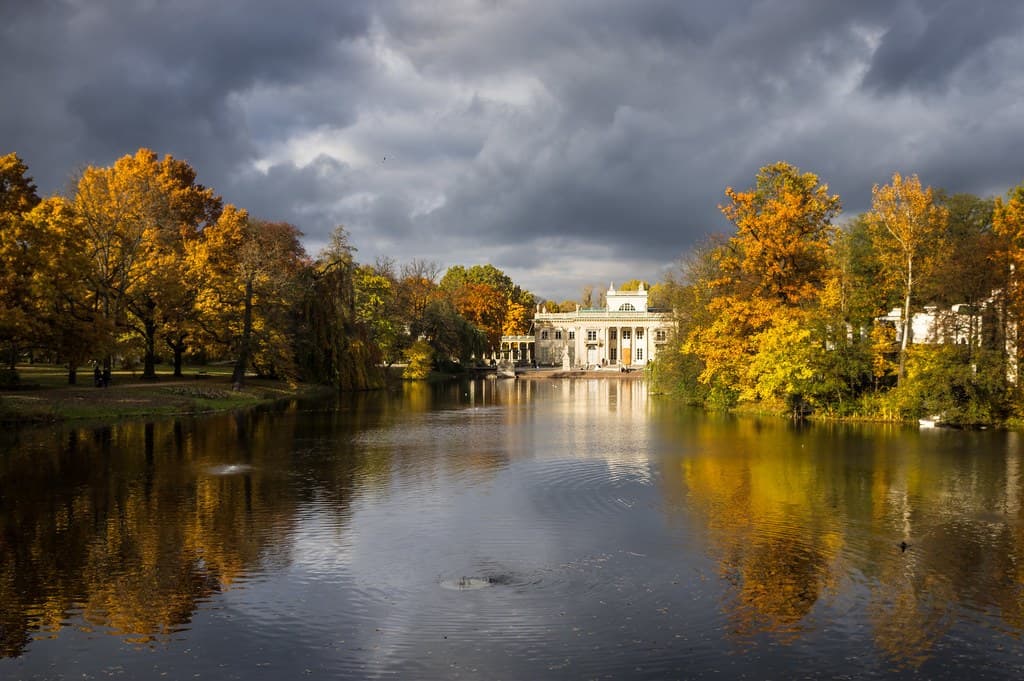
On a clear morning the loop around Lake of the Isles looks like it was always meant to be exactly this: a calm sheet of water, a ring of mowed grass, a path made for an unhurried walk. Lowry Hill and East Isles residents have absorbed that image so completely that it is easy to forget the lake is, in large part, a human invention, and that the work of keeping it healthy is happening right now along the banks they pass every day.
From Marsh to Mirror
The lake we walk around today was largely engineered. Beginning in 1898, the predecessor of the Minneapolis Park and Recreation Board undertook a sweeping dredging project to deepen the basin and reshape its outline, converting a shallow, reedy marsh into the clear-water lake that gave the surrounding neighborhood its prestige. The bays and islands that make the Isles distinctive were carved and graded; the smooth shoreline was a design decision, not an accident of nature.
That transformation came with a cost that took the better part of a century to fully reveal itself. Hardened, turf-dominated banks shed stormwater and sediment straight into the lake. The aesthetic the lake was prized for, smooth lawns running to the waterline, turned out to be one of the worst possible designs for water quality, offering no buffer between the city's runoff and the open water.
Letting the Edge Breathe
Since the early 2000s, the Park Board has worked methodically to undo some of that damage, addressing chronic flooding around the lake through shoreline restoration, replanting of the littoral edge where water meets land, and the raising of lower pedestrian paths above the floodplain using fill. The strategy treats primary, secondary and tertiary flood zones differently, an admission that not every stretch of bank needs the same treatment.
The push is part of a far larger effort. The Park Board's long-range Plan for Cedar Lake and Lake of the Isles, the Cedar-Isles plan its commissioners approved in July 2023, sets a default of stabilizing the shoreline with native vegetation everywhere except formal access points. Funding has followed: a recent appropriation from the state's Environment and Natural Resources Trust Fund, recommended through the Legislative-Citizen Commission on Minnesota Resources, is aimed squarely at restoring eroding, low-habitat lakeshore on the chain.
Walk the northeast bays today and you will see the result: clumps of sedge and native grasses where there used to be mowed lawn, root systems knitting the soil together so that a hard rain carries less of the bank into the water. It is not as photogenic as a golf-course edge. It is far better for the lake, holding the bank in place, filtering runoff, and giving birds and insects something to live in.
Measured in Growing Seasons
The work is deliberately unglamorous, and that is part of the point. Restoration here is measured in growing seasons, not ribbon cuttings. A planted bank looks ragged its first summer, fills in the second, and only reads as intentional by the third, which is why the Park Board has spent as much effort explaining the look as installing it.
A Watershed-Wide Effort
None of this happens in isolation. Lake of the Isles sits at the heart of a watershed the Park Board shares with the City of Minneapolis and the Minnehaha Creek Watershed District, and the Cedar-Isles plan leans on all three to do work no single agency could manage alone. The restored bank a walker passes on the northeast bay is one visible thread in a much larger web of stormwater rules, monitoring and maintenance that reaches well beyond the waterline.
The payoff shows up in the long-running data. The Minneapolis Lake Water Quality Monitoring Program, in place since 1991, gives the agency a way to tell whether a restored bay actually improves the water or merely looks different. On a chain that draws on the order of seven million visitors a year, that kind of measurement is what separates restoration from landscaping, and it is why the slow, unglamorous bank work is treated as a priority rather than a cosmetic afterthought.
For the people who circle the lake every evening, the lesson is patience. The mirror-calm water they prize is being maintained, quietly, by a slow trade of lawn for living edge, and the next stretch of restored bank is likely already staked out for the season ahead.
NeighborhoodLowry HillEast IslesCedar-Isles-DeanLake of the Isles
Related stories
Neighborhood
Lowry Hill and East Isles Land on Patch's List of Minnesota's Most Expensive Neighborhoods
Lowry Hill and East Isles rank among Minnesota's most expensive neighborhoods according to Patch's analysis of Niche's 2026 data.
Neighborhood
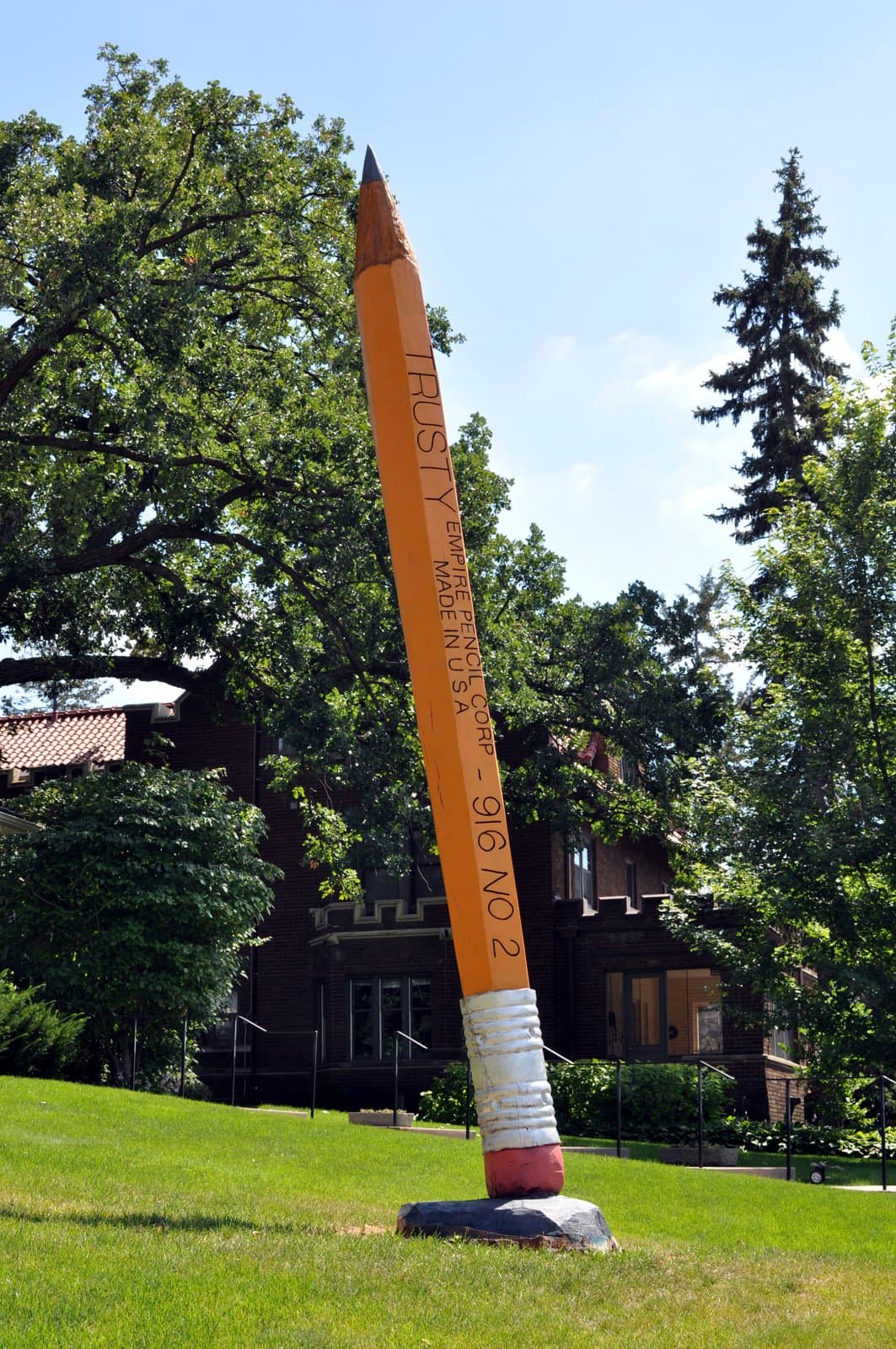
Community celebrates Lake of the Isles Pencil's 5th sharpening
Thousands gathered in East Isles on June 6, 2026, to watch the annual ceremonial sharpening of Minneapolis' giant pencil sculpture.
Neighborhood
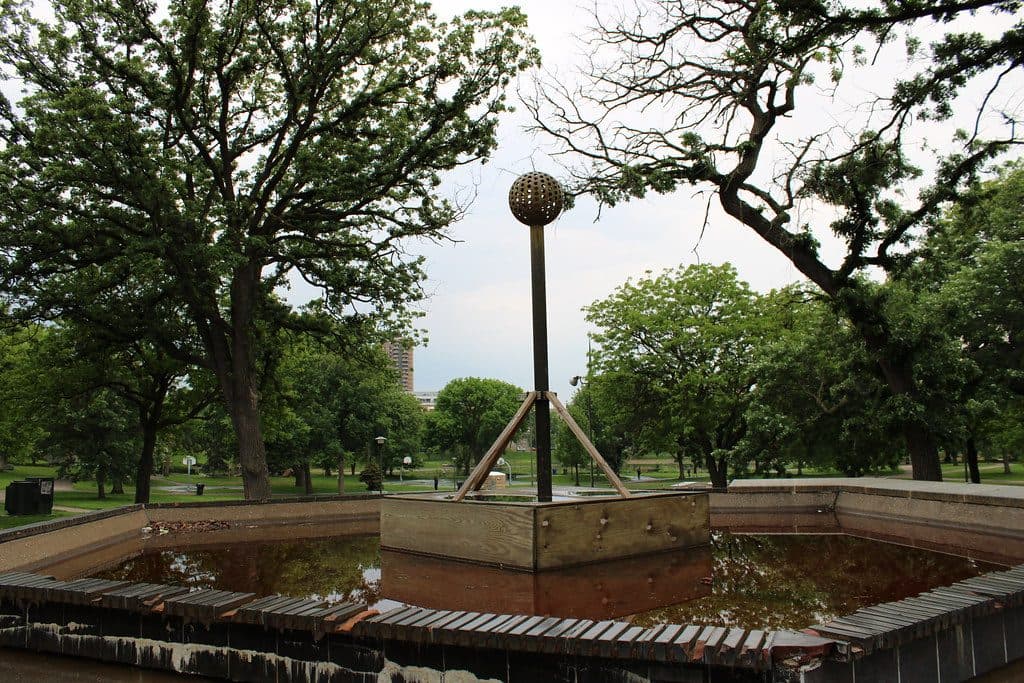
The end is in sight for Loring Park dandelion fountain's drought
State lawmakers approved $1.8 million for Berger Fountain repairs, and Park Board crews have begun demolition at the dry Loring Park landmark.
The neighborhood, in your inbox
Free. No paywall. Pick the topics you want — we send what’s happening this week.