NeighborhoodEast IslesLake of the Isles
Why the Isles Path Sits Higher Than It Used To
Raising the lower walking trail above the floodplain was quieter than a groundbreaking, but it changed how the lake handles a storm.

Some park improvements announce themselves with fencing, orange cones and a groundbreaking photo. Others you only notice if someone points them out. The raising of the lower pedestrian paths around Lake of the Isles belongs firmly in the second category, and yet it changed how the lake handles a storm more than almost anything else the Park Board has done here.
A Fix You Can Walk On
For years the inner trail nearest the water flooded predictably whenever the lake rose, leaving stretches of path under an inch or two of standing water and walkers detouring onto the grass. The detour did its own quiet damage, compacting soft banks and widening the muddy margins until the edge of the lake looked less like a shoreline and more like a worn path.
As part of the long shoreline program, the Minneapolis Park and Recreation Board brought in fill to lift the most flood-prone segments above the waterline, addressing the floodplain rather than fighting it. The work was folded into the broader restoration of the Isles' banks, so the raised trail arrived alongside new aquatic plantings rather than as a standalone repaving job.
Designing for the Wet Years
The logic is simple once you see it. A path that sits in the floodplain will flood; a path lifted above it will not. By raising the trail and pairing it with planting along the littoral edge, the Park Board reduced both the nuisance closures and the erosion that came when foot traffic was pushed onto soft, wet banks.
It is also a hedge against the future. Minnesota's summers have grown wetter and its downpours heavier, a pattern the University of Minnesota's Water Resources Center has tied to more frequent stress on the city's lakes. A trail built for the storms of the past floods more often as the storms grow; a trail lifted a foot higher buys years of dry walking before the water catches up again.
What Regulars Notice
Regulars on the loop talk about the change in practical terms. The puddle that used to swallow the path after a June downpour is mostly gone. What replaced it is a slightly higher walkway and a band of vegetation that does the slow work of keeping the bank in place, and a route that stays open on days it once would have closed.
Part of a Bigger Program
The raised path is not a one-off repair but a piece of the Park Board's broader shoreline program for the Isles, which pairs trail work with the native-plant restoration reshaping the banks. Lifting the walkway and replanting the littoral edge are two halves of the same idea: keep the water where it belongs and keep the bank from washing into it. Done together, they accomplish what neither could alone, a drier path and a more stable shore.
For the people who use the loop as a daily fixture, that pairing is the quiet reason the walk holds up year after year. A path that floods drives walkers onto soft banks and accelerates the very erosion the restoration is fighting; a path lifted above the water keeps both the people and the shoreline intact. The fix you can walk on, in other words, protects the lake as much as it protects your shoes.
That reliability is the whole payoff. A path you can count on in every season is a path people keep using, and a well-used loop is what keeps the lake at the center of neighborhood life. The next flood-prone stretch is the kind of fix that will arrive without a ribbon, noticed only by the walkers who no longer have to step around the water.
NeighborhoodEast IslesLake of the Isles
Related stories
Neighborhood
Lowry Hill and East Isles Land on Patch's List of Minnesota's Most Expensive Neighborhoods
Lowry Hill and East Isles rank among Minnesota's most expensive neighborhoods according to Patch's analysis of Niche's 2026 data.

Neighborhood
Community celebrates Lake of the Isles Pencil's 5th sharpening
Thousands gathered in East Isles on June 6, 2026, to watch the annual ceremonial sharpening of Minneapolis' giant pencil sculpture.
Neighborhood
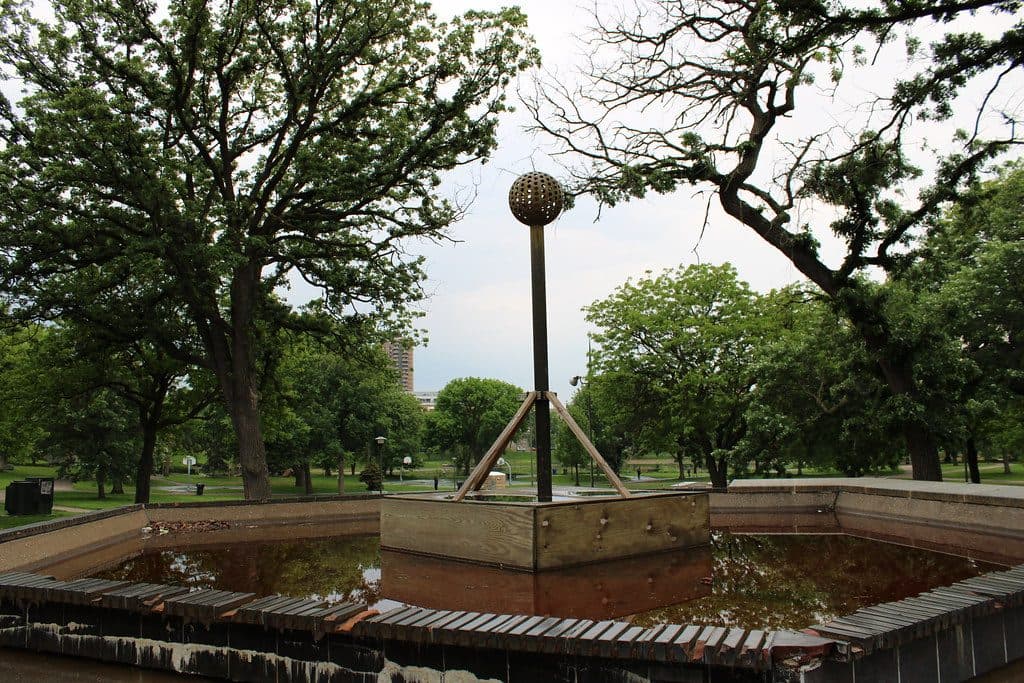
The end is in sight for Loring Park dandelion fountain's drought
State lawmakers approved $1.8 million for Berger Fountain repairs, and Park Board crews have begun demolition at the dry Loring Park landmark.
The neighborhood, in your inbox
Free. No paywall. Pick the topics you want — we send what’s happening this week.