NeighborhoodLowry HillLake of the Isles
Stay Out of the Yuck: A Plain-Language Guide to Beach Bacteria
When the Minneapolis Park Board posts a beach closed, stay out of the water, and keep children and dogs away from any green scum whether or not a sign is up.
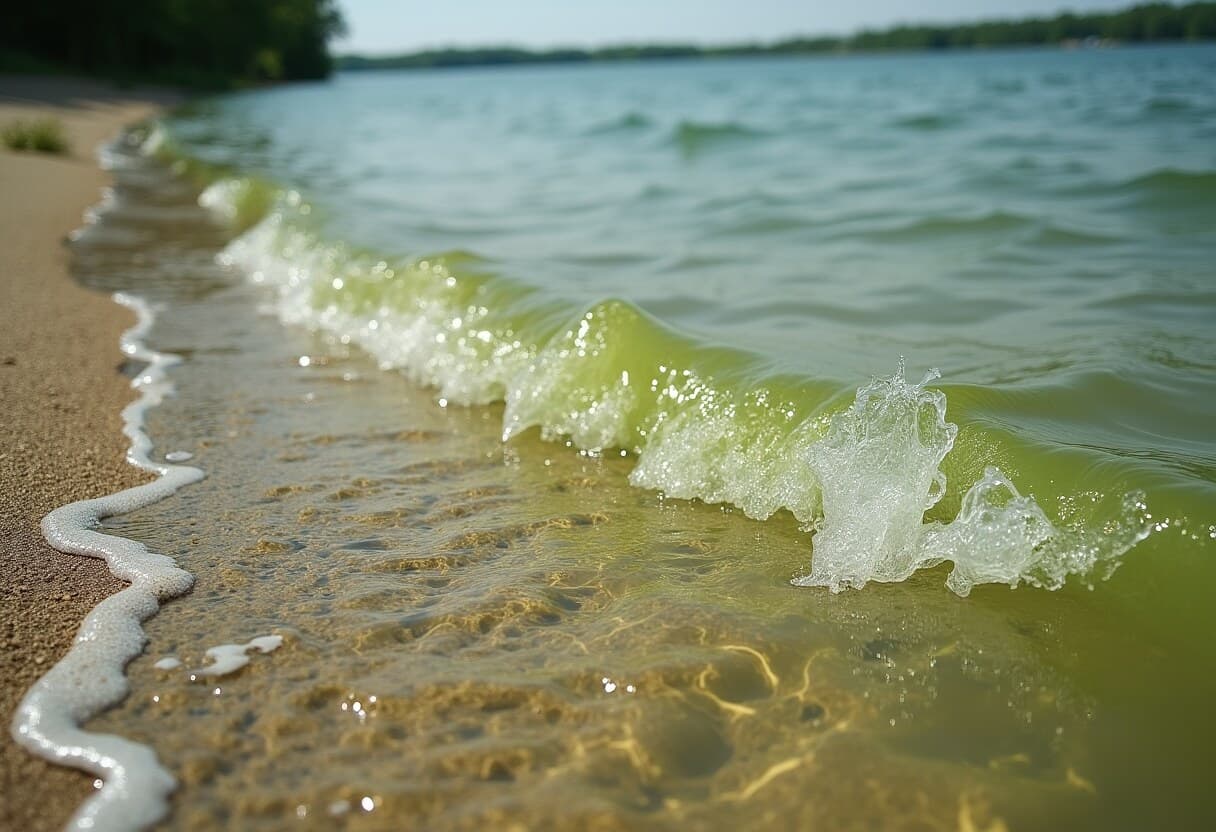
When the Minneapolis Park and Recreation Board closes a beach for E. coli, the safest response is to stay out of the water. The bacteria signal fecal contamination, and swallowing even a mouthful of badly contaminated water can cause gastrointestinal illness. "If we're closing a beach, we are doing that because we believe that there is a higher chance that people could get sick," Rachael Crabb, the Park Board's water resources supervisor, told the University of Minnesota Water Resources Center.
Rain is the most common trigger. A storm washes goose and duck droppings and other waste off the land and into the lake, spiking bacteria counts. "It's just that we and geese like a lot of the same things," Crabb said. The Park Board has monitored lake water quality since 1991 and samples each beach weekly between Memorial Day and Labor Day. The 2024 season brought 15 closures, the most in 11 years, after the wettest summer in that span, according to the Water Resources Center.
The bigger worry for many families is blue-green algae, or cyanobacteria, which can produce toxins especially hazardous to children and pets. Kids swallow water; dogs drink it and lick it off their fur. Park Board staff collect water for cyanotoxin testing once a week at each beach, and advisories are posted at the beach and on the agency's Lake Water Quality Map.
The simplest rule is to respect the sign. A posting means a test came back over the state guideline, and the beach stays closed until a follow-up test clears it. But water that looks like spilled paint, pea soup or green scum is a warning of a bloom whether or not a sign is up, so check it before letting anyone in.
A few habits cut the risk: avoid swimming with open cuts or right after heavy rain, keep your head up to avoid swallowing water, rinse off afterward, and never let a dog into water topped with scum. The Park Board's online map, updated after each round of testing, lets swimmers check before they drive to the shore. The lakes draw an estimated 5 million to 7 million visitors a year, and the testing program exists so people can keep using them.
NeighborhoodLowry HillLake of the Isles
Related stories

Neighborhood
Lowry Hill and East Isles Land on Patch's List of Minnesota's Most Expensive Neighborhoods
Lowry Hill and East Isles rank among Minnesota's most expensive neighborhoods according to Patch's analysis of Niche's 2026 data.

Neighborhood
Community celebrates Lake of the Isles Pencil's 5th sharpening
Thousands gathered in East Isles on June 6, 2026, to watch the annual ceremonial sharpening of Minneapolis' giant pencil sculpture.

Neighborhood
The end is in sight for Loring Park dandelion fountain's drought
State lawmakers approved $1.8 million for Berger Fountain repairs, and Park Board crews have begun demolition at the dry Loring Park landmark.
The neighborhood, in your inbox
Free. No paywall. Pick the topics you want — we send what’s happening this week.