NeighborhoodCedar-Isles-Dean
Riding the Reopened Trail Into Downtown
The final stretch of the Kenilworth Trail reopened March 25, 2026, closing the last gap in a largely car-free bike route between the southwest suburbs and downtown Minneapolis.
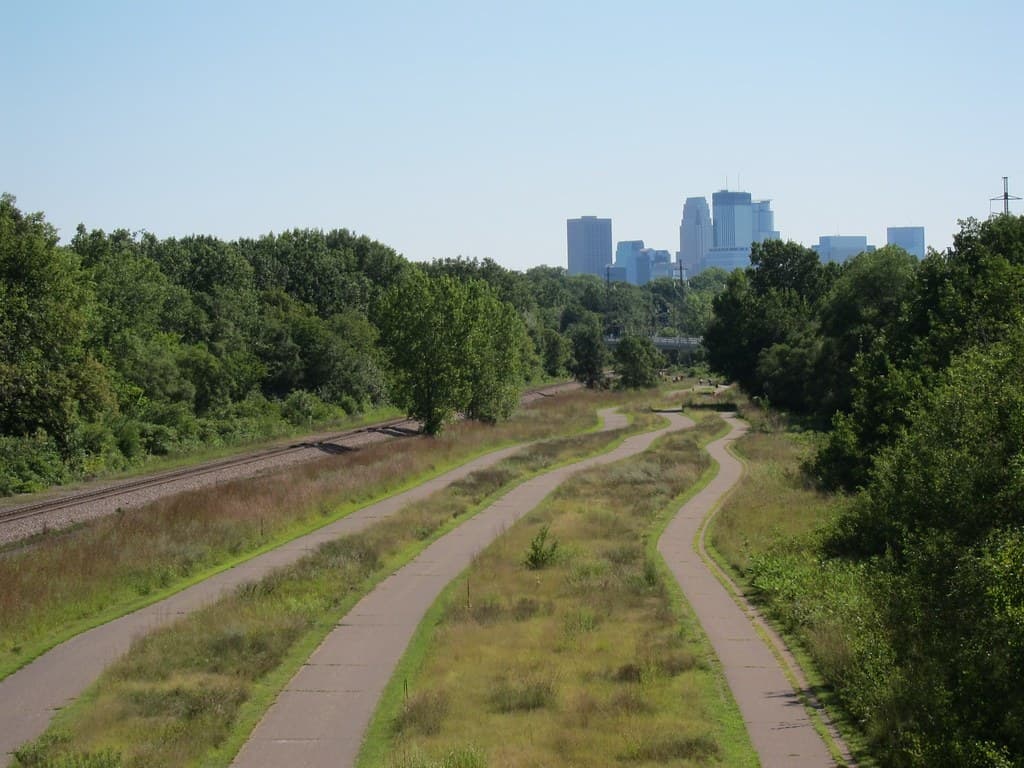
The Kenilworth and North Cedar Lake trails are fully open again after nearly seven years of closure for Green Line Extension construction. The Cedar Lake segment between Cedar Lake Parkway and Target Field reopened Nov. 28, 2025, and the last Kenilworth piece, between the Midtown Greenway and Cedar Lake Parkway, reopened March 25, 2026, restoring a continuous route into the western edge of downtown.
The trails link St. Louis Park, Hopkins and Southwest Minneapolis to the city center and serve as a backbone of west-side bike commuting. During the closure, riders detoured onto busier streets. "This part of the trail has been, for the past few years, a little bit of a headache," Minneapolis cyclist Lacey Morgan told CBS News at the reopening. "It's what makes Minneapolis one of the best places, these types of trails."
The corridor connects to the broader regional system, including the Cedar Lake Regional Trail running from the western suburbs into downtown and on to Target Field. With the gap closed, a rider can again string together the lakes loops, the regional trails and the downtown connections into a continuous, mostly protected route rather than hitting a dead end at a construction fence.
A protected, off-street route into downtown makes bike commuting workable for ordinary riders, not only those willing to mix with traffic on a busy arterial. The Metropolitan Council, which managed the construction, plans a public celebration of the full reopening once remaining fencing work near Target Field finishes.
NeighborhoodCedar-Isles-Dean
Related stories
Neighborhood
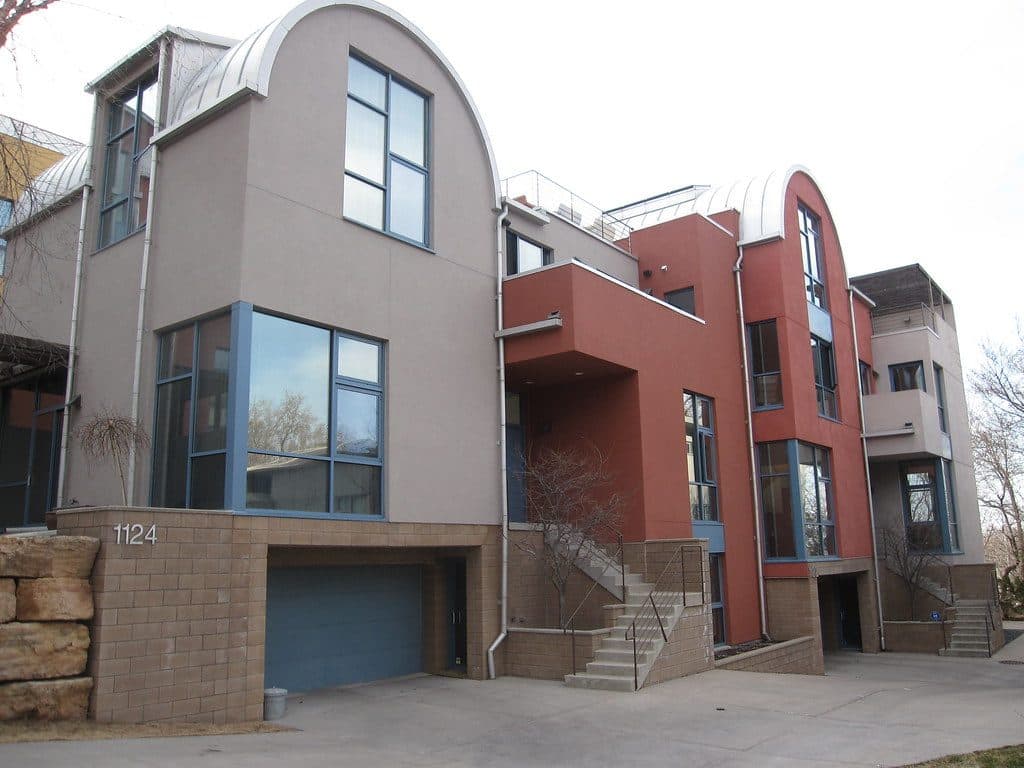
Lowry Hill and East Isles Land on Patch's List of Minnesota's Most Expensive Neighborhoods
Lowry Hill and East Isles rank among Minnesota's most expensive neighborhoods according to Patch's analysis of Niche's 2026 data.
Neighborhood
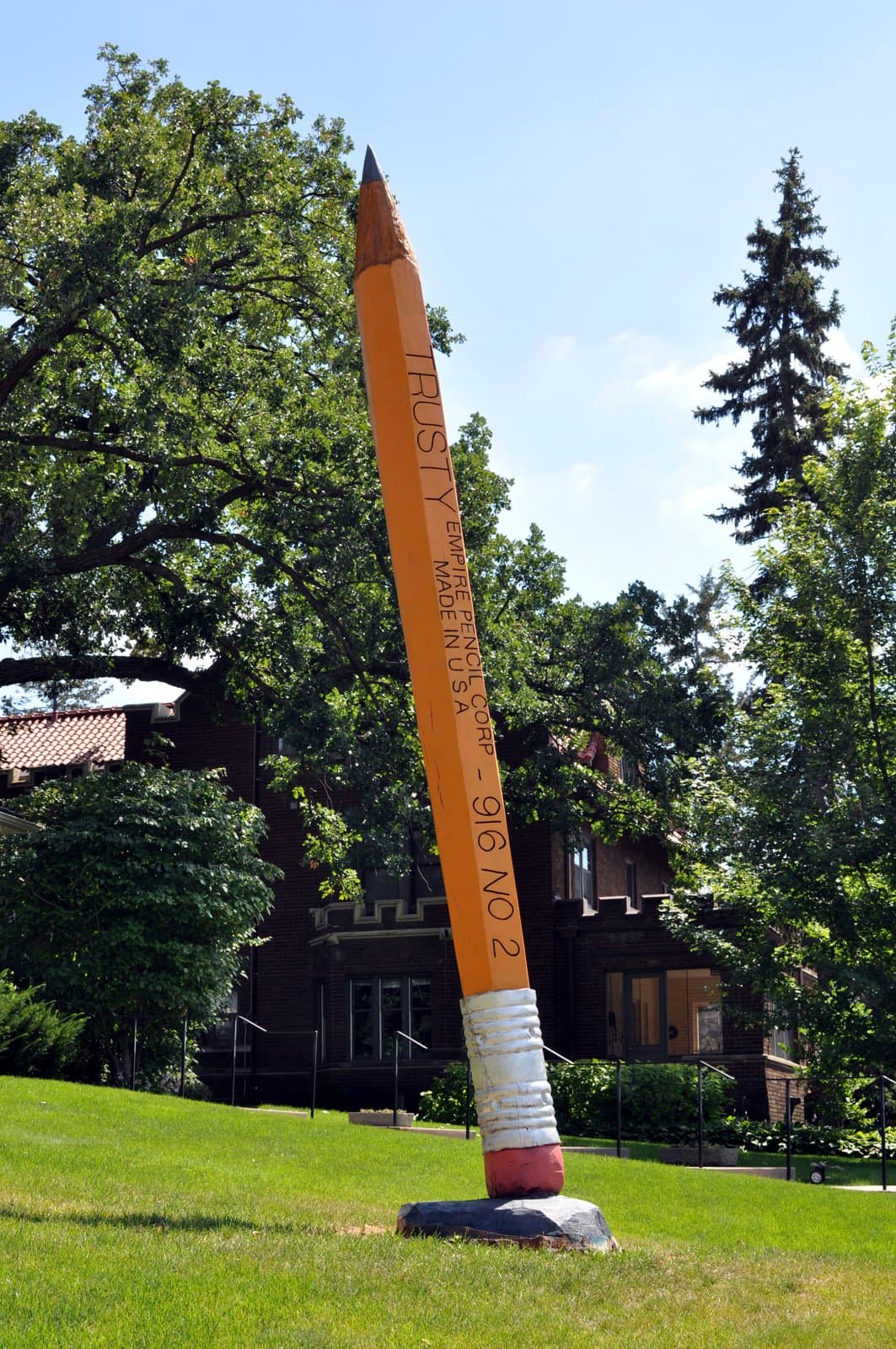
Community celebrates Lake of the Isles Pencil's 5th sharpening
Thousands gathered in East Isles on June 6, 2026, to watch the annual ceremonial sharpening of Minneapolis' giant pencil sculpture.
Neighborhood
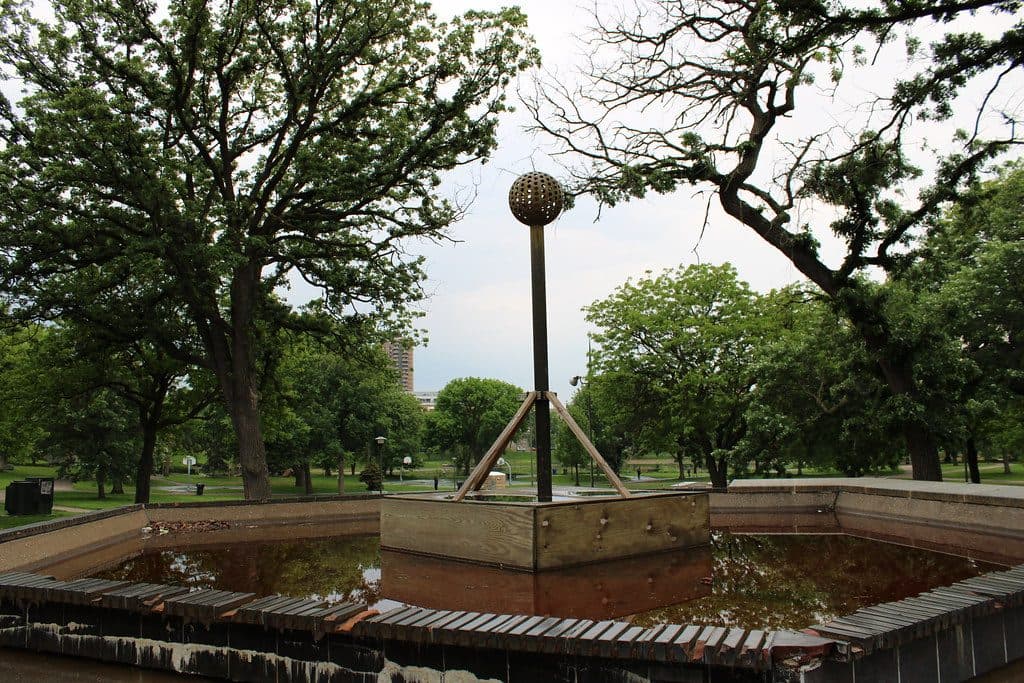
The end is in sight for Loring Park dandelion fountain's drought
State lawmakers approved $1.8 million for Berger Fountain repairs, and Park Board crews have begun demolition at the dry Loring Park landmark.
The neighborhood, in your inbox
Free. No paywall. Pick the topics you want — we send what’s happening this week.