NeighborhoodCedar-Isles-Dean
The Cedar Lake Regional Trail, From the Suburbs to Downtown
The Cedar Lake Regional Trail is whole again after nearly seven years, with the last closed stretches of the Cedar Lake and Kenilworth trails reopening over the winter of 2026 once Southwest Light Rail construction cleared the corridor.
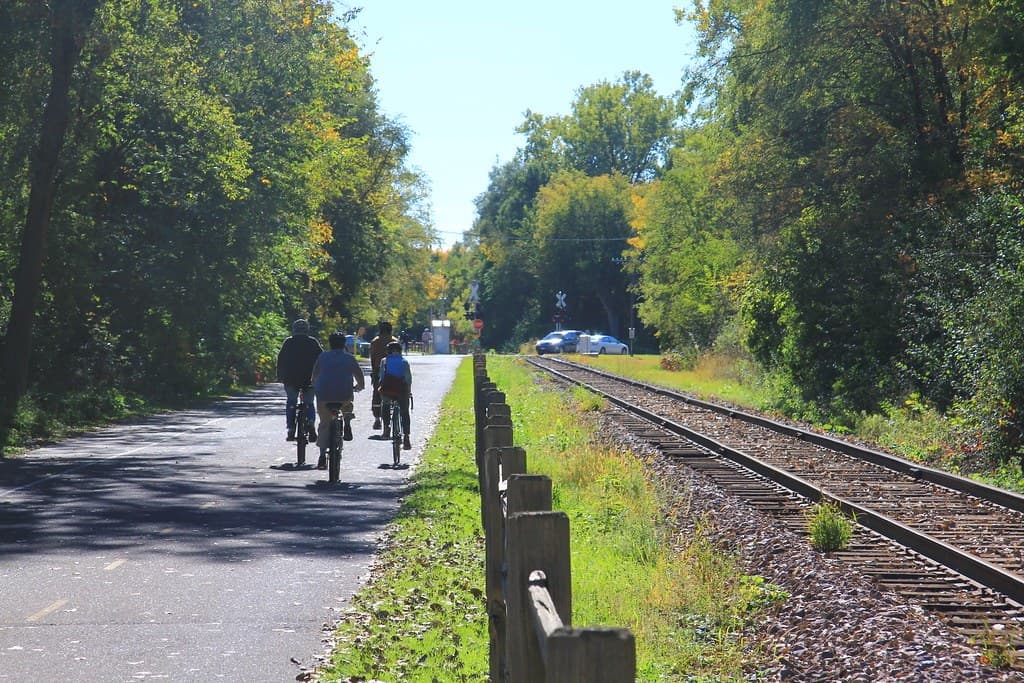
The Metropolitan Council closed large portions of the two trails in 2019 to build the Metro Green Line Extension, the 14.5-mile light-rail line that will run from downtown Minneapolis to Eden Prairie. Officials had projected a three-year closure when work began; it ran closer to seven, and more than 1,000 trees were removed to widen the rail corridor. The Green Line Extension itself is now slated to open to passengers in 2027.
That long gap mattered because the Cedar Lake trail's value is mostly in its connections. The reopened segments restore a continuous route from Target Field and downtown out to Cedar Lake Parkway, reconnecting the Cedar Lake, Kenilworth and Midtown Greenway trails into one network a rider can travel end to end. Before the closure the corridor carried roughly a million visits a year, with the Kenilworth segment alone averaging about 2,100 cyclist trips and 400 pedestrian trips a day, according to the Metropolitan Council.
On an ordinary weekday the trail is a commuting route, carrying riders from St. Louis Park, Hopkins and the western suburbs into downtown on a largely separated path. On event weekends it becomes a spine for large rides, including the City of Lakes Loppet events, the Minneapolis Bike Tour and the Bike MS Twin Cities Ride.
Some work remains. As of this spring, fencing still narrows the Cedar Lake Trail near Target Field, and a detour persists at the Midtown Greenway-Kenilworth connection south of Cedar Lake. The Metropolitan Council has said it plans a public celebration once the final segments are finished.
NeighborhoodCedar-Isles-Dean
Related stories
Neighborhood
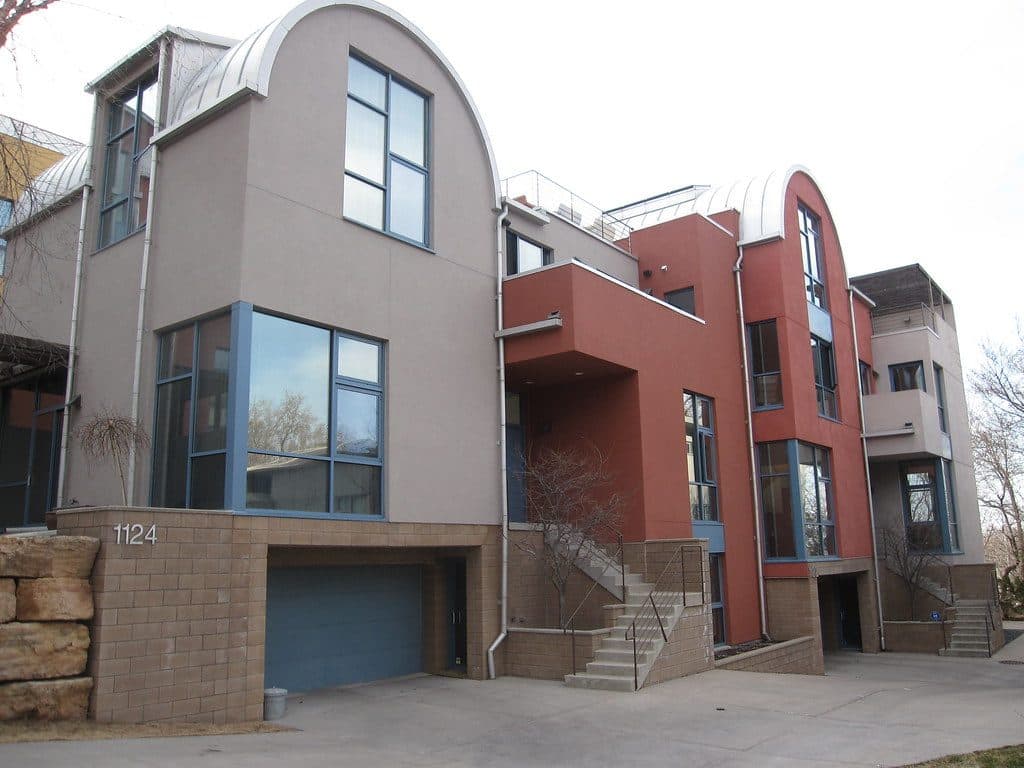
Lowry Hill and East Isles Land on Patch's List of Minnesota's Most Expensive Neighborhoods
Lowry Hill and East Isles rank among Minnesota's most expensive neighborhoods according to Patch's analysis of Niche's 2026 data.
Neighborhood
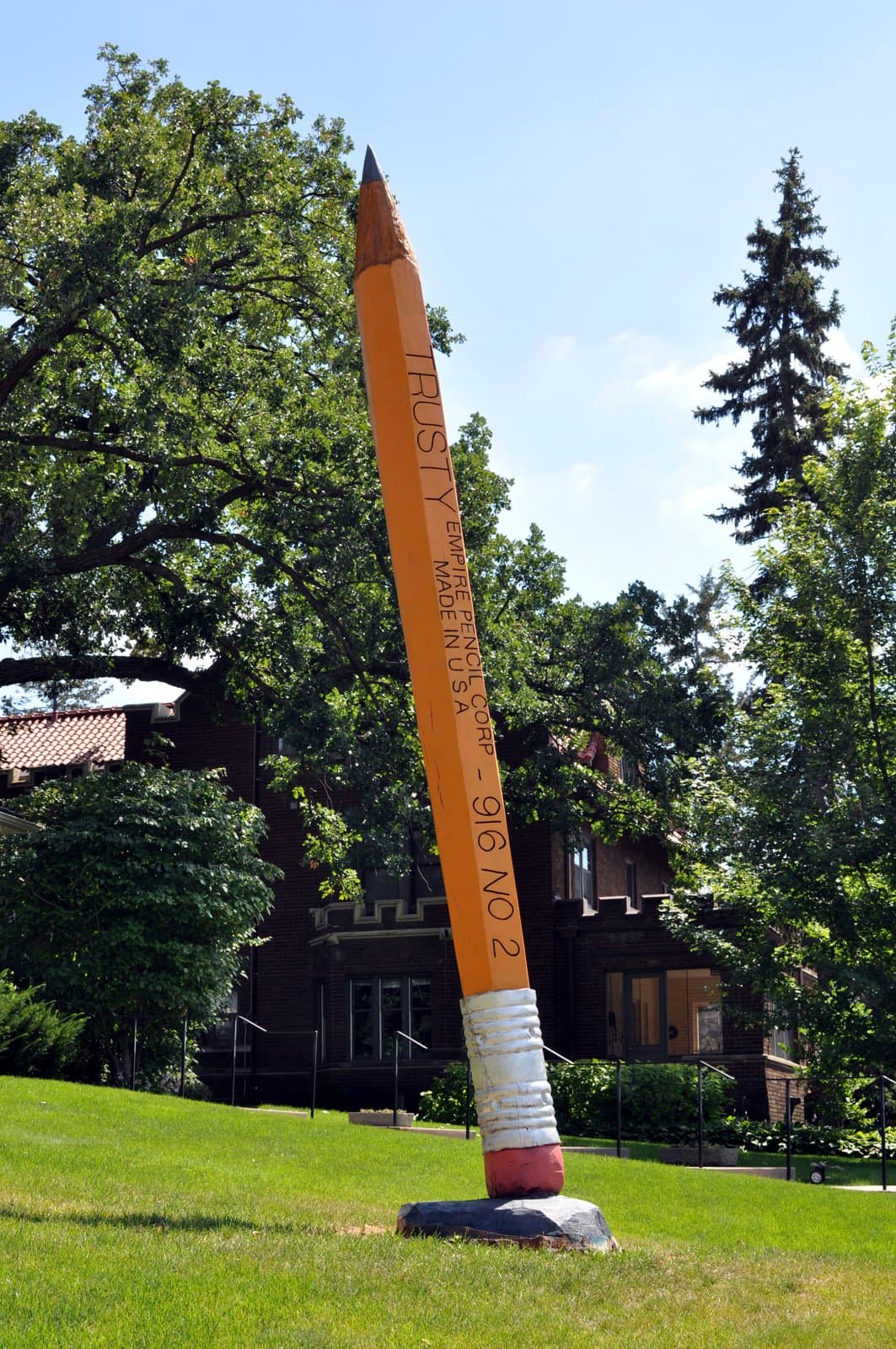
Community celebrates Lake of the Isles Pencil's 5th sharpening
Thousands gathered in East Isles on June 6, 2026, to watch the annual ceremonial sharpening of Minneapolis' giant pencil sculpture.
Neighborhood
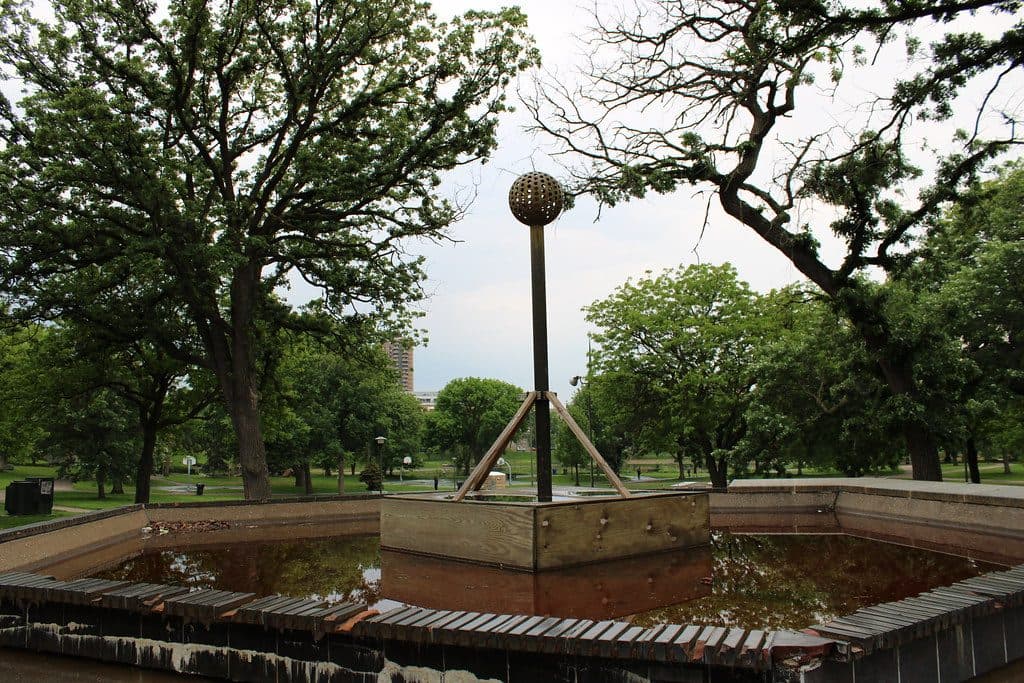
The end is in sight for Loring Park dandelion fountain's drought
State lawmakers approved $1.8 million for Berger Fountain repairs, and Park Board crews have begun demolition at the dry Loring Park landmark.
The neighborhood, in your inbox
Free. No paywall. Pick the topics you want — we send what’s happening this week.