NeighborhoodLowry Hill
Lowry Hill neighbors weigh in on park plan and Hennepin traffic calming
Lowry Hill residents pressed the case for slowing traffic near Hennepin Avenue and for staying on top of Park Board work along the Chain of Lakes.

Lowry Hill residents who want speed humps or curb extensions on their blocks must file with the city's Neighborhood Traffic Calming program, which ranks requests once a year and is working through a backlog of applications.
The discussion folded together two long-running neighborhood threads. The first is the Minneapolis Park and Recreation Board's continuing work on the Chain of Lakes parkways, shoreline and tree canopy. The second is traffic, where residents along blocks near Hennepin Avenue have asked the city to slow cars down.
On traffic, the city's route runs through its Neighborhood Traffic Calming program, which collects requests from people who live, work or own property on a street and ranks them for treatments such as speed humps, traffic circles, curb extensions and median islands. Applications go to the program at 300 Border Ave., Minneapolis, MN 55405, or can be filed online; residents can also call Minneapolis 311 for help. The city set a Sept. 15 deadline for its most recent annual round. Program details are at
The timing matters because the just-finished reconstruction of Hennepin Avenue South, which reopened to two-way traffic with bus and bike lanes in 2025, reshaped travel patterns on the blocks feeding into it. The practical takeaway from the meeting was straightforward: file the traffic-calming request, keep the Lowry Hill Neighborhood Association informed, and track the Park Board's project schedule so residents can speak up while public-comment windows are open rather than after decisions are made.
NeighborhoodLowry Hill
Related stories
Neighborhood
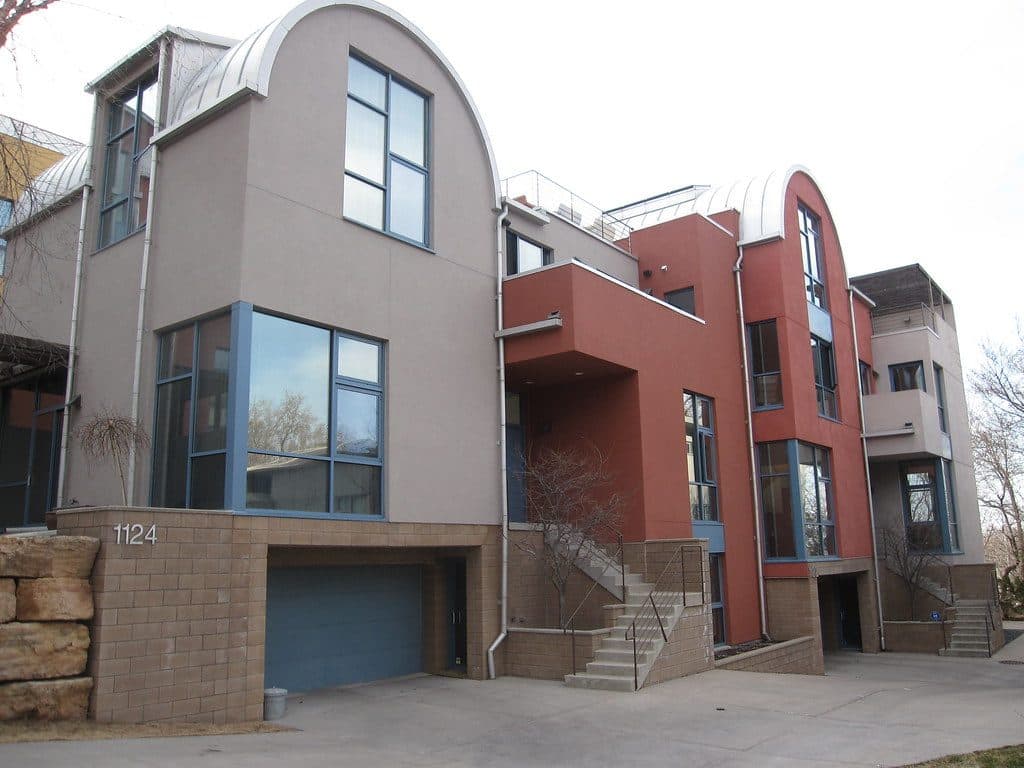
Lowry Hill and East Isles Land on Patch's List of Minnesota's Most Expensive Neighborhoods
Lowry Hill and East Isles rank among Minnesota's most expensive neighborhoods according to Patch's analysis of Niche's 2026 data.
Neighborhood
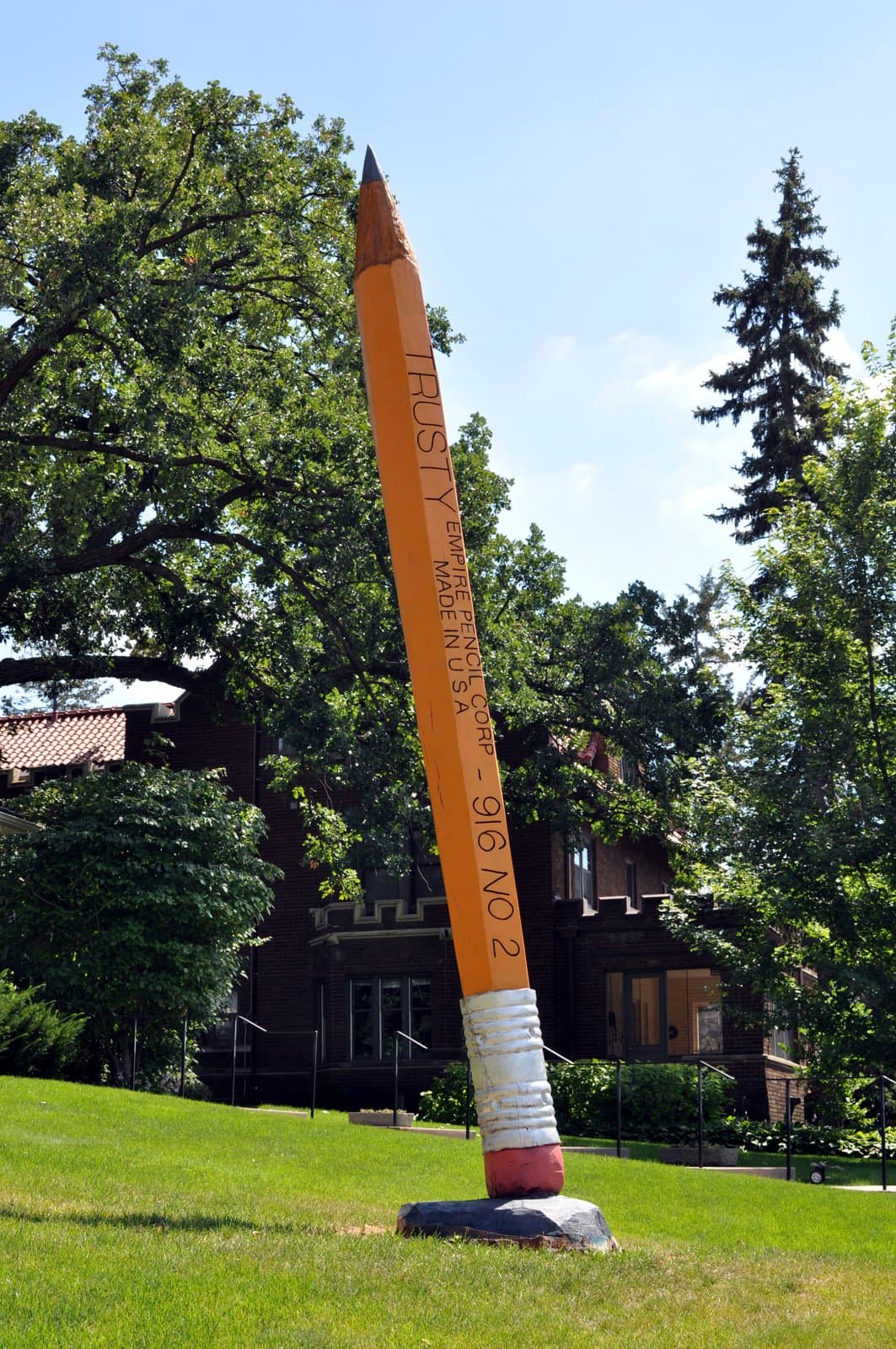
Community celebrates Lake of the Isles Pencil's 5th sharpening
Thousands gathered in East Isles on June 6, 2026, to watch the annual ceremonial sharpening of Minneapolis' giant pencil sculpture.
Neighborhood
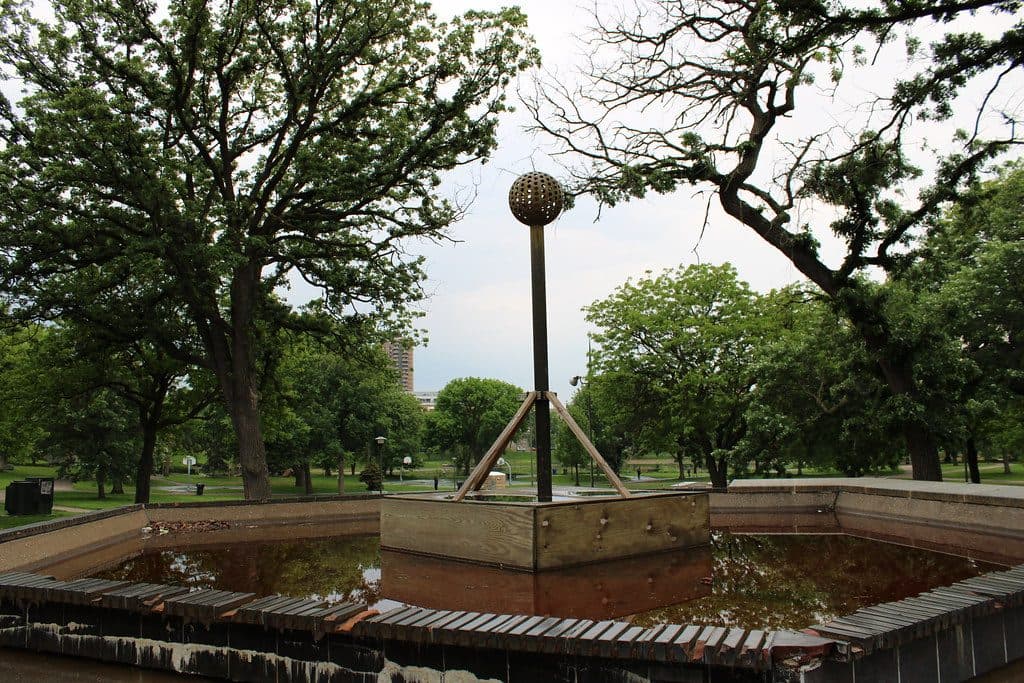
The end is in sight for Loring Park dandelion fountain's drought
State lawmakers approved $1.8 million for Berger Fountain repairs, and Park Board crews have begun demolition at the dry Loring Park landmark.
The neighborhood, in your inbox
Free. No paywall. Pick the topics you want — we send what’s happening this week.