NeighborhoodLowry Hill
Meet Your Neighbor: A Mount Curve Steward Keeps a 1906 House Standing
Owners of the century-old houses along Mount Curve Avenue describe their role as stewardship, and the Lowry Hill Neighborhood Association documents the homes they maintain.
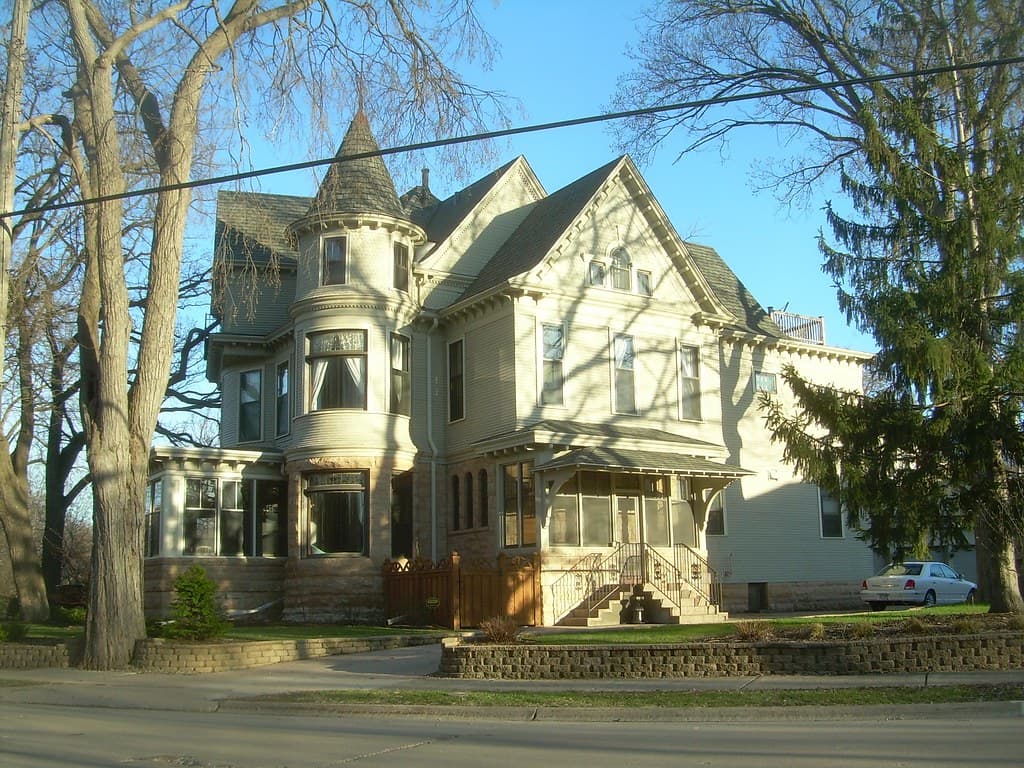
The great houses on and around Mount Curve Avenue in Lowry Hill were built in a boom that filled the ridge by 1906. The Lowry Hill Neighborhood Association's history describes the local standard as a spacious two-and-one-half-story house with generous porches and exterior detail, set behind a broad lawn under boulevard trees.
Maintaining a home of that vintage is a continuous project. The detail that defines the houses — slate and tile roofs, leaded glass, carved woodwork, period windows and carriage houses — is also what demands the most upkeep, none of it cheap or quick to repair. Owners often describe inheriting not just a building but a file of its history and an obligation to hand it on in good condition.
The payoff, owners say, is living inside the neighborhood's history, on broad lawns under boulevard shade trees and within walking distance of the Walker Art Center and the lakes.
Preservation groups such as the Healy Project have leaned on that ethic, organizing open houses and history projects that frame the avenue's homes as a shared inheritance. The Lowry Hill Neighborhood Association holds monthly board meetings, recently on Tuesday evenings from 6:30 to 8 p.m., and invites every resident 16 and older to attend and get on the agenda. For owners of the oldest houses, those meetings are where preservation questions meet the realities of a living neighborhood.
Informal networks of owners trade contractors who can match a century-old roof tile or repair leaded glass, and the neighborhood's institutional knowledge is much of it volunteer-kept.
NeighborhoodLowry Hill
1906 Mansion1906 MansionsArchitectureCentury HomesHealy ProjectHistoric HomesHistoric Home StewardshipHistoric PreservationHomeownerHome PreservationHome StewardshipLeaded GlassLocal BusinessLowry Hill Neighborhood AssociationMount Curve AvenueNeighborhood AssociationsNeighbor ProfilePreservationStewardshipStreets & InfrastructureWalker Art Center
Related stories
Neighborhood
Lowry Hill and East Isles Land on Patch's List of Minnesota's Most Expensive Neighborhoods
Lowry Hill and East Isles rank among Minnesota's most expensive neighborhoods according to Patch's analysis of Niche's 2026 data.
Neighborhood
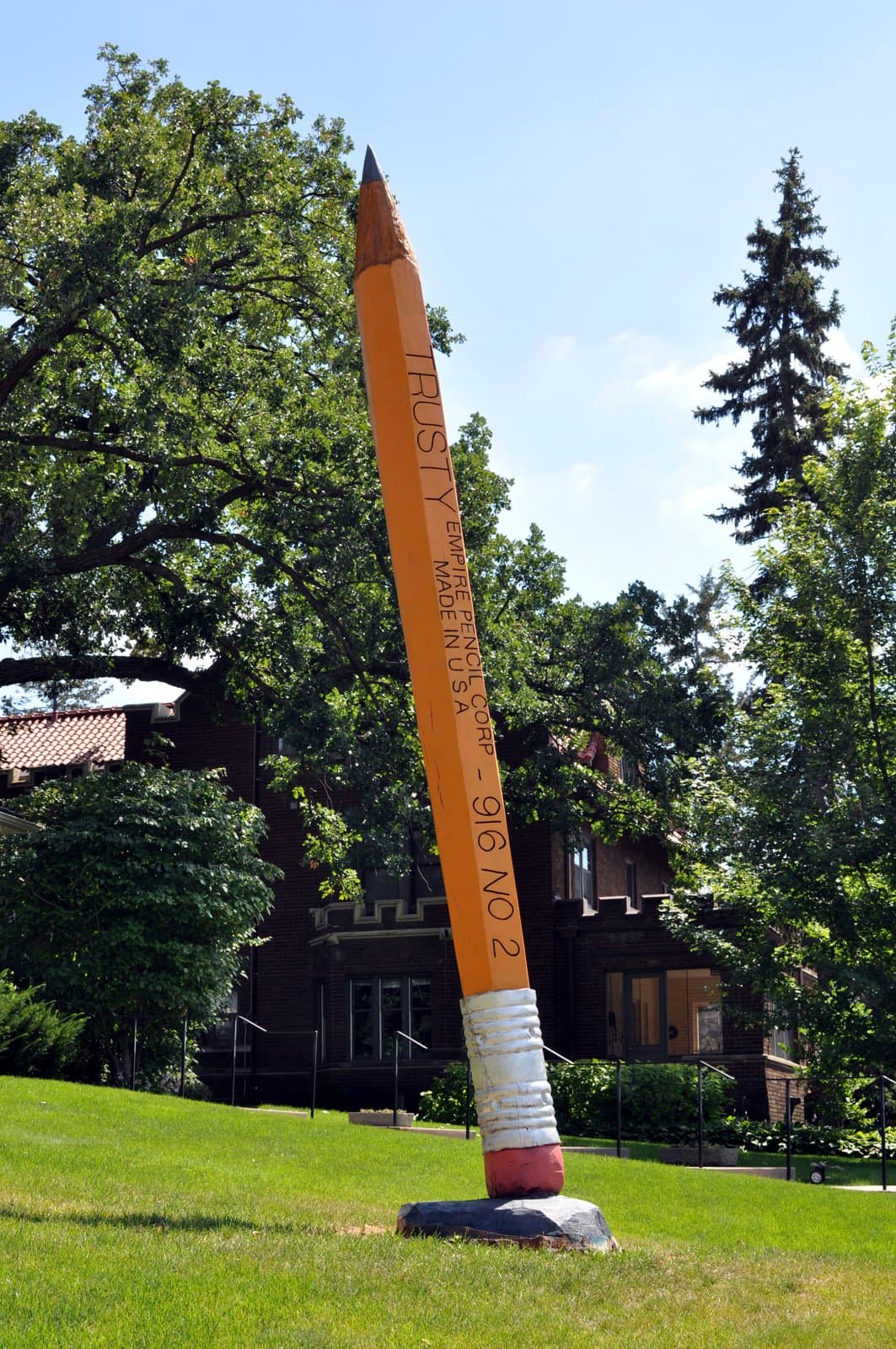
Community celebrates Lake of the Isles Pencil's 5th sharpening
Thousands gathered in East Isles on June 6, 2026, to watch the annual ceremonial sharpening of Minneapolis' giant pencil sculpture.
Neighborhood
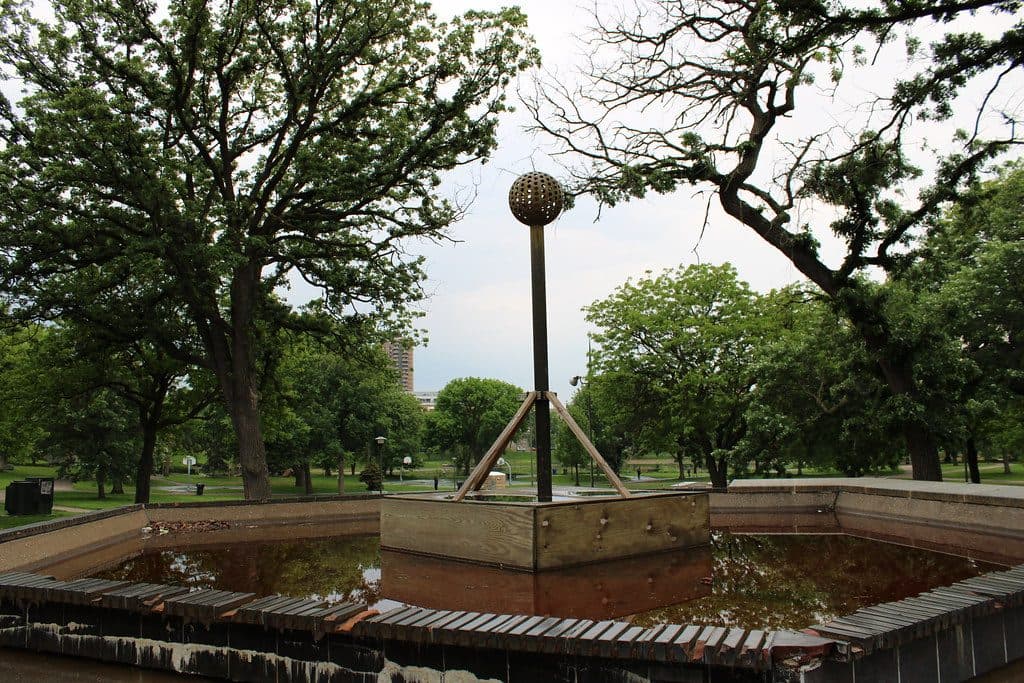
The end is in sight for Loring Park dandelion fountain's drought
State lawmakers approved $1.8 million for Berger Fountain repairs, and Park Board crews have begun demolition at the dry Loring Park landmark.
The neighborhood, in your inbox
Free. No paywall. Pick the topics you want — we send what’s happening this week.