NeighborhoodLowry Hill East (The Wedge)
The Wedge's Small Businesses Get a Listening Ear
The Lowry Hill East Neighborhood Association is canvassing Wedge storefronts to learn what local businesses need ahead of major construction on both of the neighborhood's commercial corridors.

The Lowry Hill East Neighborhood Association is visiting Wedge storefronts to ask owners what they need, an outreach effort the group says is meant to strengthen the local economy.
LHENA, pronounced "Lee-Nah," is the volunteer-led nonprofit recognized by the City of Minneapolis as the official neighborhood organization for the Wedge, where it serves more than 9,000 residents from an office at 2744 Lyndale Ave. S.. Its mission includes advancing a shared vision for the neighborhood, and the business outreach is one piece of a broader push to engage residents and merchants block by block.
The Wedge's commercial life runs mostly along its edges, on Hennepin Avenue to the west and Lyndale Avenue to the east. Both corridors are in flux. Hennepin was rebuilt in a project that wrapped in late 2025, and Lyndale is next: Hennepin County plans to reconstruct Lyndale Avenue South between Franklin Avenue and 31st Street, with construction set to begin in 2028 after a two-to-three-year build.
That timing is why the outreach doubles as an early-warning system. Construction, parking changes and rising rents tend to hit small operators first, and checking in with storefronts directly lets the association learn which corners are struggling before a vacancy appears. A neighborhood that knows its merchants can advocate for them with the city and rally residents to spend locally when a favorite shop is at risk.
NeighborhoodLowry Hill East (The Wedge)
Related stories
Neighborhood
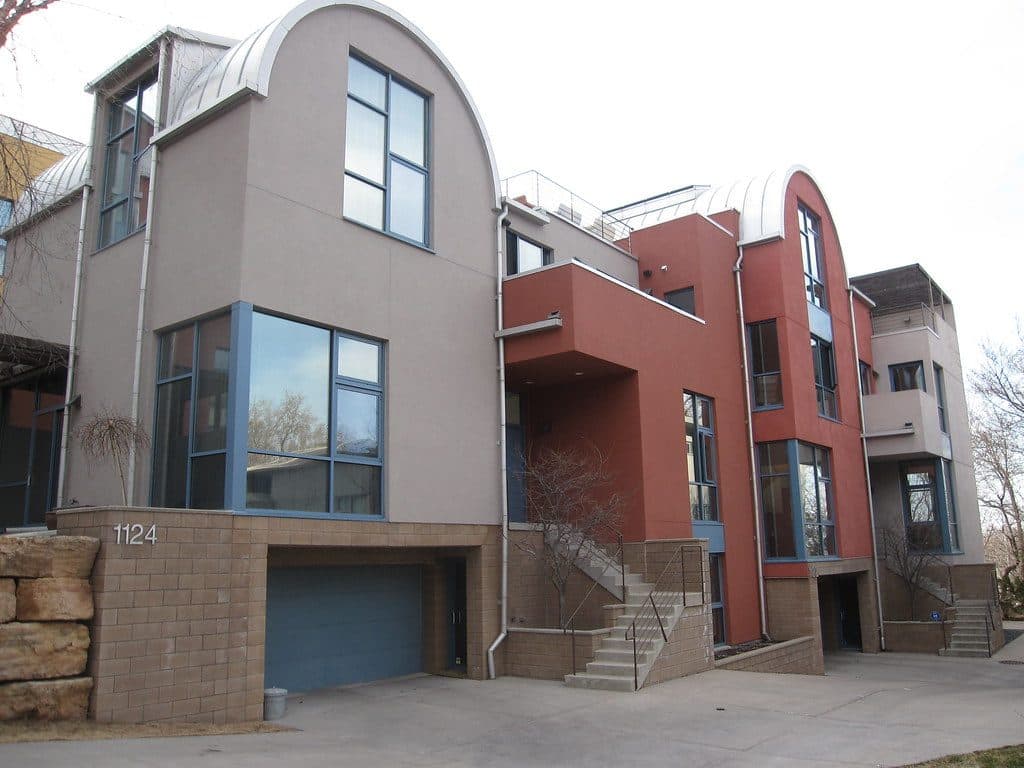
Lowry Hill and East Isles Land on Patch's List of Minnesota's Most Expensive Neighborhoods
Lowry Hill and East Isles rank among Minnesota's most expensive neighborhoods according to Patch's analysis of Niche's 2026 data.
Neighborhood
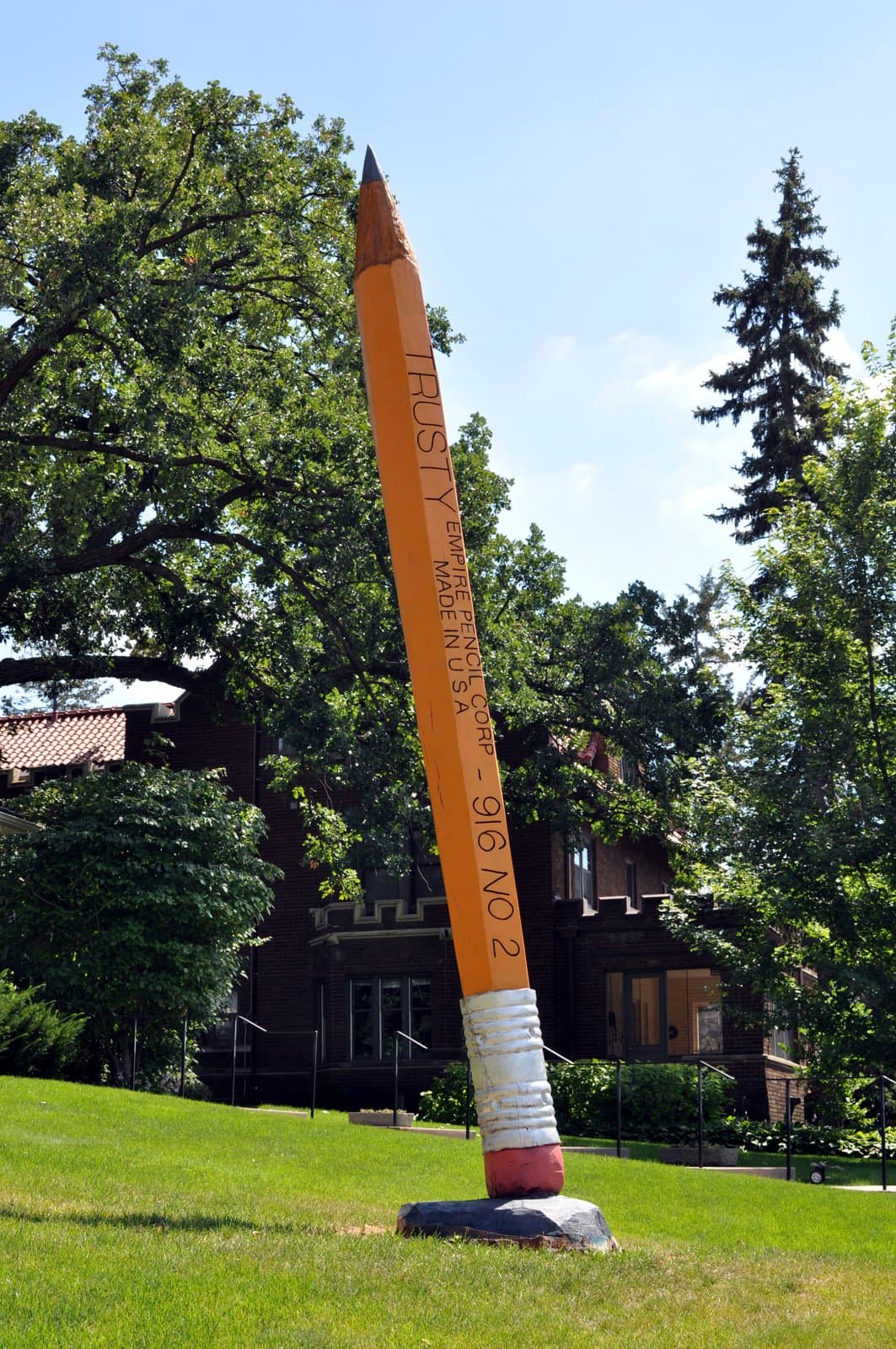
Community celebrates Lake of the Isles Pencil's 5th sharpening
Thousands gathered in East Isles on June 6, 2026, to watch the annual ceremonial sharpening of Minneapolis' giant pencil sculpture.
Neighborhood
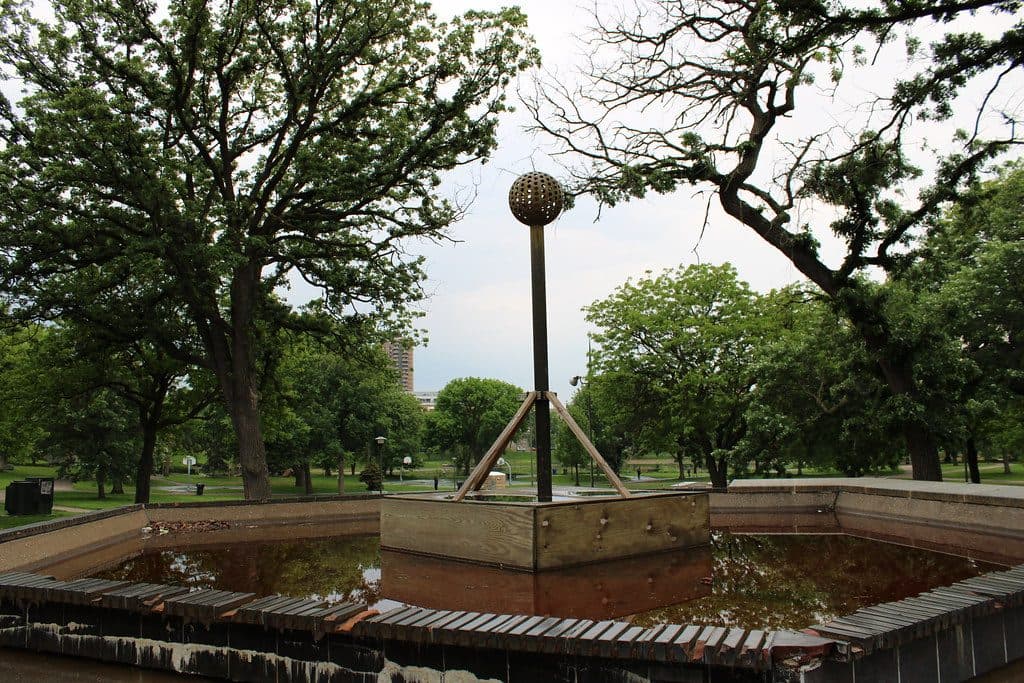
The end is in sight for Loring Park dandelion fountain's drought
State lawmakers approved $1.8 million for Berger Fountain repairs, and Park Board crews have begun demolition at the dry Loring Park landmark.
The neighborhood, in your inbox
Free. No paywall. Pick the topics you want — we send what’s happening this week.