Event Lowry Hill
A Rare Solo Night With Musician Shahzad Ismaily
The genre-crossing instrumentalist headlines an intimate evening in the Walker's winter season.
Thursday, January 22, 2026 2:15 PM Lowry Hill
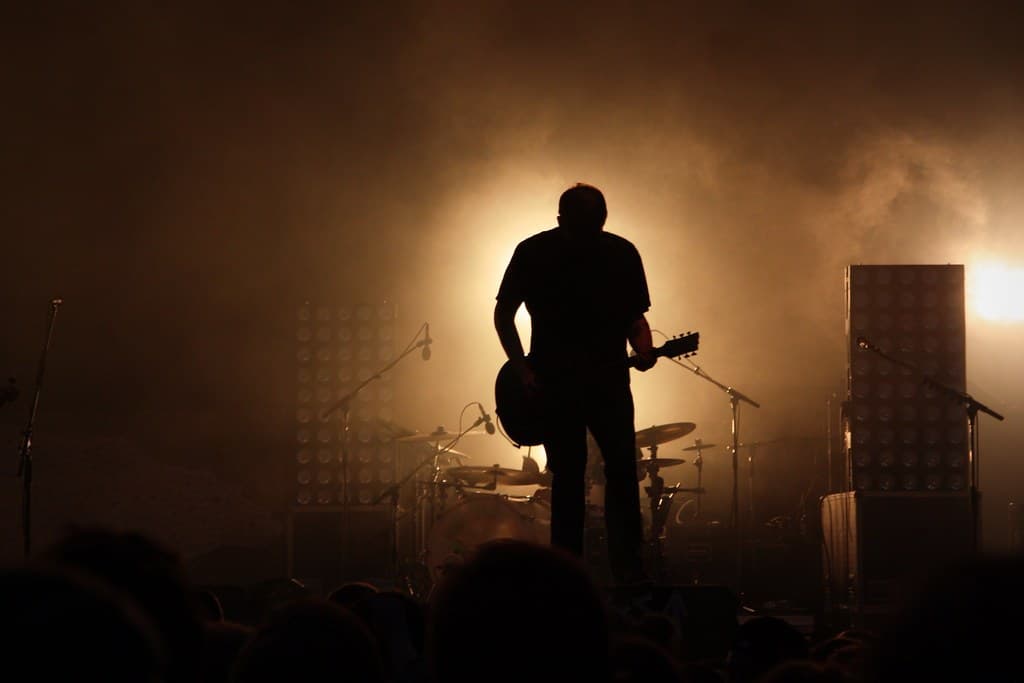
Among the more anticipated dates in the Walker Art Center's 2025-26 season is a rare solo night from the musician Shahzad Ismaily. Known for slipping between genres and instruments with an ease that resists easy description, Ismaily is the kind of artist whose live appearances register as events precisely because they are uncommon - and a solo turn from him is rarer still.
That scarcity is the story. In an era of endless touring and on-demand everything, an evening that genuinely cannot be replicated stands out.
The collaborator steps forward
Ismaily has built much of his reputation as a collaborator, lending his playing to a long and varied list of other people's records and stages. A night built around him alone is therefore a different proposition entirely - a chance to hear the sensibility behind all those collaborations stand on its own, without the frame of someone else's project. For listeners who have encountered his work as a supporting voice, the solo setting offers him as the subject rather than the accompanist.
There is a particular intimacy to that kind of show. A musician who usually serves another artist's vision, alone on stage and answerable only to his own instincts, tends to make decisions in real time that a rehearsed ensemble piece never would. The risk is part of the draw.
“The museum schedules evenings that exist nowhere else, then trusts its audience to follow.”
Programming the unrepeatable
The booking fits the Walker's instinct for programming the unrepeatable. Rather than chase the familiar touring acts that fill larger halls, the museum tends to schedule evenings that exist nowhere else - a specific artist, a specific configuration, on a specific night - and then trusts its audience to follow it there. That posture is the whole identity of the Walker's performing-arts program, and a solo Ismaily night is a clean example of it.
It is also a kind of curation in itself. Choosing to present an artist in an uncommon format - solo rather than with a band, in a museum rather than a club - is a statement about how the work should be heard. The setting tells the audience to listen closely, the way they would look closely at a painting.
A short walk, a long memory
For Lowry Hill music listeners, the show is a short walk and, potentially, a long memory - the sort of intimate concert that a larger venue could neither program nor properly hold. A solo performance like this depends on a room small and attentive enough to catch every quiet decision, and on an audience willing to sit with uncertainty. That is exactly the kind of room the Walker has spent years building.
Other events
The neighborhood, in your inbox
Free. No paywall. Pick the topics you want — we send what’s happening this week.