Event Lowry Hill East (The Wedge)
School Fundraiser Sets Up Shop at the Neighborhood Market
A local school turns a community market into a fundraising day.
Saturday, May 17, 2025 2:15 PM Lowry Hill East (The Wedge)
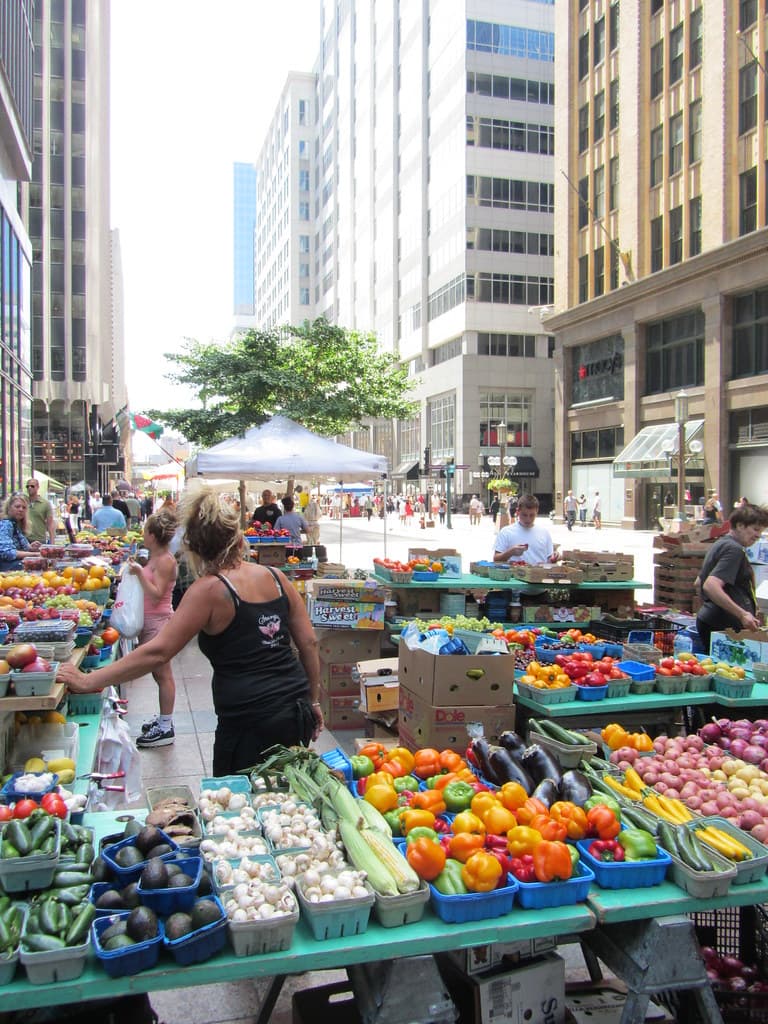
A neighborhood school is again folding its annual fundraiser into a community market, setting up a bake sale and family activities alongside the usual swap and art booths. The arrangement — a fundraiser within a market — mirrors the model the Wedge uses for its Mega Mueller Market.
Proceeds go back to the school, and the market setting guarantees an audience that a standalone bake sale could never draw. It is a simple piece of leverage: rather than ask people to come out for a school fundraiser, the school plants itself where a crowd is already gathering.
Two events in one
For families, the day works on both levels: a chance to shop a community market and to support a neighborhood school in the same trip. You come for the produce, the secondhand finds and the makers' tables, and you leave having also bought a cookie that paid for a classroom. Nobody has to choose between a fun morning and a good cause; the format hands you both.
That dual appeal is exactly why it draws better than either event would alone. A bake sale on its own competes with everything else on a Saturday; a bake sale inside a market simply intercepts people who were going to be there anyway. The school gets its audience, and the market gets a little extra warmth and family programming.
Why the model endures
The format has proven durable across the area's neighborhoods precisely because it pools effort — one event, shared by a market and a cause. Organizing anything takes hands, permits, setup and promotion, and stacking a fundraiser onto an existing market spreads all of that across more shoulders. The result is more impact for less duplicated work, which is why neighborhoods keep reaching for it.
It also reflects how local institutions in the lakes-and-hill area tend to operate: collaboratively, on modest budgets, leaning on shared events rather than going it alone. A school, a neighborhood association and a clutch of makers all benefit from showing up to the same morning.
Good for the school, good for the block
There is a community dividend beyond the dollars raised. Folding a school into a neighborhood market puts parents, kids and neighbors in the same space, strengthens the tie between a school and the blocks around it, and reminds everyone that the local school is a neighborhood institution, not just a building children disappear into on weekdays. The fundraiser raises money; the format builds belonging.
Other events
The neighborhood, in your inbox
Free. No paywall. Pick the topics you want — we send what’s happening this week.