NeighborhoodLowry HillLowry Hill East (The Wedge)Bryn MawrKenwood
MPS Warns of Layoffs Amid $75 Million Budget Gap
Minneapolis Public Schools cut about 400 positions, including roughly 116 teachers, to close a $75 million shortfall in its 2025-26 budget.
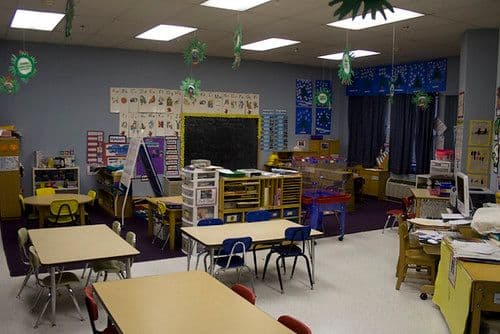
Minneapolis Public Schools eliminated about 400 full-time positions, among them roughly 116 teachers, to close a $75 million gap in its 2025-26 budget, driven by falling enrollment and the end of pandemic-era federal aid.
The district has framed the gap as structural rather than a single bad year. Minneapolis enrollment has fallen about 17% over the past five years, leaving more than half its schools below 70% capacity, which cuts per-pupil revenue at the same time that one-time federal relief has run out and salaries and operating costs have kept rising.
There has been some relief. The district later identified a multiyear failure to fully claim state special-education revenue and now expects more than $20 million in additional state funding, which trimmed the following year's projected shortfall. Even so, the 2026-27 deficit has grown from a projected $30.3 million to about $50.5 million, and the district is poised to eliminate another 187 school positions.
For neighborhood schools such as Kenwood Elementary, the cuts raise questions about class sizes, specialist positions and enrichment programs. Parent groups, including Kenwood's PTA, are tracking the budget process closely. They are clear that locally raised dollars cannot replace a district budget — no fundraiser closes a $75 million gap — but that money may have to stretch to protect the extras families value most as the district reductions reach individual buildings.
NeighborhoodLowry HillLowry Hill East (The Wedge)Bryn MawrKenwood
Related stories
Neighborhood
Lowry Hill and East Isles Land on Patch's List of Minnesota's Most Expensive Neighborhoods
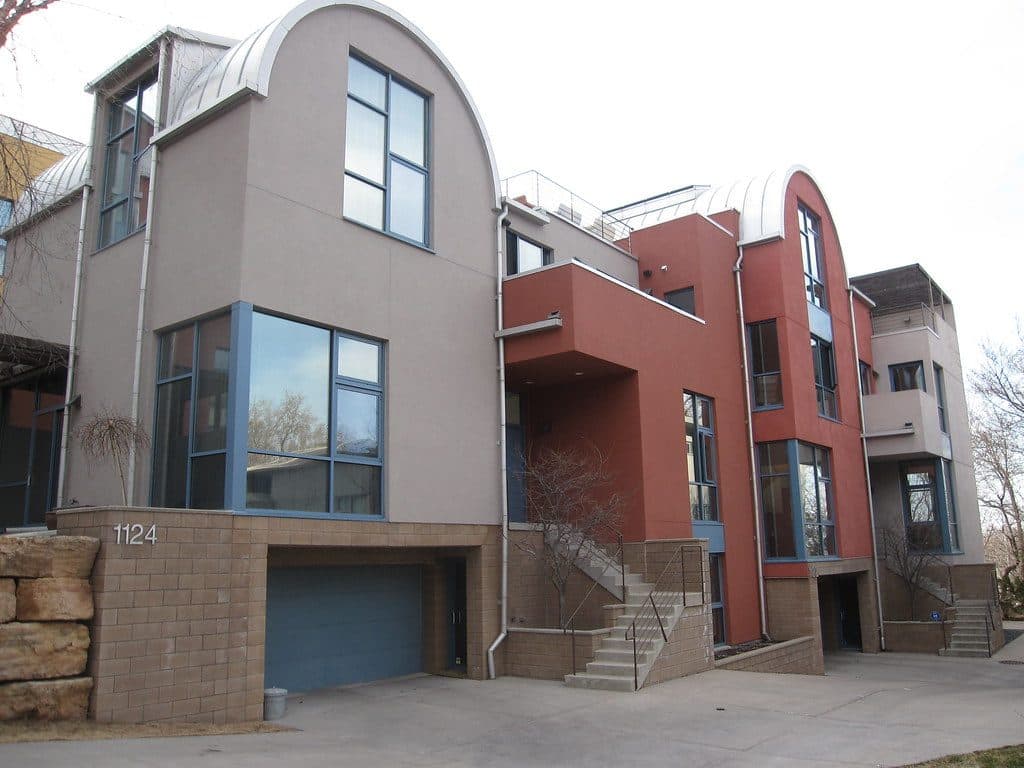
Lowry Hill and East Isles rank among Minnesota's most expensive neighborhoods according to Patch's analysis of Niche's 2026 data.
Neighborhood
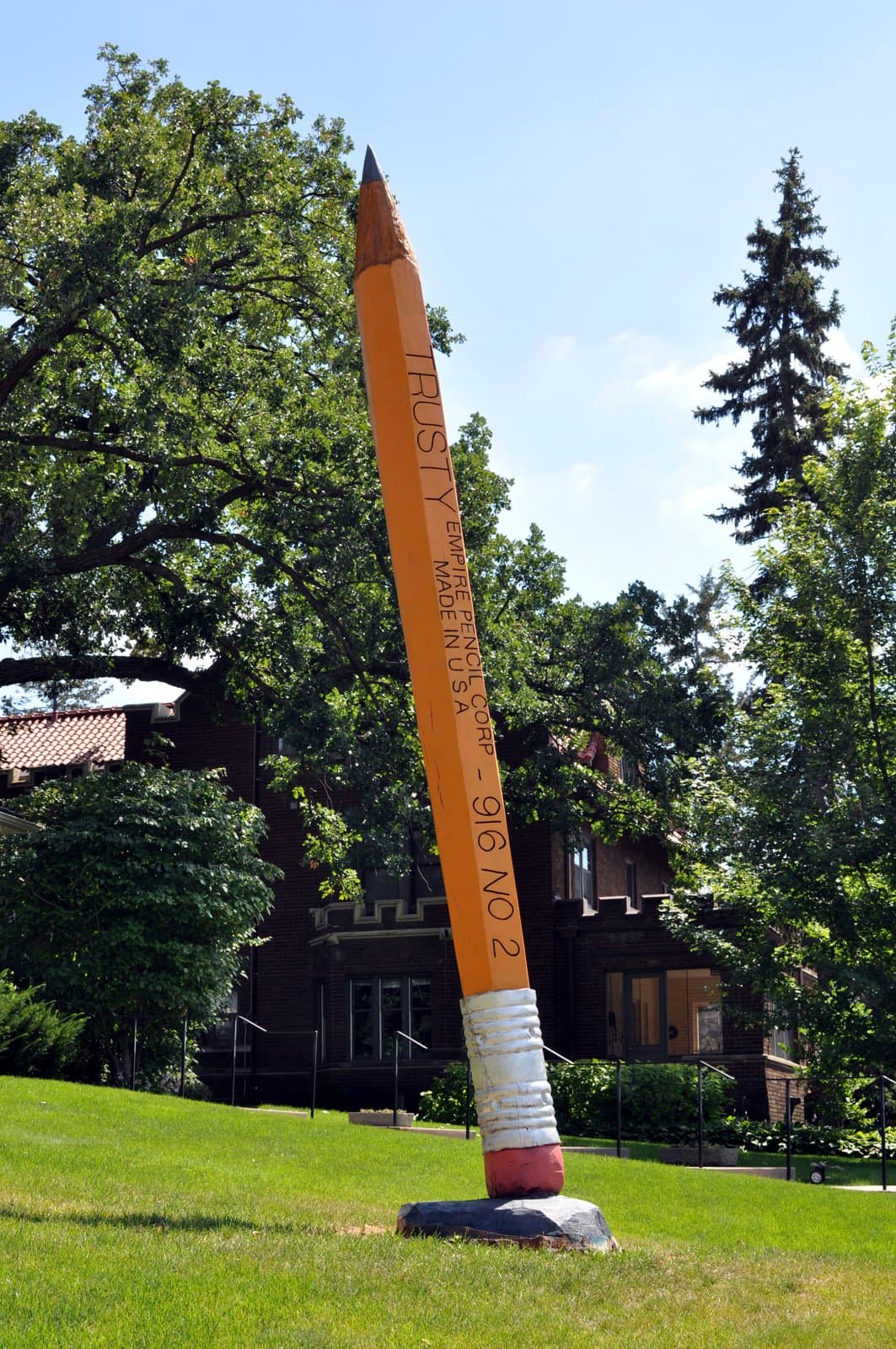
Community celebrates Lake of the Isles Pencil's 5th sharpening
Thousands gathered in East Isles on June 6, 2026, to watch the annual ceremonial sharpening of Minneapolis' giant pencil sculpture.

Neighborhood
The end is in sight for Loring Park dandelion fountain's drought
State lawmakers approved $1.8 million for Berger Fountain repairs, and Park Board crews have begun demolition at the dry Loring Park landmark.
The neighborhood, in your inbox
Free. No paywall. Pick the topics you want — we send what’s happening this week.