Bryn Mawr
Every Lowry Hill News story tagged Bryn Mawr.

Neighborhood
How to Get Involved: A Neighbor's Guide to Showing Up
The lowest-commitment way to get involved on Lowry Hill is a Saturday morning: the neighborhood association's monthly Service Saturdays meet at Sebastian Joe's, 1007 W. Franklin Ave., on the third Saturday from 10 to 11:30 a.m. for a walking litter and storm-drain cleanup, with no sign-up required.

Neighborhood
MPS Warns of Layoffs Amid $75 Million Budget Gap
Minneapolis Public Schools cut about 400 positions, including roughly 116 teachers, to close a $75 million shortfall in its 2025-26 budget.

Neighborhood
Bryn Mawr's Civic Calendar Knits a Small Neighborhood Together
Bryn Mawr, a neighborhood of about 2,768 people, runs a full year of neighborhood events through its volunteer-led association, from a December street festival to a summer ice cream social.

Neighborhood
Profile: Bryn Mawr's Unofficial Event Engine
The Bryn Mawr Neighborhood Association runs a year-round calendar of volunteer-staffed events, from its summer Ice Cream Social to a neighborhood garage sale that dates to the 1970s.

Events
New Year's Eve Skate Planned for Lake of the Isles
Three neighborhood associations team up for a free, family-friendly evening on the ice — weather permitting.

Neighborhood
Winter Saturnalia Warms Bryn Mawr's Coldest Months
Bryn Mawr's Saturnalia, the neighborhood's December winter festival, drew residents to Penn Avenue South for music, crafts and bonfires.

City
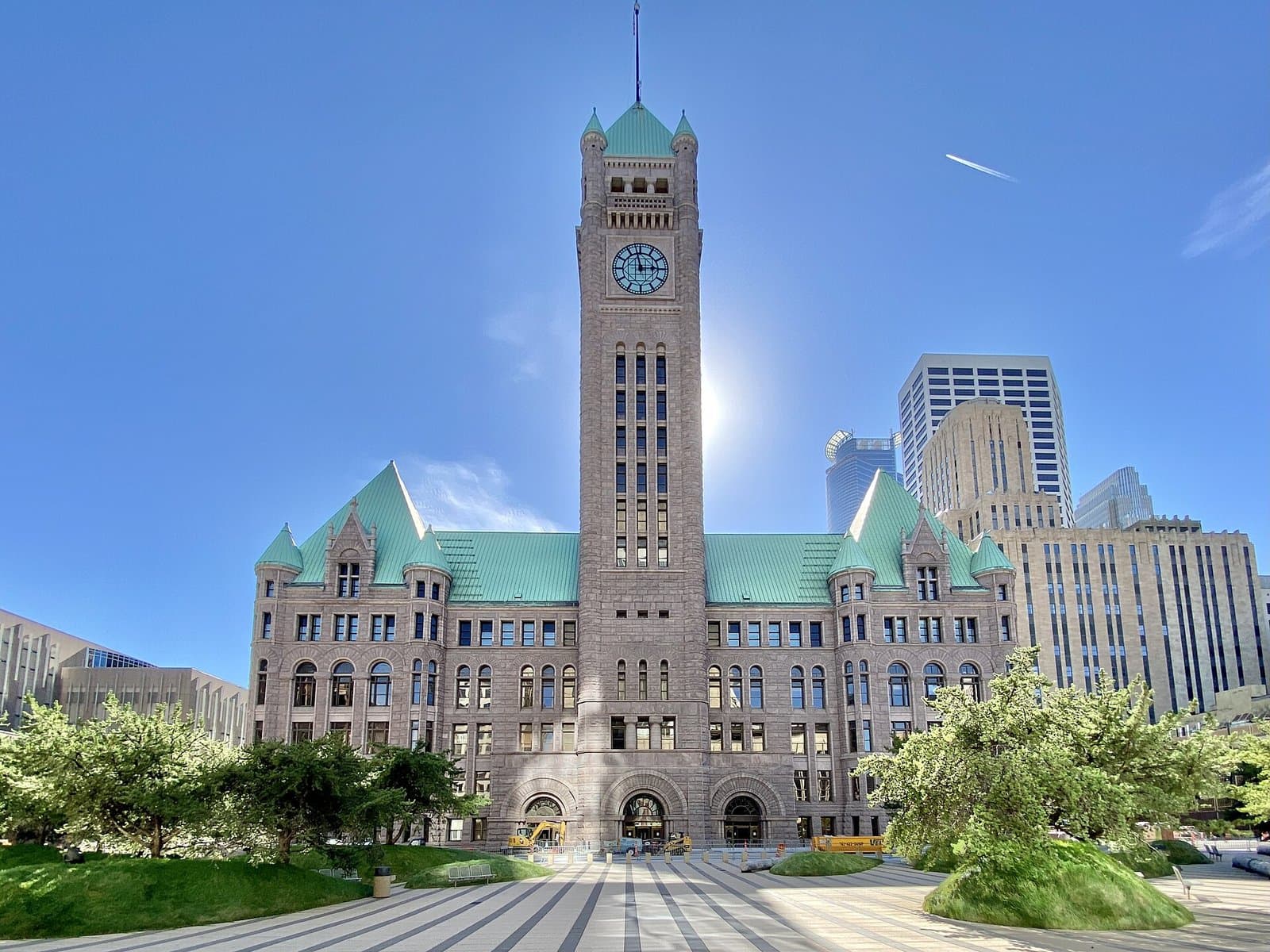
How the Levy Landed: Comparing Frey's Ask to the Final Number
Mayor Jacob Frey asked for a 7.8% levy increase in August; the City Council adopted 8% in December.
City
Council Passes $2 Billion 2026 Budget After Weeks of Negotiation
The Minneapolis City Council adopted a roughly $2 billion 2026 budget on Dec. 9, 2025, on an 11-0-0-2 vote.

City
Three Public Hearings Shaped the Park Board's Budget Before It Passed
The Minneapolis Park Board adopted a $160 million 2026 budget on Dec. 9, 2025, after two public hearings that let residents weigh in on the plan and its tax levy.

City
Park Board Adopts 2026 Budget Focused on Caring for Aging Park Assets
The Park Board adopted its 2026 budget in December, built on a property-tax levy of $95,524,537 and focused on caring for aging park assets.
City
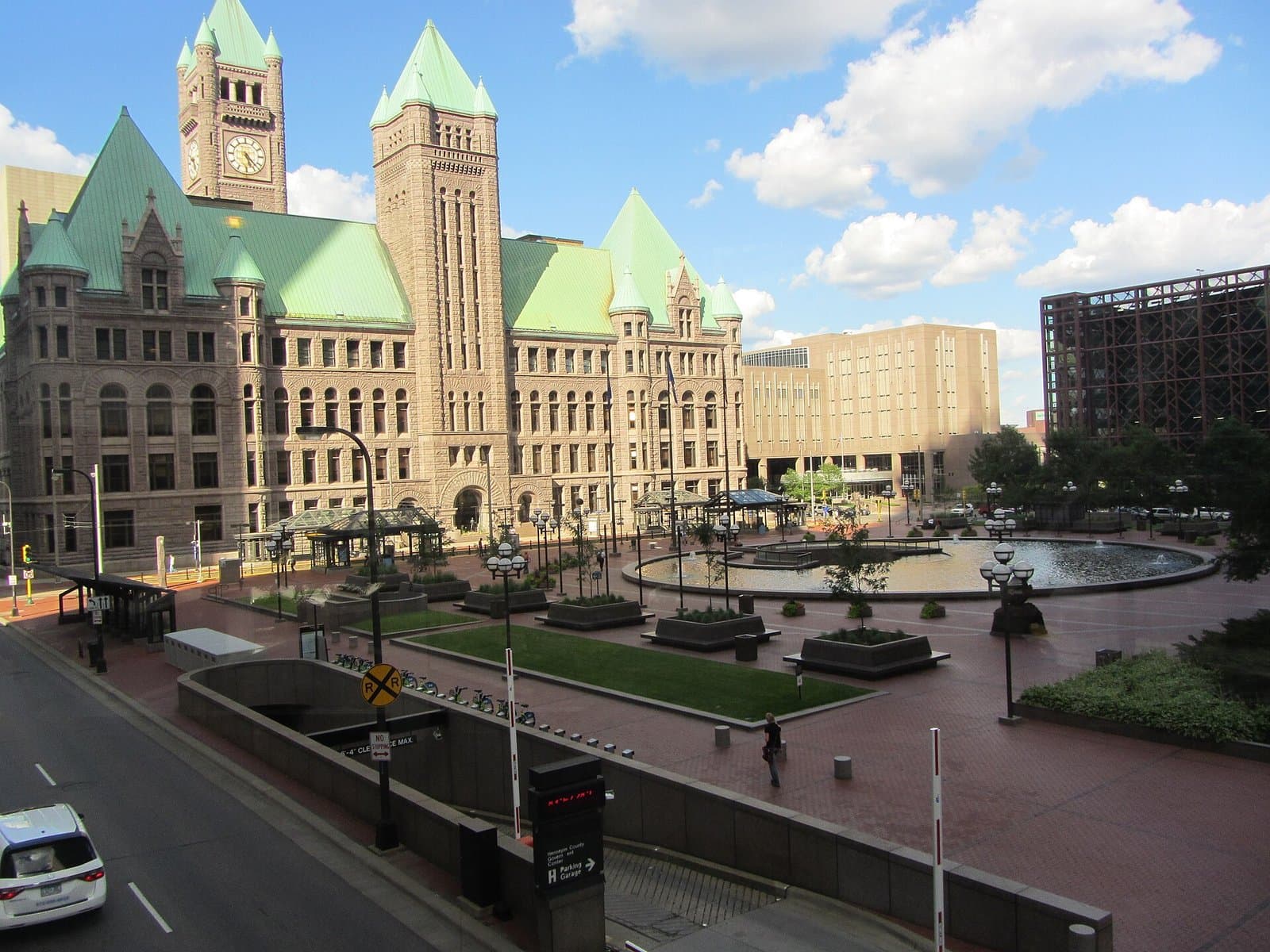
Nearly 40 Amendments: How the Council Reshaped the Mayor's Budget
The City Council amended Mayor Jacob Frey's 2026 budget before adopting it, and rejected his proposed cuts to the mayor's own office.
City
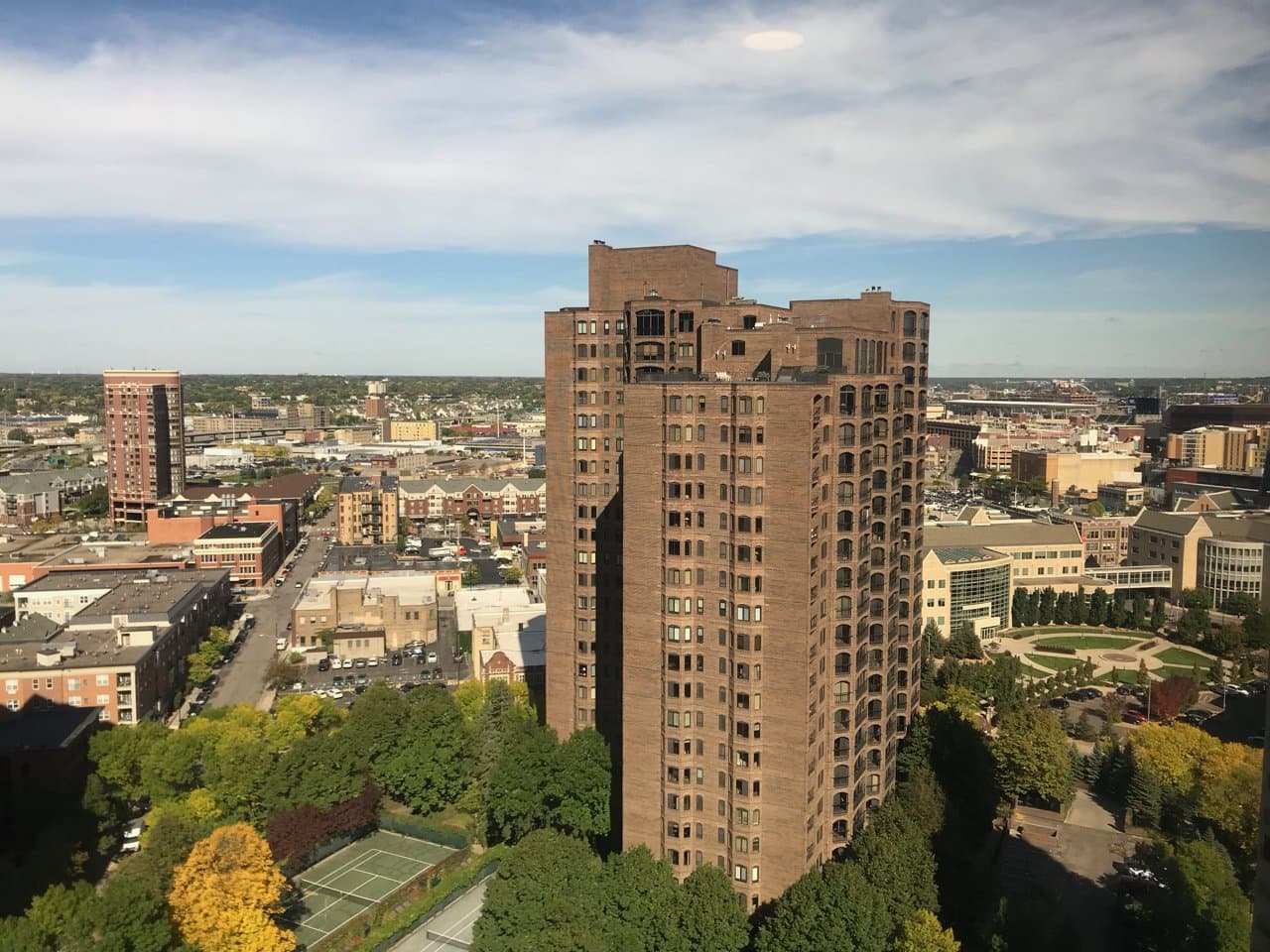
Police Pay and the Budget: The Double-Overtime Question
Mayor Jacob Frey moved to end "double-time" police overtime in 2026, a change the city says will save about $3.64 million a year and help hold down the property-tax levy.
City
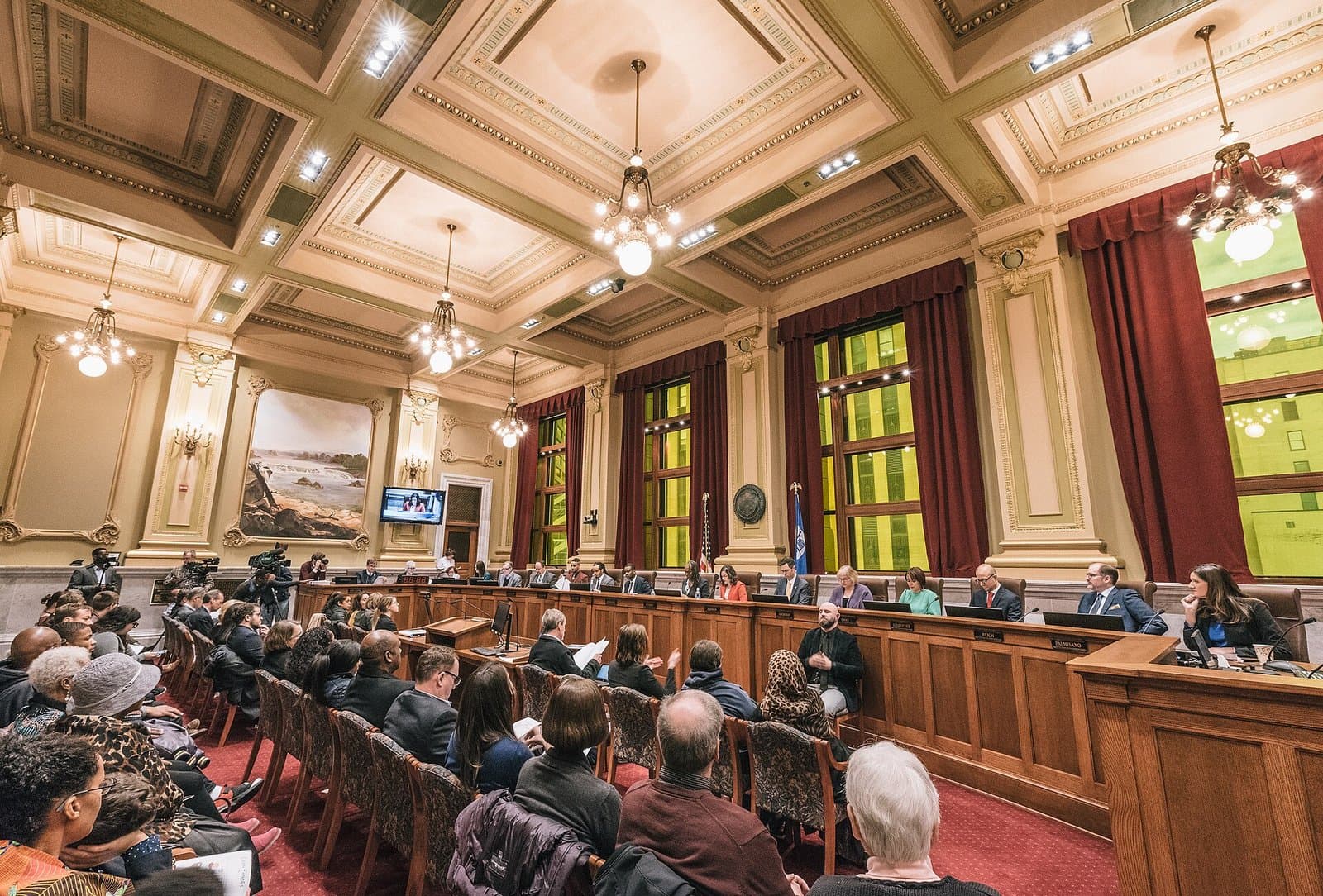
Council Vice President Helps Broker the 2026 Budget Deal
Council Vice President Aisha Chughtai and Mayor Jacob Frey jointly announced the 2026 budget agreement that held the city's property-tax levy flat.

City
Park Levy vs. City Levy: Why Lowry Hill Homeowners Pay Two Bills
The independently elected Minneapolis Park and Recreation Board levies property taxes separately from the city, so homeowners pay toward two budgets on one statement.

City
Bryn Mawr's planned Green Line station sits in a scenic valley
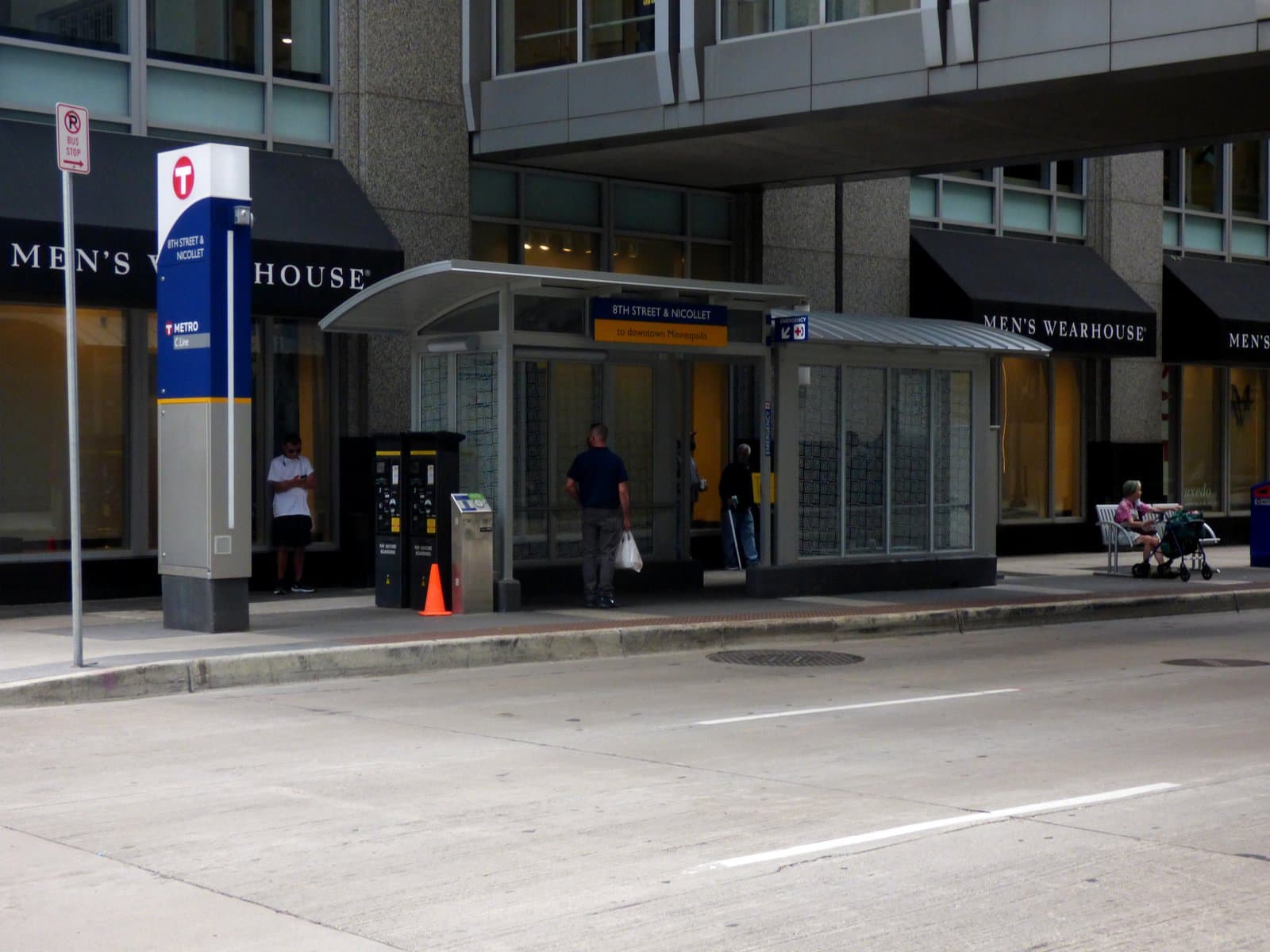
The Metro Green Line Extension's planned Bryn Mawr Station sits beside the Cedar Lake Trail near downtown, with an opening targeted for 2027.

City
Ordinances Signed Into Law: Reading the City's Official Acts
An ordinance amends the binding Minneapolis Code of Ordinances; a resolution only states the council's position or directs city business.

City
Reading the Council Agenda: How a Lowry Hill Item Becomes a Vote
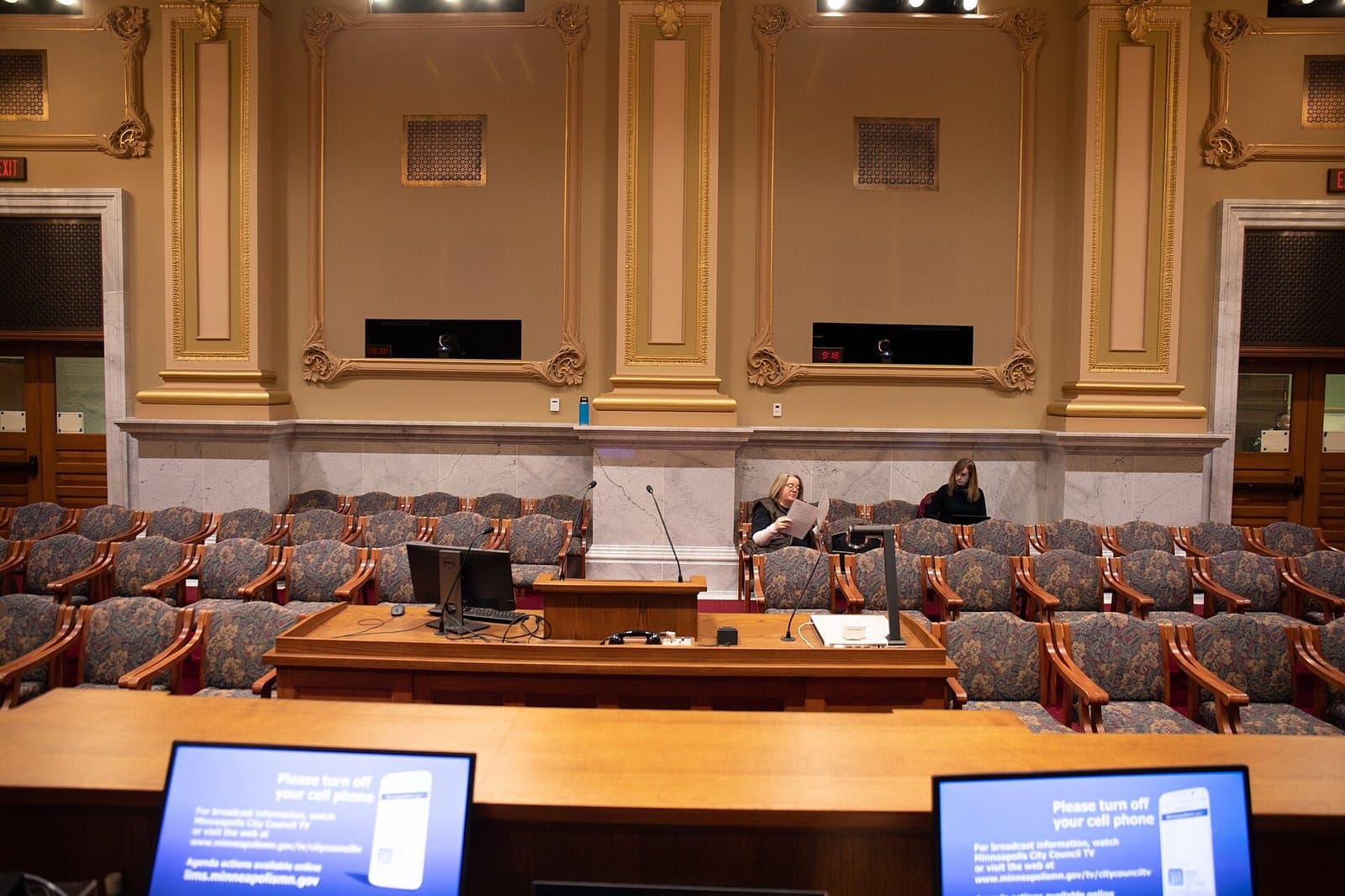
A Minneapolis council item moves from a subject-matter committee, where the public can testify, to a Thursday vote of the full council.
City
A Quarter of the Council Is New: What the Turnover Means for the Western Wards
Four new members joined the Minneapolis City Council in January 2026, and the progressive bloc lost its veto-proof majority.
City
What's Left After the Ribbon-Cutting: Sewer Lining and Punch-List Work
Crews kept working on Hennepin Avenue South after its late-October reopening, finishing punch-list items and underground utility work that outlast the ribbon-cutting.
City
How Ranked-Choice Voting Decided the Ward 7 Race
Elizabeth Shaffer won the Ward 7 council seat outright in the first round, taking 52 percent of first-choice votes.
City
The $1 Million Council Race: How Ward 7 Became the City's Most Expensive Contest
The Ward 7 contest between Katie Cashman and Elizabeth Shaffer was the most expensive single City Council race in Minneapolis this cycle, drawing outside money into Lowry Hill and the lakes neighborhoods.
City
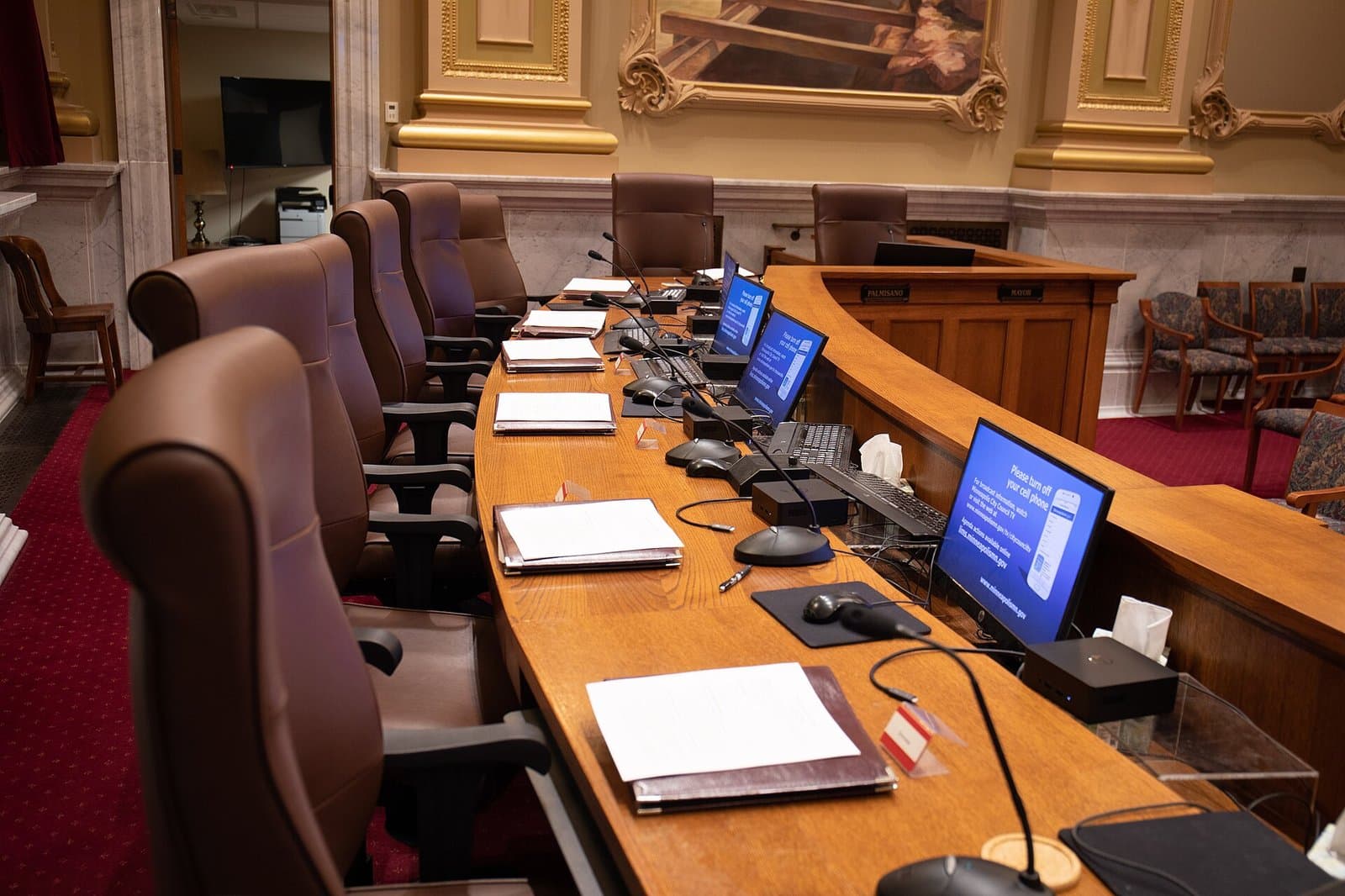
Council Loses Its Veto-Proof Majority as Four Newcomers Join
Four newcomers joined the Minneapolis City Council in January 2026, costing the progressive bloc the nine votes it needed to override Mayor Jacob Frey.
City
Frey Wins a Third Term as Mayor as Council Map Is Redrawn Around Him
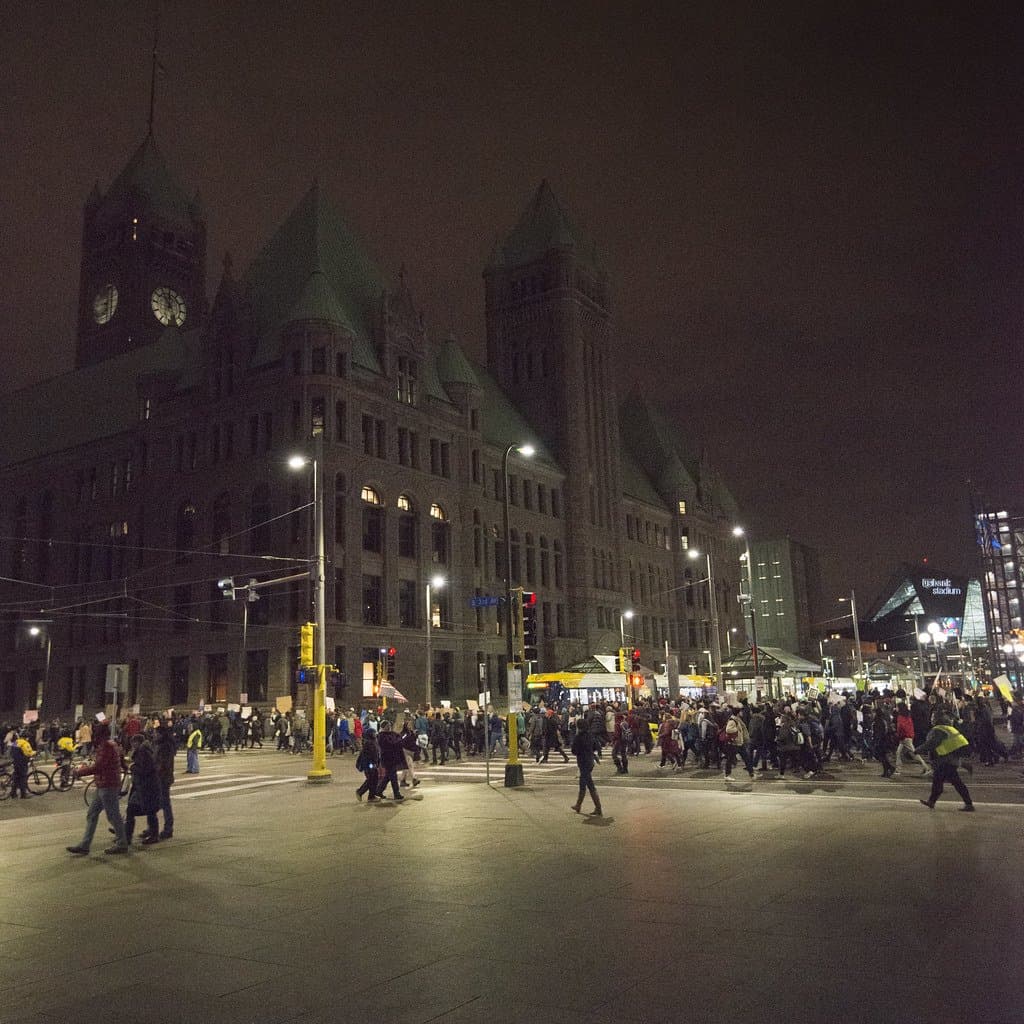
Jacob Frey won a third term as Minneapolis mayor by 50.03% after ranked-choice tabulation, even as the council that checks him lost its veto-proof majority.
City
How the Hennepin Redesign Was Built Around the E Line
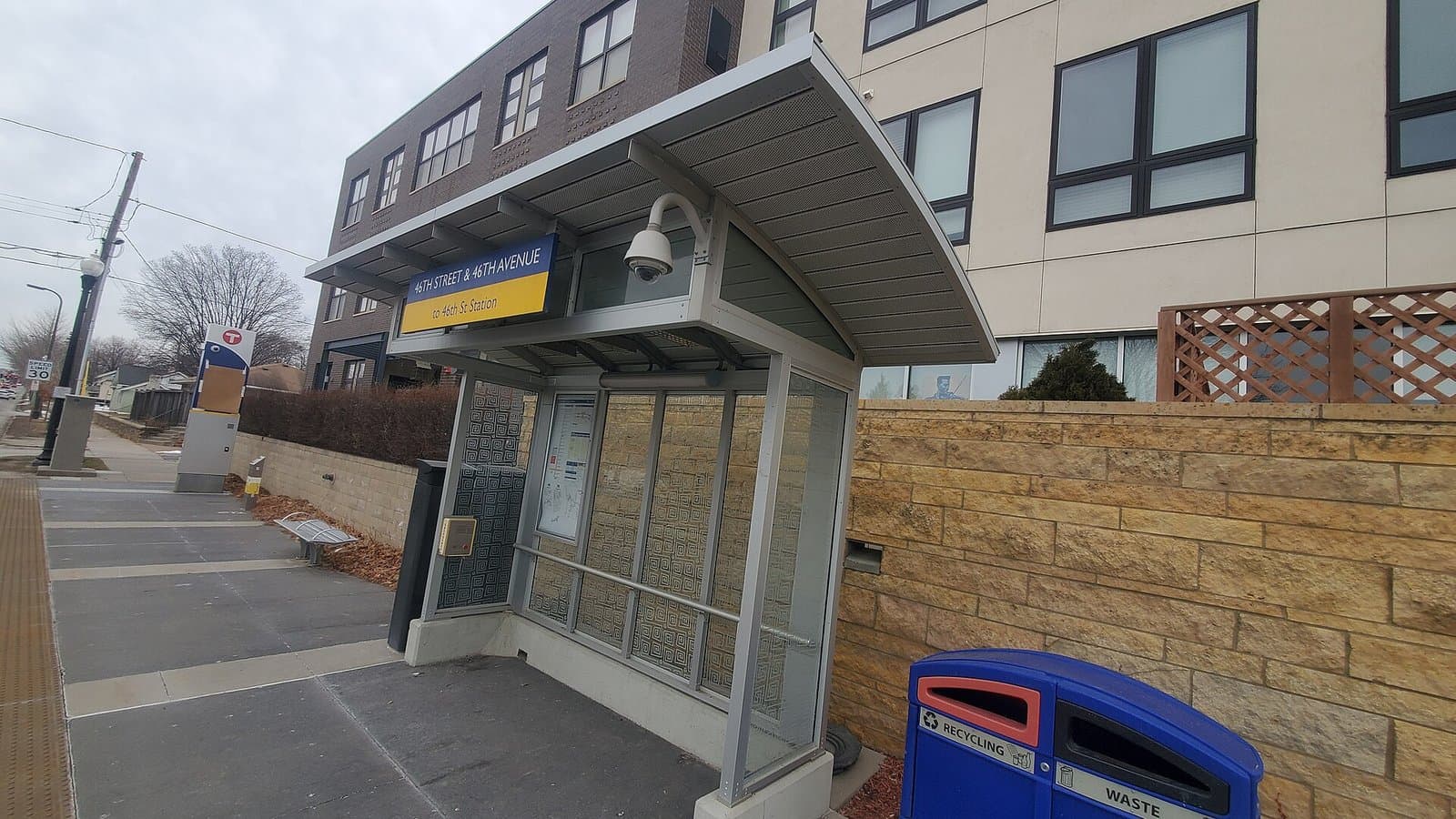
The rebuilt Hennepin Avenue was designed around the METRO E Line, which opened Dec. 6 and largely replaced Route 6.
City
What the Park Board Owns: Lakes, Parkways and the Street Trees Outside Your Door
The Minneapolis Park and Recreation Board owns about 180 park properties and nearly 7,000 acres, and it also maintains roughly 200,000 boulevard trees on the residential streets outside many residents' doors.

City
Park Board Earns National Gold Medal for Excellence in Recreation Management
The Minneapolis Park and Recreation Board won the 2024 National Gold Medal Award for Excellence in Park and Recreation Management, its first such honor since 1989.
Neighborhood
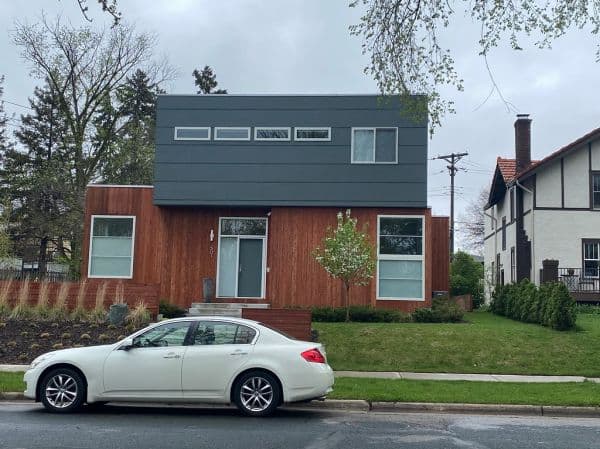
Bryn Mawr: 'A Neighborhood Within a Park'
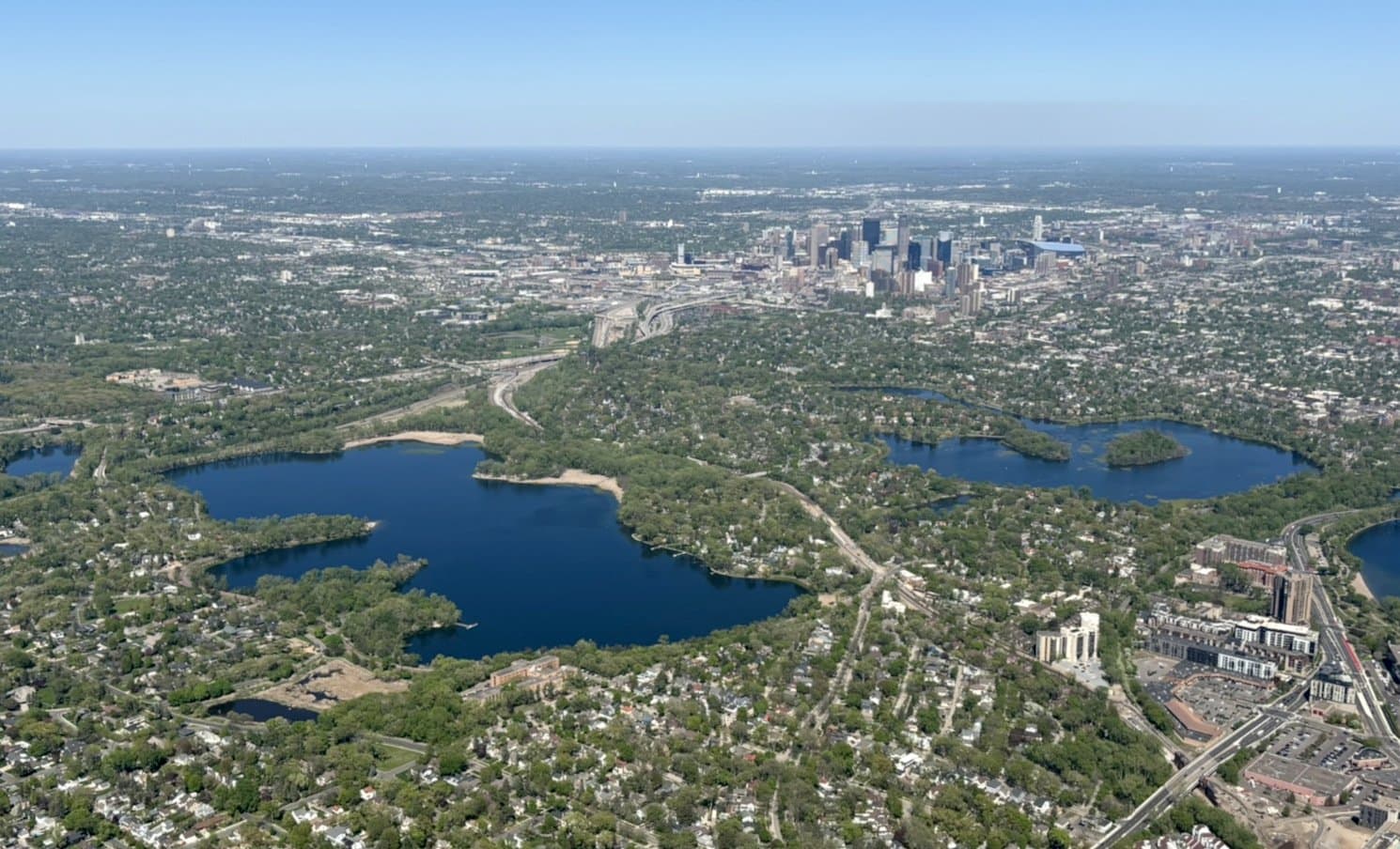
Bryn Mawr, a neighborhood of about 2,800 ringed by some 650 acres of parkland west of downtown Minneapolis, has been sold as a garden suburb since the 1800s.

City
Graco and Upper Harbor Parks Win Extra Funding in the 2026 Levy
The Minneapolis Board of Estimate and Taxation set the Park Board's 2026 maximum levy $1,061,413 above the mayor's recommendation on Sept. 17, 2025, flagging the money for Graco and Upper Harbor parks on the north riverfront.
City
Board of Estimate Sets Park Board's 2026 Levy Increase at 6.11%
The Minneapolis Board of Estimate and Taxation set the Park Board's 2026 maximum property-tax levy at a 6.11% increase on Sept. 17, 2025, adding $1,061,413 above the mayor's recommendation for two north-side riverfront parks.
Events
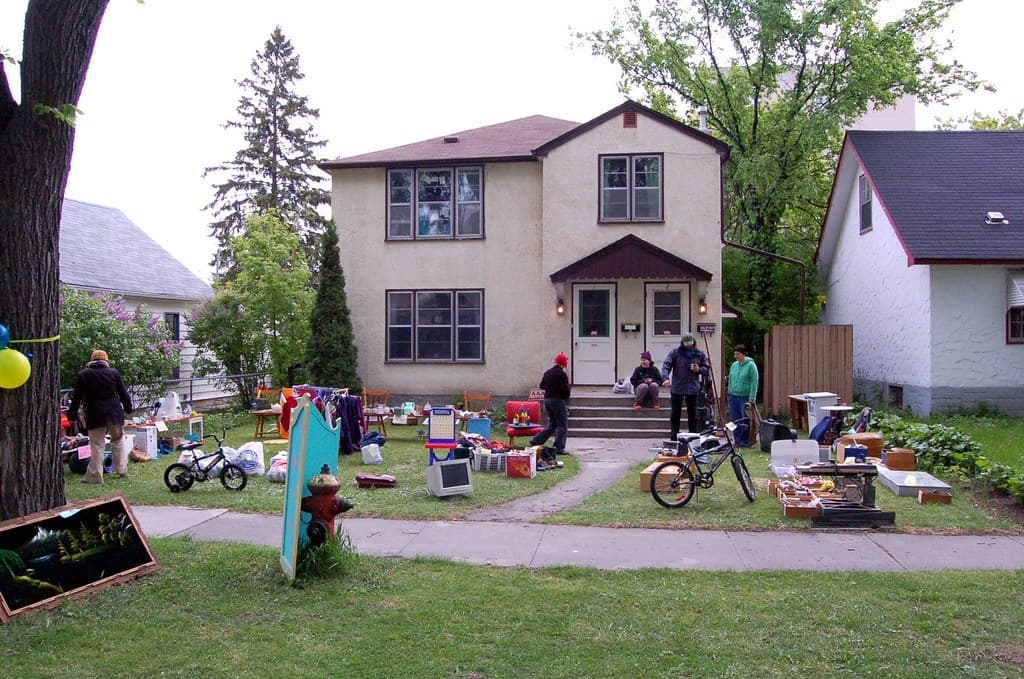
This Weekend in the Neighborhood: Yard Sales and a Bike Loop
The Neighborhood Super Sale and a lakeside ride headline a September Saturday.
City
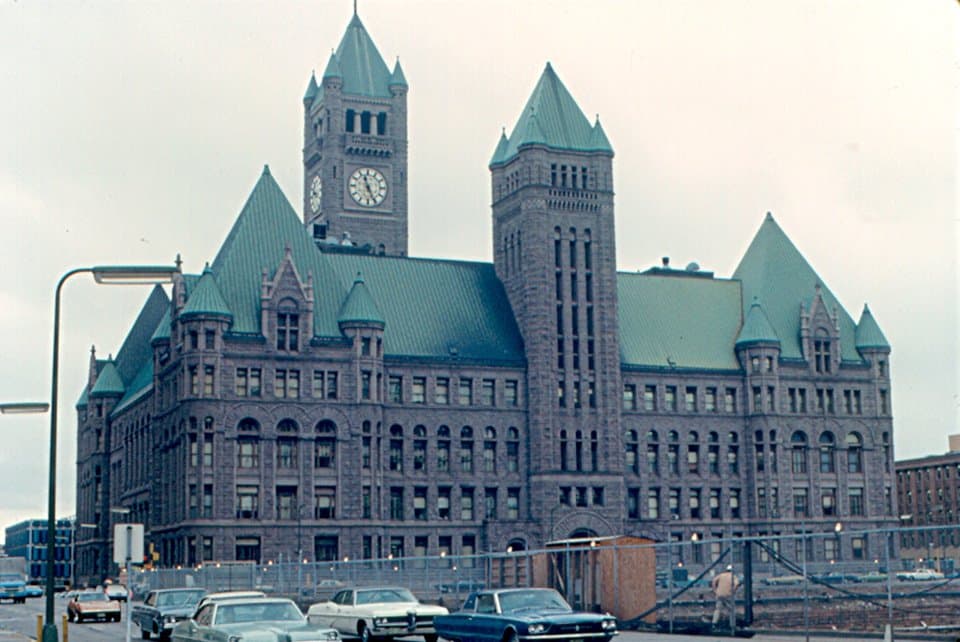
A City 'Built to Last': What Frey's Budget Address Promised
Mayor Jacob Frey proposed a roughly $2 billion 2026 budget with a 7.8% property-tax levy increase in an Aug. 13, 2025 address, and the City Council adopted an amended version in December.
City
Frey's 2026 Proposal: A 7.8% Levy Increase and the End of Police Double-Overtime
Mayor Jacob Frey's 2026 budget proposed a 7.8% levy increase and the elimination of police double-time overtime pay, and the council adopted a roughly $2 billion budget on Dec. 16.
City
Reading a Development Proposal: A Lowry Hill Resident's Checklist
A practical guide to reading a Minneapolis development notice: what is being built, what the zoning allows, and whether a real public decision point exists.
City
Built Form Rezoning and the Map Behind Your Block
Minneapolis's built-form districts translate the 2040 plan's growth goals into specific height and scale limits, parcel by parcel.
City
Planning vs. Zoning: How the City Decides What Gets Built
A comprehensive plan such as Minneapolis 2040 sets the city's long-range vision, while the zoning code is the binding law that decides what can be built on a given lot.
Opinion
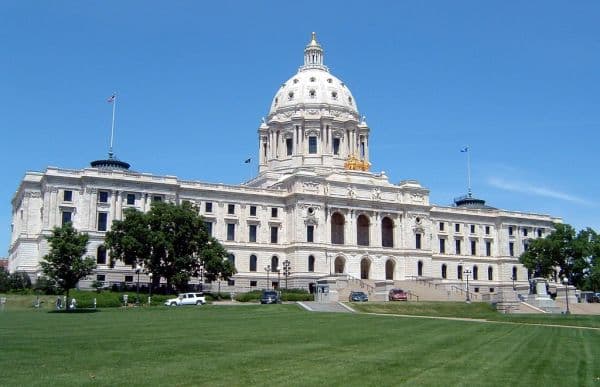
Opinion: Tie School Funding to Need, Not Net Tax Capacity
A school capital levy pegged to net tax capacity tracks neighborhood property wealth rather than student need, a resident argues.
City
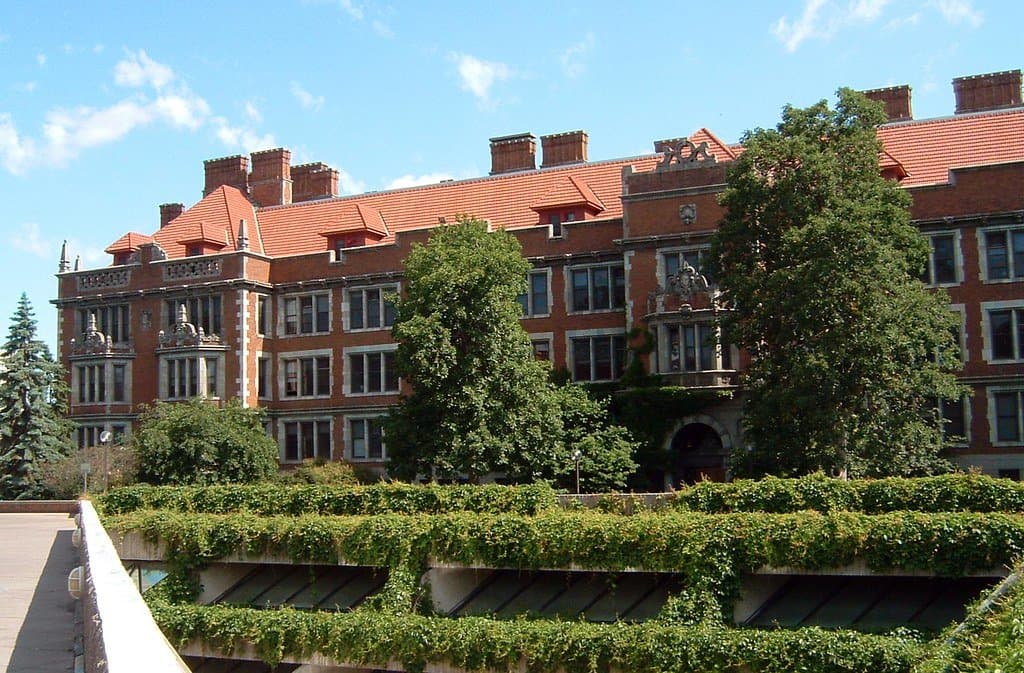
Stalled Housing Projects Can Move Again After the Court Ruling
After the Minnesota Court of Appeals lifted the 2040 Plan injunction in May 2024, the city resumed issuing permits for multifamily projects that had stalled in court.
City
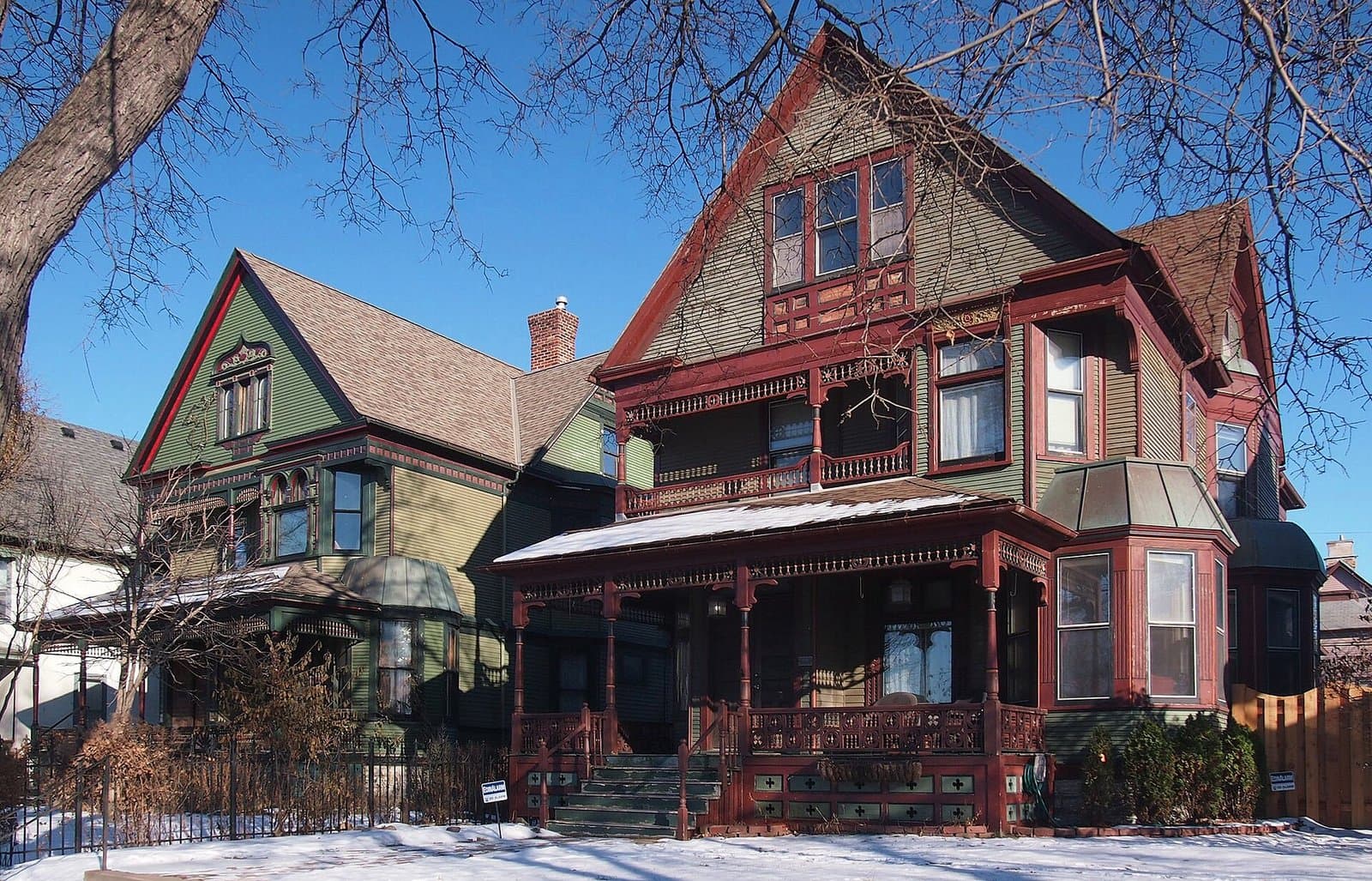
Minneapolis Ended Single-Family-Only Zoning — and the Courts Upheld It
The city was the first major U.S. city to eliminate exclusive single-family zoning, a change tested and sustained in court.

City
Environmental Rights and Housing: The MERA Question at the Heart of the 2040 Case
Opponents argued the state environmental rights act required deeper review of the housing plan.

Neighborhood
Bryn Mawr Meadows reopens after a 56-acre park overhaul
The redesigned park adds a native greenway, a mountain-bike skills course and new water-quality features.
The neighborhood, in your inbox
Free. No paywall. Pick the topics you want — we send what’s happening this week.