CityLowry HillLowry Hill East (The Wedge)East IslesCedar-Isles-DeanBryn Mawr
Ordinances Signed Into Law: Reading the City's Official Acts
An ordinance amends the binding Minneapolis Code of Ordinances; a resolution only states the council's position or directs city business.

When the Minneapolis City Council passes an ordinance and the mayor signs it, it amends the Minneapolis Code of Ordinances, the body of enforceable law that governs everything from building height to how a sidewalk cafe operates. The code is published and searchable online, and the city's Legislative Information Management System, or LIMS, tracks each ordinance from introduction through adoption with its staff reports, amendments and recorded votes attached.
The distinction between an ordinance and a resolution is easy to miss but matters. A resolution expresses the council's position or directs city business; an ordinance changes the city code itself, and only the ordinance creates binding, enforceable rules. An ordinance generally requires a public process, a council vote and the mayor's signature, or a veto override, to take effect.
The wording is the substance, and it lands on specific code sections. The city's short-term-rental rules, for example, live in Section 244.1845, which sets license and registration requirements landlords must follow. In 2024 the council took up an ordinance on the use of algorithms in residential rental pricing, tracked in LIMS as file 2024-01399. A zoning change, a noise standard, a licensing requirement or a setback limit each reaches residents and businesses as something enforceable, with the effective date, exemptions and definitions all in the enacted text. When a permit is denied or a citation issued, it is that text, not the news coverage of it, that an inspector or a court applies.
This matters as the city implements its 2040 Plan, which ended single-family-only zoning citywide and is being carried out through changes to the zoning code. For Lowry Hill, the Wedge and the lakes neighborhoods, the practical habit is to check the code before assuming what is allowed on a home addition, a basement apartment or a business use, and to read the staff report alongside the ordinance for any contested local matter.
CityLowry HillLowry Hill East (The Wedge)East IslesCedar-Isles-DeanBryn Mawr
Related stories
City
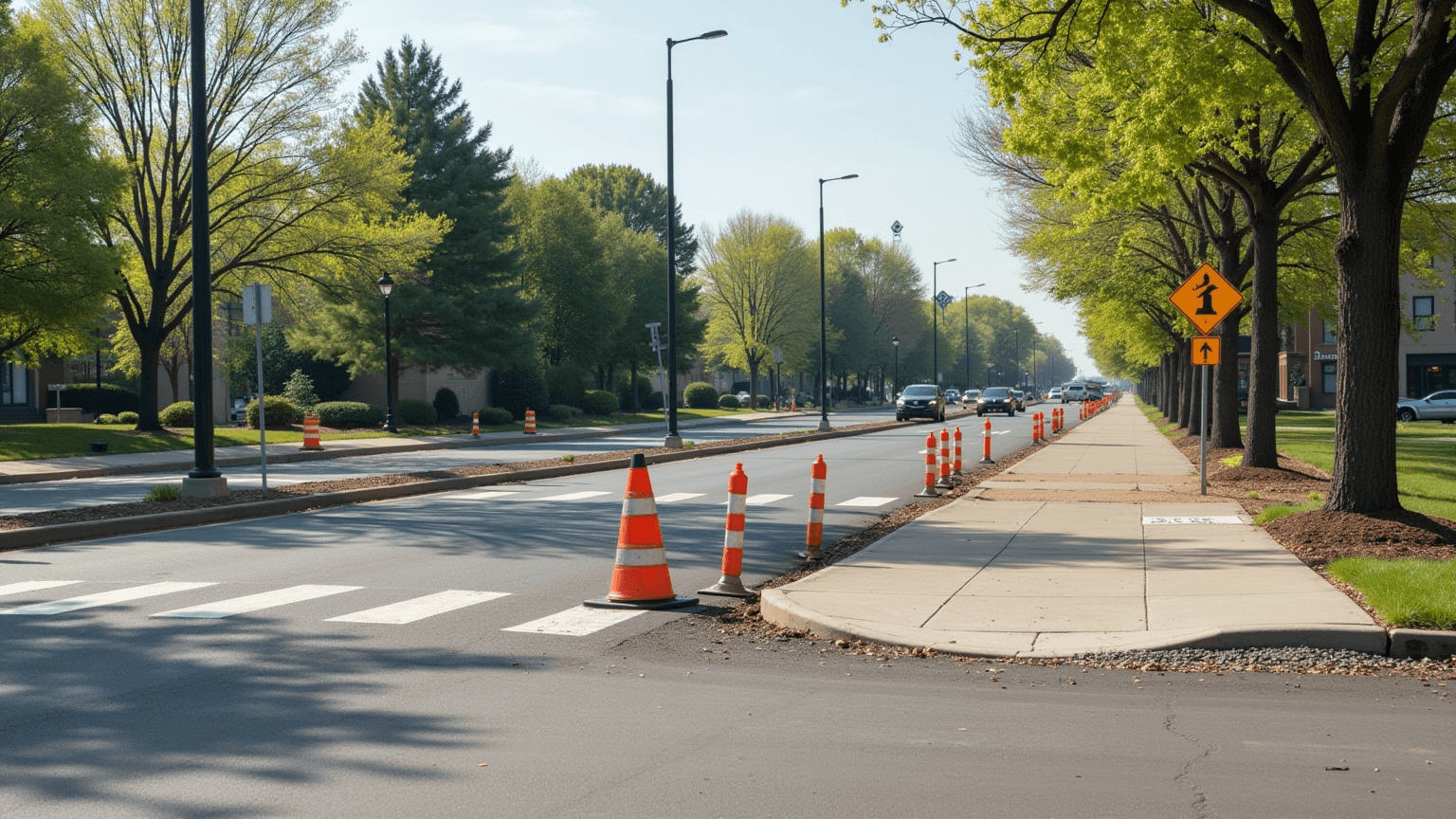
Parkway, intersection and pedestrian ramp improvements begin at Lake Harriet this year
Work to resurface Lake Harriet Parkway and improve the William Berry Parkway intersection will occur in phases starting in 2026.
City
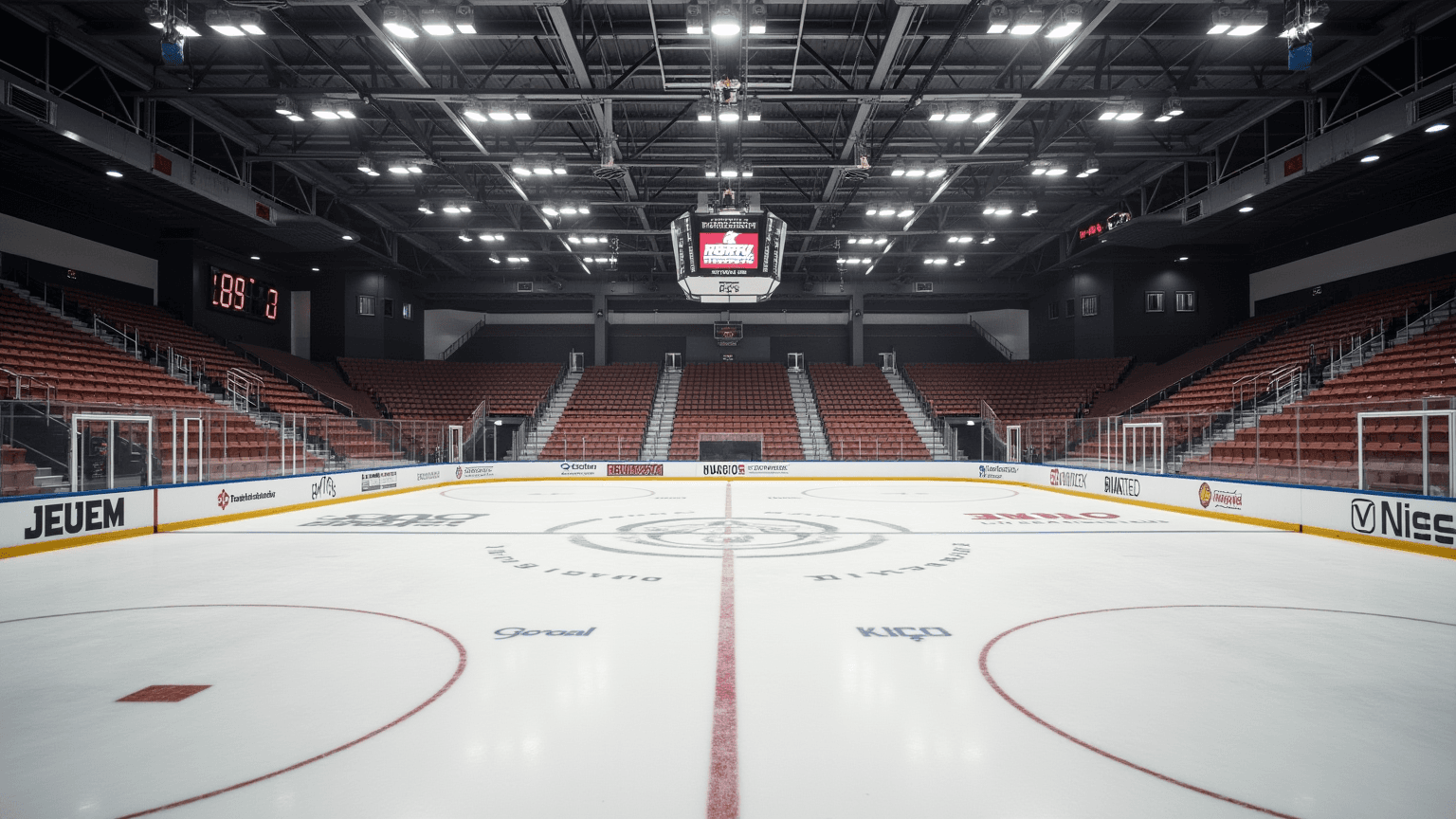
Minneapolis Park and Recreation Board working on repairs at Northeast Ice Arena with goal of reopening in the fall
Minneapolis Park and Recreation Board plans to repair Northeast Ice Arena with a goal of reopening for the ice season this fall.

City
Algae at Minneapolis Lakes
The Minneapolis Park & Recreation Board issued an announcement about algae growth at city lakes following recent high temperatures.
The neighborhood, in your inbox
Free. No paywall. Pick the topics you want — we send what’s happening this week.