CityLowry HillLowry Hill East (The Wedge)East IslesCedar-Isles-DeanBryn MawrGreater Uptown & Nearby
Stalled Housing Projects Can Move Again After the Court Ruling
After the Minnesota Court of Appeals lifted the 2040 Plan injunction in May 2024, the city resumed issuing permits for multifamily projects that had stalled in court.
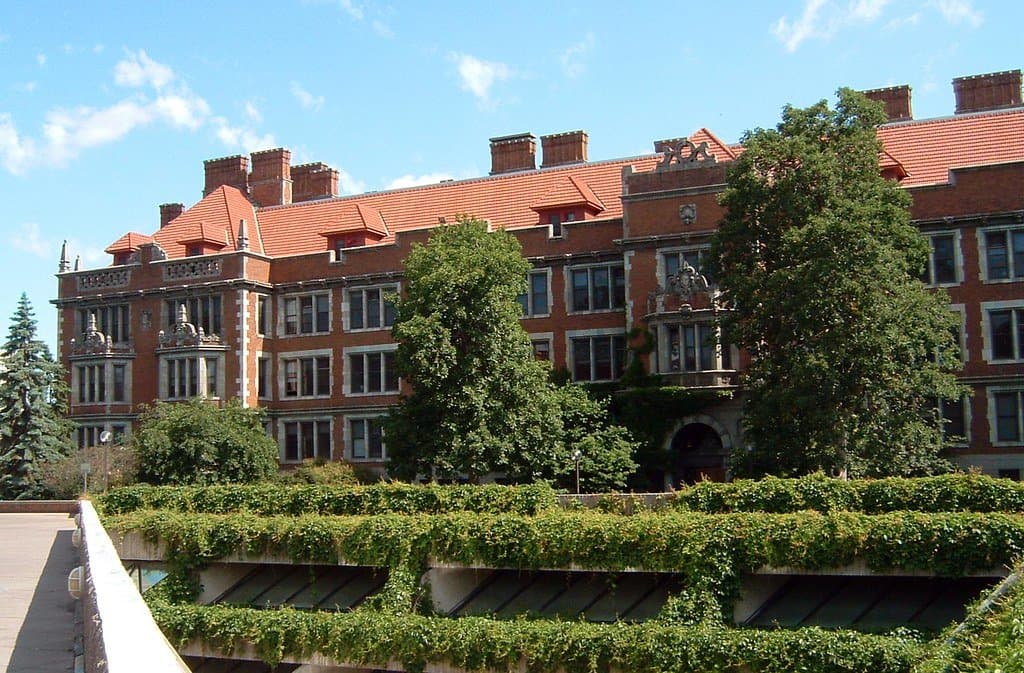
The Minnesota Court of Appeals reversed an injunction against the Minneapolis 2040 Plan on May 13, 2024, clearing the way for the city to resume issuing permits for multifamily housing projects that had been frozen while the policy was tied up in litigation.
The freeze began when a Hennepin County district court enjoined the plan under the Minnesota Environmental Rights Act and ordered the city to revert to its earlier 2030 plan until it completed an environmental review. Multifamily projects that relied on the 2040 Plan's density provisions were left in limbo, unable to count on the rules they had been designed and financed around. A project permitted only under the 2040 rules could not break ground while those rules were under a court order.
In its reversal, the appeals court, in an opinion by Judge Keala Ede, held that the district court had abused its discretion and that the record did not support a finding that reverting to the 2030 plan would better protect the environment. The court placed the burden on the citizen groups challenging the plan, organized as Smart Growth Minneapolis, to show that halting the plan was necessary. A 2024 state law exempting residential-density changes from MERA further removed the legal cloud.
With the injunction lifted, the city said it would resume permitting the stalled projects. For renter-heavy areas like the Wedge and corridors near transit, that means paused proposals can advance and new ones can be filed with confidence in the rules. It also means a project that went quiet during the litigation is not necessarily abandoned, so residents tracking a nearby site may see activity restart.
Residents can track permits and development applications through the city's permitting and Planning Commission systems on minneapolismn.gov, and neighborhood associations often flag resuming proposals for their members.
CityLowry HillLowry Hill East (The Wedge)East IslesCedar-Isles-DeanBryn MawrGreater Uptown & Nearby
Related stories
City
Parkway, intersection and pedestrian ramp improvements begin at Lake Harriet this year
Work to resurface Lake Harriet Parkway and improve the William Berry Parkway intersection will occur in phases starting in 2026.
City
Minneapolis Park and Recreation Board working on repairs at Northeast Ice Arena with goal of reopening in the fall
Minneapolis Park and Recreation Board plans to repair Northeast Ice Arena with a goal of reopening for the ice season this fall.
City
Algae at Minneapolis Lakes
The Minneapolis Park & Recreation Board issued an announcement about algae growth at city lakes following recent high temperatures.
The neighborhood, in your inbox
Free. No paywall. Pick the topics you want — we send what’s happening this week.